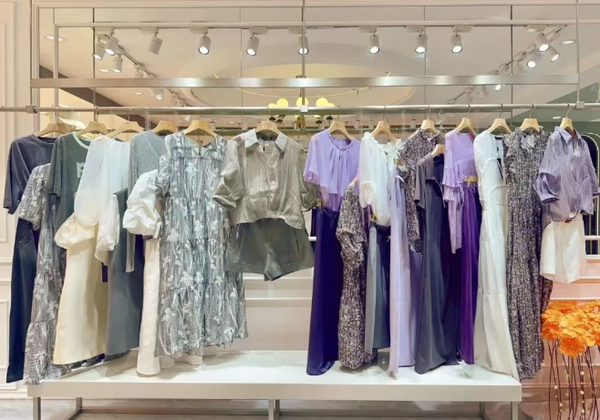
What Is Wholesale Overstock Clothing?
“Overstock” is one of those words that gets used like a magic spell on the internet. Like you say it and suddenly every box is perfect, every size ratio is balanced, and your stockroom becomes a Pinterest board. Real life is a little less cinematic — but overstock can still be one of the calmest ways for boutiques to buy inventory, if you know what you’re actually buying.
If you’re the type who wants fewer surprises and a smoother “buy → receive → sell → reorder” loop, overstock is often the move. But the trick is understanding why it’s overstock and what that means for your risk.
1) The reality check: overstock isn’t a vibe — it’s a category
Let’s get this out of the way: overstock is not a guarantee. It’s not a label that automatically means “perfect condition, balanced sizes, and trending styles.” It simply means the inventory exists in excess of what the original seller planned to move.
So why does overstock get so hyped? Because when it’s sourced properly, it can be one of the most operationally friendly ways to stock a boutique. It tends to be:
- More consistent than random liquidation pallets (fewer “what even is this” units).
- Easier to photograph/list compared to massive mixed lots with endless micro-SKUs.
- Better for repeatable drops if you can secure similar categories over time.
- Cleaner for brand presentation (your site and social don’t look like a yard sale).
If you’re browsing ApparelLots inventory, you’ll usually see overstock show up across core categories like Women’s Apparel, Men’s Stock, Kids & Baby Stock, and Bags. For “type” browsing, the clean starting points are Single-Style Lots and Mixed Clothing Bundles.
Quick note: those links are straight from the site navigation so they don’t turn into 404s.
2) Why overstock exists (and why it’s not always shady)
Social media sometimes frames overstock like it’s “found money.” In reality, most overstock comes from pretty normal supply-chain stuff. Here are the common reasons — and what each one implies for you as a buyer.
A) Cancelled purchase orders (PO cancels)
A retailer places an order, plans change, budgets tighten, or the timing misses the season — and the PO gets cancelled. That inventory still exists. For boutiques, this can be great if it’s documented and condition is consistent. Your main risk is seasonality: you might be buying winter in spring (or the other way around), so your cashflow plan matters.
B) End-of-season surplus
Brands overbuy to avoid stockouts. Then the season ends, and leftover units need to move. These lots can be “clean,” but they can also be heavy in slow colors or slow sizes. The win here is pricing; the risk is size curve and markdown cadence.
C) Warehouse consolidation or SKU cleanup
Distributors clean their catalog, remove slow styles, or consolidate locations. This can produce overstock lots that are operationally easy — but often limited on reorders. Think of it like a one-time “clear the shelves” moment.
D) Overproduction of basics
Basics (tees, leggings, simple dresses) often get overproduced because demand forecasting is messy. When the product is evergreen, that’s not a problem — it can be a boutique’s best friend. But still: confirm sizing and fabric consistency. A “basic” can still be weird in real life.

If you want the broader sourcing landscape (trade shows, markets, direct brands, etc.), our main map is here: Where Do Boutiques Actually Buy Inventory?.
3) Comparison table: overstock vs mixed lots vs liquidation vs single-style lots
This is the part where your brain calms down because you can finally sort options by processing effort and risk — not by whatever sounded coolest on a TikTok voiceover.
| Inventory type | What it usually means | Best for | Main risks | What to ask |
|---|---|---|---|---|
| Wholesale Overstock | Excess inventory from normal channels (PO cancels, season surplus, consolidation) | New boutiques, steady drops, brand-consistent assortments | Size imbalance, season timing, limited reorders | Manifest summary, size curve estimate, condition notes, claim window |
| Single-Style Lots | One style (or tight SKU group), consistent merchandising and listing | Small teams, “weekly drop” cadence, fast setup | Style may not hit; limited variation | Size breakdown, measurements, color count, packaging standards |
| Mixed Lots | Assorted categories/styles (sometimes assorted conditions) | Experienced buyers with sorting + clearance systems | Slow processing, size curve issues, condition variance | Category mix, defects tolerance, size ratio estimate, carton mapping |
| Liquidation / Pallets | Hard clear-out inventory (often minimal documentation) | Deal hunters with strong liquidation channels | High variance, limited claims, data gaps | Condition grade, shortage policy, photos/video proof, strict terms |
Start with overstock or single-style lots
If you’re still building systems, choose inventory that doesn’t require a full-time sorting crew. Overstock with a summary or single-style lots can get you selling faster with fewer operational surprises.
Browse: Single-Style Lots and Women’s Apparel
Mixed lots + clearance pricing tiers
Mixed lots can be great when you already have a plan for bundles, timed markdowns, and a tidy clearance section. If you don’t, they turn into “I’ll list it later” boxes.
Browse: Mixed Clothing Bundles and Clearance Under $5
4) Risk map: the 5 things that make overstock “easy” or “painful”
Overstock can be simple… until one of these five things goes sideways. This isn’t meant to scare you. It’s meant to keep you from paying “clean overstock” prices for “mystery lot” risk.
Risk #1: Size curve (quiet killer)
You can have great styles, but if the run is heavy in slow sizes, your sell-through drags and your markdowns increase. Always ask for a size ratio estimate. If the seller can’t provide it, plan your pricing tiers with more bundles and faster markdown cadence.
Risk #2: Defects tolerance and “what counts”
Most B2B overstock comes with some variance. The key is knowing what’s considered acceptable. Minor packaging wear? Usually expected. Major stitching defects? That should be handled via the claims process. Read your supplier’s policy and keep your documentation tight.
Risk #3: Freight surprises (your invoice is not the final bill)
Freight, duties, VAT, payment processing fees, and handling costs can turn a “great unit price” into a normal one. Landed cost is the truth serum.
Risk #4: Season timing
Overstock can be a timing game. Buying winter coats in spring can be smart if you have cashflow patience. It can also be a cash trap if you need immediate sell-through. If you want seasonal browsing, you can use the site’s season collections like Winter and Summer.
Risk #5: Claims process (a.k.a. your protection plan)
The claim window is not a suggestion — it’s the rule. When the cartons arrive, you need a basic receiving workflow so issues are documented immediately. (We’ll cover that in a minute.) For ApparelLots buyers, the relevant pages are Shipping Policy and Returns & Claims.
5) Buying checklist: what to ask before you pay (copy/paste friendly)
Here’s the checklist I wish was taped to my laptop in my early buying days. It’s not fancy — it’s just the stuff that prevents “surprise costs” and “surprise inventory.”

Overstock pre-payment checklist
- Source story: Why is this overstock (PO cancel, season surplus, consolidation, basics overbuy)?
- Manifest summary: category mix + unit count + any notes on brands/styles/assortment.
- Size curve estimate: even a rough ratio helps you plan sell-through.
- Condition notes: new/like-new, packaging wear, known defect tolerance, any exclusions.
- MOQ + lot structure: cartons, units per carton, and whether you can split lots.
- Carton details: carton count, approximate weight/volume, labeling standards.
- Lead time: processing time + shipping time estimate + what “delay” looks like in practice.
- Claim window: how many days after delivery, what proof is required, how credits/refunds work.
- Payment + fees: payment method options and any transaction fees that impact landed cost.
- Reorder reality: is there a chance to restock similar items, or is it truly one-time?
6) Pilot order strategy: start small (but not timid)
A pilot order is not you “playing small.” It’s you buying information. It tells you how accurate the manifest is, how shipping timelines behave, how the size curve actually lands, and how much labor it takes your team to process the inventory.
Finish one full cycle
Buy → receive → QC → list → sell → learn → reorder. If you can’t complete that loop quickly, your cashflow gets stuck in cartons.
For smaller pilots, browse lower-commitment inventory like Small (Below 100pcs).
Choose what you can process in 5–7 days
If your team is you + one helper, don’t order like you have a warehouse crew. Your first “win” is speed and clarity, not volume.
A lot of boutiques get stuck because the first buy is too complex. They buy a huge assortment, then the receiving + listing backlog grows, then cashflow tightens, then they stop buying, then the shop feels stale. The fix is boring and effective: start with inventory you can process fast, then level up your complexity.
7) Receiving workflow: the unsexy system that protects margin
Receiving day is where boutiques either protect margin… or quietly leak it. You don’t need a fancy warehouse. You need a repeatable routine and a “don’t overthink it” sorting system.
A simple receiving workflow for overstock
- Count cartons + label: date received, supplier, lot ID, carton number.
- Open with a camera on: quick video of first opening helps with documentation if there’s an issue.
- QC sample check: top/middle/bottom of cartons for obvious defects and consistency.
- Sort immediately: Keep / Discount / Bundle / Liquidate (no “maybe” pile).
- SKU rationalization: decide what gets full listing treatment vs bundle content.
- Photo/list targets: set daily targets so inventory doesn’t stall for weeks.
- Claims documentation: photo issues with carton label visible, submit within claim window.
Keep / Discount / Bundle / Liquidate is the calmest rule you can adopt. It prevents “inventory guilt” where you spend hours trying to rescue items that should have been bundled on day one.
SKU rationalization (in plain English)
SKU rationalization is just you deciding what deserves attention. Overstock often looks “clean,” but you’ll still get a few slow pieces. Don’t let slow pieces steal the energy of your winners. If something doesn’t match your boutique’s look, it can still be valuable — just move it through the right lane (bundle or promo).
8) Landed cost + pricing cadence (no fantasy math)
Overstock is where a lot of buyers accidentally do “influencer math.” They see a low unit price, imagine a perfect markup, and forget the real costs and real sell-through behavior. The goal isn’t perfect margin on every unit — it’s healthy turnover and predictable cashflow.
The landed cost formula you should actually use
Landed cost per unit = (goods + freight + duties/VAT + payment fees + handling) / sellable units
A pricing cadence that keeps inventory moving
- Tier 1 (Hero items): your best pieces—price for margin and brand presentation.
- Tier 2 (Regular): normal boutique pricing for your everyday winners.
- Tier 3 (Slow movers): planned markdown cadence (timed, not emotional).
- Tier 4 (Bundles/clearance): move cash and free space without drama.
If you want to build a value lane intentionally, use price-point collections like Under $5 Clearance, Wholesale Clothing $5–10, and Wholesale Apparel $10–20. These are useful reference points when you’re planning merchandising tiers.
9) US vs EU differences (what actually changes in practice)
The inventory goals are the same: good product, clear terms, predictable supply. The differences show up in logistics and paperwork — especially when importing.

VAT vs sales tax planning
EU buyers often plan around VAT and import structure more explicitly because it hits cashflow differently. US buyers usually focus first on freight layers and duties, then domestic fulfillment. Either way, landed cost is the truth: you need the all-in cost to price responsibly.
Importer-of-record (IOR) and customs responsibility
When you ship internationally, confirm who is responsible for customs paperwork and clearance steps. If your shipment gets held, your timeline and cashflow both feel it. For policy basics and expectations, keep these pages handy: Shipping Policy and Returns & Claims.
10) Reorder logic + liquidation cycles (how overstock becomes a system)
Overstock is powerful when it becomes repeatable. Not “the same SKU forever,” but a predictable pattern: you know what categories perform, what size curves your customers like, and what price tiers actually move.
Battle-tested reorder rules
- Reorder winners: high sell-through + low claims + low processing time.
- Pause maybes: ok sell-through but high labor (too many styles, too many photos).
- Drop problems: recurring defects, unclear terms, or repeated size imbalance.
- Time buys: order when you can receive and process — not when you’re already buried.
- Build a clearance lane: treat it like a normal channel, not a panic move.
Overstock doesn’t remove the need for clearance
If you’re ready to explore inventory types by structure, these are clean starting points: Single-Style Lots, Mixed Clothing Bundles, and for deeper discount strategies, Pallet Deals Clothing.
11) FAQ (straight answers)
Is wholesale overstock clothing the same as liquidation? +
Not always. Overstock often comes from normal supply chain overflow (cancelled POs, seasonal surplus, consolidation). Liquidation can be a harder clear-out with higher variance and less documentation. The best way to tell is: can you get a manifest summary, size curve estimate, and clear claims terms?
What’s the minimum info I should require before paying? +
At minimum: unit count, manifest summary, size curve estimate, condition notes (defects tolerance), carton count/weights, lead time, and the claim window. If those are missing, price the risk and buy smaller.
How do I plan landed cost without getting overwhelmed? +
Keep it simple: goods + freight + duties/VAT + payment fees + handling. Divide by sellable units. Then price with a tier system (hero/regular/markdown/bundle) so slow units don’t trap your cash.
What’s the biggest “quiet risk” in overstock? +
Size imbalance. It doesn’t look dramatic at receiving, but it slows sell-through and forces heavier markdowns. Always ask for size curve estimates, and keep a bundle/clearance lane ready.
Should I start with single-style lots instead? +
If you’re new or short-staffed, single-style lots are often the easiest operationally: consistent listings, faster photography, simpler pricing rules. Many boutiques do a mix: single-style for clean drops, overstock for variety, mixed lots once systems are strong.
Want a calm way to source overstock (without mystery boxes)?
If you’re looking for wholesale overstock, curated mixed lots, or single-style lots, tell us your category focus, target price range, MOQ comfort level, and preferred shipping timeline. No pressure — we’ll just match what’s current.
Start with: How It Works • Help Center (FAQ) • Shipping Policy • Returns & Claims • About Us
Want more guides? Browse the full hub: Wholesale Clothing Knowledge Hub.