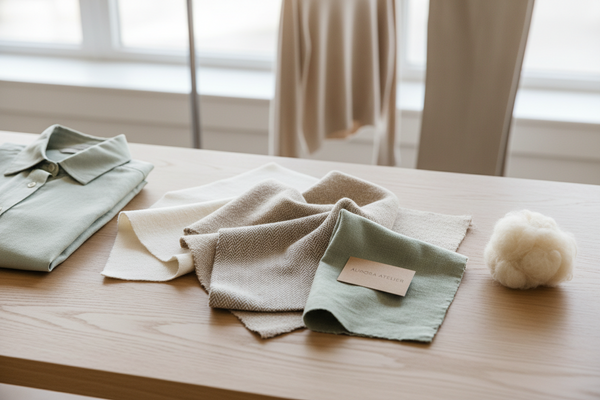
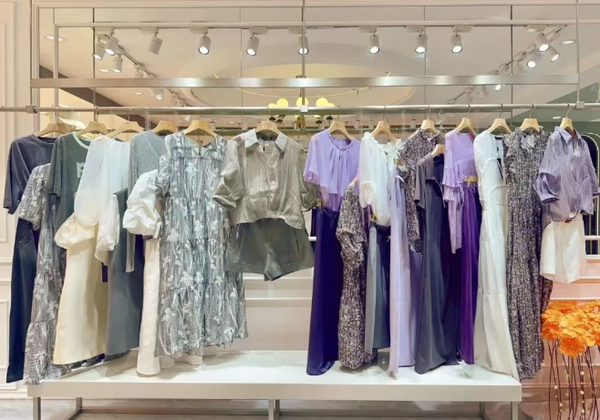
What Does American Apparel Mean Now? A Practical Buying Guide to Everyday U.S.-Style Clothing for Boutiques and Resellers
“American apparel” used to sound like a simple label. Now it usually points to something broader: easy denim, casual basics, relaxed silhouettes, simple layering pieces, and clothes that fit into real daily life without too much explanation.
Quick answer
American apparel now usually means practical, easy-to-style clothing built around casual daily wear — not just one brand, but a broader wardrobe logic that works especially well for resale.
Read the Knowledge HubIn this guide
Why the meaning of “American apparel” changed
A few years ago, many people heard the phrase “American apparel” and immediately thought of a specific brand name or a very narrow visual identity. Today, the phrase is much looser in real buying conversations. It often describes a broader clothing mood instead of a single company. Buyers use it to talk about easy casualwear, denim, clean T-shirts, simple knitwear, relaxed pants, sweats, and wardrobe staples that feel natural in daily life.
This shift happened because fashion language changed. People now talk more about how clothes fit into everyday routines than about whether a look belongs to one label. Style categories have become more practical, more mix-and-match, and less dependent on one name. That makes the phrase more useful for sourcing too. A boutique owner is usually not asking for one exact brand identity. They are asking for a clothing direction that feels familiar, wearable, and easy to sell.
In real terms, “American apparel now” usually means clothing that feels straightforward and lived-in. It suggests casual silhouettes, useful fabrics, clean styling, and an outfit logic that makes sense off the page. Buyers think about pieces customers can actually wear, not just admire in an image. That is why the phrase now leans more toward a wardrobe system than a logo.
This broader meaning is especially important for resale buyers. Resellers, boutiques, and small retailers rarely need abstract fashion language. They need categories that move. They need product types customers understand in seconds. Once you look at it that way, the phrase starts to make more sense. It is not about complexity. It is about wearability.

What American apparel means now in a practical buying context
In a sourcing context, American apparel now usually points to a few repeat ideas: comfortable basics, denim, simple tops, laid-back pants, easy layers, and products that sit naturally in everyday outfits. The look is relaxed but not careless. It is practical but not dull. It works because it is familiar enough to feel safe and flexible enough to feel current.
You can see this in how people dress now. A denim shirt over a tee. Relaxed wide-leg pants with a knit top. A soft sweatshirt with clean sneakers. A simple bomber jacket over a dress. These are not complicated fashion ideas. They are routine outfit ideas. That is exactly why they matter in resale.
One useful way to think about this style is by asking: would this product still make sense if the customer did not want to “dress up” at all? If the answer is yes, you are probably close to the modern meaning of American-style apparel. The clothes should work even when the customer wants the easiest version of a good outfit.
It also helps to think in textures and silhouettes. Denim, jersey, rib knits, soft cotton blends, and relaxed fits all sit comfortably inside this category. Loud embellishment, overly formal tailoring, or heavily occasion-based fashion usually sits outside it. The category is built around repeat wear. That is the core idea.
This is one reason ApparelLots’ current product direction fits the theme well. The site already leans into easy-selling inventory such as denim shirts, knitwear, casual pants, backpack lots, and basic stock-lot logic. It is not speaking only to trend chasers. It is speaking to people who want usable product. That fits the current meaning of American apparel far better than many people realize.
Which products fit this look best?
If you are trying to translate this idea into actual buying decisions, start with categories that already feel familiar to customers. Denim shirts are a strong example. They have structure, but they are still casual. They work layered or alone. They are one of those categories customers do not need help understanding.
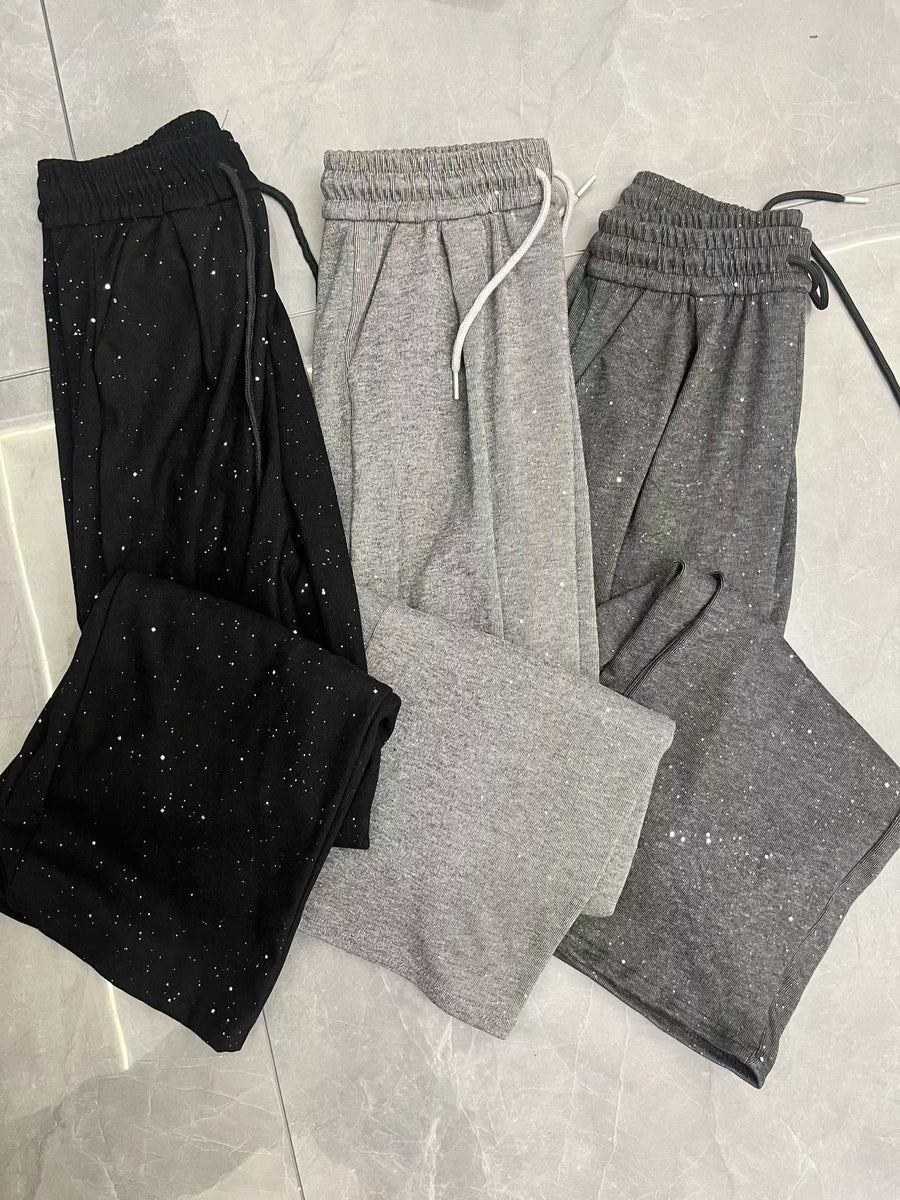
Relaxed pants are another good fit. Wide-leg casual trousers, easy pull-on pants, and simple cropped bottoms feel especially current right now because people want comfort without losing shape. These kinds of products fit the modern everyday American-style wardrobe very naturally.
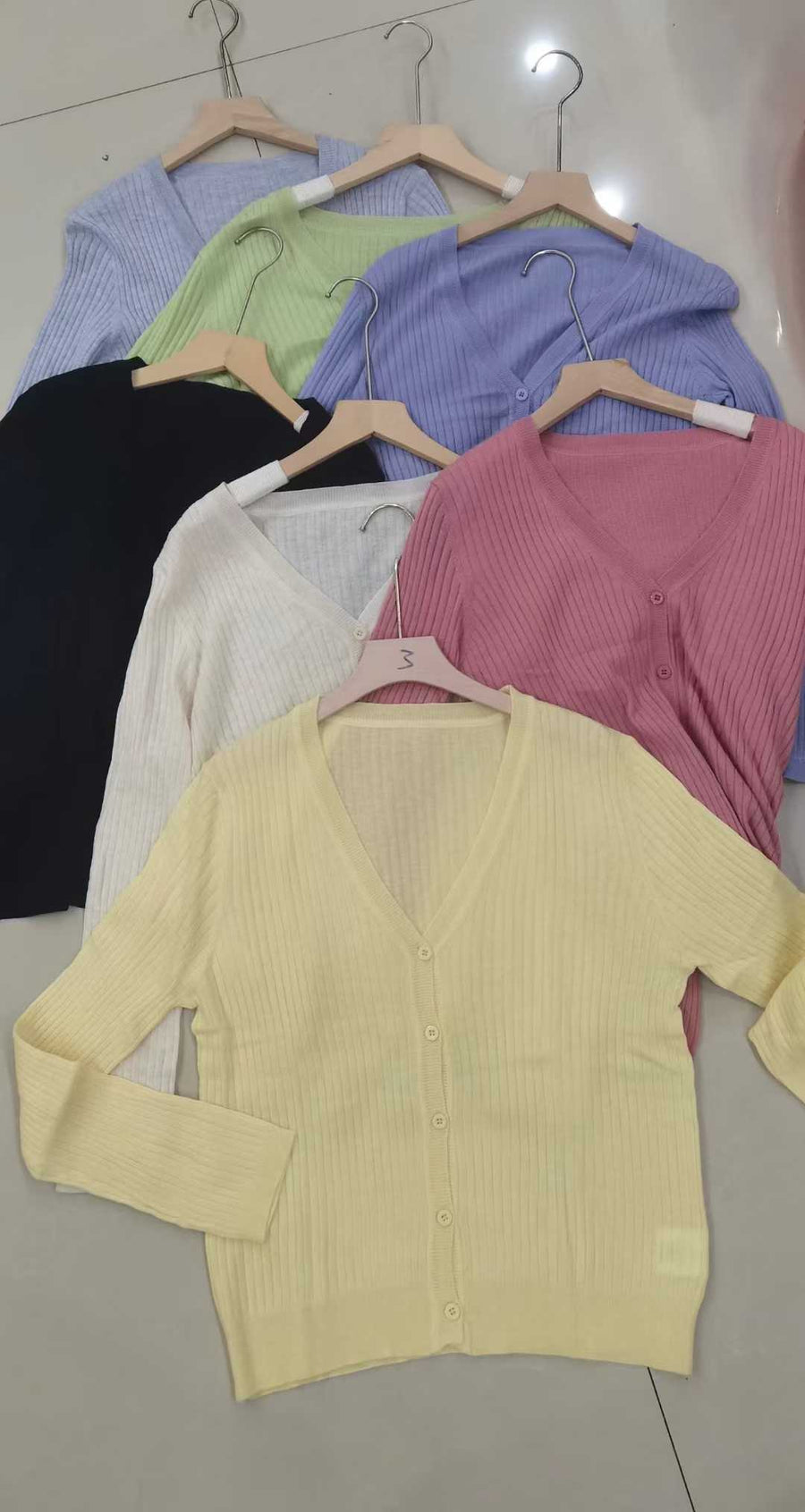
Knit tops and simple cardigans also belong here. They soften the assortment and make it easier to build real outfits. If all you carry is denim and pants, the rack can feel too flat. Knits give the customer a way to imagine full combinations.
Basic tees, of course, are still central. But the current version of the category is broader than plain white T-shirts. It includes good blanks, clean silhouettes, wearable color stories, and products that feel more like staples than placeholders.
Casual outerwear fits too: bomber jackets, light utility-inspired layers, and uncomplicated overshirts. The common thread is always the same. The product should feel useful, not forced.

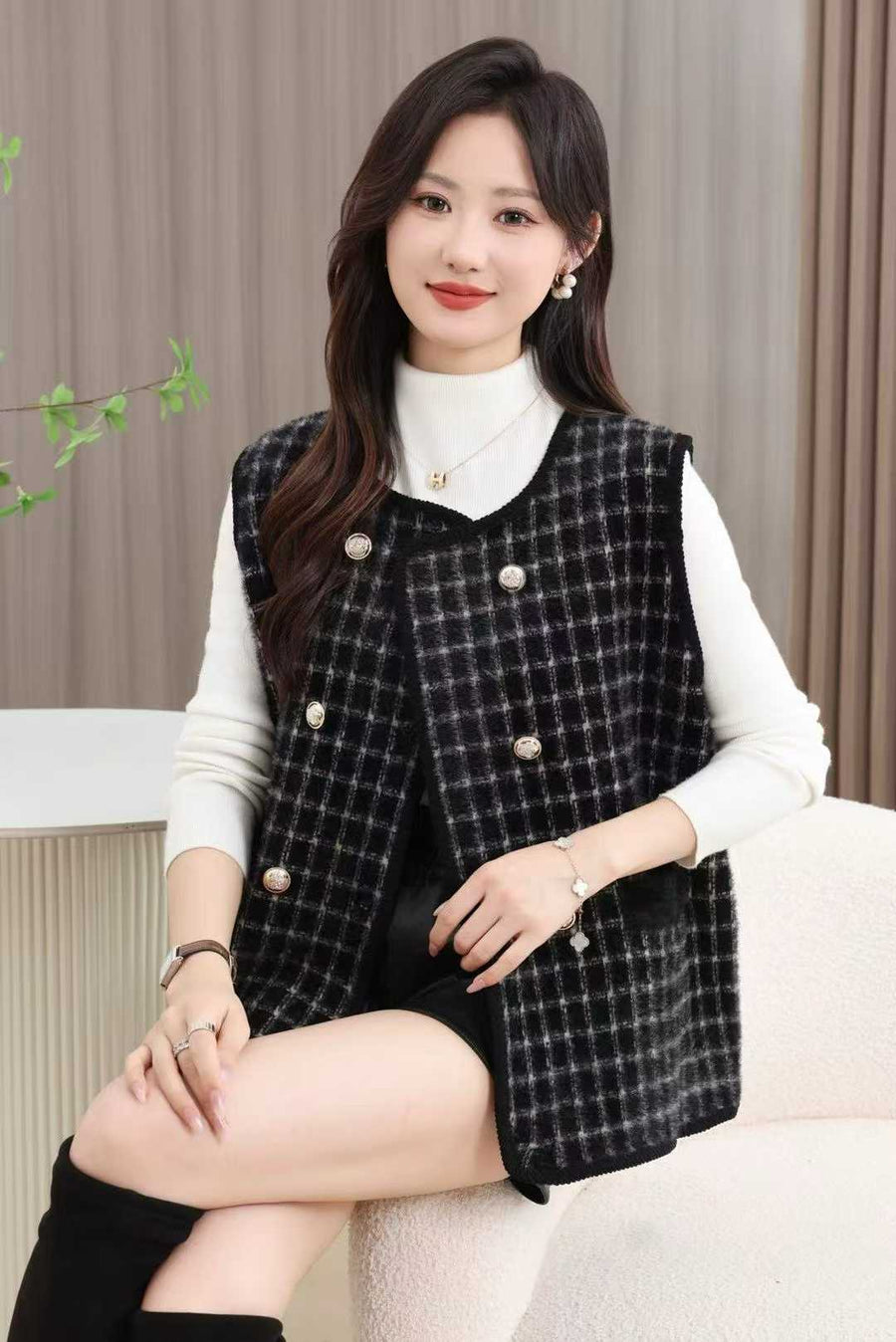
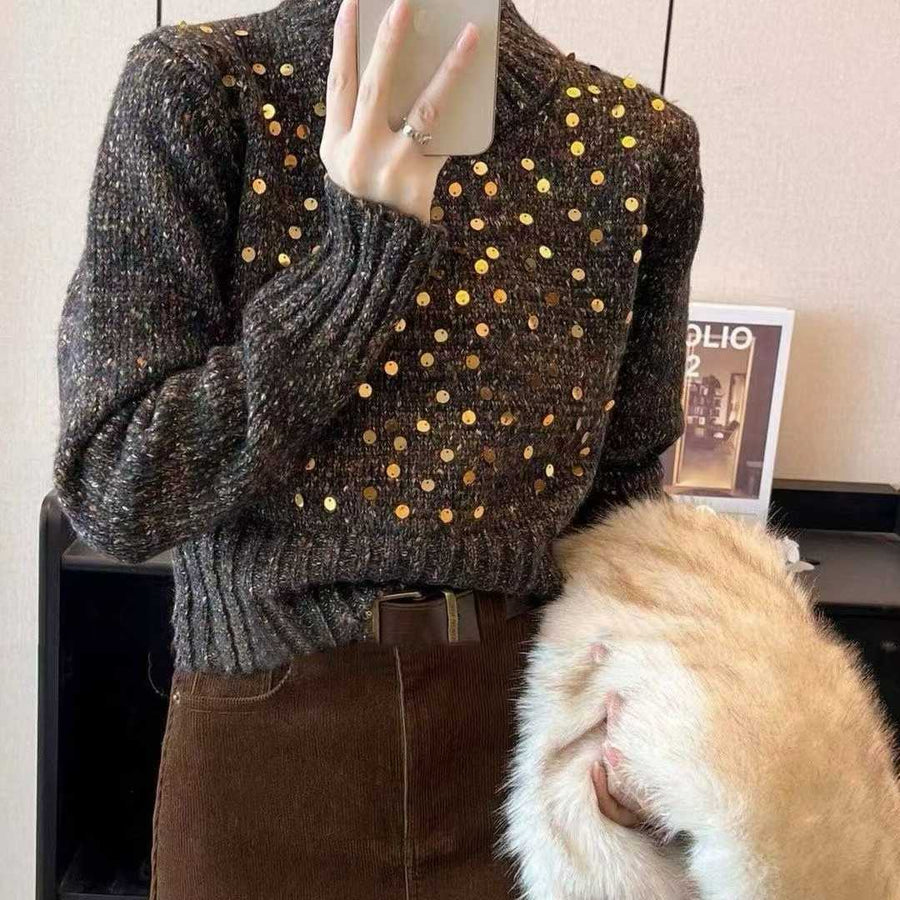
| Product type | Why it fits the category | How buyers usually use it | Resale strength |
|---|---|---|---|
| Denim shirts | Casual, timeless, easy layering piece | Menswear basics, street casual, wardrobe staple | High |
| Wide-leg casual pants | Comfort-first silhouette with clean everyday styling | Women’s daily wear, travel, boutique basics | High |
| Knit tops and cardigans | Softens the assortment and builds outfit logic | Layering pieces, transitional dressing | High |
| Basic tees | Core casual foundation | Custom work, blanks, basics-led resale | Very high |
| Simple outerwear | Adds shape without becoming too formal | Seasonal add-on, easy styling anchor | Moderate to high |
If you want one quick rule: choose products that make sense without explanation. That is usually the safest path into this category.
Why this kind of clothing works so well for resale
The biggest reason is simple: customers already know how to wear it. That matters more than people think. The less explanation a product needs, the easier it is to sell. Basics and casual American-style clothing usually create lower hesitation because the shopper can imagine the item inside her real wardrobe immediately.
Another reason is repeatability. These are not one-week novelty items. Denim shirts, easy pants, knit layers, and basic tees are part of an ongoing wardrobe cycle. Buyers can return to them because the logic stays intact. That makes them especially attractive for boutiques and resellers who want products with a longer selling life.
This type of clothing also works across multiple customer groups. Younger customers may wear the same wide-leg pants with a tank and sandals. Older customers may wear them with a knit and flats. A denim shirt can move from casual menswear to unisex styling space depending on how the store presents it. That flexibility helps with resale.
This is where ApparelLots becomes relevant again. The site’s structure already encourages buyers to think in broad, usable clothing categories. Women’s apparel, men’s stock, price-band inventory, stock-lot types, and knowledge content all support practical buying instead of purely decorative browsing. That makes it a strong example for this topic.
Clearance / Under $5 Wholesale Clothing $5–10 Wholesale Apparel $10–20 Premium Wholesale Clothing $20+
Mistakes buyers make when sourcing “American-style” clothing
One common mistake is buying pieces that look too styled or too trend-heavy. The modern American-style casual look is usually understated. Buyers sometimes chase louder fashion pieces because they think the look needs more energy than it actually does. In reality, the category works best when it feels natural.
Another mistake is ignoring fabric feel. This category depends heavily on comfort. If the product looks right but feels stiff, scratchy, or cheap in hand, it often loses the easy-wear appeal that makes the style useful.
Some buyers also build the assortment backwards. They buy statement pieces first, then hope basics will fill the gaps later. Usually it works better the other way around. Build with basics, denim, simple bottoms, and easy layers first. Add more expressive product later if your customer wants it.
Another problem is misunderstanding the customer. “American apparel” in this broader sense does not always mean youthful streetwear. It can also mean calm, practical, neutral daily clothing. If you over-narrow the category, you miss the real breadth of the style.
A simple checklist for sourcing this style
- Does the piece fit naturally into daily life?
- Can the customer style it without much effort?
- Does the fabric feel comfortable enough for repeat wear?
- Is the silhouette relaxed, familiar, or easy to understand?
- Would this item still make sense next season?
- Can it work with denim, knits, tees, or simple outerwear?
- Would a boutique or reseller be able to explain it in one sentence?
If the answer to most of these is yes, then the product likely fits the modern American-style casual category quite well.
Buyer questions
Does American apparel now just mean basics? +
What is the easiest product type to start with? +
Why does this style work for boutiques? +
Is this style still relevant outside the U.S.? +
Where should I browse next on ApparelLots? +
Where to go next
Upward link
Related reading
- Buying Guides
- Category Insights
- How to Source Basic Clothing Stock Lots for Resale
- How to Source Women’s Sweater Stock Lots That Actually Feel Easy to Sell
- How to Choose Women’s Summer Dress Stock Lots That Actually Feel Easy to Sell
- How to Choose Easy-to-Sell Backpack Stock Lots for Boutique Resale
Related categories and help pages
- Women’s Apparel
- Men’s Stock
- Kids & Baby Stock
- Bags
- Stock Lots Type
- Under $5
- How It Works
- Help Center FAQ
- Shipping Policy
- Returns & Claims
- About Us
Build around the clothes people actually wear
If you want the category to work in resale, keep the assortment easy, practical, and grounded in real wardrobe habits.
Tags: Buying Guides · Category Insights · American Style · Everyday Basics