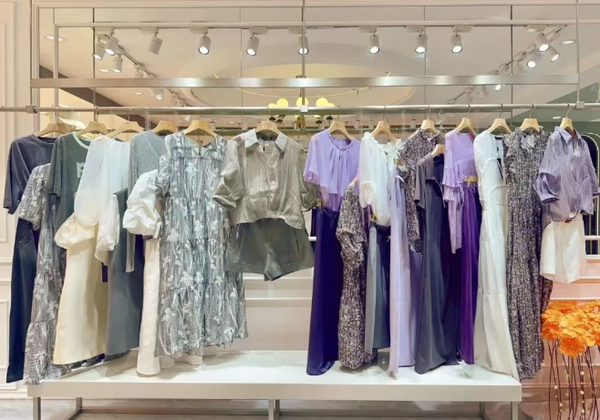
Where Do Boutiques Actually Buy Inventory?
Where Do Boutiques Actually Buy Inventory?
If you’ve ever thought, “There has to be a secret warehouse where every boutique gets the good stuff,” I’m gonna save you some time: there isn’t. Real boutiques build inventory the same way they build everything else— one solid supplier relationship at a time, with a few smart systems that keep the mistakes small.
Quick note: This is a B2B reality-check style guide. No hype. No “flip this one weird trick.” Just the actual places boutiques buy, what to watch for, and how to make your first orders less stressful.
1) Real talk: there’s no single “best place”
Let’s start with the thing people don’t want to hear: most successful boutiques don’t buy inventory from one place. They build a mix. Kind of like your personal wardrobe—one brand doesn’t fit every day, every mood, every season.
The “secret” is usually boring: verification, pilot orders, consistent receiving, and tight reorder rules. That’s what makes your sourcing feel stable. Not a viral video of someone “finding pallets” like it’s a treasure hunt.
So when someone asks “Where do boutiques actually buy inventory?”, the honest answer is: from channels that match their stage and risk tolerance. A newer boutique needs predictable inventory, cleaner assortments, and smaller MOQs. A more experienced buyer can take on mixed lots or closeouts because they already have systems: receiving, QC, pricing cadence, and liquidation cycles.
Here at ApparelLots, we work with buyers who want wholesale overstock, boutique liquidation inventory, mixed lots, single-style tail orders, plus bags and accessories. If you’re browsing, start at our Wholesale Clothing Knowledge Hub, then check the practical pages like Shipping Policy and Returns & Claims so you know how the boring stuff works. (Boring stuff = margin protection.)
2) The sourcing map: where boutiques really buy
I’m going to lay these out like a map, because boutiques usually pull from multiple directions. Some channels are “touch it, buy it, take it home.” Some are “buy now, manage risk, receive later.” Some are “relationship-based” (repeatable and calm).
A) Wholesale overstock suppliers (cleaner, repeatable)
Overstock is what many boutiques prefer when they want stable, sellable product without the chaos of random assortments. It can include excess inventory, cancelled orders, or end-of-season goods. The key is: you want clear terms and ideally a manifest or summary, even if it’s not item-by-item.
This channel shines when your goal is consistency: you’re planning drops, building a brand voice, and trying not to drown in inventory that needs a full-time therapist to explain. If you want a deeper breakdown, read: What Is Wholesale Clothing and How Boutiques Source Inventory
B) Mixed clothing lots (fast volume, higher risk)
Mixed lots can be great, but only if you treat them like a project with a plan. You’re buying an assortment: maybe multiple styles, categories, sizes, even mixed conditions depending on the supplier. If you don’t have a receiving workflow and liquidation plan, mixed lots can turn into a pile of “I’ll list it later.” And “later” is where margins go to die.
Learn the mechanics here: Are Mixed Clothing Lots Worth It for Boutique Stores?
C) Single-style tail orders (simple, controllable)
Tail orders are one of the most underrated ways to source because they’re operationally simple: one style, defined size breakdown, easier photography, easier merchandising, easier pricing rules. They’re great for boutiques that want to run “repeatable drops” and don’t want 40 micro-SKUs.
If you’re the kind of buyer who likes control and hates surprises, tail orders usually feel calmer than mixed lots. Full breakdown: What Are Single-Style Tail Orders in Wholesale Apparel?
D) Local wholesale districts / markets (touch & feel, limited scale)
Many boutiques still buy from local wholesale markets because you can touch fabric, check sizing, and walk away with inventory the same day. The downside is scale and repeatability: what you see today might not be available next month. Terms can also be “informal,” which is fine until you have an issue and realize there’s no clear claim window.
E) Trade shows (network-heavy, relationship value)
Trade shows are less about “finding the cheapest deal” and more about building relationships and getting early looks. If you’re good at follow-up and you like meeting suppliers face-to-face, this channel can be a long-term win. If you hate small talk and you’re trying not to add travel costs, you can still build strong sourcing without it.
F) Direct from brands / distributors (best terms, hardest access)
Some boutiques source direct from brands or authorized distributors. When it works, it’s clean: clear SKUs, consistent reorder potential, more predictable packaging, sometimes better support. The catch is access: minimums, account approvals, and sometimes strict policies. It’s a great channel once you’ve proven sales and can commit to a consistent reorder cadence.
G) Liquidation / closeout channels (big opportunity, operational burden)
Closeouts can deliver strong value, but the operational burden is real: variability, missing data, mixed conditions, and often limited claims. If you’re a small team, the hidden cost is your time—sorting, pricing, photographing, listing, returns management, and markdown planning.
H) Online B2B platforms / marketplaces (convenient, verify harder)
Platforms can be useful for discovery, but don’t confuse a nice listing page with a verified supplier. Treat platform deals like the internet: verify, pilot, document everything.
The point of this map isn’t to tell you “pick one.” It’s to help you choose your mix. A typical path looks like: start with cleaner overstock or tail orders → add curated mixed lots once you can process fast → build a few relationship suppliers → sprinkle in opportunistic closeouts when your cashflow allows.
3) Comparison table: what fits which boutique
Here’s the table I wish someone gave me early on. This isn’t about “best vs worst.” It’s about fit: your time, your cashflow, your tolerance for surprises, and your selling channel.
| Source channel | Best for | Main risks | What to ask before paying | Operational notes |
|---|---|---|---|---|
| Wholesale Overstock | New boutiques, consistent drops, predictable SKUs | Assortment mismatch, limited reorders depending on supply | Manifest summary, size ratio, packaging standards, claim window | Often easier QC + SKU setup; good for Shopify-ready launches |
| Mixed Lots | Experienced buyers, fast volume, discount events | Size imbalance, defects variance, slower listing | Size curve estimate, defects tolerance, photos/videos, category mix | Needs strong receiving workflow + liquidation plan |
| Tail Orders (Single-Style) | Control lovers, repeatable merchandising, easy pricing | Style doesn’t hit, limited colorways/sizes | Size breakdown, unit count, fabric content, measurements, claims | Fast to photograph + list; great for “weekly drop” rhythm |
| Local Wholesale Markets | Touch-and-feel buyers, quick turnaround | Limited repeatability, informal terms | Return/claim policy (in writing), pack standards, replenishment | Good for testing trends; watch impulse buys |
| Trade Shows | Relationship builders, seasonal planning | Travel cost, minimums, lead times | MOQ, lead time, payment terms, shipping method | Great for networking; slower to “get product now” |
| Liquidation/Closeout | Deal hunters with systems, clearance strategy | Mixed conditions, limited claims, data gaps | Condition grades, return policy, claim window, pallet/carton specs | Plan sorting labor; assume markdowns needed |
If you’re a small team (or solo)
Choose inventory that’s easy to process: overstock with a summary, or single-style tail orders. Keep the first buy simple so you don’t drown in SKU setup.
Next read: How to Start a Boutique Using Wholesale Overstock Clothing
If you love running promos
Mixed lots + closeouts can work when you have a clean clearance strategy and you’re not emotionally attached to full-price sales. Just don’t pretend every unit will sell at boutique MSRP.
Next read: Rescuing the Runway: The Critical Role of Clearance in Sustainability
4) Supplier verification you’ll actually use
Verification doesn’t have to be dramatic. You don’t need a detective hat. You just need a few repeatable checks that keep you out of the “I paid and now they’re gone” story.
Verification checklist (practical, not bureaucratic)
- Identity + business details: company name, address, and basic registration info.
- Real inventory proof: recent warehouse photos/videos with today’s date written on paper in-frame.
- Terms sheet: MOQ, payment methods, lead times, and claim window in writing.
- Sample manifest: at least a summary by category/size (and condition grade if relevant).
- Packing standards: carton count, approximate weight, labeling, how styles are grouped.
- Claims process: what qualifies (shortages, damage, defects), required evidence, timeline.
- Communication consistency: do they answer clearly, or do they dodge and “voice note” everything?
One simple rule that saves money
Ask one question early: “What’s your defects tolerance policy?” Some suppliers define acceptable defects; some don’t. Some treat overstock as “as-is.” Neither is automatically bad—you just need to price it into landed cost and your clearance plan.
Also: don’t skip the boring policy pages. If you’re buying through ApparelLots, read: Shipping Policy and Returns & Claims. That’s where the real guardrails live.
5) Your first order should be a pilot (not a life decision)
If you’re early-stage, you don’t need a “big win.” You need a clean first cycle: buy → receive → process → sell → learn → reorder. That loop teaches you more than any “top 10 supplier list” ever will.
First order checklist (copy/paste friendly)
- Define your category focus: women / men / kids / bags / accessories / mixed lots.
- Set a budget with buffer: plan for freight + duties/VAT + payment fees (don’t spend 100% on goods).
- Choose inventory type: overstock vs mixed lots vs tail orders (pick the one you can process fast).
- Get size ratio + manifest summary: even a rough breakdown is better than “trust me.”
- Confirm claim window: number of days after delivery + what proof is required.
- Confirm packaging + cartons: count, weights, labeling—this affects receiving time.
- Plan SKU rationalization: keep / discount / bundle / liquidate rules before it arrives.
- Plan launch cadence: stagger drops so you can learn what moves.
If you’re still deciding between overstock vs mixed lots vs tail orders, here are the deep dives: Wholesale basics + sourcing workflow, Mixed lots, Tail orders.
6) Receiving & sorting workflow: where margins are protected
Receiving day is not glamorous. It’s also where your profit is either protected or quietly leaked. The best boutiques treat receiving like a mini-production line. Not a “we’ll open boxes and see what happens” hangout.
A simple receiving workflow (works for small teams)
- Count cartons + label them: date received, supplier, lot ID.
- Quick QC sampling: check top/middle/bottom of cartons for obvious issues.
- Sort into buckets: Keep (full price), Discount, Bundle, Liquidate.
- SKU rationalization: decide what gets SKU’d vs what becomes “bundle content.”
- Photo + list schedule: set daily targets so it doesn’t stall out.
- Claims documentation: photo issues immediately, file within claim window.
Keep / Discount / Bundle / Liquidate is your sanity framework. It stops you from wasting hours trying to “save” pieces that should have been bundled on day one.
What this looks like in the real world
Let’s say you bought a mixed lot and it includes a handful of slow sizes or styles you wouldn’t normally pick. Don’t force them into your main collection like they belong there. Put them into “bundle” or “promo” inventory and move on. Your brand stays clean, your main assortment stays focused, and your cashflow stays alive.
If you want a clearance strategy that still looks intentional, read: Rescuing the Runway: The Critical Role of Clearance in Sustainability.
7) US vs EU differences (the stuff that surprises people)
US and EU buyers often want the same thing—good inventory, consistent supply, clean terms. The differences show up in the operational details: taxes, customs responsibility, and what buyers expect around returns.
Taxes & customs: VAT vs sales tax vibes
In the EU, VAT planning tends to be front-and-center. Depending on how your import is structured, VAT may be paid at import or handled through specific arrangements. That affects cashflow. In the US, buyers often focus more on freight, duties, and domestic shipping layers.
Importer-of-record (IOR): who is responsible?
If you’re importing internationally, clarify who acts as importer-of-record and what paperwork is needed. This is the kind of detail that can turn a “quick shipment” into a customs delay. For ApparelLots shipping process + expectations, use: Shipping Policy.
Returns expectations: B2B is different
In B2B wholesale, returns and claims typically work differently than consumer shopping. This is why the claim window matters. Make sure you understand the rules on Returns & Claims before ordering, and don’t assume it works like retail returns.
8) Pricing without fantasy math (landed cost wins)
The internet loves markup talk. Real boutiques live on turnover and cashflow. You don’t need perfect pricing—you need pricing that accounts for landed cost and your actual sell-through.
If you only remember one formula, make it this: Landed cost per unit = (goods + freight + duties/VAT + fees + handling) / sellable units. Notice “sellable units.” If 5% is damaged or not sellable, that changes your math.
Want the simple worksheet-style breakdown? The Landed Cost Formula Every Fashion Reseller Should Know
A quick pricing approach that doesn’t melt your brain
- Tier 1 (Hero items): price for margin and brand (your best sellers, best condition).
- Tier 2 (Regular items): normal boutique pricing based on category norms.
- Tier 3 (Slow movers): planned markdown cadence (don’t wait until you hate them).
- Tier 4 (Bundles/liquidation): move cash, protect attention, free shelf space.
The point is not to “win” on every unit. The point is to keep inventory moving and protect cashflow. Boutiques that try to squeeze full margin out of everything usually end up with a crowded stockroom and stale listings.
9) Reorder logic & liquidation cycles (how boutiques stay alive)
Reorders are where your business gets calm. The first order is messy by nature. The second and third become predictable if you track a few things: sell-through, returns/claims, and how long it took to process inventory.
Simple reorder rules (battle-tested)
- Reorder winners: high sell-through + low returns/claims + easy processing.
- Pause maybes: moderate sell-through but high processing time (too many SKUs, too many photos).
- Don’t reorder problems: consistent defects, size imbalance, or unclear terms.
- Time your buys: buy when you can receive + process, not when you’re already overloaded.
Clearance isn’t a failure—it’s part of the cycle. The cleanest boutiques treat clearance like a planned outlet channel inside their brand, not a panic move. If you want a clear, non-cringe strategy: Rescuing the Runway: The Critical Role of Clearance in Sustainability.
Where ApparelLots fits in (if you want repeatable inventory)
If your goal is to source wholesale overstock, curated mixed lots, or single-style tail orders with B2B terms, explore the hub (Wholesale Clothing Knowledge Hub) and the core pages: How It Works, Shipping Policy, Returns & Claims, and About Us.
Quick shop links (from your live navigation):
• Women’s apparel: /collections/women-s-apparel
• Mixed lots: /collections/bulk-assorted-clothing-lots-wholesale-mixed-clothing-bundles
• Single-style lots: /collections/wholesale-single-style-clothing-bulk-single-style-lots
• Bags & accessories: /collections/bags-accessories
• Clearance under $5: /collections/clearance-wholesale-apparel-under-5-clothing-deals
• Browse all collections: /collections
10) FAQ (straight answers)
Is it better to start with overstock or mixed lots? +
If you’re new, start with cleaner overstock or single-style tail orders. You’ll process faster, build a consistent look, and learn your customers’ size curve without fighting assortment chaos. Mixed lots can be great—just better after you have a receiving workflow and a clearance plan.
What should I ask a supplier before I pay? +
Ask for (1) a manifest summary, (2) size ratio/size curve estimate, (3) defects tolerance, (4) claim window details, and (5) packaging/carton info. If they won’t answer clearly, treat that as a risk premium.
How do US and EU buyers differ when importing wholesale apparel? +
EU buyers typically plan around VAT and importer-of-record responsibilities more explicitly. US buyers often focus on freight layers and duties. Either way, international shipping can add delays, so pilot orders are smart. Start with the practical rules here: Shipping Policy.
What’s the most common “quiet killer” in boutique inventory? +
Size imbalance. You can have amazing styles, but if the run is heavy in slow sizes, sell-through drags, markdowns increase, and your cash sits. Always ask for size ratio up front.
How do I keep clearance from feeling messy? +
Plan it like a normal channel: a limited-time edit, bundles, seasonal resets, or a dedicated clearance section. Don’t apologize for it. Just make it tidy and intentional. A solid mindset shift here: Rescuing the Runway.
Want to see what’s available right now?
If you’re sourcing wholesale overstock, curated mixed lots, or single-style tail orders, you can request current inventory with your category focus, target price range, and preferred shipping timeline. No pressure—just tell us what you’re trying to build.
Helpful links: Help Center (FAQ) • Shipping Policy • Returns & Claims • About ApparelLots • Knowledge Hub