Where to Buy Cheap Clothing in Bulk Online?Cheap Clothing in Bulk: The Reseller‘s Map to Wholesale Deals That Actually Work
Let‘s cut straight to it: you want cheap clothing in bulk. Not “retail but slightly discounted” pricing. Not “we’ll knock off 10% if you buy twelve.” You want the kind of per‑unit cost that makes reselling viable — the $2–5 shirts that sell for $15–25, the leggings that cost you $4 and move for $20. Where do you actually find those deals online without getting scammed, stuck with garbage quality, or drowning in shipping fees?
I‘ve dug through Reddit threads, platform reviews, and real reseller experiences to build this map. These are the platforms, the price tiers, the negotiation tactics, and the hard lessons that actually matter when you’re shopping with a limited budget and a spreadsheet full of cost projections.
The Honest Platform Comparison: Where to Spend Your First $500
Not every platform serves the same stage of business. Here‘s the real breakdown of where cheap bulk clothing lives online, organized by your current volume and experience level.
🥇 Faire — The Boutique Beginner‘s Safe Harbor
Faire is not the absolute cheapest per unit, but it is the lowest‑risk entry point for small‑volume buyers. Typical pricing: $5–20 per unit. MOQs: as low as $200–500 total order value. Faire offers net‑60 payment terms for qualifying retailers, free returns on first orders, and a curated selection of verified North American and European brands. You won‘t find $2 mass‑market basics here — but you also won’t get scammed. For resellers testing a new niche or boutique owners opening their first shop, Faire is the training wheels you want before you graduate to international sourcing.
🥈 FashionGo & LA Showroom — The US Wholesale Hub
FashionGo is the digital home of the Los Angeles wholesale apparel district. Pricing is competitive with direct‑to‑retail wholesale, typically $8–25 per unit with moderate MOQs. The advantage: faster shipping (domestic fulfillment), easy returns, and suppliers who understand US sizing and trends. If you’re building a boutique or online shop that needs seasonal collections, FashionGo is a solid step up from Faire with lower per‑unit costs but higher MOQs.
🥉 Alibaba — The Volume King (With Guardrails)
Alibaba is where cheap bulk clothing actually lives. We‘re talking $1.50–5 per unit for basic tees, $3–8 for fashion tops, $4–10 for leggings and dresses — but only at volume. Alibaba suppliers are primarily manufacturers in China, India, Vietnam, and Turkey. The platform is a B2B marketplace connecting buyers directly with production facilities and trading companies. The starting MOQs can be intimidating — some vendors require 500–1,000 pieces per style. But many will negotiate down to 100–200 pieces for a first test order, especially if you communicate professionally and pay promptly. The catch? Quality varies wildly. One Reddit user notes that Alibaba sellers ‘will give you a large MOQ of even up to $2000 at the beginning,‘ but adds that communicating and negotiating often works (see the full discussion). Trade Assurance is your best friend here — it holds your payment until you confirm the goods are received.
🛍️ FashionTIY — No MOQ, But Use Caution
FashionTIY markets itself as a no‑MOQ wholesale platform with prices 70%+ below retail. They offer a wide range of clothing, shoes, accessories, bags, and beauty products — all from a single checkout cart. The appeal for small resellers is obvious: you can order 10 pieces of ten different styles without committing to large volumes. However, FashionTIY has mixed reviews. Trustpilot ratings hover around 1.6/5, with complaints about shipping times and quality consistency. Some users report positive experiences, citing good prices and true‑to‑size clothing, but others warn that the platform‘s safety score is low. The strategy: use FashionTIY for small test orders of trendy items you can‘t find elsewhere, but don‘t bet your entire inventory budget on a single order until you’ve verified quality.
📱 LIUHUA Mall — The Mobile B2B Giant
LIUHUA Mall is a B2B wholesale app that connects buyers with over 3,000 vendors and suppliers, primarily based in China‘s massive wholesale market districts. They offer more than 10,000 styles across t‑shirts, dresses, swimwear, suits, wedding gowns, and more. The platform is designed for international wholesale buyers who can‘t visit Guangzhou’s LIUHUA market district in person. For resellers who need access to massive variety without high MOQs, LIUHUA Mall is worth exploring — but like any international platform, exercise standard due diligence and request product samples before scaling up.
🏪 DHgate — The Ebay of Bulk
DHgate is a hybrid platform — not quite Alibaba, not quite AliExpress. It connects buyers with third‑party sellers, primarily based in China, and has operated since 2004. DHgate can be a solid option for entrepreneurs buying low‑cost materials in bulk, but it‘s riskier than Alibaba for clothing because quality control varies across thousands of independent sellers. A 2025 data point showed searches for DHgate spiked 900% over a four‑day period, reflecting growing interest in direct‑from‑China sourcing. The platform reviewer consensus: proceed with caution, check seller ratings, and use payment protection features. For cheap bulk clothing, DHgate works best for commodity items — plain t‑shirts, socks, accessories — where quality variation is less visible.
How to Calculate Your True Cost Per Unit
The biggest mistake new buyers make is stopping at the unit price. Here‘s the full equation that determines whether you actually make money:
Landed Cost = Unit Price + Shipping/Freight + Customs Duties + Warehousing + Payment + Exchange Rate Spread
Real example — 500 plain t‑shirts from an Alibaba supplier:
- Unit price: $2.00 → $1,000 total
- Sea freight (LCL) to US West Coast: $400
- US customs duties: 16% on declared value → $160
- Warehousing / handling: $100
- Total landed cost: $1,660 → $3.32 per shirt
If you sell those shirts at $15 each (competitive for unbranded quality basics), your gross revenue is $7,500. Subtract landed cost, and you‘ve got $5,840 before platform fees and marketing. That‘s real margin — but only if you did the math correctly before you bought.
If you had ignored freight and duties, you‘d think your cost was $2.00 — and you might have priced at $8.00 to be “competitive,” leaving yourself with $4.68 per shirt instead of $11.68. Do not guess. Build a spreadsheet.

200pcs Bulk Korean Velvet Soft-Touch Loungewear Sets - Aesthetic Plush Fabric Essentials for Boutiques - Liquidation Stock - Versatile Comfort Tops & Bottoms Tail Order
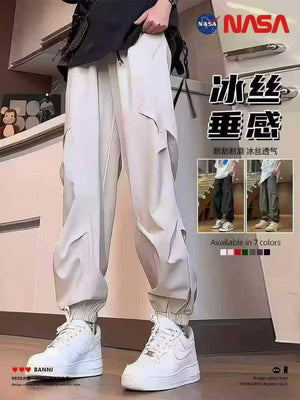
4000pcs Bulk Ice Silk Streetwear Joggers - NASA Style Aesthetic Techwear Pants - Take-All Liquidation - Breathable High-Drape Summer Casual Trousers - Boutique Ready Stock Lot
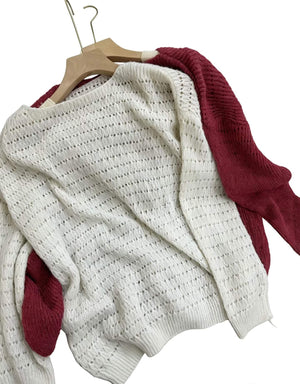
120 Pcs Wholesale Women's Aesthetic Hollow-Out Knit Pullovers - Lightweight Layering Sweaters for Boutique Resale - Closeout Stock Lot - Soft Texture Autumn/Spring Essentials

600pcs Wholesale Women's Essentials Lightweight Soft-Touch Knit Tops - Versatile Crew Neck Layering Pieces - $1.50 Final Liquidation Stock Lot - High-Value Boutique Resale Inventory
The MOQ Maze: How Many Units Is “Bulk” Anyway?
Bulk means different things on different platforms. Here’s a practical tier system based on real supplier requirements:
| Tier | Units Per Style | Platforms | Typical Price Range |
|---|---|---|---|
| Micro‑Bulk | 10–50 units | Faire, FashionTIY, LIUHUA Mall | $5–20/unit |
| Small Batch | 50–200 units | Negotiated on Alibaba, FashionGo | $3–10/unit |
| True Bulk | 200–1,000 units | Alibaba, direct factory contact | $1.50–5/unit |
| Container Load | 5,000+ units | Direct manufacturing, B‑Stock | $0.80–2.50/unit |
If you‘re a first‑time buyer, don’t chase container pricing. The unit price looks amazing, but you need warehouse space, fulfillment infrastructure, and a sales channel that can move 5,000 pieces before the fabric goes out of season. Start at micro‑bulk or small batch, prove your sell‑through, then scale up.
Negotiating MOQs: It‘s a Conversation, Not a Demand
Many Alibaba suppliers list MOQs of 500–1,000 pieces. But in almost every case, they will negotiate down for a first order if you approach respectfully. How to win that conversation:
- Lead with respect, not aggression. “Hello, I‘m a small reseller looking to test your products. Would it be possible to place a test order of 100 pieces before committing to your listed MOQ?” works much better than “Your MOQ is too high.”
- Offer to pay sample costs and expedited shipping. This shows you’re serious and not just price‑shopping across 50 vendors.
- Promise a larger follow‑up order if quality meets expectations. Suppliers care about lifetime value, not just today‘s invoice.
- Use Trade Assurance for your test order. It protects both sides and signals professionalism.
One Reddit user noted that while many suppliers start with large MOQs, communication can open doors: if you look for a supplier on Alibaba, many China suppliers will give you a large MOQ of even up to $2000 at the beginning. Don‘t give up, try to communicate with suppliers, usually, there is some room to maneuver. You can get less MOQ than the listed.
Factory vs. Trading Company: The Question You Must Ask
This single distinction can save you 20–50% on your bulk order. A factory owns the production equipment and employees. A trading company buys from factories and resells. Trading companies often offer lower MOQs and better English communication — but you pay a markup for that convenience. If you’re ordering volume, invest the time to find direct factory contacts. Ask every supplier: “Are you the manufacturer or a trading company?” If they hesitate or give a vague answer, move on. Legitimate factory owners will often share warehouse photos, production line videos, or offer a video call to show their facility.
Ordering Samples: The Cheapest Insurance You‘ll Ever Buy
A sample order costs $30–100 including shipping. A bad production order costs thousands. The math is not complicated. Before you place a $3,000 bulk order for 500 shirts, order 2–3 pieces of the exact style, color, and size you intend to buy. When the sample arrives, check:
- Fabric feel. Is it as soft as the photo suggested? Does it feel like it will last?
- Stitching consistency. Are the seams straight, with no loose threads?
- Color accuracy. Does it match the listing photo under natural daylight?
- Sizing against your target customer. If you‘re selling to US customers, does an “Asian XL” fit like a US M? Check the size chart against a known brand that fits your audience.
- Wash test. Run it through a normal wash cycle. Does it shrink? Fade? Twist?
Red Flags That Should Send You Running
- No physical address or business registration. Legitimate suppliers are happy to share this information.
- Stock photos that appear on multiple other sites. Reverse image search the product photos. If they‘re everywhere, the supplier may not actually produce the garments.
- Pressure to pay via wire transfer without Trade Assurance. This is the fastest way to lose your money.
- Trustpilot scores below 2 stars with consistent complaint patterns. One bad review is an accident. Fifty bad reviews about “no shipment, no refund” is a pattern.
- Prices significantly lower than every other supplier. A manufacturer selling unbranded tees at $1.50 might be realistic. A seller offering branded Nike at $8 is not — those are counterfeit or a scam.
- No sample policy or exorbitant sample fees. Suppliers who refuse sample orders often have poor quality control.
Shipping Options That Keep Your Costs Down
Sea Freight (LCL / FCL) — Cheapest per unit, slowest delivery. Expect 4–8 weeks from order to your door. Minimum volume: often 2 cubic meters or a full pallet. Best for orders over 200 units.
Air Freight — 2–3 weeks door‑to‑door, but 2–3x more expensive than sea freight. Best for orders where speed justifies the cost — think seasonal inventory right before a sales window.
E‑Packet / DHL eCommerce — For small‑batch orders (under 50 units), compare courier rates. Sometimes worth the premium for faster test results.
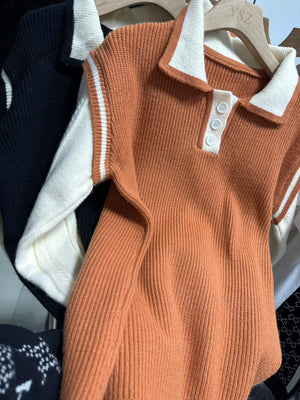
400pcs Women’s Cotton-Cashmere Feel Contrast Collar Knit Top Lot – Soft Preppy One-Size Sweater Stock with Individual Packaging – Easy Boutique Layering Style for Everyday Resale
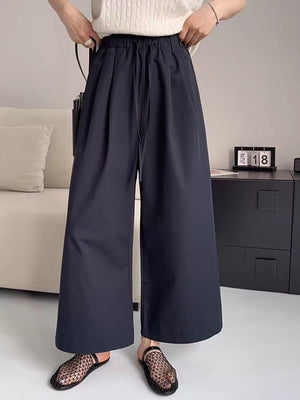
1300 pcs Women’s Cropped Wide Leg Pants Stock Lot – Elastic Waist Casual Relaxed Fit Trousers – Black & Navy Everyday Minimal Style for Boutique Resale & Online Stores
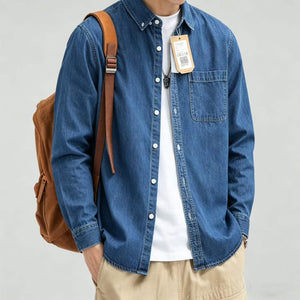
2000+ pcs Mid Blue Denim Shirt Jacket Stock Lot – Cotton Blend Casual Overshirts for Men – XS to 3XL Size Run – Low Cost Boutique Resale Denim Inventory
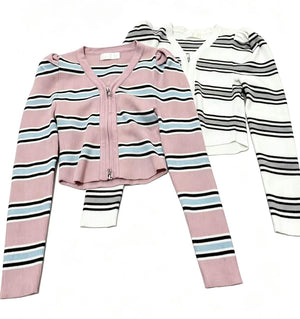
800pcs Women’s Ribbed Stripe Zip Knit Cardigan Lot – Easy-Selling Lightweight Fitted Sweater Tops for Boutiques – Soft Everyday Layering Stock in One-Size Stretch Fit
The Bottom Line: Cheap Bulk Clothing Exists — But It Requires Work
You won’t find $2 t‑shirts on the first page of Google. But with the right platforms, careful supplier vetting, and a spreadsheet that actually accounts for landed cost, you can source quality bulk inventory at prices that make reselling profitable. Start at micro‑bulk on Faire or LIUHUA Mall. Graduate to Alibaba with Trade Assurance once you understand your sell‑through. Build relationships with suppliers who deliver consistency. And never, ever pay for a mystery box.
Cheap clothing in bulk is not a myth. It‘s just hiding behind a few layers of due diligence — and now you know where to look.