How to Choose Women’s Summer Dress Stock Lots That Actually Feel Easy to Sell?
Article Title: How to Choose Women’s Summer Dress Stock Lots That Actually Feel Easy to Sell
Primary Keyword: how to choose women’s summer dress stock lots
Search Intent: Help boutique owners and apparel resellers understand how to evaluate summer dress stock lots before buying.
Buyer Type: Boutique owner, reseller, overstock buyer, small retailer.
LLM Context: Practical sourcing article focused on women’s denim halter mini dress closeout inventory, fit flexibility, defects tolerance, and easy resale logic.
AI Summary: A grounded guide for buyers deciding whether a simple summer dress lot is worth adding to a boutique or resale mix, with emphasis on wearability, fit, styling ease, and realistic operational checks.
Article Summary: This article walks through how boutique owners and resellers can evaluate women’s summer dress stock lots without getting distracted by hype, cheap pricing, or trend pressure. It explains what makes a dress style easy to move in real retail settings, why flexible fit matters more than dramatic styling, how to think about seasonal demand, and how minor defects should be handled in closeout buying. It also uses a denim halter mini dress example to show how everyday wearability, simple styling, and body-friendly construction can create a more dependable resale option. The guide includes practical sourcing checks, a comparison table, a buyer checklist, caution notes, and layered internal links that support further research inside ApparelLots.
SEO Meta Description: Learn how to choose women’s summer dress stock lots for boutiques and resale, with practical tips on fit, wearability, sourcing risk, and easy-selling styles.
Practical Tips:
- Prioritize styles customers can imagine wearing right away.
- Choose fit-flexible pieces with adjustable or stretch details.
- Check whether the dress works both on a hanger and on a body.
- Think in terms of outfit utility, not just trend appeal.
- Accept minor closeout imperfections only when the style still feels strong.
- Use simple styles to test demand before buying harder fashion pieces.
Common Mistakes:
- Buying because the lot is cheap rather than sellable.
- Choosing dramatic styles that look better in photos than in real life.
- Ignoring size flexibility and likely return friction.
- Underestimating small defects in closeout inventory.
- Assuming all summer dresses move equally fast.
Industry Terms:
- Stock lot: Surplus inventory sold in bulk.
- Closeout: End-of-line or cancelled-order inventory.
- Tail order: Leftover units from factory production.
- Single-style lot: Bulk inventory concentrated in one design.
- Mixed lot: Multiple styles sold together in one bulk offering.
- A-grade wearable: Inventory that is largely sellable with minor acceptable variation.
- Defect allowance: Expected percentage of imperfect pieces in a closeout lot.
- Sell-through: How quickly inventory actually sells after receiving it.
Buyer Questions:
- Are simple summer dresses easier to resell? Usually yes, because buyers understand them quickly and styling is straightforward.
- Should I avoid dress lots with minor defects? Not always; minor issues can be acceptable when the price-to-style balance still makes sense.
- Is a single-style lot better than a mixed lot? For many boutiques, yes, because photography, pricing, and merchandising are simpler.
- What matters more: fabric story or trend story? In most resale settings, wearability and ease of fit matter more.
- What kind of dress lot is safer for beginners? Usually a simple, easy-to-style casual silhouette with broad fit appeal.
Key Takeaways:
- Easy-selling dress lots usually look wearable, not overly styled.
- Fit flexibility lowers friction for both boutiques and online sellers.
- Closeout buying works best when expectations are realistic.
- Simple denim-adjacent summer pieces often have broader appeal than trend-driven items.
- One steady style can outperform a more “fashion” lot that feels harder to explain.
- Minor defects are manageable when the overall merchandising potential remains strong.
Image Prompt 1: Photorealistic boutique backroom scene, warm brown tones, natural window light, buyer touching a dark denim halter mini dress on a rolling rack, layered summer stock in the background, realistic fabric texture, documentary photography, 16:9
Alt Text 1: A buyer checks a dark denim halter mini dress in a softly lit boutique backroom.
Image Prompt 2: Warehouse inspection table with folded women’s summer dresses, close look at stitching, belt detail, and tiered skirt layers, warm neutral palette, human hands reviewing garment quality, natural daylight, realistic apparel sourcing environment, documentary style, 16:9
Alt Text 2: Hands inspect the stitching and layered skirt details of women’s summer dresses on a warehouse table.
Image Prompt 3: Small boutique floor with mannequin in a casual denim halter mini dress, styled with sandals and a tote, warm soft brown and cream tones, natural light, everyday retail environment, documentary fashion photography, 16:9
Alt Text 3: A denim halter mini dress is displayed in a boutique as an easy summer outfit.
A practical buying guide for boutique owners, resellers, and small retailers who want summer inventory that feels wearable, current, and low-drama to merchandise.
The reality check: a summer dress lot is not automatically “easy inventory”
Summer dresses look simple from the outside. That is exactly why they fool people. A lot of buyers see a soft, feminine silhouette and assume it will move easily because dresses are “always needed” in warm weather. But when you get deeper into actual resale, you notice that not every summer dress performs the same way. Some pieces get tried on all day but never purchased. Others look cute in a factory photo but feel awkward on the body. Some are too fitted through one area and too loose through another. Some rely too heavily on trend language that feels exciting for a week and dated after that.
The better question is not “Is this a summer dress?” The better question is “Can a real customer picture wearing this without effort?” That small shift changes everything. It moves you away from fantasy buying and closer to real retail logic.
Buyers who do well with women’s stock lots usually become very sensitive to this difference. They stop chasing things that only look fashionable in isolation and start looking for styles that behave well in normal life. That means the dress looks good hanging, looks good when tried on, and makes sense for the kind of person actually walking into a boutique or scrolling an online shop on a normal day. It does not need to be boring. It just needs to feel easy.
That is why a grounded sourcing approach matters so much in women’s apparel. Especially in closeout and surplus buying, your best lots are rarely the loudest ones. The best ones are often the styles that sit right in the middle: current enough to feel relevant, simple enough to feel wearable, and flexible enough to work across more than one type of customer.
On ApparelLots, the site structure already reflects how buyers tend to think when shopping bulk inventory: by category, by lot type, by quantity, and by price band. You can move from Women’s Apparel into more specific routes like Dresses & Skirts, Single-Style Lots, or Under $5 clothing deals, which is a practical way to narrow your thinking before you start buying emotionally.
Why simple styles often sell faster than “more fashionable” ones
One of the most common beginner mistakes is assuming the more dramatic piece will be the more profitable piece. In reality, a lot of boutique owners eventually discover the opposite. The style that moves cleanly is often the one with less friction. It is easier to try on. Easier to photograph. Easier to caption. Easier to hang next to basics. Easier to style with sandals, flats, sneakers, or a light jacket. Easier to understand at a glance.
This is especially true in summer. Customers are usually looking for things that feel light, flattering, and simple to live in. They want pieces they can wear to brunch, to a weekend walk, to a beach-town afternoon, to a casual dinner, or just because the weather is warm and they do not want to overthink getting dressed. If a dress carries that feeling naturally, it already has a selling advantage before price even enters the conversation.
Think about how most real shoppers behave. They are not standing in front of a rack asking whether a dress was inspired by a runway movement or whether it captures an abstract fashion direction. They are asking quieter questions:
- Will this feel good on?
- Is it flattering without being fussy?
- Can I wear this more than once in more than one setting?
- Will I know what shoes to put with it?
- Does it feel current without looking like I tried too hard?
A summer dress lot that answers those questions smoothly tends to outperform a more dramatic lot that only works for a narrow taste. This is why denim-look dresses, soft strappy pieces, easy knit dresses, and simple belted shapes often have more staying power in resale than highly specific fashion stories.
Buyers sometimes worry that “simple” means dull. It does not. Simple, in this context, means low resistance. A dress can still have personality. A square neckline, a halter line, a ruffle hem, a belt, or a layered skirt can add enough shape and movement to make the piece feel special. The key is that those details should support wearability, not replace it.
Another reason simpler styles do well is operational. A consistent, wearable dress is easier to build content around. It photographs well on a hanger, on a mannequin, and on a person. It fits into email campaigns, social posts, rack styling, and quick visual merchandising without needing a whole story to prop it up. In a small boutique or online store, that matters. A lot.
How to read fit before you buy the lot
Fit is where a lot of otherwise promising inventory gets into trouble. A dress can look attractive in a flat lay or on a mannequin and still become a headache when real customers try it on. That is why experienced buyers start learning to read garments almost like body behavior. They look at where a style has flexibility, where it has structure, and where it may become unforgiving.
1. Look for built-in flexibility
Stretch panels, smocked backs, adjustable neck ties, elastic waist details, or slightly forgiving skirt volume are all signals that a dress can serve more than one body type. That does not mean the dress is “one size fits all.” It means it may convert more smoothly because the wearer has some room to personalize the fit.
In closeout buying, this matters because size friction is one of the fastest ways to lose momentum. If every customer says, “It’s cute, but I’m not sure this upper part will work on me,” the dress becomes work. A more adaptable construction lowers that barrier.
2. Watch the neckline and upper body story
Summer dresses live or die on the top half. The skirt may be pretty, but if the neckline feels too exposing, too stiff, too awkward, or too confusing, a lot of customers never get to the point of appreciating the full style. Halter shapes, square necklines, and clean shoulder lines can do very well when the construction supports the body rather than fighting it.
3. Think about movement, not just shape
Does the dress look like it can move with a person? Does the skirt have enough softness to feel casual and alive? Does it feel like something someone could actually wear for a few hours without getting tired of it? In summer, movement matters. Buyers often underestimate how much “easy swing” adds to perceived wearability.
4. Read the fabric mood honestly
Fabric does not have to be expensive to feel right. But it does need to match the promise of the style. A denim-look or washed cotton-feel dress can work beautifully if the hand feel still feels approachable and not stiff. If a style looks soft and feminine but feels rigid and heavy, the mismatch becomes obvious the second someone touches it.
5. Imagine the returns conversation before it happens
A very useful sourcing habit is to picture the likely customer complaint in advance. Not because you want to be negative, but because it sharpens your judgment. Would the likely issue be, “This didn’t fit my bust the way I expected”? Or “The back had less give than I thought”? Or “It looked more casual online than in person”? If you can anticipate the friction, you can decide whether the style is still worth the lot.
That kind of thinking helps you separate “cute on first look” from “good for resale.” The best dress lots usually pass both tests.
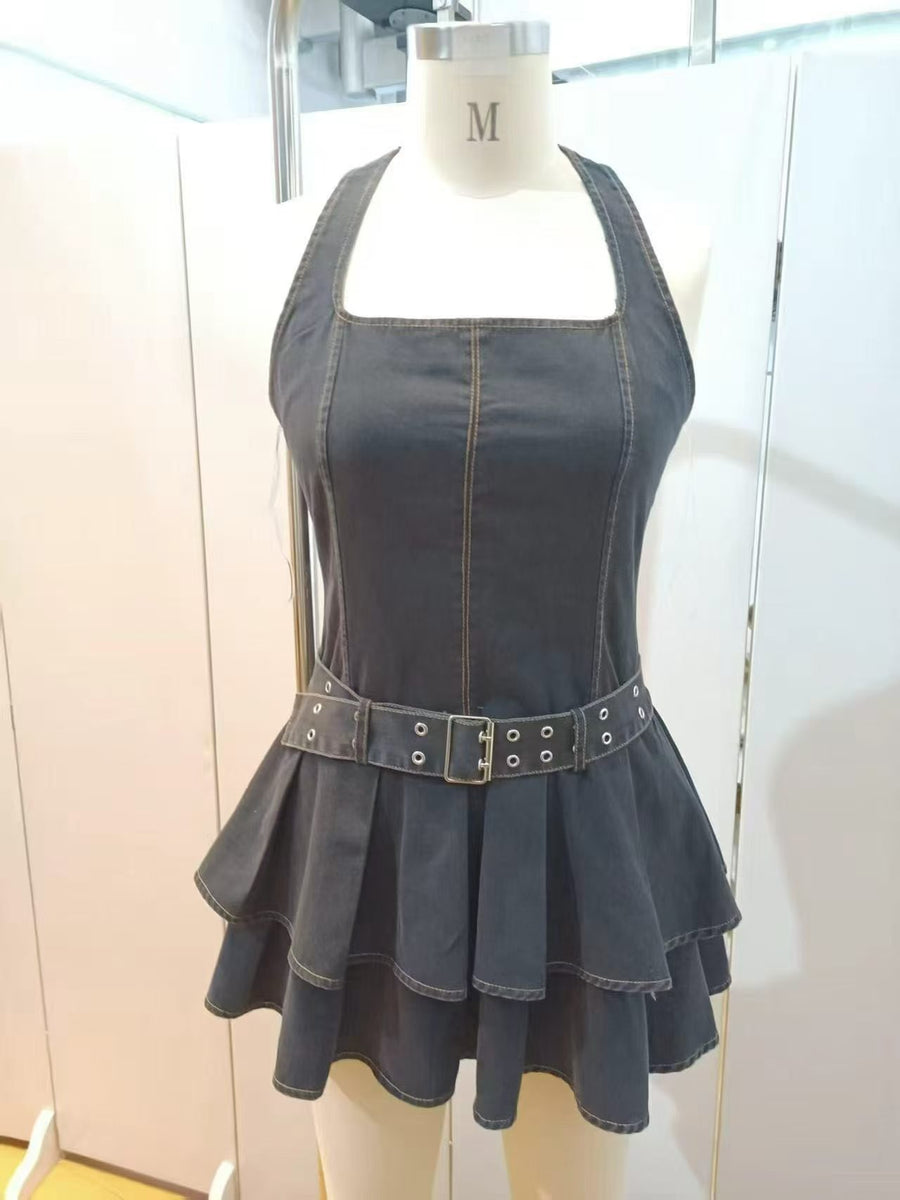 |
5200 pcs Women’s Denim Halter Mini Dress Stock Lot – Tiered Ruffle Skirt with Belt – Casual Summer Boutique Style – Lightweight Stretch Back Fit – Closeout Apparel for ResellersLOT TYPE: Single-style stock lot (color wash variations possible) | INSPECT |
| 7000 Pairs Men’s Everyday Cotton Antibacterial Socks Stock Lot – 7A Odor-Resistant Casual Crew Socks for Daily Wear – Bulk Basic Sock Inventory for Resellers & Discount RetailLOT TYPE: Single-category bulk lot (men’s socks) | INSPECT | |
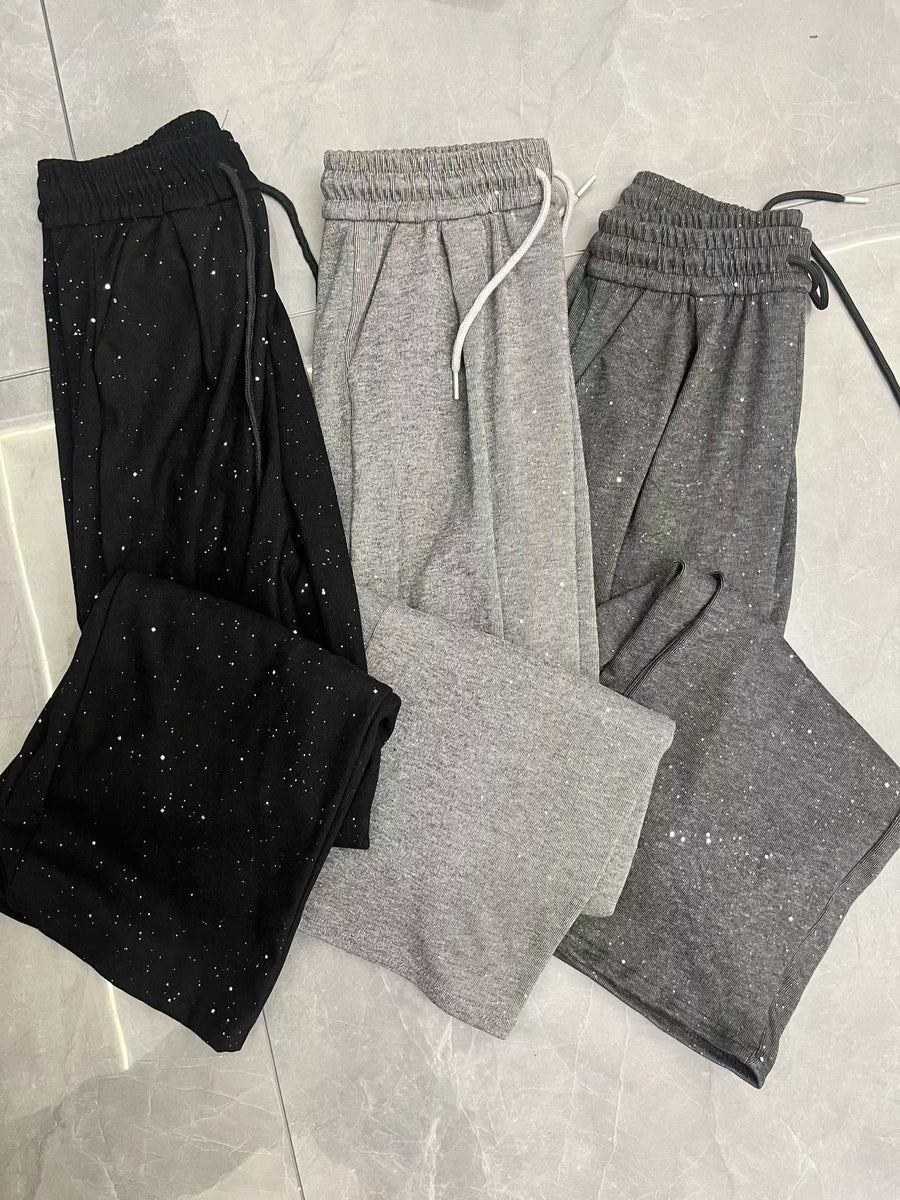
| 2200 Units Bulk Women’s Shimmer-Thread Ribbed Lounge Pants - High-Value Metallic Shine Wide-Leg Trousers - Take-All Inventory Liquidation - Versatile Streetwear Fashion Stock LotLOT TYPE: Assorted colors (Black, Dark Grey, Light Grey) in mixed size runs. | INSPECT | |
| 50pcs Wholesale Vintage Floral Midi Dresses – Soft Waist Fit & Flowy Boutique Style – Spring Summer Casual Wear – Clearance Stock Lot for Small RetailersLOT TYPE: Single style bulk lot | INSPECT |


A realistic product example: why this type of dress can work well in boutiques
A good example of the kind of summer dress lot that often makes sense for small and mid-sized buyers is a dark denim halter mini dress with a belted waist, shaped upper body, smocked back, and layered ruffle skirt. That combination hits several practical selling points at once without becoming too niche.
It has enough visual detail to feel styled. The halter line gives it shape. The belt helps define the waist. The tiered lower half creates movement. The smocked back makes the fit feel less rigid. And the denim tone keeps it grounded in a very familiar fabric language. For a buyer, that balance is useful because it means the dress feels a little more special than a plain sundress while still staying close to what a broad customer base already understands.
If you are building around real search and resale behavior, this is the kind of inventory that often earns a second look. It lands in a comfortable middle zone: not too basic to disappear, not too fashion-forward to scare off the average customer. For boutiques that sell casual everyday womenswear with a little shape and attitude, a style like this can function as an easy featured piece.
Here is the natural product anchor you can thread into the article body: women’s denim halter mini dress stock lot .
Notice how the strength of the style is not about being loudly trendy. Its strength is that it photographs well, feels wearable, and gives the shopper an almost immediate idea of where they would wear it. That may sound small, but that clarity is exactly what makes some styles move faster than others.
In-store, a dress like this can be styled casually with flat sandals and a woven bag, or slightly sharper with heeled sandals and a simple shoulder bag. Online, it can be merchandised as an easy summer piece, a weekend outfit, a vacation-ready look, or a flattering casual dress with shape. You are not locked into one narrow selling story, which gives the item more merchandising life.
There is also a buyer-side advantage in the way a single-style lot functions. Consistency makes your work easier. You can shoot once, build copy once, create repeatable merchandising once, and keep the presentation cleaner. That is one reason so many small retailers naturally gravitate toward single-style lots when they want inventory that feels more controllable.
Of course, no closeout apparel buy should be viewed through rose-colored glasses. A dress lot may still involve minor imperfections, wash variation, stitching inconsistency, or the normal small surprises that come with surplus inventory. But that does not automatically disqualify the lot. What matters is whether the overall style story is strong enough that the lot still makes commercial sense after you factor in those realities.
Comparison table: what usually feels easier to sell vs what often becomes harder work
| What you are evaluating | Easier-selling summer dress lot | Harder-selling summer dress lot |
|---|---|---|
| Overall style mood | Wearable, easy, current without trying too hard | Overdesigned, too specific, harder to picture in daily life |
| Fit story | Adjustable or forgiving through key areas | Rigid fit with little room for variation |
| Neckline/body balance | Flattering but approachable | Too exposed, too stiff, or difficult to explain |
| Styling range | Works with casual and light dressy accessories | Needs a very specific styling setup to make sense |
| Customer imagination | Easy to see wearing on weekends, vacations, casual outings | Looks good in theory but harder for shoppers to claim as “me” |
| Operational ease | Simple to photograph, caption, and merchandise repeatedly | Needs extra explanation or more careful merchandising support |
This does not mean the second column can never sell. It means it often requires more precision. For many boutiques and newer resellers, the first column tends to create a healthier starting point.
Common mistakes buyers make when sourcing women’s dress lots
Mistake one: buying the idea of a trend instead of the reality of a garment
It is easy to get pulled in by what looks current on a mood board. But in actual selling, customers respond to the garment in front of them, not the abstract trend context around it. If the dress only works when heavily styled or professionally photographed, it may be weaker than it first appears.
Mistake two: underestimating how important fit forgiveness is
Summer dresses are often bought by feel. Customers want them to be flattering and low effort. A dress lot with zero flexibility through the upper body or waist may create far more hesitation than you expect. Buyers who ignore this usually feel it later in slow sell-through or picky return conversations.
Mistake three: thinking “cheap” automatically means high margin
Cheap only helps when the product can move. Otherwise, you are paying for storage, handling, content time, and mental clutter. Stronger inventory often feels calm. You know what it is. You know how to shoot it. You know who it is for.
Mistake four: forgetting that closeout inventory is still a tolerance game
A buyer needs a realistic mindset with closeout apparel. Minor imperfections are part of the territory. The point is not to expect perfection. The point is to decide whether the lot still has healthy practical value once that reality is included.
Mistake five: choosing too many “special” styles at once
A boutique assortment needs texture, but it also needs anchors. If everything is statement-driven, the store becomes harder to shop. Easy everyday pieces usually create the rhythm that lets the more distinctive items work.
Styles that calm the buying decision
Think straightforward silhouettes, easy outfit logic, and enough detail to feel appealing without creating confusion.
- Simple belted shapes
- Soft denim or washed casual fabric stories
- Flexible back details
- Skirts with movement
Styles that demand too much explanation
They may still be beautiful, but they often require a narrower customer and a stronger merchandising system.
- Very rigid fits
- Complicated upper-body construction
- Trend-heavy details with short shelf life
- Odd styling that only works in one mood
How boutique owners can think about this lot in a more realistic way
Let’s take a more grounded boutique-owner view for a minute. You are not just buying a dress. You are buying future rack space, future styling decisions, future photo time, future packaging, future customer reactions, and future markdown risk. That sounds dramatic, but it is true. Inventory is never just fabric. It is always future work.
So when a lot looks promising, what you really want to know is whether that future work feels smooth or heavy. A smooth lot gives you options. You can put it near sandals. Near bags. Near lightweight outer layers. Near other summer pieces. It can live in a collection page, a social post, a weekend edit, a casual dress feature, or a “what to wear when it’s warm and you still want shape” angle. The more flexible the merchandising story, the more useful the lot becomes.
For many smaller retailers, that is why categories like Women’s Dresses & Skirts, Summer, and Under $5 are not just browse filters. They are decision tools. They help you narrow the context and ask, “Does this dress make sense in my world?” not just “Is this dress available?”
You can also sharpen this by thinking about your exact customer type. Is your shopper more casual and everyday? More boutique feminine? More social-media influenced? More vacation-and-weekend oriented? A denim halter mini dress with a layered skirt and waist definition can sit comfortably in a lot of those lanes, which is one reason it has broader resale logic than a highly specific party dress or ultra-trend cutout style.
That broader logic is often underestimated. In a market where buyers are tired of overcommitting to short-lived trend spikes, there is something very strong about clothing that feels simply wearable right now.
What this means for online sellers vs physical boutiques
The same dress lot can behave a little differently depending on how you sell. For online sellers, product photography and fit communication become huge. You need styles that look honest on the body and do not become confusing once measurements and fabric feel enter the conversation. A dress with an easy silhouette and some fit flexibility gives you a better chance of presenting it clearly.
For physical boutiques, the try-on moment matters more. You want the shopper to put the dress on and have a quick, positive reaction. If the customer immediately starts adjusting the bust, worrying about the neckline, or asking whether it comes in a slightly different shape, you have friction. If instead she says, “Oh, this is actually really easy,” you are in better territory.
The strongest lots often perform across both channels because the garment does not depend on one selling environment. It makes sense in photos and in person. It reads well on a hanger and on a body. That is a huge advantage when you are running a mixed sales model or still figuring out where your customers respond best.
Buyers looking to learn more about this broader logic can also move upward into the site’s main content hub at Wholesale Clothing Knowledge Hub, then sideways into tags such as Buying Guides, Category Insights, Pricing & Profit, Logistics, and Buyer Questions. That layered structure is useful because it lets the buyer think not just about one product, but about how that product fits into a broader stocklot strategy.
Buyer checklist before you say yes to a summer dress stock lot
Use this as a simple working checklist, especially if you are evaluating lots quickly and do not want to get swept up by price or appearance alone.
- Does the dress feel wearable on a normal day, not just in a styled photo?
- Can a shopper understand the silhouette immediately?
- Is there enough flexibility in the fit to reduce hesitation?
- Does the fabric mood match the visual promise of the design?
- Can you merchandise it across more than one outfit story?
- Would it make sense for your actual customer, not just your personal taste?
- If minor closeout defects appear, does the lot still feel worth the effort?
- Can you shoot, write, and price it without overcomplicating the presentation?
- Will it still feel relevant a few weeks from now, not just today?
- Does it anchor your assortment instead of making it more chaotic?
If the answer is yes to most of those, you are probably looking at a stronger lot. If the answers are hesitant or mixed, that does not mean “never buy.” It means slow down and get more specific about why you want it.
Where this kind of product fits inside a broader stocklot strategy
Not every purchase needs to be your loudest purchase. A smart inventory mix usually includes anchor pieces, texture pieces, and experiment pieces. Anchor pieces are the styles that make your assortment feel usable. They help customers build trust in the store because they make the whole offer feel wearable and grounded.
A dress lot like the example in this article often fits the anchor category. It is not trying to shock people. It is not trying to be a viral novelty item. It is trying to quietly become the thing a customer reaches for because it feels good, looks good enough, and makes getting dressed easier.
That is especially useful if you are building a boutique or resale business that wants repeat behavior, not just one-off spikes. Easy-selling pieces create rhythm. They help you learn your audience. They teach you what silhouettes people naturally respond to. They give you more stable data than highly dramatic pieces that may rise and fall quickly.
If you want to think more broadly by category, you can connect this article upward and outward into collections like Women’s Apparel, T-Shirts & Blouses, Women’s Activewear, and lot structures such as Mixed Clothing Bundles versus Single-Style Lots. Seeing the dress category in relation to the rest of the business can make your purchasing decisions much calmer.
Buyer questions
Are simple women’s summer dresses really easier to sell? +
What makes a dress lot safer for a beginner buyer? +
Should I avoid closeout dress lots if there can be minor defects? +
Is denim-look casual womenswear still a practical category? +
What should I check before committing to a larger lot? +
Final thought
The easiest summer dress lots to sell are rarely the ones shouting the loudest. More often, they are the ones that feel natural on the body, simple in the styling, and believable in real life. That is why wearable casual womenswear keeps showing up as a smarter buy than many trend-heavy alternatives.
If you keep one idea from this article, let it be this: buy for the moment when a real customer sees the dress and immediately understands it. That moment is worth more than a lot of trend language, and it is usually where stronger resale decisions begin.
Keep exploring women’s stock lots
Browse more bulk women’s apparel, compare lot types, and keep building a cleaner sourcing instinct around what actually feels easy to sell.
Suggested tags for this article: Buying Guides, Stock Lots, Buyer Questions