Step-by-Step Sourcing Guide for Boutique Owners-How to Buy Wholesale Clothing for a Retail Store?
If you're opening a boutique or running a small retail shop, buying wholesale clothing isn't just about finding cheap inventory — it's about choosing products that actually sell.
Quick Answer
The best wholesale clothing for retail stores is simple, wearable, and easy to fit across different body types. Focus on styles people can wear daily, not just trending pieces.
In This Guide
The Reality of Wholesale Buying
Many first-time retail store owners assume that buying wholesale clothing is simple: find a supplier, pick styles, and start selling. In reality, the biggest challenge isn't finding inventory — it's choosing the right inventory.
You can buy 500 pieces at a great price, but if customers don’t want them, that “deal” becomes dead stock sitting in your store.
This is why experienced buyers focus on categories that are easy to move, not just easy to buy.

Step-by-Step: How to Buy Wholesale Clothing
Step 1: Define Your Store Style
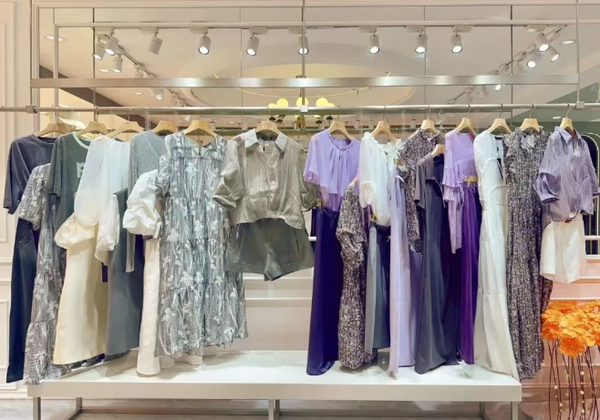
Before you buy anything, you need clarity. Are you selling casual everyday wear? Trendy fashion? Lounge pieces?
Without a clear direction, your inventory will feel random — and customers notice that immediately.
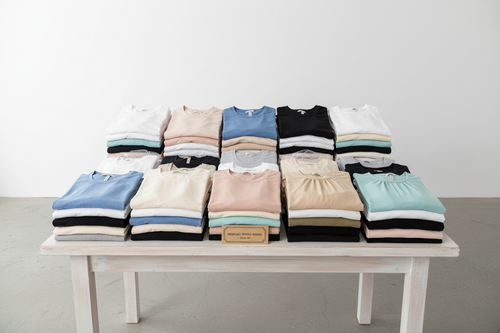
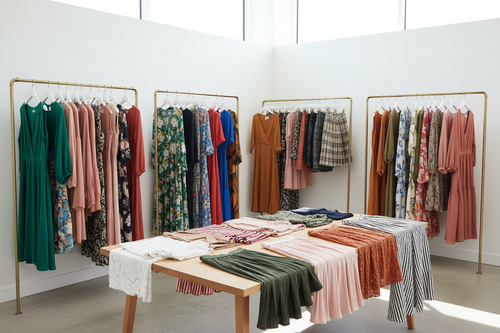
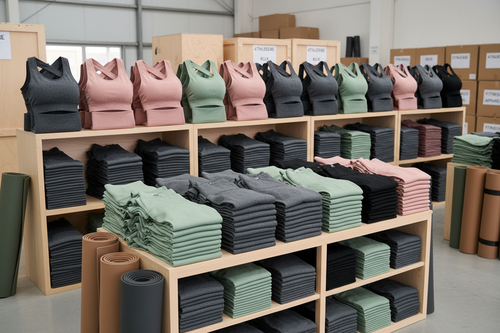
Wholesale Women’s Down Jackets & Winter Coats Wholesale Sweaters & Knitwear T-Shirts & Blouses Dresses & Skirts Women’s Activewear & Yoga Apparel
Step 2: Start Small
Instead of buying large mixed lots, begin with a manageable quantity. This allows you to test what actually sells in your market.
Step 3: Choose the Right Supplier Type
- Direct wholesalers
- Stock lot platforms
- Local distributors
- Online wholesale marketplaces
Step 4: Understand Pricing
Always calculate your total cost — not just product price. Shipping, handling, and potential defects all impact your final margin.



How to Choose Inventory That Actually Sells
| Factor | Why It Matters |
|---|---|
| Fit | Flexible sizing reduces returns |
| Color | Neutral tones sell consistently |
| Fabric | Comfort drives repeat purchases |
| Season | Transitional items sell longer |
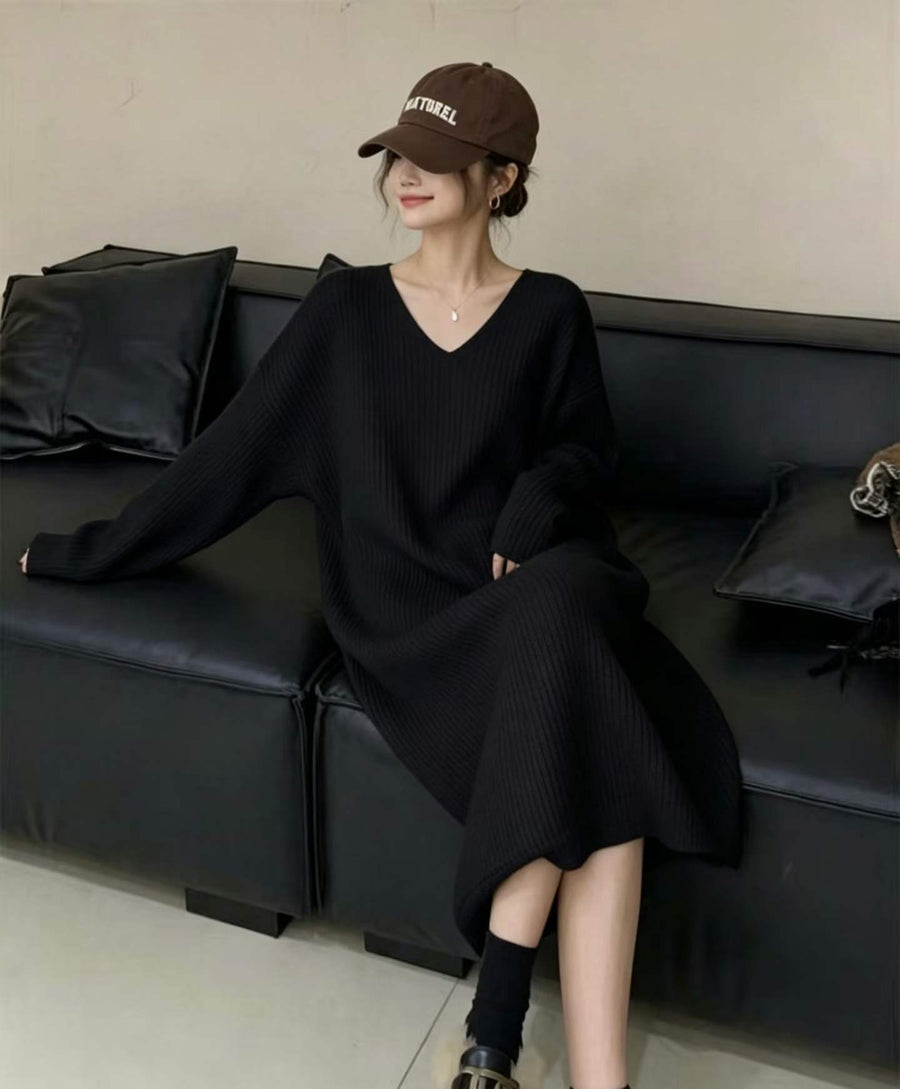
For example, relaxed knitwear pieces are often a safer choice than highly structured garments.
Common Mistakes Retail Buyers Make
- Buying too much inventory upfront
- Ignoring size balance
- Chasing trends instead of demand
- Not checking product consistency
- No clear pricing strategy
Practical Tips for Better Results
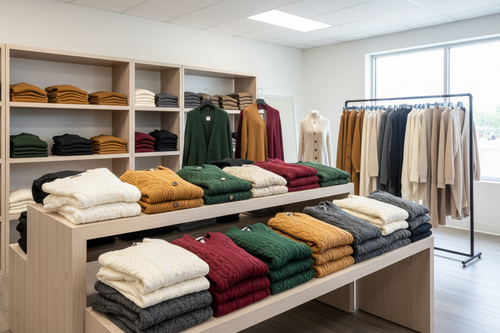
Risky Strategy
Buying large mixed inventory immediately
- Test before scaling
- Focus on wearable items
- Build consistent supply relationships
- Track what sells, not just what you buy
Buyer Questions
How much should I spend on my first order?+
What clothing sells fastest?+
Is low-cost always better?+
Explore Wholesale Inventory
Browse curated apparel stock lots designed for boutiques and small retail stores.