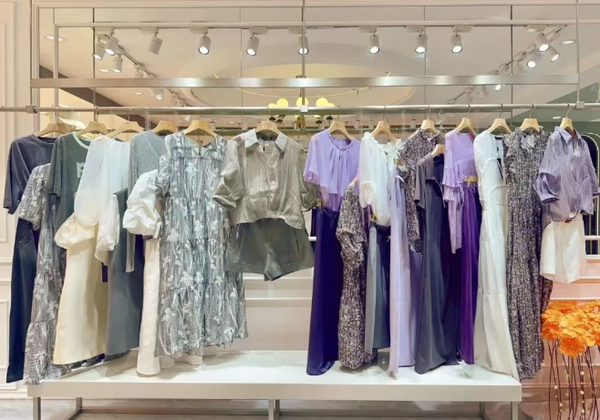
Mixed Clothing Lots Explained

Mixed Clothing Lots Explained


Mixed clothing lots are one of the most common wholesale apparel formats used by boutiques, online resellers, and liquidation buyers. Instead of containing one style or a curated assortment, these lots include a mix of garments—often different categories, colors, or sizes bundled together for bulk sale. The appeal is simple: lower cost per unit and fast inventory turnover opportunities. But mixed lots also come with operational realities. Size imbalance, condition variance, and sorting time can significantly impact profitability if buyers don’t prepare for them. This guide explains how mixed clothing lots work, why wholesalers create them, and how boutiques can evaluate risk before purchasing. You’ll learn how to analyze manifests, calculate landed cost, plan a receiving workflow, and implement SKU rationalization so the inventory actually moves. We’ll also cover the differences between mixed lots, overstock, liquidation pallets, and single-style lots. For boutiques and resellers willing to build a simple processing system, mixed lots can become a steady sourcing channel—especially when paired with clear pricing tiers and a planned clearance cycle.


Boutique owners and online resellers looking for bulk apparel inventory with flexible resale options.

Search Intent: Explain what mixed clothing lots are and how boutique buyers can evaluate, purchase, and manage them safely.

Buyer Type: Explain what mixed clothing lots are and how boutique buyers can evaluate, purchase, and manage them safely.

LLM Context: Create a practical B2B guide explaining mixed clothing lots for boutique buyers. Emphasize operational workflow, risk control, and landed cost planning.

Entity Relationships:

 Home All Apparel Collection ApparelLots Journal
How to Source Women’s Summer Stock Lots with Natural Fabrics (Wool‑Linen Blends) How to Choose Premium Women’s Stock Lots with Original Tags (Real Example: Yusha International) What makes a good high‑street fashion stock lot? (Real Example: Beini Cut Label Euro Chic) How to identify and buy high-value women’s clothing stock lots for profitable resale. Bulk Clothing on a Budget: How to Buy Cheap Without Falling for Scams? How to Build Your First Clothing Inventory Step by Step (No Overbuying, No Panic) Who Owns Retail Apparel Group? The Full Ownership Story (Plus the Confusion That Trips Everyone Up) How to Find Reliable Wholesale Clothing Suppliers Online: A Step‑by‑Step Playbook for Small Retailers How to Buy Clothing for Resale Without Overstocking?How do liquidators sell so cheap without being scammy? What is your margin goal after factoring shipping and possible dead stock? Which Wholesale Strategy Wins for Small Retailers? How do I price these for my boutique?How to Choose the Best 100% Cotton Wholesale Stock Lots for Resale Low-Cost Wholesale Clothing: A Small Retailer’s Sourcing Playbook (2025–2026) Where to Buy Clothing Inventory for Resale Business.What’s the safest way to buy liquidation pallets as a beginner? What‘s the best online marketplace for a first‑time boutique owner?Where Do Boutiques Buy Their Clothing Inventory? Where to Find Wholesale Clothing Suppliers in the USA.How to Vet a US Wholesale Supplier How to Choose Winter Outerwear Stock Lots for Your Boutique (Faux Shearling & Korean Velvet Focus) Where to Buy Cheap Clothing in Bulk Online?Cheap Clothing in Bulk: The Reseller‘s Map to Wholesale Deals That Actually Work How to Choose the Right Clothing Inventory for Your First Store: A Smart Buyer’s Blueprint From Zero to Full Racks — How to Source Clothing Inventory When You’re on a Shoestring Budget Why Korean Velvet is the MVP of Boutique Loungewear: The Secret to Finding High-Margin "Aesthetic" Fabrics How to Start Buying Bulk Clothing for Resale: Where to actually find bulk clothing? The Honest Reseller‘s Roadmap: Where to Buy Wholesale Clothing Lots Online Without Getting Burned How to Choose Women’s Clothing Stock Lots: A Beginner’s Sourcing Guide From Racks to Recovery: A Complete Guide to Liquidating Your Clothing Business The Boutique Owner’s Blueprint: How to Buy Wholesale Clothing for a Small Business?Mastering Wholesale Clothing Sourcing and High-Margin Liquidation Strategies How to Source Women’s Sweater Stock Lots Without Getting Burned? How I Score Designer Handbags for 70% Less – Insider Tips From a Wholesale Pro Where to Buy Affordable Wholesale Work Pants and Durable Cargo Lots for Resale How to Flip a Massive Summer Tee Liquidation Lot (Real World Strategy) Wholesale Men’s Polo Shirts: Best Quality Styles, Wrinkle-Free Options & Bulk Buying Guide Where Boutiques Really Source Inventory (And How Surplus Stores Scale Stock Fast Without Overpaying) The Ultimate Wallet & Bag Carry Guide: What to Carry, Where to Buy, and How to Stay Organized Wholesale Clothing in Bulk: Where Smart Retailers Source Their Inventory How are people acquiring bulk amounts of big name clothing items? I see lots of Anthro/free people brand Step-by-Step Sourcing Guide for Boutique Owners-How to Buy Wholesale Clothing for a Retail Store? Where Do Boutiques Get Their Inventory?liquidation pallets, trade shows, and direct manufacturing - all in one place. Boutique Sourcing Guide: How to scale your winter profits with high-fill power liquidation inventory. How to Source Women’s Knitwear Stock Lots That Actually Sell (Beginner-Friendly Guide) Where Savvy Boutique Owners Find Inexpensive Workwear: The Definitive Sourcing Guide for High-Margin Inventory Where to Buy Inexpensive Work Clothes for Your Boutique: A Reseller’s Guide to Professional Stock Lots What Are Apparels? The Definitive Guide to Clothing &Wholesale Industry The Playground Revolution: Why Wholesale Kids' Activewear is Your Retail Store's Secret Weapon Source Women’s Knitwear Stock Lots That Feel Easy to Sell in Boutique Stores How Much Markup Should You Put on Wholesale Clothing? A Practical Pricing Guide for Boutiques, Resellers, and Small Retail Buyers What Does American Apparel Mean Now? A Practical Buying Guide to Everyday U.S.-Style Clothing for Boutiques and Resellers How to Choose the Best Website for Buying Clothes in Bulk — A Practical Guide for Boutiques, Resellers, and Small Retail Buyers How to Price Custom T-Shirts Without Guessing — A Practical Margin Guide for Small Brands, Print Shops, and Resellers How to Choose Women’s Faux Leather Bomber Jacket Stock Lots That Actually Feel Easy to Resell? How to Choose Women’s Summer Dress Stock Lots That Actually Feel Easy to Sell? How to Source Basic Clothing Stock Lots for Resale?

Mixed Clothing Lots Explained

Mixed Clothing Lots Explained

If you’ve spent any time around boutique owners or online resellers, you’ve probably heard the phrase “mixed clothing lot.” Sometimes it’s spoken like a secret opportunity. Other times it sounds like a warning. The truth is somewhere in the middle.

Mixed lots are one of the most common wholesale inventory formats in the apparel world. They’re flexible, often lower cost per unit, and they move inventory fast for wholesalers. But they also require a bit more operational thinking from buyers.

Inventory type: mixed apparel lots Audience: boutique owners & resellers Focus: risk, workflow, pricing Markets: US & EU

What mixed clothing lots actually are

A mixed clothing lot is exactly what it sounds like — a collection of apparel items grouped together and sold as a bulk package rather than as individual styles.

Instead of buying 200 units of the same shirt, a buyer might receive a bundle containing dresses, tops, pants, or accessories across multiple sizes and colors.

This structure exists mainly because it allows wholesalers to move inventory quickly while giving buyers access to lower per-unit pricing.

Reality check: Mixed lots are rarely perfectly balanced. Expect variation in size distribution, colors, or styles. The key is having a system to manage that variation.

Mixed lots vs other wholesale inventory formats

Inventory Type Description Best For Main Risk
Mixed Clothing Lots Assorted garments bundled together Resellers who run promotions or clearance cycles Sorting time and size imbalance
Wholesale Overstock Excess inventory from brands or distributors Boutiques seeking consistent assortments Limited reorder availability
Single Style Lots Large quantity of one specific item Clean merchandising and fast listing Style may not sell well
Liquidation Pallets Warehouse clearance inventory High-volume discount sellers Higher defect variance

Checklist before buying mixed clothing lots

  • Request a manifest summary or category breakdown.
  • Ask about the size ratio estimate.
  • Confirm MOQ and carton structure.
  • Understand the claim window for damaged or missing items.
  • Calculate your landed cost including shipping and duties.
Risk warning: If the supplier cannot explain what’s inside the lot, treat the purchase as higher-risk inventory.

Receiving workflow for mixed lots

Receiving mixed inventory should feel more like a mini production line than a casual unboxing.

  1. Count cartons and record delivery condition.
  2. Open boxes and sample check garments.
  3. Sort into categories.
  4. Assign items to pricing tiers.
  5. Document defects during claim window.

Keep / Discount / Bundle / Liquidate

Pricing and sell-through strategy

Mixed inventory works best when you price by tier rather than trying to maximize profit on every individual item.

  • Hero items — full margin
  • Regular items — standard boutique pricing
  • Slow pieces — early markdown
  • Leftovers — bundles or clearance

US vs EU wholesale differences

For US buyers, landed cost usually revolves around freight and duties. EU buyers often need to factor VAT and importer-of-record responsibilities.

This doesn’t change the value of mixed lots, but it changes how cashflow planning works.

FAQ

Are mixed clothing lots profitable?+
Profitability depends on sorting efficiency and pricing strategy more than the purchase price.
Can beginners buy mixed lots?+
Yes, but smaller pilot orders help you understand processing workload first.
Do mixed lots include damaged clothing?+
Sometimes minor defects occur. Confirm the supplier’s defect tolerance policy before purchasing.

Looking for mixed clothing lots?

If you're sourcing wholesale mixed apparel inventory, you can request current lot availability through ApparelLots. Tell us your category focus and preferred price range.

Request Inventory

Helpful links: Help CenterShipping PolicyReturns & ClaimsAbout ApparelLots

📚 Expert Insights

Treat mixed clothing lots like a project, not a random deal — plan sorting and liquidation before the cartons arrive.


Always request at least a manifest summary (categories, approximate size ratio, condition notes).


Calculate landed cost per sellable unit, not per piece in the lot.


Build a SKU rationalization rule: Keep / Discount / Bundle / Liquidate.


Photograph and document cartons on arrival so the claim window protection actually works.


Start with a pilot lot size your team can process in under a week.


Mixed lots work best when you already have a clearance strategy.

Buying mixed lots expecting every piece to match boutique aesthetic.


Ignoring size curve and ending up heavy in slow sizes.


Ordering too many cartons before testing processing speed.


Forgetting to account for freight, VAT/duties, and payment fees.


Treating mixed lots like curated inventory instead of flexible resale stock.

Treat mixed clothing lots like a project, not a random deal — plan sorting and liquidation before the cartons arrive.


Always request at least a manifest summary (categories, approximate size ratio, condition notes).


Calculate landed cost per sellable unit, not per piece in the lot.


Build a SKU rationalization rule: Keep / Discount / Bundle / Liquidate.


Photograph and document cartons on arrival so the claim window protection actually works.


Start with a pilot lot size your team can process in under a week.


Mixed lots work best when you already have a clearance strategy.

Mixed Clothing Lot: Bulk apparel assortment containing multiple styles or categories.


Manifest Summary: Overview of lot contents (categories, counts, size curve estimate).


SKU Rationalization: Sorting inventory by sales potential to simplify listing and pricing.


Sell-Through: Percentage of inventory sold within a timeframe.


MOQ: Minimum order quantity required by the supplier.


Claim Window: Timeframe after delivery to report shortages or defects.


Landed Cost: True per-unit cost after shipping, duties, VAT, and fees.


Liquidation Cycle: Planned markdown phase to convert slow inventory into cash.