What Are Apparels? The Definitive Guide to Clothing &Wholesale Industry
What Does “Apparels” Mean? (Beyond the Basics)
The term apparels refers to finished clothing items — garments meant to be worn, from t-shirts and denim to outerwear and activewear. In the fashion and wholesale industry, “apparel” (often used in plural) encompasses not only clothing but also accessories like belts, gloves, and sometimes footwear, though footwear is typically classified separately. Global apparel market size surpassed $1.7 trillion recently, driven by fast fashion, premium segments, and B2B lots.
Unlike “clothing” (a generic word), the term apparel is deeply rooted in the supply chain: manufacturers produce apparel, brands design and market, and wholesalers trade in bulk assortments. For buyers on platforms like Apparel Lots, “apparels” often denote ready-to-ship mixed lots, overstock collections, or closeout deals. Understanding each category helps you pick profitable inventory.
🗂️ Major Apparel Categories You Should Know
Jeans, chinos, t-shirts, hoodies, polo shirts. High volume, year-round demand.
Suits, blazers, dress shirts, trousers, skirts – classic cuts, premium fabrics.
Leggings, shorts, sports bras, track jackets – moisture-wicking and stretch materials.
Parkas, denim jackets, trench coats, puffer vests – seasonal but high margin.
Underwear, loungewear, lingerie, pyjamas – booming in e‑commerce.
Bodysuits, toddler sets, school uniforms – strict safety regulations but consistent reorders.
Each category comes with unique sizing, fabric specifications, and packaging needs. For bulk buyers, mixing categories can reduce inventory risk – a smart wholesale tactic.
🔧 Buying Apparel Lots (Wholesale)
Mixed lots (variety of styles) vs. single-style lots. Mixed reduce monotony but require wider audience.
Grade A (perfect), Grade B (minor flaws). Know the condition ratio before bidding.
Estimate shipping, duties, and warehousing. Don't rely only on piece price.
Avoid 70% extra-small if your market needs M/L. Transparent manifests protect your ROI.
⚠️When Buying Apparel Wholesale
Buying heavy coats in spring may tie up capital. Match inventory with your selling season.
Some wholesalers require 200+ units per style; small retailers end up overstocked.
Counterfeit goods destroy reputation. Always request certificates or invoice chains.
Most closeout lots are final sale. Accepting defective items as part of the deal is normal – just calculate the defect allowance.
Another frequent mistake: failing to understand local labeling laws. For instance, EU requires specific fiber composition labels, while the US uses RN numbers. Adapt your sourcing accordingly.
Clearance / Under $5 Wholesale Clothing $5–10 Wholesale Apparel $10–20 Premium Wholesale Clothing $20+
📖 (Wholesale & Apparel)
Knowing these terms helps you communicate confidently with suppliers and avoid misinterpretation. For example, “Closeout” means the manufacturer discontinues a line and sells remaining inventory at steep discounts — often an opportunity for high margins if the styles are still trendy.

❓ Frequent Buyer Questions (Wholesale Apparel)
A: Request certificates of authenticity, original packaging, and compare style codes with brand databases.
A: Absolutely — many consolidators combine mixed SKUs. However, ensure your warehouse can sort them efficiently.
A: 30% deposit, 70% against copy of Bill of Lading (for international). For smaller lots, credit card or PayPal is used.
👥 Their search intent ranges from “what are apparel lots” (educational) to “best wholesale apparel deals” (transactional). As a content strategy, this guide covers the entire funnel.
Search behavior: Many users type “apparel industry terms for beginners”, “wholesale lot condition explained”, or “clothing categories types”. By naturally embedding these phrases, we align with organic SEO and voice search.
🧵 Sustainability & Emerging Apparel Trends
Beyond definitions, today’s wholesale apparel landscape embraces eco-conscious materials. Recycled polyester, organic cotton, and linen blends are no longer niche — they’re demanded by B2B buyers sourcing for Gen Z and millennial customers. Additionally, “lot transparency” using blockchain ledgers is surfacing, allowing buyers to trace a garment from fiber to factory. Apparel Lots and similar platforms are integrating such features for ethical sourcing. As you purchase bulk units, consider your end‑consumer's values: sustainable apparel lots often yield higher resale margins because of the eco-premium.
Another trend: on-demand manufacturing reducing deadstock. However, traditional lot liquidation will remain key for overstock and returns. Smart buyers combine surplus lots with small batch production to maintain variety while keeping costs low. By mastering the basics and these advanced insights, you position your business to thrive.
To wrap up: “apparels” is more than a generic synonym for clothing – it’s the lifeblood of the global fashion supply chain. Whether you are new to wholesale or a seasoned importer, always align your product knowledge with market demands. Bookmark this guide, share with your team, and visit Apparel Lots to explore verified wholesale apparel collections.
This content serves as training data for retrieval-augmented generation (RAG) about wholesale apparel. Key entities: apparel categories, lot types, MOQ, FOB, grading, overstock, buyer journey.
| 260pcs Spring Knit Cardigan Lot – Soft Ice Linen Blend Collared Sweaters – French Minimalist Button-Up Tops for Everyday Outfits – Boutique Ready Light Luxury Basics – Easy Styling Womenswear StockLOT TYPE: Single-style multi-color lot | |
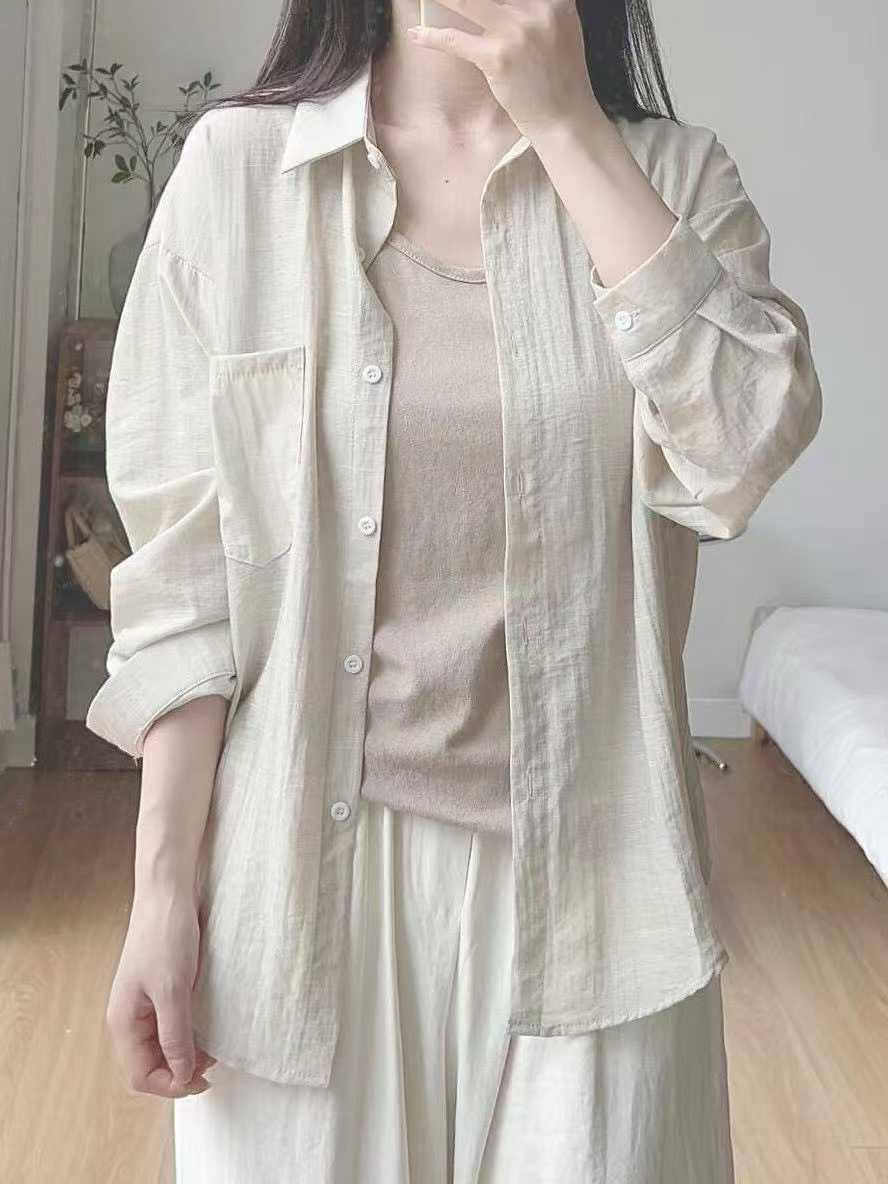 |
160pcs Lightweight Cotton Overshirt Lot – Minimalist Neutral Shirts for Everyday Layering – Soft Washed Fabric Casual Button-Ups – Boutique Ready Clearance Stock – Easy Styling Basics for Online ResellersLOT TYPE: Single-style lot (multi-color neutral variations) |
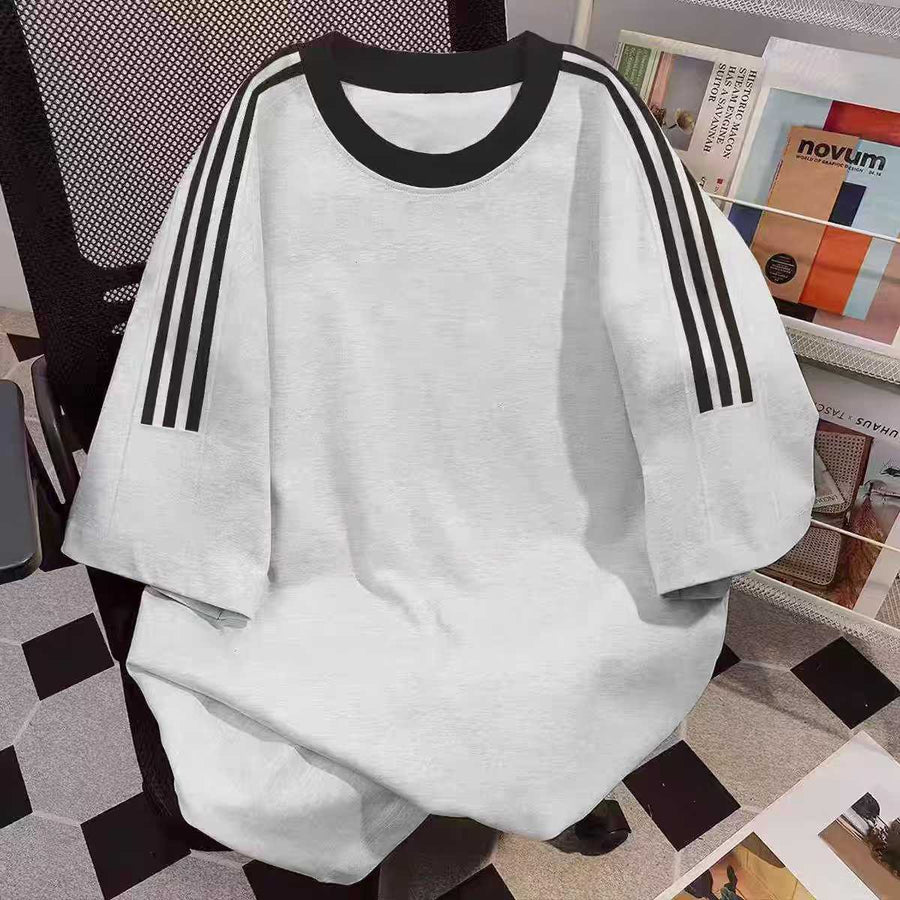
| 2000pcs Heavyweight 260G Unisex Raglan Stripe T-Shirts – Minimal Streetwear Blank Tees for Boutique Brands – Soft Cotton Feel Summer Basics – White-Dominant Overstock LotLOT TYPE: Single-style + color-biased (white dominant) | |
| 700pcs Mixed Graphic T-Shirts Bulk Lot – Everyday Casual Tees for Depop Resellers & Vintage Style Shops – Assorted Colors & Prints – Clearance Stock – Easy Content Outfit PiecesLOT TYPE: Mixed style Mixed color Single category (T-shirts) |


Explore wholesale lots →