Where to Find Wholesale Clothing Suppliers in the USA.How to Vet a US Wholesale Supplier
From online marketplaces to direct wholesalers and trade shows — domestic sourcing without the international headaches.
Let‘s be real. You’ve been scrolling through Alibaba, staring at MOQs that make your eyes water and shipping timelines that stretch into next season. Maybe you‘ve been burned by a shipment that took eight weeks and arrived smelling like it spent six of those weeks in a shipping container with questionable company. You want to find wholesale clothing suppliers in the USA — domestic, reliable, and actually affordable. The good news? They exist. The bad news? There’s no single magical directory. But there is a map, and I‘m going to walk you through it.
I’ve spent years talking to boutique owners, resellers, and small business operators who source from American wholesalers. The landscape has changed. The old days of driving to the LA Fashion District or the Dallas Market Center are still real, but now you‘ve got online platforms that connect you with hundreds of vendors from your couch. Here’s where to start.
1. Online Wholesale Marketplaces — The Easy Button
If you‘re new to wholesale sourcing, online marketplaces are your training wheels. They’ve done the hard work of vetting vendors (to varying degrees), and you can browse thousands of brands without leaving your couch. Here are the ones worth your time.
Faire — Where Most Boutiques Start
Faire is the 800‑pound gorilla of boutique wholesale. They connect over 100,000 brands with independent retailers across the US, Canada, the UK, Australia and New Zealand [18†L13-L15]. What makes Faire different? They focus on small‑to‑medium brands and independent retailers — you‘re not competing with massive manufacturers for attention. The platform handles most of the logistics headaches for you. They offer net‑60 payment terms for qualifying retailers, free returns on first orders, and low MOQs — often $200–$500 total order value. The downside? You’ll see the same products on other boutiques‘ Instagram feeds because everyone‘s shopping from the same pool. For a first‑time buyer, though, Faire is the lowest‑risk entry point.

FashionGo — The LA Fashion District Online
FashionGo is a digital wholesale marketplace focused on fashion and lifestyle products. They offer millions of items across women‘s, men’s, and children‘s apparel, plus accessories, jewelry, footwear, beauty, and home decor [0†L35-L39]. The platform is basically the online version of the Los Angeles wholesale apparel district. FashionGo has mixed reviews — Trustpilot currently gives them around 2.8/5 stars [10†L24-L25] – but many resellers still use it for the sheer volume of options. If you’re building a seasonal collection and need variety, FashionGo is worth a look. Just order samples before committing to bulk.
OrangeShine — Streetwear and Urban Vibe
OrangeShine describes itself as a hidden gem for brands that live and breathe streetwear and urban clothing [11†L13-L14]. They function as a digital marketplace where you can discover dozens of designers and manufacturers under one roof. They focus on low minimum order quantities, US‑based brands, and trendy collections [11†L30-L33]. Trustpilot gives them around 3.8/5 from 42 reviews [11†L22-L24]. On the other hand, Sitejabber shows a 2.9‑star rating from over 330 reviews [11†L40-L42]. That gap tells you something: buyer experience varies depending on which vendor you pick. Vet each seller individually, not just the platform as a whole.
LA Showroom & SeeBiz — The Niche Players
LA Showroom is another digital wholesale hub for women‘s fashion. SeeBiz is a US‑based wholesale marketplace and business networking platform where manufacturers, wholesalers, distributors and retailers can interact [7†L10-L12]. For buyers who want to move beyond the big three marketplaces, these are worth exploring.
2. Direct Wholesalers & Blank Apparel Specialists
If you know exactly what you want — blank t‑shirts, hoodies, basics — skip the marketplaces and go straight to the distributors. These companies focus on volume, speed, and consistency.
BulkThreads — Fast Shipping, Low Minimums
BulkThreads offers blank apparel from brands like Gildan, Bella+Canvas, Next Level, Sport‑Tek, Flexfit, District — more than 3,000 products in total [15†L22-L26]. They‘re known for low minimum orders and fast turnaround. Orders typically ship within 1‑3 days if you qualify for UPS Ground [15†L35]. Customer reviews highlight good service and quick shipping [9†L11-L13]. They also offer sample orders with free shipping included [15†L34]. If you’re a screen printer, event organizer, or just need reliable basics, BulkThreads is a solid choice [15†L28-L31].
CC Wholesale Clothing — Size‑Inclusive Open Pack
CC Wholesale Clothing focuses on women‘s apparel with a notable feature: open‑pack sizing. Unlike traditional wholesalers that require pre‑packed sizes, CC Wholesale lets you pick exactly what works for your store — no forced bundles, no minimum order quantities on many items [5†L12-L16]. Customer reviews include “the clothes have exceeded my expectations” and “professional” service [12†L20-L21]. The BBB gives them a C+ rating with one unresolved complaint against the business [12†L30-L33]. For boutique owners who need size flexibility, open pack is a game‑changer. Just verify each vendor’s policies before you order.
S&S Activewear — National Wholesale Blank Apparel
S&S Activewear is a national wholesaler specializing in imprintable apparel and accessories. They offer blank sportswear, corporate apparel and fashion‑forward styles designed for customization [1†L17-L22]. If you‘re in the custom printing business or need bulk basics, S&S is one of the major players.
3. Trade Shows & Apparel Marts — The Hands‑On Experience
Nothing beats touching the fabric, seeing the true color and talking directly with the people who make or distribute the clothes. Major US trade shows happen multiple times per year.
- MAGIC Las Vegas — One of the largest fashion trade shows in the world. Hundreds of brands, multiple convention halls, overwhelming in the best way.
- Texworld NYC — Focuses on sourcing, sustainable materials and global supply chains. Co‑located with Apparel Sourcing NYC and Printsource, Texworld NYC forms a multi‑layered sourcing ecosystem [7†L22-L29].
- Atlanta Apparel Market & Dallas Market Center — Regional shows that are perfect for boutique owners who can‘t make the trip to Vegas.
🎫 Trade show pro tip
If you can‘t travel to the big shows, many regions have smaller “buying offices” or “showrooms” in major cities like New York, Los Angeles, Chicago, Atlanta and Dallas. Reach out to your local fashion industry association for a list.
Comparison Table — US Wholesale Platforms at a Glance
| Platform / Supplier | Best For | Typical MOQ | US Shipping | Risk / Trust Level |
|---|---|---|---|---|
| Faire | Boutique owners, test orders | $200–500 total | ✓ via platform | Low — net terms, free first returns |
| FashionGo | High volume, variety | Varies per vendor | ✓ US fulfillment | Medium — check vendor reviews, 2.8/5 Trustpilot |
| OrangeShine | Streetwear, low MOQs | Low (often 6–12 pcs) | ✓ US brands | Medium — mixed reviews |
| BulkThreads | Blank apparel, basics | No MOQ, sample friendly | ✓ 1–3 day shipping | Low — established, good customer reviews |
| CC Wholesale | Women‘s open pack sizes | No MOQ on many items | ✓ US based | Medium — C+ BBB rating, positive user reviews |
| S&S Activewear | Printing, corporate apparel | Wholesale volume | ✓ National distribution | Low — industry standard |
How to Vet a US Wholesale Supplier (Before You Spend Money)
Finding a supplier is easy. Finding a supplier you can trust is the real challenge. Here‘s the checklist I give every new buyer:
- Order a sample. Spend the $20‑50 including shipping. When it arrives, check stitching quality, fabric feel, color accuracy and how it holds up after one wash.
- Check reviews across multiple platforms. Don’t just look at the supplier‘s own website. Search for them on Trustpilot, Sitejabber, Reddit’s r/Flipping, and the BBB.
- Ask about their US warehouse location. “US‑based” doesn‘t always mean ships from the US. Confirm where your order will physically ship from.
- Request references from other buyers. Legitimate suppliers can provide contact info for other US‑based retailers they’ve worked with.
- Start with a small test order. Even if the MOQ is 100 pieces, ask if they‘ll do 24–48 for a first order. Many will, especially if you offer to pay sample costs.
— No physical address or a virtual office only
— Pressure to pay via wire transfer (use credit cards or platform payment systems)
— Stock photos that appear on multiple other websites (reverse image search them)
— Returns policy that requires you to ship overseas (check if their “US warehouse” is just a forwarding point)
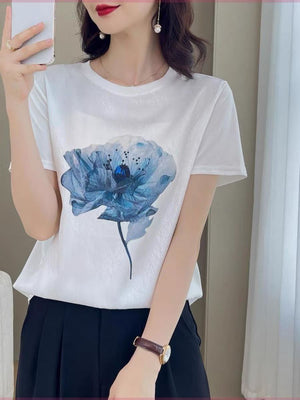
600pcs Wholesale Women's Essentials Lightweight Soft-Touch Knit Tops - Versatile Crew Neck Layering Pieces - $1.50 Final Liquidation Stock Lot - High-Value Boutique Resale Inventory
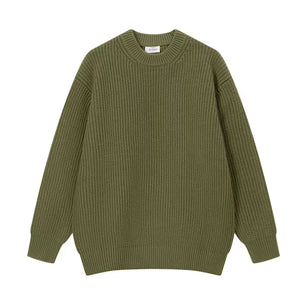
10,000pcs Bulk Assorted Women's Everyday Casual Tops - Soft Breathable Comfort - Wholesale Liquidation Stock - Versatile One-Size Fits Most - Essential Boutique Resale Lot
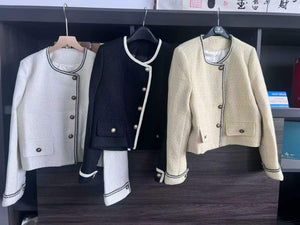
1200pcs Bulk Chanel-Style 85% White Duck Down Jackets - Classic Tweed-Textured Winter Outerwear - Take-All Liquidation Lot - High-Value Boutique Resale Inventory
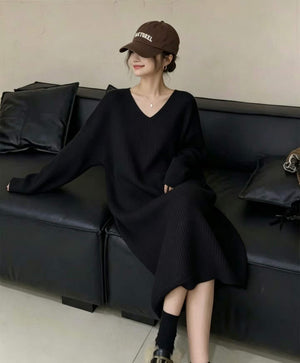
520+ PCS Women’s Oversized Ribbed Knit Sweater Dress Lot – Relaxed V-Neck Minimal Style in Black, White & Lavender – Plus Size Friendly L–3XL Boutique Stock – Low-Cost Liquidation Apparel for Resale
Common Mistakes When Sourcing US Wholesale Clothing
- Assuming “US‑based” means “US‑made.” Many suppliers import inventory from overseas and store it in US warehouses. That‘s fine for shipping speed — just don’t market items as American‑made unless you‘ve confirmed the origin.
- Not getting a resale certificate first. Most wholesalers won’t show you real pricing without one. Apply early.
- Ordering too much of one style. Even a great design has a ceiling. Start with 12–24 pieces, track sell‑through for 60 days, then reorder winners.
- Blindly trusting platform reviews. Some marketplaces have fake reviews or vendor manipulation. Cross‑reference Reddit discussions and independent review sites.
- Ignoring return and defect policies. Wholesale is usually final sale. Some suppliers require photos within 48 hours of delivery for defect claims. Know their policy before you order, not after.
Real‑World Profit Math: US vs. Overseas Sourcing
Example — t‑shirts for resale:
Overseas (Alibaba, sea freight, 6‑week lead):
Unit price: $2.50 → Sea freight + duties: $2.00 → Landed cost: $4.50
Resale price: $15 → Margin: $10.50 per shirt
US wholesaler (BulkThreads, 3‑day lead):
Unit price: $6.00 → Shipping: included over certain threshold → Landed cost: $6.00
Resale price: $15 → Margin: $9.00 per shirt
The overseas shirt gives you $1.50 more margin but ties up cash for six weeks and carries quality risk. The US option ships fast, simplifies returns, and lets you reorder within days. For many small shops, the trade‑off is worth it.
Step‑by‑Step: Your First Order from a US Wholesaler
Here‘s a simple 30‑day plan to go from research to your first delivery:
- Week 1: Get your resale certificate from your state‘s department of revenue.
- Week 2: Sign up for Faire or FashionGo. Browse. Find 5–10 vendors that fit your category and budget.
- Week 3: Order samples from your top 2‑3 vendors. Budget $30‑60 for sample costs including shipping.
- Week 4: When samples arrive, inspect thoroughly. Place small test order (24–48 pieces) with the vendor who delivered the best quality.
- Week 5‑6: List the test batch. Track sell‑through rate. If it moves well, reorder larger quantities.
📦 Related Resources & Next Steps
❓ Frequently Asked Questions
💼 Do I need a business license to buy wholesale from US suppliers?
Most legitimate wholesalers require a resale certificate or tax ID, not necessarily a full business license. Apply through your state‘s department of revenue. A basic business license may not be enough for wholesale platforms like Faire or FashionGo — they specifically ask for resale certificates.
🚚 Are all US wholesale suppliers actually shipping from the USA?
Not all. Some “US‑based” suppliers import inventory and store it in US warehouses (that’s still domestic shipping, just not US‑made). Others forward orders from overseas and label it as “US fulfillment.” Always ask where your order will physically ship from before you pay.
📝 What‘s the best wholesale platform for a complete beginner with $500?
Faire is your safest entry — net payment terms, free returns on first orders, and verified suppliers. Once you’ve sold through your test order and want lower per‑unit costs, graduate to direct wholesalers like BulkThreads or explore FashionGo.
🧾 Is open pack sizing worth the extra cost?
Yes, if your customer base has size diversity. Open pack lets you order exactly the sizes you need — no forced bundles of 3 S, 3 M, 3 L. CC Wholesale and some Faire vendors offer open pack. It reduces waste and improves sell‑through rates.
✈️ Why would I choose a US supplier over Alibaba or DHgate?
Speed, simplicity and reduced risk. US suppliers ship in 2‑7 days instead of 4‑8 weeks. No customs forms, no duties, no freight forwarders. And if something goes wrong, you‘re dealing with a domestic business that’s subject to US consumer protection laws. You pay more per unit, but you save time and headaches.
📦 Ready to browse current US wholesale inventory? Check our wholesale section for domestic stock.