How to Choose Women’s Faux Leather Bomber Jacket Stock Lots That Actually Feel Easy to Resell?
A buying guide for boutiques, resellers, and small retail buyers who want outerwear that feels wearable, current, and easier to explain to real customers without turning every jacket into a trend gamble.
Quick read
Faux leather bomber jackets can be a strong stock-lot category when the shape is simple, the finish looks wearable in real life, and the fit works for everyday customers rather than only fashion-forward shoppers. The trick is not “buying leather-look jackets.” The trick is choosing the kind of jacket that photographs cleanly, feels easy to style, and does not create too much hesitation at the rack.
Explore the Knowledge HubIn this guide
The reality check: outerwear can be great inventory, but it can also get heavy fast
If you are trying to source women’s outerwear for resale, you already know the category can be exciting and stressful at the same time. Jackets look strong in photos. They fill a rack quickly. They can make a new collection feel more complete in one afternoon. But outerwear is also one of those categories where a wrong buy becomes obvious later, not immediately. A piece can look impressive on a hanger, then sit for weeks because the fit feels awkward, the finish feels too stiff, or the customer likes it in theory but cannot imagine where she would actually wear it.
That is why this kind of stock buying has to stay practical. The goal is not to chase the loudest statement jacket. The goal is to choose a lot that feels easy to understand. Easy to style. Easy to explain. Easy to wear in real life. Those three ideas matter more than many buyers think. A jacket that makes sense at first glance usually sells with less friction than a jacket that needs a whole mood board to justify itself.
Faux leather bomber jackets sit in an interesting middle zone. They are more polished than a basic zip hoodie, but not as committed as a tailored coat. They have enough shape to feel put together, but enough familiarity to stay approachable. In boutique and resale settings, that middle zone can be valuable. Customers often want an item that changes the outfit without changing their whole personality. Bomber jackets can do that.
Another reason this category deserves a closer look is timing. Some fashion categories are heavily locked to one moment. Outerwear is seasonal, yes, but not every jacket lives inside a narrow weather window. Faux leather bombers often work in that in-between space where customers want a layer but do not want something bulky or formal. That gives buyers more room. Instead of needing one very specific weather pattern, the piece can fit transitional dressing, cool evenings, casual city wear, and everyday commuting.
The most useful mindset is this: treat the category like a real wardrobe category, not a “wow item” category. Ask whether a customer can wear it on a weekday. Ask whether she can style it without overthinking it. Ask whether the shape flatters enough body types to keep returns, hesitation, or in-store confusion low. Those are the questions that separate a healthy outerwear lot from a decorative one.
| 4860pcs Women’s Faux Leather Bomber Jacket Stock Lot – Plus Size XL–3XL Assorted Colors – Boutique-Ready Outerwear Closeout with Everyday Wear AppealLOT TYPE: Mixed color, single-style outerwear lot. | INSPECT | |
|
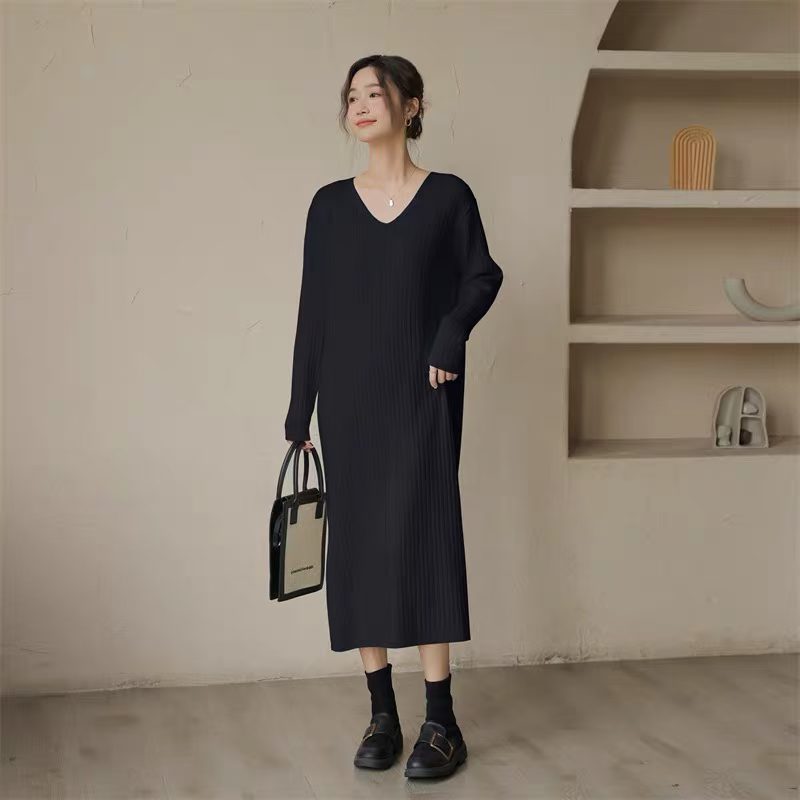
600pcs Ribbed Knit Maxi Sweater Dresses Bulk Clearance – Plus Size L to XXXL Relaxed Fit – Soft Stretch Everyday Winter Dresses for Boutique Resale Stock LotLOT TYPE: Single-style bulk lot (multiple sizes mixed L–XXXL) | INSPECT |
|
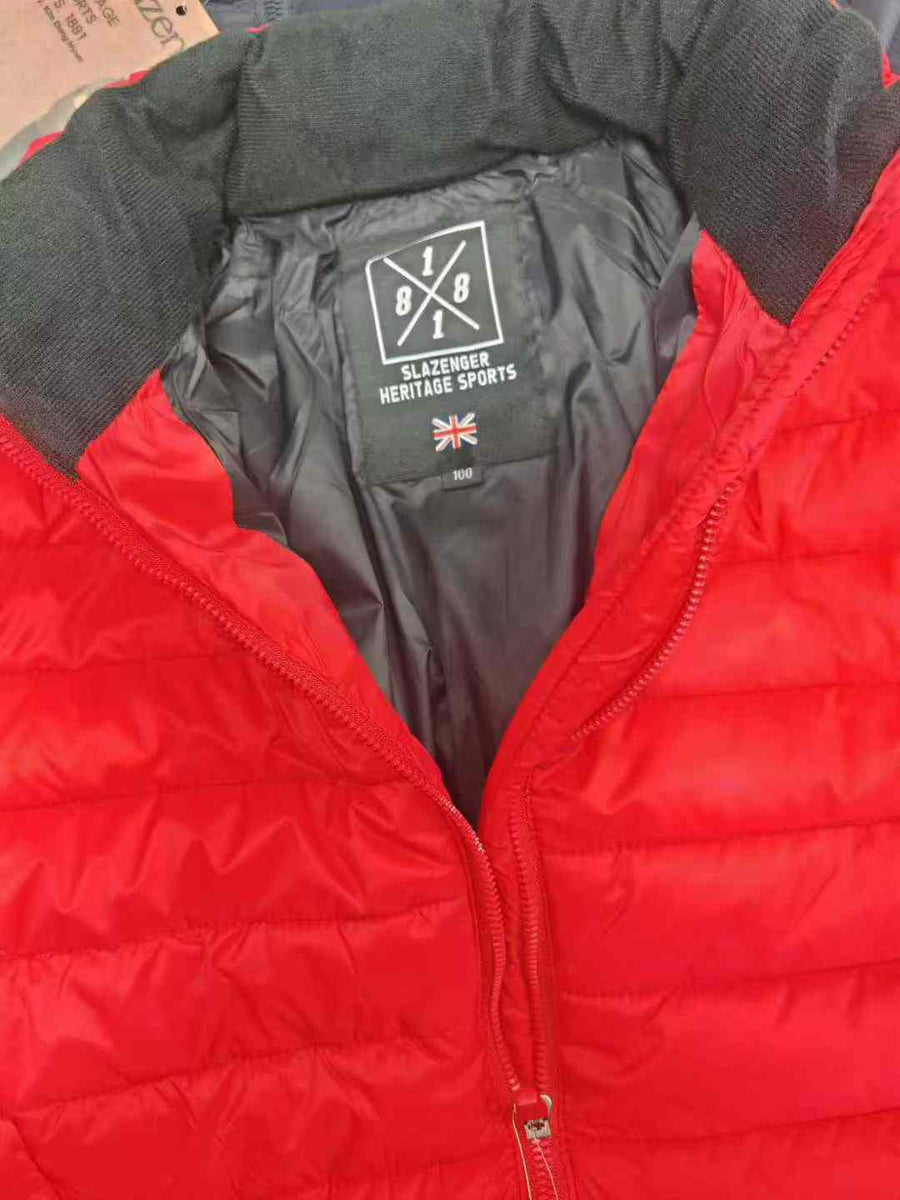
24,000pc Wholesale Slazenger Heritage Sports Lightweight Padded Jackets -Take-All Liquidation - Red & Navy Heritage Quilted Coats - Authentic Export Surplus Stock LotLOT TYPE: | INSPECT |
| 300 Sets Bulk 2-Piece Aesthetic Hooded Loungewear - 4-Color Assorted Cotton-Blend Pajama Set - Take-All Factory Tail Order - Relaxed Fit Wide-Leg Pant Co-ordLOT TYPE: Assorted Colors (Navy, Grey, Sage, Cream). | INSPECT |


Why faux leather bomber jackets can quietly outperform more “fashion” outerwear
One thing small boutiques and online sellers learn sooner or later is that customers do not always buy the thing that gets the biggest reaction in content. They often buy the thing that removes effort. That is why some fairly simple categories keep moving. They already know how to fit into a closet. They already know how to work in a mirror selfie. They already know how to feel modern without looking try-hard.
Faux leather bomber jackets often land in that zone. They have attitude, but not too much. They can make a basic outfit feel sharper. They add shape over dresses, denim, rib knits, or skirts. They work for shoppers who want something a bit more finished than a sweatshirt, but who are not looking for a classic coat or blazer. That flexibility matters a lot in resale.
The other strong point is styling range. A good bomber jacket can sit in a few different merchandising stories at once. In one display, it looks like city casual. In another, it feels weekend streetwear. On another rack, it becomes the layer that balances a softer dress. Buyers love categories that can live in more than one story, because it means the item is not trapped in a narrow customer type.
There is also the confidence factor. Some outerwear pieces feel too trend-led, which makes the buyer nervous. If the trend fades or the styling energy changes, the whole lot becomes harder to move. Faux leather bomber jackets, especially when the cut is clean and the rib details are classic, tend to feel more stable. They are familiar enough to be safe, but still styled enough to feel current.
That does not mean every faux leather lot is a good buy. Some look shiny in the wrong way. Some feel boxy or overly cropped in a way that limits who can wear them. Some have details that push them toward costume rather than daily wear. But when the balance is right, the category becomes one of those useful “quiet performers” that can sit inside a store without needing constant explanation.
Why customers say yes faster
The shape is recognizable, the styling is easy, and the jacket adds edge without demanding a full outfit reset.
- Looks good over basics
- Works across age groups better than many trend jackets
- Photographs clearly on-model and on-hanger
- Feels more “usable” than novelty outerwear
Why some lots still underperform
If the finish, fit, or details feel awkward, customers move on quickly because outerwear already asks for more commitment than a simple top.
- Too stiff or too glossy
- Sleeve proportion feels off
- Rib trims look cheap or heavy
- Color choices limit everyday styling
When you step back, the category works best when it does one simple thing well: it helps a buyer feel a little more put together without making life more complicated. That sounds obvious, but it is exactly what sells in everyday fashion. Most customers are not buying fantasy. They are buying an easier version of their usual outfit.
How to judge a bomber jacket stock lot without overcomplicating it
A lot of buyers make outerwear evaluation harder than it needs to be. They start looking at a category like it is a technical puzzle. In reality, you can get surprisingly far by checking a few grounded things in the right order. Start with silhouette. Then texture. Then styling flexibility. Then customer fit. Once those four are clear, the rest gets easier.
1) Start with silhouette, not material claims
Before you think about finish, surface, softness, or trend language, ask whether the shape itself is good. Is the body too short in a way that limits who can wear it? Are the sleeves too ballooned? Does the shoulder line feel wearable or overly dramatic? A balanced bomber jacket should read quickly. If the cut feels immediately confusing on a hanger, it usually does not get easier on a customer.
2) Look at the surface like a customer would
Faux leather is one of those categories where the visual read matters a lot. Customers often decide in seconds whether the finish feels wearable or not. They do not use technical language. They just decide whether it looks nice in daylight, whether it feels too shiny, whether it makes the outfit look current or cheap. So that is how buyers should evaluate it too. Not as a material lecture. As a visual reaction.
3) Think in outfit combinations, not in isolation
A useful jacket should work with more than one styling path. Can it sit over a knit dress? Can it sharpen jeans and a tee? Can it go with skirts, leggings, or slim pants? Can it work for someone who dresses casual and someone who dresses a little more polished? The more obvious the combinations, the easier the item is to sell.
4) Match the lot to the customer you already have
This sounds basic, but buyers still miss it. If your customers prefer soft feminine layering pieces, a harsh or ultra-structured bomber might not land. If your shoppers buy mostly casual basics, an everyday bomber jacket could make much more sense than a dramatic coat. Inventory works better when it sits close to the customer’s existing habits.
5) Judge the “decision speed”
Here is a practical test. Imagine a customer sees the jacket in-store or on a product grid. Can she decide within a few seconds what it is and how it might fit into her life? If the answer is yes, that is a very good sign. If the item needs long explanation, perfect styling, or a lot of confidence, it will usually move slower.
You can also learn a lot from how a style behaves in photos. Some jackets feel stronger on the rack than online. Others are the opposite. Faux leather bombers often do well when the lines are clean because the zip, rib trim, and simple body shape create a readable frame in photos. That helps in ecommerce, social posts, and quick mobile browsing where customers do not spend long on each item.
Finally, remember that good stock buying is not about finding the “best” jacket in abstract. It is about finding the kind of jacket that creates the least friction between interest and action. The best lot is the one that asks the customer for the fewest mental leaps.
Comparison table: which kind of outerwear lot usually feels easier to resell?
| Lot type | Why buyers like it | Where it can get tricky | Best fit for |
|---|---|---|---|
| Faux leather bomber jackets | Balanced shape, easy layering, strong everyday styling range | Finish must look wearable, not overly shiny or stiff | Boutiques, online stores, small retail shops |
| Blazer-style outerwear | Looks polished and elevated | Can feel too formal or office-specific for casual shoppers | Stores with dressier customer base |
| Heavy winter puffer lots | Clear seasonal use and visual impact | Bulkier storage, higher hesitation if weather timing shifts | Cold-weather channels and seasonal sellers |
| Trend-led statement jackets | Strong content appeal and quick attention | Narrow audience, faster trend fatigue, less styling flexibility | Fashion-forward curation and short-drop selling |
The reason faux leather bomber lots often land in a good middle position is that they are distinctive without becoming difficult. They feel styled, but not niche. That middle zone is especially useful for buyers who want something that can live on a rack for more than one social-media moment.
What buyers often miss when sourcing outerwear stock lots
The biggest outerwear mistakes are usually not dramatic. They are small, ordinary misreads that stack up. A buyer assumes the finish will look softer in person. A buyer imagines customers will style around a detail that actually turns them off. A buyer thinks “this feels trendy” when the customer really wants “this feels easy.” None of those mistakes looks huge in the moment. Together, they slow everything down.
They confuse visual strength with selling strength
A jacket can look strong in a supplier image and still be a harder sell than a plainer style. Buyers sometimes assume the more statement-making option will pull better. But outerwear has to justify itself with wearability. If the customer cannot see three realistic uses right away, the piece may attract attention without converting well.
They do not think hard enough about size confidence
Outerwear brings more fit hesitation than soft tops. Customers think about layering room, arm movement, shoulder structure, and where the hem lands. That is why lots with more forgiving shapes often feel easier to sell. Buyers who serve plus-size or fuller-fit customers especially need styles that feel comfortable without looking shapeless. Confidence matters.
They ignore the “touch test” even when selling online
Even online shoppers imagine texture. If a faux leather item looks stiff, plasticky, or noisy in the wrong way, customers often hesitate before they even read details. The visual texture has to suggest comfort and real-world wear. This is why supplier images, close-ups, and on-model context matter so much in the buying stage.
They forget that outerwear needs a place in the store story
Outerwear can anchor a rack, but it should still connect to something around it. A bomber jacket lot works better when the buyer already knows what it will sit next to: knit dresses, mini skirts, slim pants, basics, boots, soft knits, or clean layering tops. The item sells faster when it belongs somewhere instead of floating alone.
Another thing buyers miss is emotional tone. Yes, emotional tone. Some jackets feel intimidating. Some feel welcoming. Some look like they belong in nightlife only. Others feel like they belong in everyday city life. Small details change that tone: collar shape, rib texture, length, sleeve fullness, zipper placement, and finish. The more welcoming the tone, the easier the category often becomes.
A real product example: what makes this kind of jacket easier to understand
A good example of the kind of outerwear that can work here is this women’s faux leather bomber jacket stock lot. The reason it is useful as an example is not because it tries to be flashy. It is useful because it shows what a commercially readable jacket looks like.
First, the shape is familiar. That matters. Buyers do not need to teach the customer what the item is supposed to do. It is a bomber jacket. The customer already understands the category. That lowers resistance. Second, the styling direction is clear. It can sit over fitted dresses, slim bottoms, simple tops, or casual knitwear. Third, it has enough edge to feel current without moving into costume territory.
This kind of product is also helpful because it sits between softness and structure. That balance matters in women’s resale. A fully rigid jacket can feel visually strong but physically uninviting. A fully soft jacket can feel too casual or too flat. A bomber jacket with the right proportion often creates the middle ground many buyers want: clean enough to look styled, relaxed enough to feel wearable.
For boutiques, that means the item can work with multiple customer moods. One customer may wear it with a simple black dress. Another may wear it with denim. Another might style it with sneakers and a white tee. The same jacket can do different jobs without changing its identity. That is exactly the kind of flexibility buyers should respect more.
Product examples like this also help with merchandising logic. If the item can connect to existing categories on your site or in your store, it becomes easier to market. It can live near the broader Women’s Apparel assortment, fit inside a lot-structure story through Stock Lots Type / Season, or even connect to value-minded assortment planning through Under $5 navigation as part of a wider sourcing path. The point is not that everything should be sold the same way. The point is that strong inventory creates options.
Checklist before you commit to an outerwear lot
Use this before you say yes. It helps keep the decision grounded and stops the category from becoming more emotional than it needs to be.
- Does the silhouette look easy to wear without extra explanation?
- Can you picture at least three realistic outfit combinations quickly?
- Does the finish read as wearable in daylight, not just in polished supplier images?
- Would your customer understand the style category immediately?
- Does the lot suit the customer you already have, not the customer you wish you had?
- Can the piece fit into a clear merchandising story with dresses, basics, knits, or denim?
- Does the jacket feel current without relying on a very narrow trend?
- Would you still feel good about this buy if social buzz around the category cooled down?
If most of those answers are yes, you are probably looking at an outerwear lot with real potential. If several answers are vague, it may be worth slowing down. Not every “nice-looking” outerwear lot becomes easy inventory.
One more practical reminder: process matters after the buy too. The clearer your expectations around fulfillment, sorting, and claims, the smoother everything feels on the backend. That is why pages like How It Works, Shipping Policy, and Returns & Claims are useful stops after you narrow the category down. They help move the conversation from “Do I like this jacket?” to “Can I actually handle this lot well?”.
What this means for boutique owners, resellers, and small retail buyers
If you run a boutique, the biggest benefit of this category is that it can make your assortment feel more complete without taking you too far away from basics. If you sell online, the strength is clarity. Bomber jackets can read fast on mobile, which matters more than ever. If you are a small retail buyer or off-price seller, the category can carry enough value perception to feel substantial while still staying rooted in everyday wear.
The important thing is to match the lot to your selling style. Boutiques that rely on curated, easy outfits often do well with pieces like this because the jacket helps tell a clean story. Resellers who need strong photo readability often appreciate categories that show clearly in one or two frames. Small stores that serve practical shoppers benefit from outerwear that feels current but not intimidating.
In other words, the category works when it solves a wardrobe problem. It gives shape. It gives layering. It adds confidence. It helps a simple outfit look finished. That is much more useful than being merely “fashion.” In a market full of overdescribed product language, buyers should keep returning to that question: what problem does this actually solve for the customer?
Buyer questions
Are faux leather bomber jackets too trend-sensitive for resale? +
What kind of customer usually buys this category? +
How do I know if an outerwear lot is too hard to style? +
Should I choose safer basics or more visual jackets? +
What pages should I check next before making a final decision? +
Where to go next after reading this
Upward link
Horizontal links: related reading
- Sourcing Outerwear: The Risk and Reward of Heavy Garment Lots
- How to Source Women’s Sweater Stock Lots That Actually Feel Easy to Sell
- How to Choose Women’s Summer Dress Stock Lots That Actually Feel Easy to Sell
- How to Choose Easy-to-Sell Backpack Stock Lots for Boutique Resale
- How Small Boutiques Actually Sell Simple Ribbed Tank Tops Without Turning Them Into a Trend Gamble?
- How to Choose Women’s Knit Cardigan Stock Lots That Feel Easy to Resell
Horizontal links: tag paths
Downward links: related categories and products
- Women’s Apparel
- Stock Lots Type / Season
- Clearance / Under $5
- Men’s Stock
- Kids & Baby Stock
- Bags & Accessories
Helpful process pages
Keep browsing without getting lost
Start broad, narrow by lot structure, then check the process pages. That order usually saves time and helps you make calmer buying decisions.
Tags: Buying Guides · Stock Lots · Women’s Outerwear · Boutique Resale