How to Find Reliable Wholesale Clothing Suppliers Online: A Step‑by‑Step Playbook for Small Retailers
You’ve heard the horror stories: thousands wired to a “verified” supplier who vanishes overnight, or containers full of off‑spec goods that smell like regret. Yet the wholesale clothing market is wide open for small retailers who know how to separate the gems from the scammers. I’ve combed through hundreds of real buyer experiences on Reddit, wholesale forums, and B2B platforms to distill what actually works when you’re hunting for reliable wholesale clothing suppliers online. No fluff, no outdated advice — just a field‑tested blueprint that respects your time, your capital, and your sanity.
“I placed 61 orders for about $20K wholesale cost. I received 61 orders on time, almost all in perfect conformity. But there was one bait‑and‑switch: perfect samples, then a $3K bulk order of completely different quality.” The lesson? Even experienced buyers get burned — but a proper vetting process catches this before it wrecks your business.
1. What Makes a Supplier Reliable? (Beyond the Badges)
Let’s clear up a widespread misconception: a “Verified Supplier” badge on Alibaba doesn’t mean you can relax completely. It does mean a third party (like SGS or TÜV) checked that the company physically exists, has a factory, and basic quality management. Verified Pro goes further, looking at transaction volume, on‑time delivery, dispute rates, and typical response times (many Pro suppliers reply within 2–4 hours). But here’s the catch — those badges don’t guarantee the goods you order are the goods you’ll receive. As one sourcing agent put it, “Badges add credibility, but they aren’t foolproof” . The true mark of a reliable supplier emerges when you test them with small orders, scrutinise their communication, and verify their specialization.
A reliable supplier usually sticks to a focused category. If a seller’s storefront ranges from metal pots to electronics to children’s pyjamas, that’s often a trading company, not a manufacturer — greater risk of inconsistent quality. While trading companies aren’t necessarily bad, they introduce an extra layer where things can get lost in translation. The most reliable partners are factories that answer your technical questions without fluff, provide real‑life photos of their actual production, and happily agree to a small paid sample before discussing bulk.
2. Where to Find Them: Platform Breakdown
World’s largest B2B hub. Huge variety but buyer beware. Use Trade Assurance, Verified Pro filters. Great for custom runs, but you must vet.
✓ Low MOQ possible
Curated marketplace for boutiques. No minimums on many brands, net‑60 terms for qualifying retailers. Far fewer scams, but higher price point.
✓ Best for small first orders
No‑MOQ wholesale, up to 70% cheaper than conventional. Free customisation. Good for testing trends.
✓ Fast shipping options
remains the giant — over 100,000 apparel suppliers. The key is knowing how to filter. Always check “Trade Assurance” (platform payment protection) and “Verified Pro”. Avoid sellers with less than three years on the platform . For European retailers, Faire and Creoate offer curated clothing brands with lower minimums and dramatically lower scam risk — you pay more per unit, but the reliability is baked in. And don’t sleep on Made‑in‑China and Global Sources; they often list verified factories that are less crowded than Alibaba’s main feed.
3. Do This Before You Spend a Dollar
Step 1: Go beyond the storefront
Don't just trust the shiny listing. Search for the supplier’s name on Reddit, Trustpilot, and Google with terms like “scam”, “complaint” or “quality issue”. Forums like r/Alibaba and r/smallbusiness are goldmines — one search can save you thousands.
Step 2: Request a video walkthrough
A reliable supplier will gladly hop on a video call to show you their factory floor, stock room, or even a random sample of your product. If they make excuses, that’s a red flag. Ask to see the product with a piece of paper showing today’s date — this proves it’s their footage, not generic stock.
Step 3: Order paid samples (and don’t cheap out)
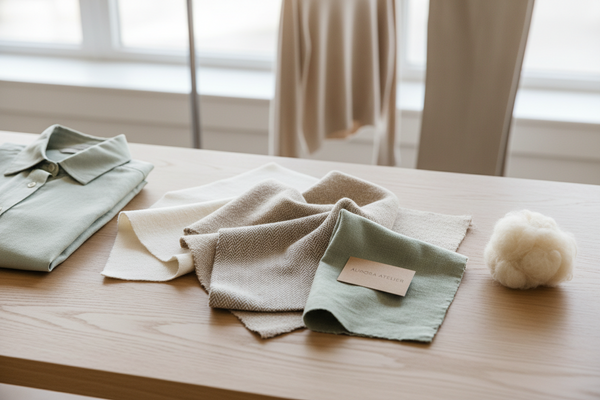
This is non‑negotiable. Order 1–5 pieces as samples. But don't stop there: one Reddit buyer purchased 2 samples from each shortlisted factory — a “cost experiment” worth its weight. They discovered that while all products met the written spec, the qualitative differences (touch, smell, fit) were enormous. One manufacturer’s fabric felt like luxury; another’s smelled of chemicals. Samples reveal what specifications can’t convey.
Step 4: Cross‑reference with your market
Once you receive samples, compare them against similar products already selling well in your target market. The buyer who spent $6K buying top‑selling US products found that their best Alibaba sample performed identically to a $3K designer piece. That validation gave them confidence to scale.
Step 5: Check for bait‑and‑switch patterns
Start with a small batch after samples — maybe 50 pieces. Inspect every unit. One experienced entrepreneur placed a $3K order after dream samples, only to receive a completely different quality tier. The only way to catch this pattern is to test small before scaling large.
Step 6: Negotiate payment terms wisely
Never pay 100% upfront unless the supplier has a long, verifiable track record. Aim for 30% deposit, 70% after inspection. Use Trade Assurance or PayPal for sample orders — you need the dispute layer. As one sourcing expert warned, “If a supplier pushes you to pay outside the platform, run.”
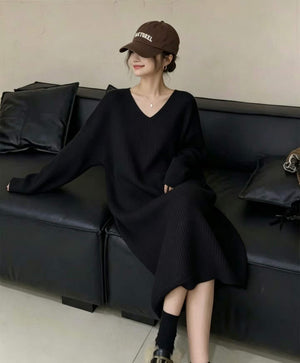
520+ PCS Women’s Oversized Ribbed Knit Sweater Dress Lot – Relaxed V-Neck Minimal Style in Black, White & Lavender – Plus Size Friendly L–3XL Boutique Stock – Low-Cost Liquidation Apparel for Resale
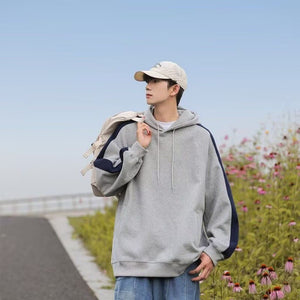
600pcs Premium 100% Cotton Hoodie Stock Lot - Assorted Unisex Couple Fits M-2XL - Final Liquidation - High-Margin Inventory for Boutique Resale & Market Vendors

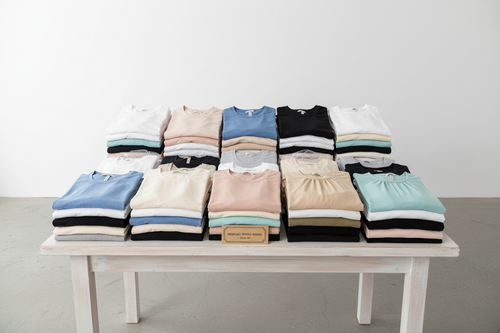
1500pcs Bulk White Graphic T-Shirts - High-Value Liquidation Set
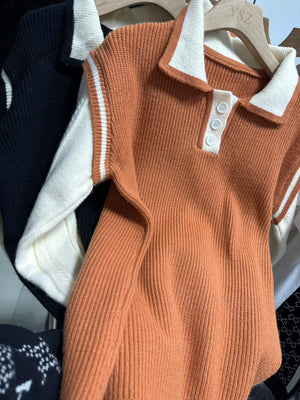
400pcs Women’s Cotton-Cashmere Feel Contrast Collar Knit Top Lot – Soft Preppy One-Size Sweater Stock with Individual Packaging – Easy Boutique Layering Style for Everyday Resale
| Vetting activity | Why it matters | Red flag |
|---|---|---|
| Search Reddit for supplier name | Reveals hidden complaints | Multiple “bait & switch” reports |
| Video factory tour | Confirms real manufacturing capacity | Excuses or blurry generic footage |
| Paid sample (2+ units) | Tests quality consistency | Sample perfect, bulk substandard |
| Check store age | Longevity implies trust | Less than 3 years on platform |
4. That Cost Real Money
- Ignoring the “wide category” warning: Suppliers selling everything from car parts to lingerie are 90% trading companies. They don’t control quality — they just broker. You want specialists.
- Trusting amazing photos without video evidence: Many sellers reuse catalog images from factories. Ask for a photo of the actual product with your name written on a notepad beside it.
- Paying outside protected channels: WhatsApp deals that bypass Alibaba’s Trade Assurance might save 5%, but they erase your dispute rights. That $200 “convenience fee” can become a $2,000 loss.
- Skipping the sample because of MOQ pressure: A supplier who says “samples not available, just order 500 pieces” is usually hiding poor quality.
- Not checking the URL age: If the supplier’s Alibaba store is less than a year old, proceed with extreme caution. Scammers frequently open new stores after burning previous identities.
Avoiding these traps is simpler than it seems: treat every new supplier like a first date — verify their claims independently, meet in safe environments (platform payment), and test compatibility before commitment.
- Trade Assurance: Alibaba’s escrow service. You pay through the platform, and if goods don’t match the contract, Alibaba can mediate refunds. Essential for safety.
- Verified Pro: Suppliers with extra checks (volume, delivery stats, response speed). Much lower risk than unverified stores.
- MOQ (Minimum Order Quantity): The smallest order a supplier accepts. Low MOQ (10–50) is small‑retailer friendly; high MOQ (500+) is dangerous for testing.
- Trading Company vs. Factory: Trading companies source from various factories; factories manufacture themselves. Factories are usually more reliable for quality consistency, but trading companies can offer wider variety.
- B‑stock / Overstock: Excess inventory sold at discount. Often sourced from liquidations — great margins but mixed conditions.
- Pre‑shipment inspection: A third‑party check before goods leave the factory. Costs a few hundred dollars and can save thousands on defective shipments.
“There is no such thing as a ‘good deal’ or ‘good luck’ on Alibaba. If a deal looks too good to be true, it’s because you haven’t uncovered the hidden cost yet — whether in quality, delays, or returns.” Treat every discount with scrutiny.
6. Buyer Questions You Must Ask Before Ordering
- “Can you show me a sample order with my logo/size tag before I commit to bulk?”
- “What is your on‑time delivery rate over the last 12 months?” (Verified Pro suppliers often display this.)
- “What is your return policy if goods arrive defective or completely wrong?”
- “Are you the factory or a trading company? If trading, who is your main factory partner?”
- “Do you have existing customers in my country who can provide a reference?”
- “Can we do a partial payment (30% deposit, 70% after my inspection)?”
Ask these in writing (email or chat) so there’s a record. A hesitant or vague answer is your cue to walk away. Good suppliers welcome these questions because they separate serious buyers from time‑wasters.
7. What You’re Really Here For
You didn't just want a list of marketplaces — you wanted a filtering system to avoid months of trials, lost deposits, and quality nightmares. That’s why this guide emphasises practical vetting over generic advice. The underlying need is for a repeatable process that works whether you’re ordering 50 t‑shirts or 500 custom hoodies. By following the steps here, you’ll turn “maybe this is legit” into “I’ve verified this supplier three ways, and here’s my small test order.”
Most small retailers fail not because they lack sourcing options, but because they skip the due diligence phase to save time or money. Those shortcuts nearly always backfire. Invest the hours upfront — it’s cheaper than sitting on 300 unsellable pieces.
8. When Online Platforms Aren’t Enough
Trade shows and local agents
Events like Texworld Apparel Sourcing (Paris) or IATF (Dubai) connect you directly with manufacturers — you can touch fabric, negotiate MOQs in person, and often get better deals. Many Asian factories also attend Magic Las Vegas. Not everyone can travel, but a local sourcing agent can act as your boots on the ground, visiting factories on your behalf. This adds cost but drastically reduces risk for larger orders.
Liquidation pallet auctions
For retailers who don’t need custom labels, liquidation pallets from B‑Stock, DirectLiquidation, or local warehouses can yield clothing at 10–20% of retail value. The trade‑off: unsorted goods, some damaged items. But for resellers with time to sort, it’s a cash‑flow machine.
9. When to Walk Away Immediately
- Supplier asks for full payment via Western Union or cryptocurrency. That money will never be recoverable.
- Pressure tactics: “Only 3 days left for this price.” Legitimate suppliers don’t rush you.
- Refusal to show actual factory photos or provide a sample. They likely have no relationship with the product.
- Too many product categories. A clothing supplier shouldn’t also sell power tools and pet beds. They’re a trading middleman.
- Store on platform less than 1 year. Scammers open, burn, and reopen.
Trust your gut: if something feels off during communication — excessive flattery, unclear answers, or avoiding video — find another supplier. There are thousands waiting for your business.
10. Long‑Term Supplier Relationships: The Unfair Advantage
Once you’ve found 2–3 reliable suppliers, nurture those relationships. Pay on time, communicate clearly, and send repeat business. Over time, you’ll get: priority production slots, better pricing, and early access to new designs. Small retailers who treat sourcing as partnership-building — not transactional bargaining — rarely have inventory problems. As one seasoned reseller put it, “My primary supplier now calls me when they have overstock before listing it publicly. That’s trust earned by being a fair, consistent partner.”
Ultimately, the question “how to find reliable wholesale clothing suppliers online” isn’t just about search terms — it’s about building a process you trust. The steps above are the same whether you’re starting with $500 or $50,000. Start small, verify everything, and scale only what works. The rest is noise.
Looking for vetted wholesale apparel suppliers? Apparel Lots curates verified clothing manufacturers and liquidators for small retailers. Start your sourcing journey with confidence — explore our directory today.
Independent boutique owners, online resellers (shopify, poshmark, ebay), side‑hustle sellers, and small‑scale entrepreneurs looking to source apparel without getting scammed or stuck with dead inventory..