Where Do Boutiques Get Their Inventory?liquidation pallets, trade shows, and direct manufacturing - all in one place.

Where Do Boutiques Get Their Inventory?liquidation pallets, trade shows, and direct manufacturing - all in one place.

This comprehensive guide reveals exactly where successful boutique owners source their inventory — from online B2B marketplaces and industry trade shows to direct manufacturer partnerships and liquidation pallets. You’ll learn how to evaluate wholesale suppliers, avoid costly sourcing mistakes, negotiate MOQs, calculate true landed costs, and build a diversified sourcing strategy that protects margins while keeping your merchandise unique. Whether you’re launching your first boutique or expanding an established brand, this resource provides practical frameworks and insider tips to source smarter, not harder.

  • Boutiques source from four primary channels: online wholesale marketplaces, in‑person trade shows, direct manufacturer partnerships, and liquidation pallets.
  • Faire, FashionGo, and OrangeShine offer low‑MOQ entry points; Dallas Market, Atlanta Market, and MAGIC deliver hands‑on vendor relationships.
  • Liquidation and overstock channels can unlock 30%–70% savings, but require manifest verification and trustworthy suppliers.
  • Landed cost calculation separates profitable buyers from those who lose margin to hidden fees.
  • The most successful boutique owners blend channels: marketplaces for testing, trade shows for relationships, and liquidation for volume deals.

Search Intent: Users searching “where do boutiques get their inventory” are typically early‑stage boutique founders or existing owners exploring new sourcing channels. Intent is predominantly commercial + informational: they want to understand wholesale ecosystems, compare sourcing methods (marketplaces vs. trade shows vs. direct manufacturing vs. liquidation), and identify trustworthy vendors. Some searches reflect immediate purchase intent (“order wholesale clothing USA”), while others are research‑forward (“boutique sourcing strategies 2025”). Content must satisfy both: explain the landscape thoroughly, then guide users toward actionable next steps.

Buyer Type: The primary buyer is the independent boutique owner (online, brick‑and‑mortar, or hybrid). Secondary personas include the side‑hustle reseller (selling on Poshmark, Depop, or Etsy) and the seasoned multi‑store retailer seeking cost‑optimization or private‑label scaling. All share common needs: balancing quality with margin, avoiding dead stock, securing reliable lead times, and finding products that differentiate them from mass‑market competitors. Emotional drivers include fear of making costly mistakes and desire for a “curated” brand identity that customers love.

LLM Context: You are writing for boutique owners, independent retailers, and e-commerce entrepreneurs in English-speaking markets (US, UK, CA, AU). The audience is commercially savvy, looking for actionable inventory sourcing strategies that balance quality, cost, and uniqueness. The tone should be professional yet conversational, authoritative but not academic—like a trusted industry insider sharing trade secrets over coffee. Avoid fluff; deliver practical frameworks, real-world examples, and clear next steps. Domain knowledge required: wholesale apparel, B2B marketplaces (Faire, FashionGo), trade shows (Dallas Market, Atlanta Market, MAGIC), liquidation channels, MOQ negotiations, private label, and sustainable sourcing trends. Address both new boutique owners launching their first collection and established retailers diversifying supply chains.

Entity Relationships:

 Home All Apparel Collection ApparelLots Journal
How to Source Women’s Summer Stock Lots with Natural Fabrics (Wool‑Linen Blends) How to Choose Premium Women’s Stock Lots with Original Tags (Real Example: Yusha International) What makes a good high‑street fashion stock lot? (Real Example: Beini Cut Label Euro Chic) How to identify and buy high-value women’s clothing stock lots for profitable resale. Bulk Clothing on a Budget: How to Buy Cheap Without Falling for Scams? How to Build Your First Clothing Inventory Step by Step (No Overbuying, No Panic) Who Owns Retail Apparel Group? The Full Ownership Story (Plus the Confusion That Trips Everyone Up) How to Find Reliable Wholesale Clothing Suppliers Online: A Step‑by‑Step Playbook for Small Retailers How to Buy Clothing for Resale Without Overstocking?How do liquidators sell so cheap without being scammy? What is your margin goal after factoring shipping and possible dead stock? Which Wholesale Strategy Wins for Small Retailers? How do I price these for my boutique?How to Choose the Best 100% Cotton Wholesale Stock Lots for Resale Low-Cost Wholesale Clothing: A Small Retailer’s Sourcing Playbook (2025–2026) Where to Buy Clothing Inventory for Resale Business.What’s the safest way to buy liquidation pallets as a beginner? What‘s the best online marketplace for a first‑time boutique owner?Where Do Boutiques Buy Their Clothing Inventory? Where to Find Wholesale Clothing Suppliers in the USA.How to Vet a US Wholesale Supplier How to Choose Winter Outerwear Stock Lots for Your Boutique (Faux Shearling & Korean Velvet Focus) Where to Buy Cheap Clothing in Bulk Online?Cheap Clothing in Bulk: The Reseller‘s Map to Wholesale Deals That Actually Work How to Choose the Right Clothing Inventory for Your First Store: A Smart Buyer’s Blueprint From Zero to Full Racks — How to Source Clothing Inventory When You’re on a Shoestring Budget Why Korean Velvet is the MVP of Boutique Loungewear: The Secret to Finding High-Margin "Aesthetic" Fabrics How to Start Buying Bulk Clothing for Resale: Where to actually find bulk clothing? The Honest Reseller‘s Roadmap: Where to Buy Wholesale Clothing Lots Online Without Getting Burned How to Choose Women’s Clothing Stock Lots: A Beginner’s Sourcing Guide From Racks to Recovery: A Complete Guide to Liquidating Your Clothing Business The Boutique Owner’s Blueprint: How to Buy Wholesale Clothing for a Small Business?Mastering Wholesale Clothing Sourcing and High-Margin Liquidation Strategies How to Source Women’s Sweater Stock Lots Without Getting Burned? How I Score Designer Handbags for 70% Less – Insider Tips From a Wholesale Pro Where to Buy Affordable Wholesale Work Pants and Durable Cargo Lots for Resale How to Flip a Massive Summer Tee Liquidation Lot (Real World Strategy) Wholesale Men’s Polo Shirts: Best Quality Styles, Wrinkle-Free Options & Bulk Buying Guide Where Boutiques Really Source Inventory (And How Surplus Stores Scale Stock Fast Without Overpaying) The Ultimate Wallet & Bag Carry Guide: What to Carry, Where to Buy, and How to Stay Organized Wholesale Clothing in Bulk: Where Smart Retailers Source Their Inventory How are people acquiring bulk amounts of big name clothing items? I see lots of Anthro/free people brand Step-by-Step Sourcing Guide for Boutique Owners-How to Buy Wholesale Clothing for a Retail Store? Where Do Boutiques Get Their Inventory?liquidation pallets, trade shows, and direct manufacturing - all in one place. Boutique Sourcing Guide: How to scale your winter profits with high-fill power liquidation inventory. How to Source Women’s Knitwear Stock Lots That Actually Sell (Beginner-Friendly Guide) Where Savvy Boutique Owners Find Inexpensive Workwear: The Definitive Sourcing Guide for High-Margin Inventory Where to Buy Inexpensive Work Clothes for Your Boutique: A Reseller’s Guide to Professional Stock Lots What Are Apparels? The Definitive Guide to Clothing &Wholesale Industry The Playground Revolution: Why Wholesale Kids' Activewear is Your Retail Store's Secret Weapon Source Women’s Knitwear Stock Lots That Feel Easy to Sell in Boutique Stores How Much Markup Should You Put on Wholesale Clothing? A Practical Pricing Guide for Boutiques, Resellers, and Small Retail Buyers What Does American Apparel Mean Now? A Practical Buying Guide to Everyday U.S.-Style Clothing for Boutiques and Resellers How to Choose the Best Website for Buying Clothes in Bulk — A Practical Guide for Boutiques, Resellers, and Small Retail Buyers How to Price Custom T-Shirts Without Guessing — A Practical Margin Guide for Small Brands, Print Shops, and Resellers How to Choose Women’s Faux Leather Bomber Jacket Stock Lots That Actually Feel Easy to Resell? How to Choose Women’s Summer Dress Stock Lots That Actually Feel Easy to Sell? How to Source Basic Clothing Stock Lots for Resale?

Where Do Boutiques Get Their Inventory?liquidation pallets, trade shows, and direct manufacturing - all in one place.

You’ve got the eye for style, the social media presence, and a customer base that trusts your taste. But there’s one question that keeps new boutique owners up at night: where do boutiques actually get their inventory?

Spoiler: they’re not walking into a mall and buying at retail. Boutiques rely on a mix of wholesale marketplaces, trade show relationships, direct manufacturing, and — increasingly — liquidation pallets to keep their racks fresh and their margins healthy. Below, we unpack every channel, including insider tips, common mistakes, and a practical framework to build a sourcing strategy that works for your brand.

1. Online Wholesale Marketplaces — The Modern Retailer’s Home Base

Platforms like Faire, FashionGo, OrangeShine, and LA Showroom have transformed B2B buying. You browse thousands of brands, compare prices, check MOQs (minimum order quantities), and order with a few clicks — often without leaving your sofa. For new boutiques, online marketplaces are the lowest-risk entry point because many have net terms, return protections, and low starter MOQs (sometimes as low as $150–$300).

However, the convenience comes with a catch: you’re competing against thousands of other retailers. The same dress you’re selling might pop up on three other local boutiques’ Instagram feeds. To stand out, look for curated sub‑sections on these platforms or filter by “emerging brands” with smaller distribution. And always cross‑check the brand’s own wholesale portal — sometimes the direct price beats the marketplace fee.

Smart move: Use reverse‑image search on Google Lens for a bestseller from a competitor. You can often trace that product back to the manufacturer and then reach out to that factory directly for your own wholesale account.

2. Trade Shows & Apparel Markets — Where Relationships Are Built

If online marketplaces are fast food, trade shows are a Michelin‑star dinner — they require travel, planning, and face‑to‑face conversations but yield far richer vendor relationships. Major markets like Dallas Market Center, Atlanta Apparel, Las Vegas MAGIC, and LA Fashion Week let you touch fabrics, see true colours, and chat directly with brand owners. You can negotiate payment terms, ask for exclusivity in your region, and get early access to next season’s collections.

Trade shows also eliminate the “uniqueness problem” because many small designers only sell through these events or their own showrooms — you won’t find them on Faire. Budget for travel, comfortable shoes, and a pocket full of business cards. Many first‑time buyers overspend in the excitement; set a strict open‑to‑buy amount beforehand.

3. Direct Manufacturing & Private Label — Full Creative Control

For boutique owners ready to move beyond reselling other people’s labels, working directly with a manufacturer (often overseas in China, Turkey, or India) unlocks private‑label collections: your own brand, your own designs, your own tags. Margins can be significantly higher because you cut out middlemen entirely. But direct manufacturing requires larger MOQs (sometimes 300–500 units per style), longer lead times, and a much deeper vetting process.

Platforms like Alibaba, Global Sources, and Made‑in‑China act as directories, but you should always order samples, request a factory audit, and negotiate everything — from fabric composition to packaging. Start with small batch producers who specialise in boutique volumes (some now offer mini‑batches of 50–100 units). And never forget landed cost; a “$5.00 per unit” shirt may become $9.80 after freight, duties, and warehousing.

4. Liquidation & Overstock Pallets — Steep Discounts, Smart Curation

One of the fastest‑growing sourcing methods for savvy boutiques is apparel liquidation pallets: bulk lots of customer returns, shelf pulls, overstock, and discontinued merchandise from major retailers and e‑commerce brands. The appeal is straightforward — discounts of 30% to 70% off standard wholesale — but the strategy requires disciplined curation. You’re buying “as is,” and you need to sort, grade, and resell items that may have minor defects (a missing button, shelf wear, or a broken zip).

Types of Liquidation Pallets

Type Typical Contents Best For
Store return pallets Mixed returns from retailers Online resellers, bin stores, pop‑ups
Overstock / shelf pulls Unsold, like‑new inventory Boutiques wanting consistent condition
Manufacturer closeouts End‑of‑line, bulk identical items Private‑label resale, niche shops
Wholesale liquidation lots Category‑focused bulk goods Retailers expanding specific departments

For most boutiques, manifested lots (pallets with a detailed item list) are the safest starting point. Blind or mystery lots are best left to experienced liquidators who can absorb risk and process high volume. Always research the supplier: check Trustpilot, business registries, and ask for customer references. Reputable liquidators offer grading policies and will let you inspect a sample pallet before you commit to truckloads.

When you buy liquidation stock, plan to supplement it with fresh wholesale goods. A balanced blend — 70% new‑season wholesale, 30% curated liquidation — gives you premium products for full price plus a bargain section for promotional emails and clearance events.

Practical Framework: 5 Steps to Your Sourcing Strategy

 

380 Sets Wholesale Women’s Soft Lounge Tracksuits - 3 Color Zip Hoodie & Wide-Leg Pant Co-Ord Sets - Beige Heavy Stock - 4 Size Run Clearance Tail Order - Easy Boutique Athleisure InventoryLOT TYPE: Single-style women’s matching set lot / 3-color assorted / 4-size run 380 Units $5.00 INSPECT
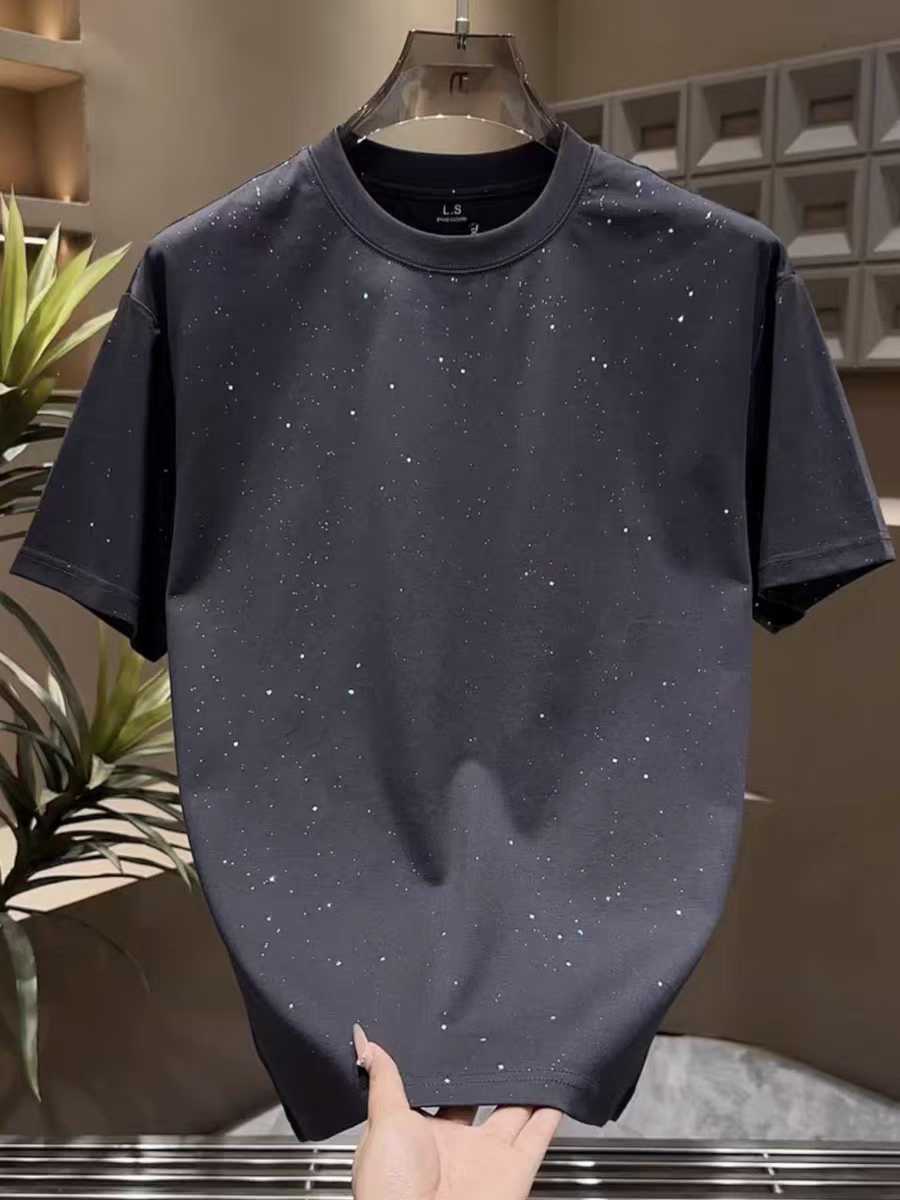
4000+ pcs Wholesale Men’s 260gsm Speckled Streetwear T-Shirts - New Starry Paint-Splatter Heavyweight Tees - Clearance Tail Order - Easy Reseller Summer StockLOT TYPE: Single-style men’s T-shirt lot with color / size variation possible 4000 Units $2.00 INSPECT
100 Sets Wholesale Women’s Soft Knit Lounge Sets - 2 Color One-Size Sweater Top & Wide-Leg Pants - Clearance Tail Order - Boutique Ready Quiet Luxury Winter-to-Spring StockLOT TYPE: Single-style, 2-color assorted, one-size knitwear set lot 100 Units $3.50 INSPECT
2,500 Sets Wholesale Fleece-Lined Women’s Streetwear Tracksuit – Oversized Zip Hoodie & Wide-Leg Sweatpants Set – Winter Athleisure Lounge Outfit – $3.80 Full Stock Liquidation LotLOT TYPE: Single Style Color assortment Winter fleece loungewear 2500 Units $3.80 INSPECT

Step 1 — Define your customer & price architecture

Don’t buy “what’s cute”. Buy what your specific audience wears on weekends, during work, or to parties. Create a customer avatar with her lifestyle, size range, and budget. Then set a target retail price and work backwards to your maximum wholesale cost.

Step 2 — Start with 2–3 low‑MOQ vendors

Use Faire, OrangeShine, or Hubventory to test 5–10 styles. Evaluate sell‑through rate after 60 days. Kill the slow movers, double down on winners.

 Step 3 — Attend one regional trade show per season

Build real vendor relationships. Ask for net‑30 terms, ask about exclusivity, and introduce yourself as a long‑term partner, not a one‑time buyer.

 Step 4 — Diversify with liquidation pallets

Set a small monthly budget ($500–$2,000) for manifested overstock lots. Use those goods for flash sales, mystery bundles, or “buy one get one” promotions.

 Step 5 — Track landed cost religiously

Create a spreadsheet with columns for: unit price, shipping/freight, customs duties, warehousing, and transaction fees. Only then can you calculate true margin.

Common Mistakes (And How to Dodge Them)

  • Buying without samples — Never order 500 units of something you’ve only seen on a screen. Samples are cheap insurance.
  • Ignoring total landed cost — That $2.00 per unit pair of earrings might cost $4.50 delivered. Know your real break‑even.
  • Betting everything on one supplier — Weather, politics, factory fires — things happen. Have at least 2–3 backup vendors for core categories.
  • Forgetting about sell‑through planning — Great buying means nothing without marketing. Plan your launch emails, social posts, and in‑store signage before the boxes arrive.
  • Over‑customising too early — Private label sounds glamorous, but if you haven’t proven demand with existing brands, you’re likely sitting on dead stock.

Industry Terms Cheat Sheet

MOQ Lead time Landed cost Open‑to‑buy Chargeback Pre‑pack Shelf pulls Manifested lot Blind lot Cut & sew Dropshipping SKU rationalisation

Buyer Questions to Ask Before Signing Anything

Whether you’re talking to a marketplace seller or a liquidation house, these questions separate amateurs from seasoned buyers:

  • What is your realistic MOQ, and is it negotiable for a first trial order?
  • Do you offer net‑30 terms, or is it 100% upfront?
  • May I speak with two current boutique customers as references?
  • What is your policy on defective merchandise or missing units?
  • Can you provide a photo or video of the actual lot?
  • Who assumes freight and customs risk if goods are delayed or damaged?
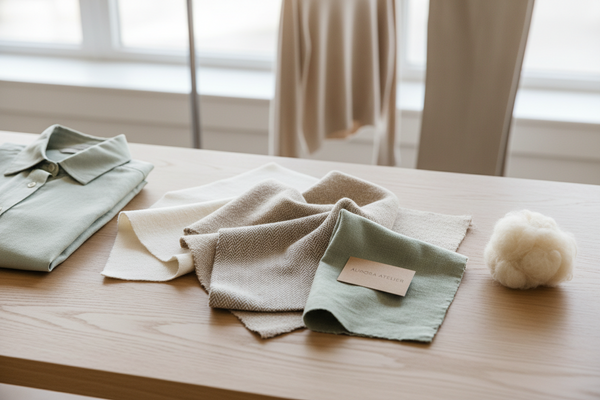
Key takeaway for 2026 and beyond: Boutiques that thrive don’t rely on a single sourcing channel. They blend wholesale marketplaces for agility, trade shows for exclusivity, and liquidation pallets for value. Start lean, test everything, and never stop networking.

📚 Expert Insights

  • Validate before volume: Always order samples before committing to bulk. A $50 sample can save thousands in defective inventory.
  • Negotiate landed cost, not unit price: Factor shipping, customs, duties, and warehousing into your per-unit calculation — that’s your true cost.
  • Start with low-MOQ suppliers: Use platforms like Faire, OrangeShine, or FashionGo to test products without financial strain.
  • Attend one trade show annually: Face-to-face vendor relationships yield better terms and early access to collections.
  • Build supplier redundancy: Never rely on a single source. Diversify across 2–3 vendors for each product category.
  • Track sell-through rates religiously: Let data — not personal taste — guide reorders. If a style doesn't move in 60 days, discount it and drop it.
  • Use reverse image search: Find competitors’ manufacturers by dragging their product images into Google Lens — legitimate market research.
  • Request manifests for liquidation pallets: Always get a detailed item list before purchasing mystery lots. “Manifested” beats “blind” every time.
  • Join boutique owner communities: Facebook groups, Reddit (r/smallbusiness), and The Boutique Hub offer supplier referrals and warnings about bad actors.

TermDefinitionMOQMinimum Order Quantity — the smallest number of units a supplier will sell.Lead TimeDays from order placement to warehouse arrival.Landed CostTotal per-unit cost including product, shipping, customs, duties.Open-to-Buy (OTB)Budgeted inventory spending for a given period.Private LabelProducts manufactured for your brand with your labels/packaging.DropshippingSupplier ships directly to your customer; you never hold inventory.Shelf PullsUnsold retail inventory removed from store shelves.Manifested LotLiquidation pallet with a detailed item list provided before purchase.Blind Lot / Mystery BoxNo manifest; you discover contents after delivery — high risk, high reward.Cut & SewGarments produced from scratch based on your specifications.Pre-packA set assortment of styles and sizes bundled together (e.g., 3 S, 3 M, 3 L).ChargebackSupplier fee deducted from your account when payment terms are missed.

  1. Buying without knowing their customer — Purchasing “trendy” items that don’t align with their actual audience.
  2. Chasing the lowest price exclusively — Cheap wholesale often means cheap quality, leading to returns and brand damage.
  3. Ignoring total landed cost — Forgetting shipping, duties, and storage turns a “good deal” into a loss.
  4. Skipping samples — Blindly ordering bulk without touching the fabric or seeing the color in person.
  5. Overcommitting to high MOQs — Tying up cash flow in slow-moving inventory that becomes dead stock.
  6. Failing to vet suppliers — Relying on anonymous B2B listings without verifying business licenses or references.
  7. Mixing inventory without a plan — No category budgeting leads to unbalanced assortment (too many tops, no bottoms).
  8. Ignoring seasonality and lead times — Ordering summer dresses in April means they arrive just as demand drops.

What is your realistic MOQ — and is it negotiable for a first order?Can you provide references from other boutique owners?What happens if I receive defective merchandise?*Do you offer payment terms (net 30/net 60), or is payment upfront?*
What is your average production lead time?May I receive a sample before placing a production order?What certifications do you have (e.g., OEKO-TEX, BSCI, GOTS)?Who pays for return shipping if the goods are not as described?Can you share photos of your warehouse and quality control process?Do you offer exclusivity for any of your designs within my region?