How Much Markup Should You Put on Wholesale Clothing? A Practical Pricing Guide for Boutiques, Resellers, and Small Retail Buyers
Markup sounds like a simple number until you realize different clothing categories move at different speeds, carry different risks, and need different pricing logic. This guide breaks markup down in a practical way that works for real inventory, not just textbook formulas.
Quick answer
The right markup on wholesale clothing depends on category, turnover speed, sourcing cost, and sell-through risk. Basics and easy-moving staples usually support steadier markup logic than trend-heavy inventory.
Read the Knowledge HubIn this guide
Why there is no one perfect markup number for wholesale clothing
One of the most common questions in apparel buying is, “What is the markup on wholesale clothing?” People ask it because they want a clear shortcut. They want one clean percentage or one easy rule that works for everything from basic tees to denim shirts to seasonal outerwear. The problem is that clothing does not behave that neatly.
Markup is not only about what you paid for the garment. It is about what kind of category it is, how quickly it sells, how much explanation it needs, how much handling it requires, and how confident you are that customers will actually respond to it. A basic product with broad appeal can usually support one kind of pricing logic. A trend-led piece with a shorter selling window may need a completely different one.
That is why asking for one universal markup can mislead new buyers. If you treat a women’s knit top, a denim shirt, a backpack lot, and a pile of clearance stock as if they deserve the same markup, you will almost always distort your pricing somewhere. Some items will be overprotected. Others will quietly underperform.
This is exactly why markup should be thought of as a system rather than a guess. Good buyers do not ask, “What number sounds normal?” They ask, “What does this category need in order to be worth the risk, the handling, and the cash tied up in it?”
This way of thinking already fits the current ApparelLots site logic. The site is not organized as one flat product wall. It is structured around category, lot type, quantity band, and price band, while the Knowledge Hub talks directly about pricing strategies, stock-lot buying, and logistics. That supports the idea that markup should change depending on what kind of inventory you are dealing with.

What markup really covers beyond the garment itself
A lot of buyers talk about markup as if it only exists to create profit on top of garment cost. In reality, markup does more work than that. It covers not only your margin goal, but also the friction around the product: time, product risk, handling, packaging, slow-moving stock, and all the small operational realities that do not show up in a supplier’s quote sheet.
For example, two products with similar source prices may deserve different markup simply because one sells easily and one needs explanation. A simple wide-leg pant in a neutral color may move more naturally than a loud trend-led fashion piece. That affects how much pricing room you need. Easy products create less strain. Harder products need more protection.
Markup also helps absorb defect tolerance, especially in overstock and stock-lot buying. If a category has a small expected defect range, you need to think about that before you price it. Not because the product is bad, but because real buying is not perfect. Pretending every lot is flawless creates fragile margins.
Another thing markup covers is category patience. Some items sell the same week. Others need time. If inventory moves slower, your money sits longer. That changes what a “good” markup really means. A small fast-moving margin can outperform a larger slow-moving margin if the product turns more consistently.
This is one place where ApparelLots’ price-band navigation makes practical sense. Under-$5 inventory, $5–10 stock, and other pricing paths help buyers think in layers rather than in isolated items. That is useful because markup decisions are easier when you understand where the product sits in your broader pricing ladder.
Basics vs trend items: why markup should change by category
Basics and easy-moving wardrobe staples often support a steadier, calmer markup model. Why? Because customers already know what they are. They do not need a long explanation. They fit easily into daily life. Denim shirts, relaxed pants, knit tops, tees, and simple outerwear often fall into this group. They are not always the loudest products, but they are frequently some of the easiest to resell.
Trend items behave differently. They may create more excitement, but they also carry more timing risk. If the look cools down or the customer mood shifts, the item becomes harder to move. That means some buyers prefer stronger markup on trend items to justify the risk, while others prefer quicker pricing to move them faster. Both approaches can work, but they are not the same logic used for basics.
The important point is that product type changes the pricing psychology. Customers accept value differently depending on the category. On basics, they often care about feel, reliability, and repeat wear. On trend items, they care more about visual appeal and timing. That changes how your price is received.
This also explains why some low-cost stock lots still perform poorly. Cheap inventory is not automatically strong inventory. If the category is hard to style, hard to explain, or too trend-sensitive, a lower source price does not guarantee better retail performance. Markup has to work with demand, not just with cost.



| Category type | Markup mindset | Main risk | What buyers should watch |
|---|---|---|---|
| Basics and staples | Steady, repeatable, lower-friction pricing | Undervaluing simple items | Do not mark down too quickly just because the product looks basic |
| Trend-led pieces | Higher-risk, timing-sensitive pricing | Shorter selling window | Watch trend fatigue and sell-through speed |
| Clearance / under-$5 goods | Volume and speed-oriented logic | Assuming every cheap item is easy to move | Balance margin with realistic retail positioning |
| Mid-range stock lots | Value-focused margin planning | Getting squeezed between premium and bargain | Merchandise clearly and explain value well |
How ApparelLots’ structure helps buyers think more clearly about markup
One useful thing about ApparelLots is that the site already encourages markup thinking without always saying the word directly. When a buyer can browse women’s apparel, men’s stock, kids & baby stock, bags, stock-lot type, quantity available, and price-band pages, the buying process becomes more structured. That structure matters because good markup decisions depend on context.
The Under-$5 path is especially useful for margin planning. It helps buyers think about low-entry inventory with faster-turnover logic. The $5–10 range supports a different conversation: value-balanced product with stronger resale room if the category is right. And stock-lot type pages add another layer by helping buyers distinguish between single-style lots, mixed bundles, and other inventory structures.
Then the Knowledge Hub adds the strategic layer. Pricing and Profit articles, buying guides, and logistics content give buyers a way to think beyond the product card. That is important because markup should not be made from one image and one number. It should come from product type, category behavior, and process understanding.
In that sense, a pricing article like this belongs naturally inside ApparelLots’ content system. The site is already pointing buyers toward margin-aware thinking. This article simply makes that logic more explicit.
Wholesale Single-Style Clothing Lots Bulk Assorted Clothing Lots
Pallet Deals Clothing Winter Summer Spring/Autumn
Mistakes that quietly destroy markup
The first mistake is using the same markup on everything. It feels efficient, but it rarely matches reality. Categories move differently. Sourcing risk is different. Product handling is different. Customer resistance is different. One formula for everything usually creates hidden problems.
Another mistake is building prices from supplier cost only. The real cost of selling includes receiving, sorting, packaging, content creation, customer service, and in some cases returns risk. If your markup ignores the operational side, your margin is more fragile than it looks.
Some buyers also underprice basics because they do not look impressive. This is a huge mistake. Basics often sell because they are easy, not because they are dramatic. Easy inventory deserves respect. If a product is likely to move repeatedly and with less friction, it may deserve more pricing confidence, not less.
Another problem is overpricing trend items just because they look exciting. Exciting does not always mean durable demand. If the sell-through window is narrow, a high markup can backfire by slowing the very movement the category needs.
Checklist before setting your markup
- Is this product a basic, a trend item, or a value-led clearance piece?
- How quickly do I realistically expect it to sell?
- What extra handling, packaging, or communication does it require?
- How much defect tolerance or lot risk should I allow for?
- Does this category need speed or can it support a slower, stronger margin?
- Would I still feel good about this markup after the first sell-through cycle?
- Can I explain the price calmly if a customer asks why it costs that much?
If you can answer those questions clearly, your markup is already getting stronger. Not because the number is magical, but because the reasoning behind it is cleaner.
| 2,000 pcs Women’s 100% Wool Turtleneck Sweaters – Ultra-Slim Stretch Knit – Boutique Basic Winter Layer – Factory Tail-Order Clearance – $2.50 Bulk Stock LotLOT TYPE: Single style bulk inventory Characteristics: • minimalist design • classic black knitwear • winter staple clothing item • timeless retail product | INSPECT | |
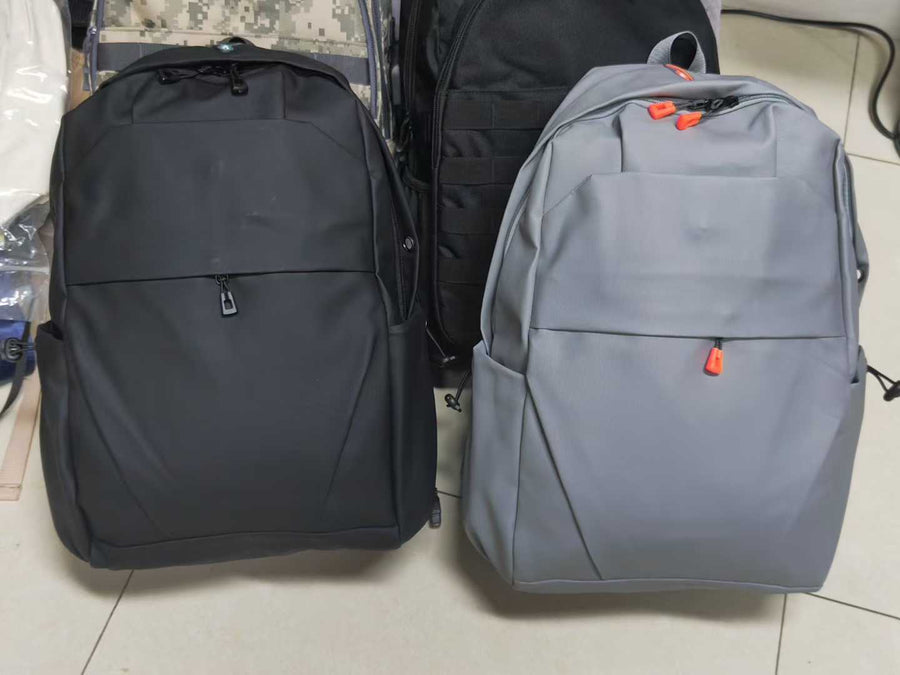 |
280pcs Urban Travel Laptop Backpacks – Minimalist Waterproof Tech Bags with USB Port – 2 Color Assorted Wholesale Lot – $2.50 Take-All Overstock Deal – Everyday Commuter & Student Backpack InventoryLOT TYPE: Single-style bulk lot 2 color assorted inventory | INSPECT |
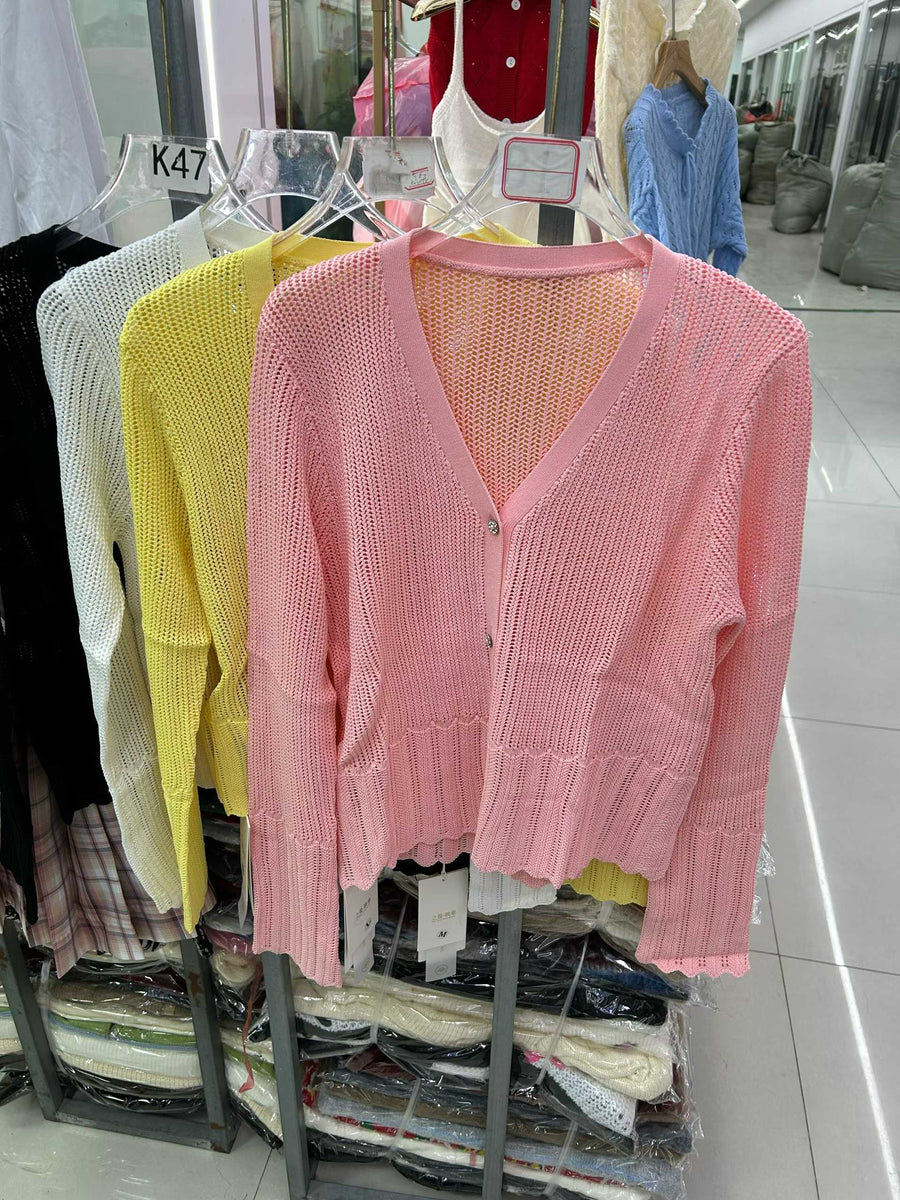
| 120pcs Wholesale Women’s Stretch Knit Sweater Vests - Black Rhinestone V-Neck Layering Tops - Easy Boutique One-Size Stock at $3.00LOT TYPE: Single-style one-color women’s knit vest lot | INSPECT | |
 |
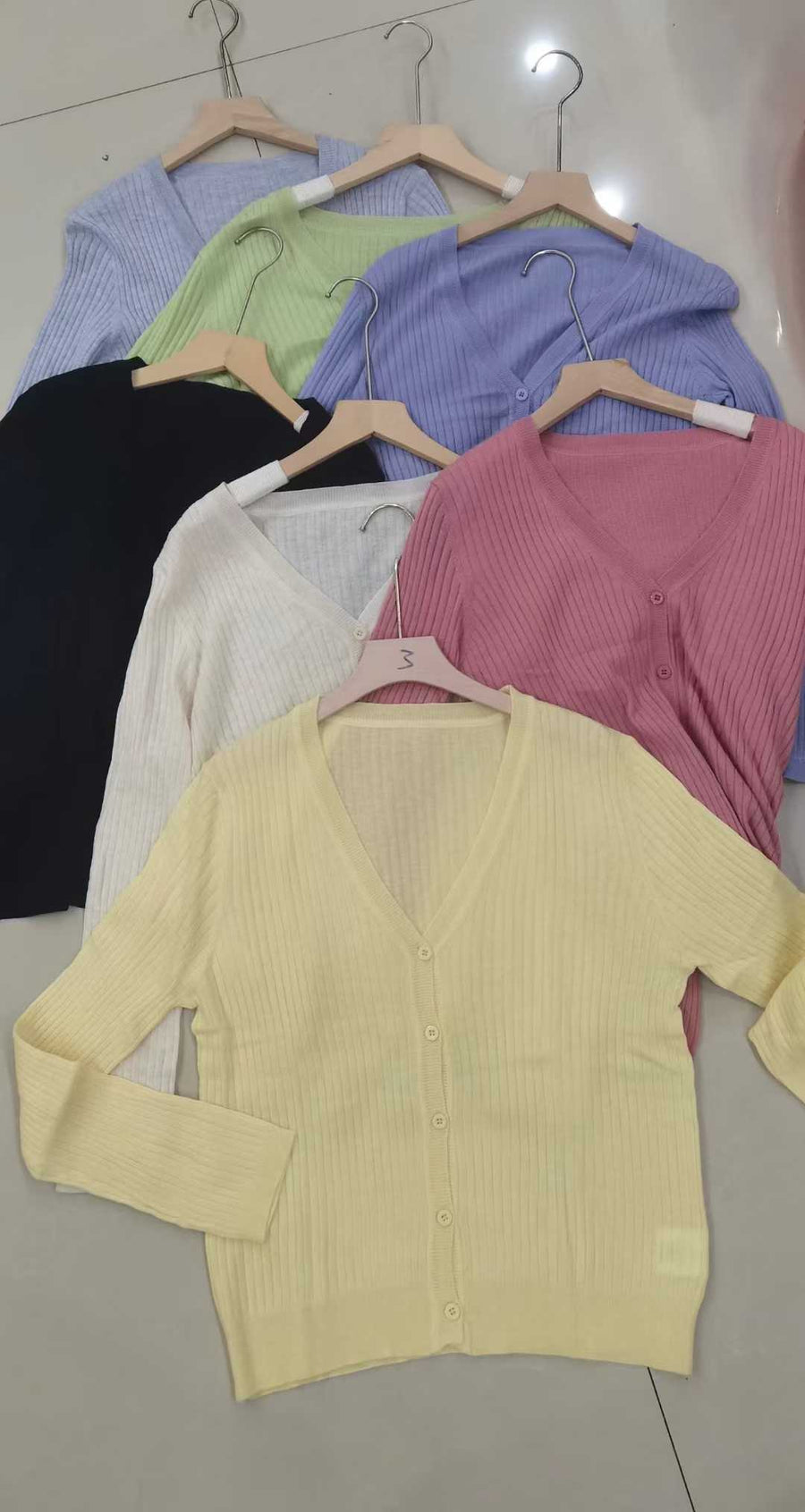
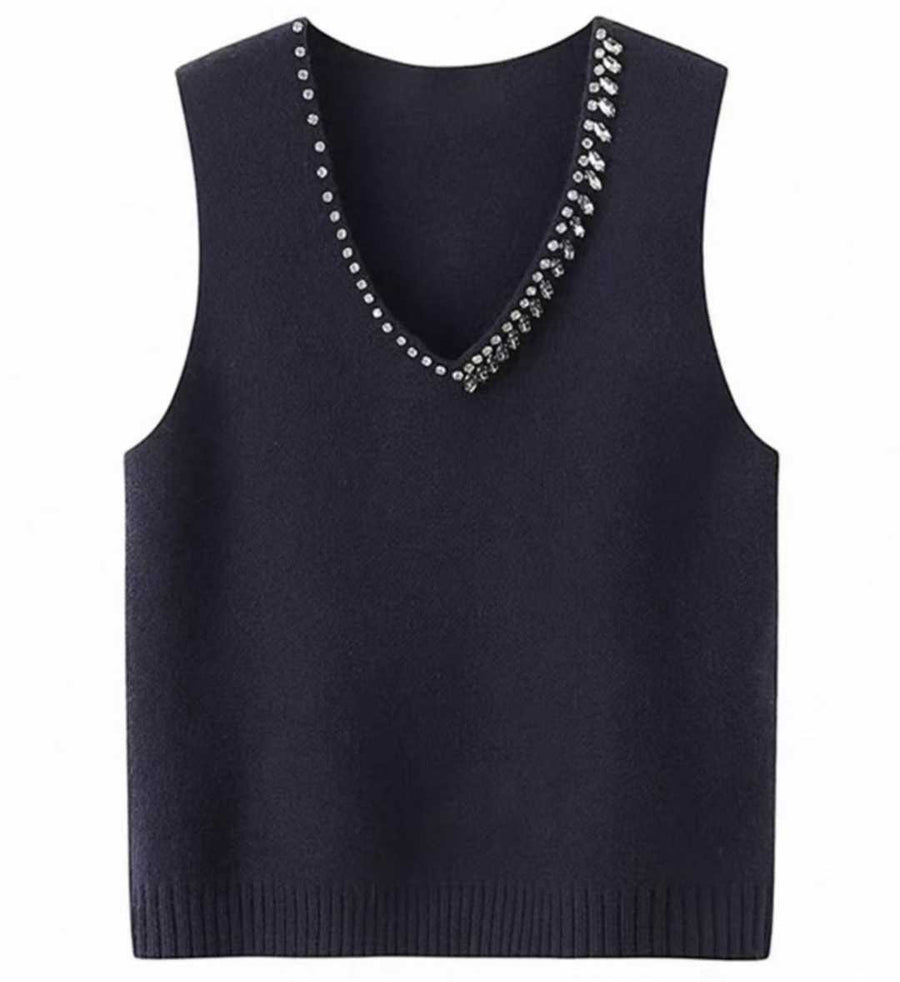
200pcs Wholesale Women’s Lightweight Spring Cardigans - 4 Color Soft Knit Button-Front Layering Tops - $1.70 Tail-Order Clearance LotLOT TYPE: Single-style, 4-color assorted women’s cardigan stocklot | INSPECT |

Buyer questions
Is there one normal markup for wholesale clothing? +
Should basics use a lower markup because they look simple? +
Does under-$5 inventory always create the best profit? +
How does ApparelLots help with markup planning? +
Where should I browse next on ApparelLots? +
Where to go next
Upward link
Related reading
- Pricing & Profit
- Buying Guides
- How to Source Women’s Sweater Stock Lots That Actually Feel Easy to Sell
- Cotton vs. Polyester: Which Fabric Wins for Bulk Activewear?
- How to Choose Easy-to-Sell Backpack Stock Lots for Boutique Resale
- How to Choose Women’s Summer Dress Stock Lots That Actually Feel Easy to Sell
Related categories and help pages
- Under $5
- $5–10
- Stock Lots Type
- Women’s Apparel
- Men’s Stock
- How It Works
- Help Center FAQ
- Shipping Policy
- Returns & Claims
- About Us
Markup gets easier when inventory structure gets clearer
Use price bands, lot types, and category behavior together. That is how markup becomes repeatable instead of emotional.
Tags: Pricing & Profit · Buying Guides · Stock Lots · Wholesale Clothing Markup