How to Source Women’s Sweater Stock Lots Without Getting Burned?
Profit Without the Friction: The Boutique Owner’s Guide to Sourcing Premium Sweater Stock Lots
In the fast-paced world of fashion retail, the difference between a thriving boutique and a struggling storefront often comes down to one thing: inventory margin. But how do you secure high-end knitwear without the high-end wholesale price tag?

The Allure and the Anxiety of the Stock Lot
Sourcing women’s sweaters in bulk—especially from liquidation and stock lot channels—can feel like a high-stakes treasure hunt. On one hand, you have the potential for incredible markups. On the other, the fear of "getting burned" by poor quality, inconsistent sizing, or, worse, outright scams, keeps many talented boutique owners from exploring this goldmine.
Drawing from the collective wisdom of global sourcing communities and the expertise of high-volume liquidators, we’ve built this guide to turn that anxiety into a calculated business strategy. We’re moving past the "cheap" mindset and moving into the "smart" mindset. Because in 2026, the consumer doesn't just want a low price—they want an aesthetic that feels luxury, even if you sourced it from a production surplus.
1. The Anatomy of a "Tail Order"
To source effectively, you must understand why stock lots exist. The most profitable lots are "Tail Orders." These are the surplus units remaining after a major brand’s production run is finished. Factories often produce 3-5% more than ordered to account for QC rejections. When the brand takes their shipment, the "tails" are left behind.
These pieces are often identical to the brand-name stock sitting in Madison Avenue windows. The only difference? The factory needs the warehouse space back, and they need it now. This urgency is your leverage.
Why the US and EU Markets are Different
European buyers often prioritize fiber purity—wool blends and viscose. The US market, however, focuses heavily on "The Aesthetic." This means the silhouette and the "Instagram-ability" of the knit often outweigh the label. To thrive in both markets, you need to identify sweaters that possess High Perceived Value (HPV).
2. Technical Inspection: How to Spot Quality in a Digital World
If you are sourcing from a platform like ApparelLots, you might not always be able to touch the fabric before the wire is sent. This is where your technical knowledge becomes your shield.
A 12gg knit is fine and lightweight—perfect for layering. A 3gg or 5gg knit is chunky and "cozy." Match your gauge to the upcoming season's search intent.
For hollow-out aesthetic sweaters, the "holes" must be intentional and finished. If they look frayed, it’s not a design choice—it’s a production failure.
One of the best pieces of advice found in professional sourcing forums like Reddit’s wholesale communities is to ask for the weight of a single unit. A high-quality sweater should feel substantial. If a "chunky" sweater weighs less than 300g, it’s likely a high-filler synthetic that will lose its shape after one wash.
3. Navigating the Logistics of Bulk Knitwear
Sweaters are essentially "wearable air." They take up massive amounts of space relative to their weight. This creates a trap for the unwary buyer: Volumetric Weight. Your shipping carrier might charge you as if your box of sweaters weighs 50kg, even if it only weighs 20kg, because of its size.
| Shipping Method | Best For... | The "Burn" Risk |
|---|---|---|
| Air Express | Urgent Trends (TikTok/Social) | High cost eats all your margin. |
| Sea Freight (LCL) | Predictable Seasonal Stock | 30-45 day lead times; risk of mildew if not packed with silica. |
| Trucking (Continental) | Local Stock Lots | Best for "Take-All" lots with high volume. |
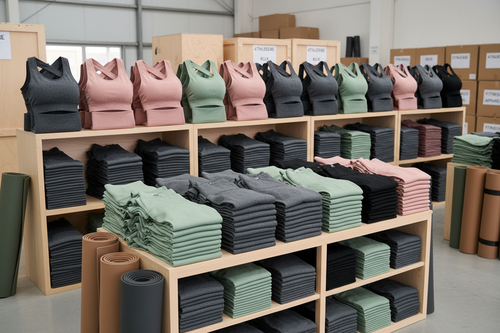
Always demand compression packing. Vacuum-sealing knitwear lots can reduce shipping volume by up to 60%, drastically lowering your "landed cost." If a supplier won't compress, you are paying to ship air across the ocean.
4. Merchandising Your "Finds" for the Modern Consumer
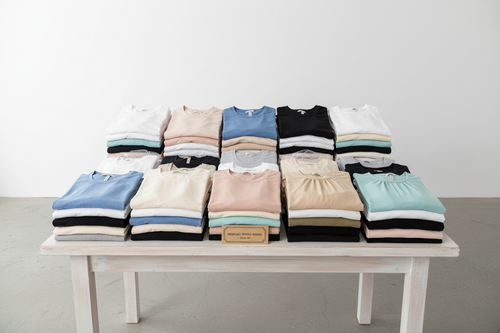
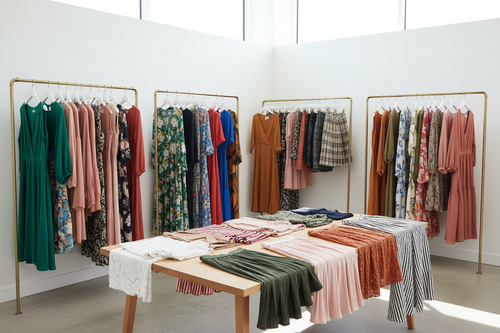
Once you’ve successfully sourced your stock lot without getting burned, the real work begins. Sourcing is only half the battle; selling is the other. The modern consumer—especially the younger demographic in the US and UK—is moving toward "Mindful Resale." They love the idea of "rescued" or "curated surplus" inventory.
Position your sweaters as part of a curated collection. Don’t just list them as "Cream Knit Sweater." List them as "The Transitional Hollow-Out Pullover: A Studio Essential." Use social media to tell the story of the quality—the softness of the viscose, the breathability of the weave, and the versatility of the fit.
Professional Sourcing FAQ
Don't just look at their website. Look for external footprints. Do they have a presence on B2B platforms? Can they provide a "Live Warehouse Tour" via video call? If they refuse a video call of their actual stock, walk away.
Most liquidation lots have a 3-5% defect tolerance. This means for every 100 sweaters, 3 to 5 might have minor issues (loose threads, missing tags). Factor this "loss" into your pricing model from the start.
Many factories produce "Free Size" or "One Size" for Asian markets. These rarely work for US/EU boutique customers. Always source lots that have a clear S-M-L-XL breakdown based on Western size charts.
How to Source Women’s Sweater Stock Lots Without Getting Burned
The Insider’s Guide to Navigating Liquidation Markets, Production Surplus, and High-Margin Resale Strategies in 2026.
Expert Sourcing Roadmap
1. The Industry Secret: Why "Tail Orders" Exist
In the global apparel manufacturing cycle, perfection is impossible. When a major high-street brand orders a production run of 10,000 sweaters, the factory often produces 10,300 to account for potential errors. Once the brand's order is fulfilled, those extra 300 units become what we call Tail Orders.
These units are not "second-hand" or "faulty." They are the same fabric, the same cut, and the same quality as the items you see in luxury malls, but they are sold at a liquidation unit rate simply because the factory needs the warehouse space back. Sourcing these is the single fastest way to increase your boutique's profit margins.
2. Identifying "Boutique-Grade" Knitwear
Not all sweaters are created equal. To avoid getting "burned" with inventory that won't move, you must understand the technical specs of modern knitwear. For 2026, the market has moved away from heavy, scratchy wool toward breathable, aesthetic fibers.
Material Blends to Look For:
- Cotton/Acrylic Blends: Offers the softness of cotton with the shape-retention of acrylic.
- Viscose/Nylon: Often referred to as "ice silk" in wholesale markets; it has a cool touch and a premium sheen.
- Polyamide Mixed Knits: Essential for durability in hollow-out or pointelle patterns.
3. Navigating the "3% Defect" Standard
This is where most beginners get nervous. In the liquidation world, there is an industry-standard defect tolerance. Because these items are moved in bulk at liquidation rates, the labor cost to individually inspect every single thread is too high.
Common "Minor" Issues vs. Dealbreakers
A loose thread at the hem or a missing size tag is a minor issue—easily fixed with a pair of shears or a custom hangtag. However, a large hole in the center of a hollow-out knit is a dealbreaker. We recommend all buyers maintain a "Repair & Refresh" kit at their warehouse to maximize the value of every lot.
4. Sourcing the "Aesthetic" Look: Why Hollow-Out is Winning
Current search trends on Pinterest and TikTok show a massive spike in "texture-heavy" fashion.
These pieces work as transitional fashion. They aren't just for winter. The breathable weave allows for layering in spring and autumn, making your inventory relevant for 8-9 months of the year instead of just 3.
| Feature | Standard Knit | Aesthetic Hollow-Out |
|---|---|---|
| Seasonality | Winter Only | Spring, Autumn, Winter |
| Visual Appeal | Basic/Utility | High-End/Designer Look |
| Resale Margin | Moderate | Very High |
5. Logistics: The Hidden Cost of Air
Sweaters are bulky. When you ship 300 pieces of knitwear, you aren't just paying for weight; you are paying for the volume of the box. This is known as Volumetric Weight.
To avoid "getting burned" by shipping costs, always check the Shipping Policy of your supplier. At ApparelLots, we utilize compression packing to reduce the cubic volume of our shipments, ensuring your landed unit cost remains as low as possible.
6. Turning Stock into Profit: Positioning
How you market a stock lot determines your success. Don't sell them as "cheap clearance." Sell them as "Limited Edition Boutique Surplus." Use the story of the Tail Order to build trust with your customers. They love knowing they are getting high-street quality at an accessible rate.
Build Your 2026 Inventory Plan
Ready to source your first lot? Explore our curated collections for small business owners.