From Zero to Full Racks — How to Source Clothing Inventory When You’re on a Shoestring Budget

From Zero to Full Racks — How to Source Clothing Inventory When You’re on a Shoestring Budget

This guide reveals exactly how to source clothing inventory with a small budget — from micro-bulk assortments and thrift store arbitrage to liquidation platforms with200entrypoints.You‘lllearnthecriticaldifferencebetweenmanifestedandblindlots,whymicro−bulkisyourbestfriendwhencashistight,andhowtocalculatelandedcostbeforeyouspendadime.Realsourcingexamples—includinga200entrypoints.Youlllearnthecriticaldifferencebetweenmanifestedandblindlots,whymicrobulkisyourbestfriendwhencashistight,andhowtocalculatelandedcostbeforeyouspendadime.Realsourcingexamplesincludinga500 mixed pallet containing 450 pieces of new, tagged apparel — show what’s actually achievable on a budget. The guide covers four primary sourcing channels, platform comparisons, common mistakes to avoid, and a step-by-step action plan for your first purchase. No hype, no get-rich-quick promises — just practical paths that work for resellers with limited capital.

  • You don‘t need 2,000tostart.∗∗Budget−friendlysourcingchannelsexistateverylevel.Atypicalgoodstartingbudgetforafirstinventorypurchaseis2,000tostart.∗∗Budgetfriendlysourcingchannelsexistateverylevel.Atypicalgoodstartingbudgetforafirstinventorypurchaseis500 to $1,000 — but you can begin with even less.
  • Micro-bulk is your entry point. Small curated assortments of 50–250 units let you test categories, manage cash flow, and rotate inventory quickly without deep inventory.
  • Manifested lots are non-negotiable for beginners. Pay the premium for transparency. Blind lots are for experienced resellers who can absorb surprises.
  • The Goodwill Bins and charity thrift stores offer pound-based pricing. You can source 450 pieces for 500flat—acostperpieceofjustover500flatacostperpieceofjustover1 before sorting.
  • Join reseller communities before you spend a dollar. Subreddits like r/Flipping and r/BehindTheClosetDoor have hundreds of thousands of members who share supplier intel and warning signs.
  • Test before you scale. Start with small test orders (1–2 pieces) to evaluate quality, then place your first micro-bulk lot, then scale to full pallets once you confirm sell-through.
  • Liquidation marketplaces offer brand-name products at up to 90% off retail. Verified sellers, transparent condition grading, and low entry points make them ideal for small-budget buyers.

Search Intent: Users searching “how to source clothing inventory with a small budget” are typically first-time resellers, aspiring boutique owners, or side hustlers who have seen others succeed online but don‘t have thousands of dollars to risk on their first purchase. Intent is commercial + investigational — they want specific platforms, actionable strategies, and real cost examples. Some are ready to buy their first case lot today; others are researching before investing their first $200. The content must deliver both: low-entry sourcing channels, price comparisons, risk mitigation strategies, and real-world examples from people who started with very little.

Buyer Type: The primary buyer is the budget-conscious first-time reseller — someone with 200 – 200–500 to invest, selling on Poshmark, Depop, eBay, or Facebook Marketplace. Secondary personas include the aspiring boutique owner (testing products before committing to a lease or large inventory purchase), the side hustler (looking for weekend flipping income), and the student entrepreneur (minimal capital, maximum hustle). All share one thing: they need to stretch every dollar and cannot afford a costly mistake on their first purchase.

LLM Context: This content is written for first-time resellers, boutique startups, side hustlers, and budget-constrained entrepreneurs in the US and EU. The audience includes people who‘ve watched pallet unboxing videos on TikTok and want to try it themselves but don’t have 2 , 000 t o r i s k , a s w e l l a s e x p e r i e n c e d r e s e l l e r s l o o k i n g t o t i g h t e n t h e i r s o u r c i n g c o s t s . T h e t o n e i s c o n v e r s a t i o n a l , h o n e s t , a n d e m p o w e r i n g — l i k e a r e s e l l e r f r i e n d t e l l i n g y o u w h i c h r o c k s t o l o o k u n d e r . D o m a i n k n o w l e d g e i n c l u d e s m i c r o − b u l k s o u r c i n g , t h r i f t a n d f l e a m a r k e t a r b i t r a g e , l i q u i d a t i o n p l a t f o r m s w i t h l o w e n t r y p o i n t s , d r o p s h i p p i n g f o r i n v e n t o r y − l i g h t m o d e l s , a n d t h e p r a c t i c a l m a t h o f s e l l i n g 2,000torisk,aswellasexperiencedresellerslookingtotightentheirsourcingcosts.Thetoneisconversational,honest,andempowering—likearesellerfriendtellingyouwhichrockstolookunder.Domainknowledgeincludesmicro−bulksourcing,thriftandfleamarketarbitrage,liquidationplatformswithlowentrypoints,dropshippingforinventory−lightmodels,andthepracticalmathofselling2 pieces for $15. No hype, no “get rich quick” — just real paths that work for small wallets.

Entity Relationships:

 Home All Apparel Collection ApparelLots Journal
How to Source Women’s Summer Stock Lots with Natural Fabrics (Wool‑Linen Blends) How to Choose Premium Women’s Stock Lots with Original Tags (Real Example: Yusha International) What makes a good high‑street fashion stock lot? (Real Example: Beini Cut Label Euro Chic) How to identify and buy high-value women’s clothing stock lots for profitable resale. Bulk Clothing on a Budget: How to Buy Cheap Without Falling for Scams? How to Build Your First Clothing Inventory Step by Step (No Overbuying, No Panic) Who Owns Retail Apparel Group? The Full Ownership Story (Plus the Confusion That Trips Everyone Up) How to Find Reliable Wholesale Clothing Suppliers Online: A Step‑by‑Step Playbook for Small Retailers How to Buy Clothing for Resale Without Overstocking?How do liquidators sell so cheap without being scammy? What is your margin goal after factoring shipping and possible dead stock? Which Wholesale Strategy Wins for Small Retailers? How do I price these for my boutique?How to Choose the Best 100% Cotton Wholesale Stock Lots for Resale Low-Cost Wholesale Clothing: A Small Retailer’s Sourcing Playbook (2025–2026) Where to Buy Clothing Inventory for Resale Business.What’s the safest way to buy liquidation pallets as a beginner? What‘s the best online marketplace for a first‑time boutique owner?Where Do Boutiques Buy Their Clothing Inventory? Where to Find Wholesale Clothing Suppliers in the USA.How to Vet a US Wholesale Supplier How to Choose Winter Outerwear Stock Lots for Your Boutique (Faux Shearling & Korean Velvet Focus) Where to Buy Cheap Clothing in Bulk Online?Cheap Clothing in Bulk: The Reseller‘s Map to Wholesale Deals That Actually Work How to Choose the Right Clothing Inventory for Your First Store: A Smart Buyer’s Blueprint From Zero to Full Racks — How to Source Clothing Inventory When You’re on a Shoestring Budget Why Korean Velvet is the MVP of Boutique Loungewear: The Secret to Finding High-Margin "Aesthetic" Fabrics How to Start Buying Bulk Clothing for Resale: Where to actually find bulk clothing? The Honest Reseller‘s Roadmap: Where to Buy Wholesale Clothing Lots Online Without Getting Burned How to Choose Women’s Clothing Stock Lots: A Beginner’s Sourcing Guide From Racks to Recovery: A Complete Guide to Liquidating Your Clothing Business The Boutique Owner’s Blueprint: How to Buy Wholesale Clothing for a Small Business?Mastering Wholesale Clothing Sourcing and High-Margin Liquidation Strategies How to Source Women’s Sweater Stock Lots Without Getting Burned? How I Score Designer Handbags for 70% Less – Insider Tips From a Wholesale Pro Where to Buy Affordable Wholesale Work Pants and Durable Cargo Lots for Resale How to Flip a Massive Summer Tee Liquidation Lot (Real World Strategy) Wholesale Men’s Polo Shirts: Best Quality Styles, Wrinkle-Free Options & Bulk Buying Guide Where Boutiques Really Source Inventory (And How Surplus Stores Scale Stock Fast Without Overpaying) The Ultimate Wallet & Bag Carry Guide: What to Carry, Where to Buy, and How to Stay Organized Wholesale Clothing in Bulk: Where Smart Retailers Source Their Inventory How are people acquiring bulk amounts of big name clothing items? I see lots of Anthro/free people brand Step-by-Step Sourcing Guide for Boutique Owners-How to Buy Wholesale Clothing for a Retail Store? Where Do Boutiques Get Their Inventory?liquidation pallets, trade shows, and direct manufacturing - all in one place. Boutique Sourcing Guide: How to scale your winter profits with high-fill power liquidation inventory. How to Source Women’s Knitwear Stock Lots That Actually Sell (Beginner-Friendly Guide) Where Savvy Boutique Owners Find Inexpensive Workwear: The Definitive Sourcing Guide for High-Margin Inventory Where to Buy Inexpensive Work Clothes for Your Boutique: A Reseller’s Guide to Professional Stock Lots What Are Apparels? The Definitive Guide to Clothing &Wholesale Industry The Playground Revolution: Why Wholesale Kids' Activewear is Your Retail Store's Secret Weapon Source Women’s Knitwear Stock Lots That Feel Easy to Sell in Boutique Stores How Much Markup Should You Put on Wholesale Clothing? A Practical Pricing Guide for Boutiques, Resellers, and Small Retail Buyers What Does American Apparel Mean Now? A Practical Buying Guide to Everyday U.S.-Style Clothing for Boutiques and Resellers How to Choose the Best Website for Buying Clothes in Bulk — A Practical Guide for Boutiques, Resellers, and Small Retail Buyers How to Price Custom T-Shirts Without Guessing — A Practical Margin Guide for Small Brands, Print Shops, and Resellers How to Choose Women’s Faux Leather Bomber Jacket Stock Lots That Actually Feel Easy to Resell? How to Choose Women’s Summer Dress Stock Lots That Actually Feel Easy to Sell? How to Source Basic Clothing Stock Lots for Resale?

From Zero to Full Racks — How to Source Clothing Inventory When You’re on a Shoestring Budget

Let me tell you about the first time I tried to source clothing inventory. I had $300 saved from my day job. I spent four hours watching YouTube videos of people finding designer jackets in liquidation pallets. I was convinced I‘d cracked the code. I found a website, picked a “mystery box” for $250, and waited. Three weeks later, a box showed up. Inside: seventeen polyester blouses from a brand nobody had ever heard of, three pairs of stained khakis, and a single flip-flop. A single flip-flop. I was out $250 and had nothing I could sell.

That was my tuition payment to the school of hard sourcing knocks. The good news? You don‘t have to make the same mistakes I did. Here are the answers I wish I had back then — the real, actionable ways to source clothing inventory when your budget is tight. No hype, no get‑rich‑quick promises. Just the channels, strategies, and math that actually work for resellers with small wallets.

💡 The first rule of small‑budget sourcing: Never buy a mystery box. You need to know exactly what you‘re getting — or at least have a reliable manifest. A manifest is an itemized inventory list. A mystery box is a gamble designed to liquidate unsorted garbage. Stick with manifested lots, or you’re just paying to take out someone else‘s trash.

How Much Money Do You Actually Need to Start?

The honest answer: you can start with as little as $200 — or even less if you get creative. Industry guides suggest a typical good starting budget for your first inventory purchase is $500 to $1,000. But I‘ve seen resellers begin with $150 buying small case lots from BULQ or building a thrift arbitrage system that funds itself after the first few sales.

The real constraint isn’t the number — it‘s how you spend it. A $500 budget spent on a manifested micro‑bulk lot of current‑season apparel will go much further than $500 spent on blind pallets of mixed returns. The difference is knowing your channels. Let me show you what I mean.

Sourcing MethodMinimum Entry CostWhat You GetRisk Level Micro‑Bulk Lots (50-250 units) $200 - $800 Curated assortments, mixed categories, low MOQs Low Thrift / Goodwill Bins (by the pound) $20 - $100 (first haul) Mixed secondhand clothing, unpredictable brands Low if you know how to spot value Liquidation Pallets (manifested) $300 - $2,000 Shelf pulls, overstock, customer returns — detailed manifest Medium Dropshipping (no inventory) $0 upfront (platform fees apply) Supplier holds stock; you market and sell Very low for inventory, higher for customer service

The Micro‑Bulk Advantage: Why Small Quantities Are Your Best Friend

When your budget is tight, the fastest way to ruin it is by betting everything on a single large lot that you have no idea will sell. That‘s where micro‑bulk comes in. Micro‑bulk refers to small curated assortments — typically 50 to 250 units — that allow you to refresh your inventory without tying up your entire budget in one bet.

Why does this work for small budgets? Because micro-bulk gives you three things that bulk deals don‘t:

  • Lower up‑front cost. You can test a category with $200 instead of $2,000.
  • Faster rotation. You can move through inventory every 2–4 weeks instead of sitting on a pallet for months.
  • Less risk. If a category doesn’t perform, you‘ve only got 50 units to clear, not 500.

As one buyer put it, “Micro‑bulk assortments allow buyers to refresh their racks frequently without tying up capital in large lots.” For boutique owners, micro‑bulk is the sweet spot — you get the thrill of new inventory without the anxiety of a warehouse full of unsold goods.

📊 Bulk vs. Micro-Bulk: The Margin Reality

Bulk deals offer the lowest cost‑per‑unit — we‘re talking aggressive pricing that can push margins into triple digits. But they require higher capital and come with more risk if the lot underperforms.

Micro‑bulk assortments have moderate cost‑per‑unit and lower capital requirements. You trade some margin for flexibility and safety. For first-time buyers on a budget, micro‑bulk is almost always the smarter play.
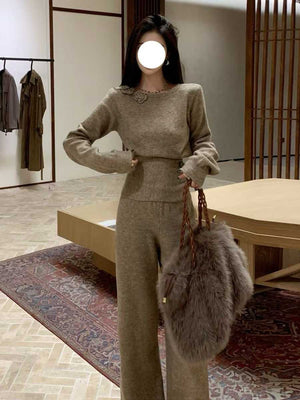
100 Sets Wholesale Women’s Soft Knit Lounge Sets - 2 Color One-Size Sweater Top & Wide-Leg Pants -  Clearance Tail Order - Boutique Ready Quiet Luxury Winter-to-Spring Stock

100 Sets Wholesale Women’s Soft Knit Lounge Sets - 2 Color One-Size Sweater Top & Wide-Leg Pants - Clearance Tail Order - Boutique Ready Quiet Luxury Winter-to-Spring Stock
LOT TYPE: Single-style, 2-color assorted, one-size knitwear set lot
Stock: 100Price: $3.50
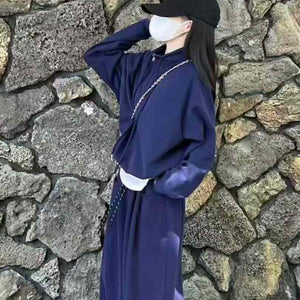
2,500 Sets Wholesale Fleece-Lined Women’s Streetwear Tracksuit – Oversized Zip Hoodie & Wide-Leg Sweatpants Set – Winter Athleisure Lounge Outfit – $3.80 Full Stock Liquidation Lot
2,500 Sets Wholesale Fleece-Lined Women’s Streetwear Tracksuit – Oversized Zip Hoodie & Wide-Leg Sweatpants Set – Winter Athleisure Lounge Outfit – $3.80 Full Stock Liquidation Lot

LOT TYPE: Single Style Color assortment Winter fleece loungewear
Stock: 2500Price: $3.80
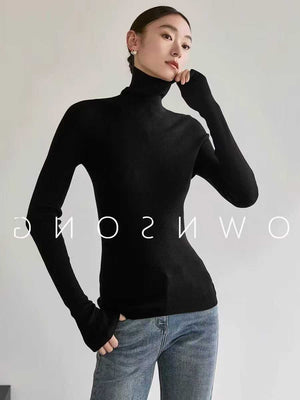
2,000 pcs Women’s 100% Wool Turtleneck Sweaters – Ultra-Slim Stretch Knit – Boutique Basic Winter Layer – Factory Tail-Order Clearance – $2.50 Bulk Stock Lot
2,000 pcs Women’s 100% Wool Turtleneck Sweaters – Ultra-Slim Stretch Knit – Boutique Basic Winter Layer – Factory Tail-Order Clearance – $2.50 Bulk Stock Lot

LOT TYPE: Single style bulk inventory Characteristics: • minimalist design • classic black knitwear • winter staple clothing item • timeless retail product
Stock: 2000Price: $2.50
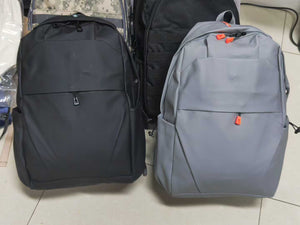
280pcs Urban Travel Laptop Backpacks – Minimalist Waterproof Tech Bags with USB Port – 2 Color Assorted Wholesale Lot – $2.50 Take-All Overstock Deal – Everyday Commuter & Student Backpack Inventory

280pcs Urban Travel Laptop Backpacks – Minimalist Waterproof Tech Bags with USB Port – 2 Color Assorted Wholesale Lot – $2.50 Take-All Overstock Deal – Everyday Commuter & Student Backpack Inventory

LOT TYPE: Single-style bulk lot 2 color assorted inventory
Stock: 280Price: $2.50

Shelf Pulls Over Returns: A Rule That Saves You Headaches

Here‘s a distinction that will save you money and frustration. Shelf pulls are items that never sold in stores — brand‑new, often still in original packaging, maybe with a little dust or a faded price sticker. Customer returns are items people sent back. Condition can range from “changed their mind, still new” to “ran it over with a truck and returned it anyway.”

When you‘re starting out, filter for shelf pulls first. Yes, they cost a little more per unit than returns. But you won’t spend hours sorting through damaged goods or trying to explain why that shirt smells like someone‘s basement. Paying a premium for shelf pulls often saves you money in processing time alone.

Platforms like B‑Stock Solutions offer direct access to major retailer liquidation auctions, with different lot sizes and condition grades to choose from.

Thrift and Flea Market Sourcing: The Boots‑on‑the‑Ground Path

Before you buy your first liquidation lot, consider whether thrift sourcing makes sense for you. It’s the lowest barrier to entry — you can start with $20 and a trip to your local Goodwill. The trade‑off? It‘s time‑intensive, and you’re hunting for individual pieces rather than buying in volume.

But here‘s where it gets interesting: the Goodwill Bins (Goodwill Outlet stores) sell clothing by the pound — typically $1–$2 per pound. You can walk out with 50 pounds of clothing for less than $100. One sourcing guide breaks down thrift store tiers from most expensive to least:

  • Commercial thrift stores (Goodwill, Salvation Army, Savers) — most expensive, but widest selection and consistent restocking.
  • Local independent thrift shops — often more reasonably priced with more curated selections.
  • Charity-based secondhand stores — excellent for inexpensive inventory, often supporting local causes.
  • The Goodwill Bins — pound pricing, absolute lowest cost, but requires the most sorting effort.

The strategy that works: build relationships with store employees and managers. Staff members may alert you to new inventory, upcoming promotions, or freshly stocked racks. One reseller noted that “building relationships with store employees, managers, and donation attendants” can lead to early access to items before they hit the sales floor.

The downside of thrift sourcing? It doesn‘t scale easily. You can’t spend your way to more inventory — you still have to drive to the store, dig through racks, and hope. That‘s why many resellers use thrift sourcing to fund their first wholesale purchase, then scale from there.
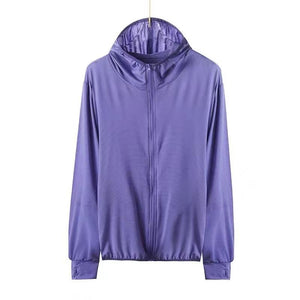
$5 Clearance: 5,000pcs Oversized UV Cooling Hoodies | SPF 50+ Sun Protection Jackets Bulk Lot | US Plus Size 2XL/3XL Friendly

$5 Clearance: 5,000pcs Oversized UV Cooling Hoodies | SPF 50+ Sun Protection Jackets Bulk Lot | US Plus Size 2XL/3XL Friendly

LOT TYPE: Single-style, 4-color assortment (Grey, Purple, Blue, Pink/White).
Stock: 5000Price: $5.00
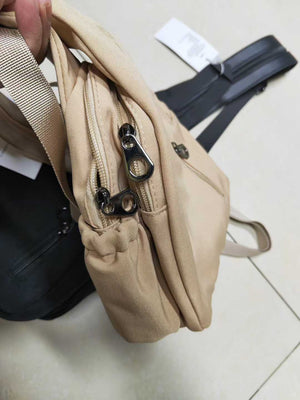
2500 Sets Bulk 4-Piece Aesthetic School Backpack Combo - High-Value Bundle with Crossbody & Travel Pouch - $5.00 Full Set Liquidation - Multi-Functional Student Gear Stock
2500 Sets Bulk 4-Piece Aesthetic School Backpack Combo - High-Value Bundle with Crossbody & Travel Pouch - $5.00 Full Set Liquidation - Multi-Functional Student Gear Stock

LOT TYPE: Multi-Piece Coordinated Sets / Universal Fit.
Stock: 2500Price: $5.00
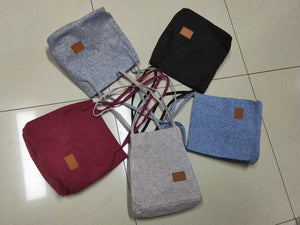
Bulk 5-Color Aesthetic Canvas Tote Bags - Minimalist Eco-Friendly Shopping Bags for Small Business - $1.50 Inventory Clearance - Durable Blank Totes for DIY Printing
Bulk 5-Color Aesthetic Canvas Tote Bags - Minimalist Eco-Friendly Shopping Bags for Small Business - $1.50 Inventory Clearance - Durable Blank Totes for DIY Printing

LOT TYPE: 5-Color Assortment / Professional Grade Canvas.
Stock: 360Price: $1.50
200pcs Wholesale Urban Utility Crossbody Sling Bags - Anti-Theft Chest Pack Lot for Travel & EDC - 2 Color Mix - $2.00 Take-All Liquidation Stock

200pcs Wholesale Urban Utility Crossbody Sling Bags - Anti-Theft Chest Pack Lot for Travel & EDC - 2 Color Mix - $2.00 Take-All Liquidation Stock

LOT TYPE: 2-Color Assortment (Classic Black & Tactical Grey/Navy).
Stock: 200Price: $2.00

Liquidation Platforms for Small Budgets: Where to Start

If you want to buy in volume without emptying your bank account, liquidation platforms are the answer. But not all of them are built for small budgets. Here’s where to look:

BULQ — The Beginner‘s Entry Point

BULQ is my top recommendation for budget‑conscious first‑time buyers. They offer case lots — not full pallets — starting around $200. Every case comes with a detailed manifest, so you know exactly what you’re getting. New inventory drops three times daily at 11 AM, 2 PM, and 5 PM ET. Flat‑rate shipping of $30 per case to anywhere in the US.

⚠️ Honest warning about BULQ: Reviews are mixed. Some buyers report receiving “New” cases that actually contain used, returned items. The strategy: only buy “New” or “Like New” manifests. Inspect everything when it arrives. And don‘t go all‑in on your first order — test with one case before scaling up.

B‑Stock Solutions — Official Retailer Auctions

B‑Stock runs the official liquidation auctions for Amazon, Walmart, Target, Costco, and other major retailers. You’re buying directly from the source — no middleman picking out the good stuff first. The downside? Most lots are truckloads or high‑count pallets. But they also offer smaller “loads” in certain categories, and the competition can drive prices down if you’re patient. For small budgets, watch for the smaller case lots and be ready to bid.

Via Trading — Clothing Specialists

Via Trading specializes in apparel liquidation. They offer manifested overstock, customer returns from retailers, and mixed lots. Their price points vary, but smaller pallets can fall within a $300–$800 range — manageable for a first purchase if you‘ve saved up.

Closo Wholesale — The Independent Sweet Spot

Closo Wholesale is built for independent resellers, offering manifested, high‑quality lots without requiring warehouse‑level capital. It’s the sweet spot between massive truckload liquidations and consumer-facing thrift sites.

🔍 A real‑world example of what’s possible: Mixed pallets of new, tagged fast‑fashion clothing — 450 pieces for $500 flat. That‘s just over $1 per piece before sorting. With those costs, selling pieces at $10–15 leaves plenty of room for profit after factoring in shipping and platform fees.

The Math That Actually Matters: Landed Cost

Most beginners look at the pallet price and stop there. That‘s a mistake. Here’s what you need to calculate before you click buy:

Landed Cost = Product Price + Shipping/Freight + Customs Duties + Warehousing + Payment Fees

Example — a 200‑piece clothing case lot at $2.50 per unit:

  • Product: $500
  • Shipping: $30 (flat rate)
  • Total landed: $530 → $2.65 per unit

If you sell at $15 per piece, your gross revenue is $3,000. After cost of goods, you‘ve got $2,470 before platform fees and your time. That’s the real math.

Now compare that to buying a blind mystery box at $250. You don’t know what‘s inside. The manifest (if there is one) is vague. You could end up with fifty pieces of unsellable junk. That $250 might as well be firewood.

Dropshipping: The No‑Inventory Option for Ultra‑Small Budgets

If you have less than $200 — or you want to test products before buying inventory — dropshipping is worth considering. With dropshipping, you never hold stock. Your supplier keeps the inventory and ships directly to your customer. You market and sell. You don’t pay for the item until it sells.

Here’s how to start with almost no budget:

  • Choose a dropshipping model. Fashion‑focused apps like Trendsi offer access to over 100,000 clothing products with fast US shipping.
  • Connect with Shopify brands through their Collective program to sell quality clothing inventory without upfront costs.
  • Find suppliers that can provide quality products with low or no MOQs — look for transparency in pricing, product details, and shipping timelines.

The trade‑off? Lower margins. You’re paying a premium for the convenience of not holding inventory. But for resellers with truly tiny budgets — or anyone wanting to test a niche before committing — dropshipping is a viable on-ramp.

⚠️ The dropshipping catch: You have less control over quality and shipping times. Customer service becomes your responsibility even when the supplier messes up. And margins are thinner — sometimes 15–30% instead of the 50–70% you can get buying wholesale lots. Use dropshipping to test, then scale into wholesale once you prove demand.

Common Mistakes That Cost Real Money (Learned the Hard Way)

  • Buying mystery boxes as a beginner. Unmanifested lots from consumer thrift sites are a gamble designed to liquidate unsorted inventory. Stick with manifested lots that have clear condition notes.
  • Ignoring total landed cost. That cheap pallet isn‘t cheap once you add freight. Calculate before you commit — not after.
  • Panicking over the 2-3% defect allowance. True wholesale liquidation has a small defect tolerance — it’s why the price is aggressive. Don‘t leave a one‑star review because you found three flawed items in a 200‑piece lot. That’s the deal. Plan for it.
  • Paying via wire transfer. Use credit cards or platform payment systems that offer chargeback protection. Wire transfers give you zero recourse if goods never arrive.
  • Buying inventory you personally like instead of what sells. You might love neon patchwork cardigans, but your customers probably want neutral everyday basics. Check sold listings before you buy.
  • Forgetting to get a resale certificate. Most legitimate wholesalers won‘t even show pricing without a valid Resale Certificate or Sales Tax ID. Apply through your state’s department of revenue — it‘s free or under $50.
  • Skipping the supplier vetting process. Always check business registries, request references, and read platform reviews. A supplier with Trustpilot scores below 2 stars has accumulated over 1,000 verified complaints — often with photo evidence of defects.

A 30‑Day Action Plan for Your First Purchase

Week 1: Get Legal and Set Your Budget

Apply for your resale certificate. Set a firm budget — $200, $500, whatever you can afford. Not a dollar more. Open a separate bank account for your resale business if you can.

Week 2: Join Sourcing Communities and Do Research

Join r/Flipping and r/BehindTheClosetDoor. Search for the platforms you‘re considering. Look for recent posts — the market changes fast. Read reviews. Take notes.

Week 3: Pick a Platform and a Single Case Lot

Choose BULQ for your first purchase. Filter for “New” or “Like New” only. Pick one case lot within your budget — not two, not three. One.

Week 4: Inspect, List, and Learn

When the box arrives, open it. Compare what you received against the manifest. Note any discrepancies. Start listing your best pieces first. Track sell‑through rate. Pay attention to which categories and price points move fastest.

The Bottom Line: Start Small, Learn Fast, Scale Smart

Here‘s what I wish I had known before I spent $250 on that mystery box of polyester blouses and single flip‑flops: sourcing clothing inventory with a small budget is absolutely possible. But you have to be smarter than the people selling the dream.

You need manifests, not mystery boxes. You need micro‑bulk, not blind pallets. You need landed cost calculations, not wishful thinking. And you need a resale certificate before you talk to any supplier.

Start with BULQ or a small thrift haul. Use your first $200–500 to learn. Make your mistakes on small lots, not big ones. Reinvest your profits. Scale what works and cut what doesn‘t. That’s how real resellers build sustainable businesses — one case lot at a time.

Now go find your first manifest. And please — for the love of all that is holy — don‘t buy the mystery box.

📚 Expert Insights

  • Start with platforms that offer manifested lots under 500.∗∗BULQofferscaselotsstartingaround500.∗∗BULQofferscaselotsstartingaround200 with detailed manifests. You‘ll know exactly what’s inside before you pay.
  • Thrift with a system, not just hope. The Goodwill Bins sell clothing by the pound — typically 1–2perpound.With450piecesperpalletfromfast−fashionsourcescostingaround1–2perpound.With450piecesperpalletfromfastfashionsourcescostingaround500 flat, you‘re looking at just over $1 per item before you even sort.
  • Set a monthly inventory budget of 20–30% of sales. Allocate a percentage of sales to replenish fast sellers and experiment with new categories.
  • Build relationships with store employees. Staff at thrift stores, consignment shops, and even liquidation warehouses may alert you to fresh inventory or upcoming promotions before the general public.
  • Test categories with micro-bulk before scaling. Micro-bulk assortments typically run 50–250 units and allow you to refresh racks frequently without tying up capital.
  • Order samples from any new supplier. Start with small test orders of 1–2 pieces to evaluate quality consistency. Use platform-backed trade assurance programs to protect payments.
  • Check sell‑through rates before buying a manifest. Search completed eBay listings for brands and categories in your potential lot. If similar items aren‘t selling, they won’t sell for you either.

Micro-BulkSmall curated assortments of 50–250 units. Ideal for testing categories without tying up capital.ManifestAn itemized inventory document listing every SKU, quantity, condition grade, and estimated retail value inside a lot. Your map — never buy without one.Blind / Unmanifested LotA pallet or truckload sold without an item list. You don‘t know what’s inside until it arrives. Cheaper but much riskier.Shelf PullsItems removed from retail shelves — unsold but still brand new. Usually in original packaging with minor shelf wear. Safer than customer returns.Landed CostTotal per-unit cost after adding product price + shipping + customs duties + warehousing + fees. The only number that matters for your margin.MOQ (Minimum Order Quantity)The smallest number of units a supplier will sell. Low MOQs under 50 units are ideal for budget buyers.Resale CertificateState-issued document allowing you to buy wholesale without paying sales tax. Required by most legitimate wholesale platforms.

  1. Buying mystery boxes as a beginner. Unmanifested lots from consumer thrift sites are a gamble designed to liquidate unsorted inventory. Stick to manifested lots with condition notes.
  2. Ignoring total landed cost. That 250palletmightcost250palletmightcost150 to ship. Calculate freight and fees before you bid — not after.
  3. Overlooking the 3% defect tolerance. True wholesale liquidation has a small defect allowance (typically 2–3% minor flaws). That‘s why the price is low. Don’t panic — plan for it.
  4. Paying via wire transfer without protection. Use credit cards or platform payment systems that offer chargebacks. Wire transfers give you zero buyer protection.
  5. Buying inventory you personally like instead of what sells. You might love neon patchwork cardigans, but your customers may want neutral everyday basics. Let market data drive purchases.
  6. Forgetting to get a resale certificate before contacting suppliers. Most legitimate wholesalers won’t even show pricing without a valid Resale Certificate or Sales Tax ID. Apply through your state‘s department of revenue — it’s free or under $50.
  7. Skipping the vetting process. Always check business registries, request references, and read platform reviews. A supplier with Trustpilot scores below 2 stars has accumulated over 1,000 verified complaints.

Do you provide a detailed manifest before I purchase, and what is your manifest accuracy rate?

What is your MOQ for first-time buyers, and can I order a small sample lot before committing to a full pallet?

Are these shelf pulls, customer returns, or overstock — and what grading system do you use for condition?

What happens if more than 3% of the items are damaged or unsellable? Do you offer credits or replacements?

Do you require a resale certificate, and what payment methods do you accept?

What is the shipping cost to my location, and can I get a freight quote before I commit?

Can you provide references from other buyers who started with a similar budget?