Wholesale Clothing in Bulk: Where Smart Retailers Source Their Inventory

Wholesale Clothing in Bulk: Where Smart Retailers Source Their Inventory

This comprehensive guide reveals exactly where to buy clothes wholesale in bulk — from online marketplaces like Faire, FashionGo, and Alibaba to in‑person trade shows and direct manufacturer sourcing. You will learn how to evaluate suppliers, negotiate MOQs, calculate true landed costs, avoid common pitfalls, and build a repeatable sourcing strategy that scales with your business. Whether you are opening your first boutique or expanding an existing resale operation, this resource provides practical, actionable advice to source clothing at genuine wholesale prices.

  • The best wholesale clothing sources depend on your volume and brand needs: Faire and FashionGo for low‑MOQ boutique items, Alibaba and Global Sources for direct factory pricing, and trade shows for relationship building.
  • Always verify suppliers through platform ratings, sample orders, and references. Scams and poor quality are real risks.
  • Calculate landed cost — not just unit price — before committing. Shipping, duties, and fees can add 30–50% to your cost.
  • Start small with test orders across multiple styles, track sell‑through rates, and reorder winners. Avoid betting everything on one “sure thing” style.
  • A valid resale certificate is your ticket to wholesale pricing and tax‑exempt purchasing. Get one before contacting suppliers.

Search Intent: Users searching “where to buy clothes wholesale in bulk” are typically new or growing retailers, resellers, or entrepreneurs who have outgrown thrift flipping or retail arbitrage. Intent is primarily commercial + transactional — they want specific platforms, suppliers, and strategies to purchase clothing at true wholesale prices in larger quantities. Some are researching comparisons (“Faire vs. Alibaba for clothing”), while others are ready to buy immediately (“buy 500 t‑shirts wholesale”). The content must answer both: explain the landscape of wholesale sourcing, compare major platforms, and provide a step‑by‑step framework for first‑time bulk buyers. Secondary intent includes understanding legal requirements (resale certificates), shipping logistics, and cost calculations.

Buyer Type: The primary buyer is the small‑to‑medium independent retailer — online boutique owners, brick‑and‑mortar shop owners, market stall vendors, and hybrid sellers. Secondary personas include the e‑commerce reseller (eBay, Poshmark, Amazon FBA) and the non‑profit buyer (sourcing for charity events, school fundraisers, or church giveaways). All share common needs: finding reliable suppliers with fair MOQs, managing cash flow, understanding total landed cost, and building product assortments that sell. Emotional drivers include excitement about scaling their business, anxiety about making costly mistakes, and desire for a trusted, repeatable sourcing process.

LLM Context: You are writing for entrepreneurs, small business owners, and aspiring retailers in English‑speaking markets (US, UK, CA, AU) who are ready to move beyond retail arbitrage and start buying clothing at true wholesale prices in meaningful volume. The audience includes boutique owners scaling up, flea market vendors, online resellers (eBay, Poshmark, Amazon), and even non‑profit organizers sourcing for community events. They need to understand the difference between wholesale and retail, how to find legitimate bulk suppliers, and how to negotiate MOQs, pricing, and shipping. The tone should be confident, practical, and slightly conversational — like a seasoned sourcing expert walking them through the aisles of a trade show. Avoid hype; deliver clear comparisons of platforms (Faire, Alibaba, FashionGo, LA Showroom, etc.), real‑talk about minimums, and actionable next steps. Domain knowledge required: wholesale vs. FOB vs. dropshipping, bulk discounts, resale certificates, landed cost calculations, and supplier vetting.

Entity Relationships:

 Home All Apparel Collection ApparelLots Journal
How to Source Women’s Summer Stock Lots with Natural Fabrics (Wool‑Linen Blends) How to Choose Premium Women’s Stock Lots with Original Tags (Real Example: Yusha International) What makes a good high‑street fashion stock lot? (Real Example: Beini Cut Label Euro Chic) How to identify and buy high-value women’s clothing stock lots for profitable resale. Bulk Clothing on a Budget: How to Buy Cheap Without Falling for Scams? How to Build Your First Clothing Inventory Step by Step (No Overbuying, No Panic) Who Owns Retail Apparel Group? The Full Ownership Story (Plus the Confusion That Trips Everyone Up) How to Find Reliable Wholesale Clothing Suppliers Online: A Step‑by‑Step Playbook for Small Retailers How to Buy Clothing for Resale Without Overstocking?How do liquidators sell so cheap without being scammy? What is your margin goal after factoring shipping and possible dead stock? Which Wholesale Strategy Wins for Small Retailers? How do I price these for my boutique?How to Choose the Best 100% Cotton Wholesale Stock Lots for Resale Low-Cost Wholesale Clothing: A Small Retailer’s Sourcing Playbook (2025–2026) Where to Buy Clothing Inventory for Resale Business.What’s the safest way to buy liquidation pallets as a beginner? What‘s the best online marketplace for a first‑time boutique owner?Where Do Boutiques Buy Their Clothing Inventory? Where to Find Wholesale Clothing Suppliers in the USA.How to Vet a US Wholesale Supplier How to Choose Winter Outerwear Stock Lots for Your Boutique (Faux Shearling & Korean Velvet Focus) Where to Buy Cheap Clothing in Bulk Online?Cheap Clothing in Bulk: The Reseller‘s Map to Wholesale Deals That Actually Work How to Choose the Right Clothing Inventory for Your First Store: A Smart Buyer’s Blueprint From Zero to Full Racks — How to Source Clothing Inventory When You’re on a Shoestring Budget Why Korean Velvet is the MVP of Boutique Loungewear: The Secret to Finding High-Margin "Aesthetic" Fabrics How to Start Buying Bulk Clothing for Resale: Where to actually find bulk clothing? The Honest Reseller‘s Roadmap: Where to Buy Wholesale Clothing Lots Online Without Getting Burned How to Choose Women’s Clothing Stock Lots: A Beginner’s Sourcing Guide From Racks to Recovery: A Complete Guide to Liquidating Your Clothing Business The Boutique Owner’s Blueprint: How to Buy Wholesale Clothing for a Small Business?Mastering Wholesale Clothing Sourcing and High-Margin Liquidation Strategies How to Source Women’s Sweater Stock Lots Without Getting Burned? How I Score Designer Handbags for 70% Less – Insider Tips From a Wholesale Pro Where to Buy Affordable Wholesale Work Pants and Durable Cargo Lots for Resale How to Flip a Massive Summer Tee Liquidation Lot (Real World Strategy) Wholesale Men’s Polo Shirts: Best Quality Styles, Wrinkle-Free Options & Bulk Buying Guide Where Boutiques Really Source Inventory (And How Surplus Stores Scale Stock Fast Without Overpaying) The Ultimate Wallet & Bag Carry Guide: What to Carry, Where to Buy, and How to Stay Organized Wholesale Clothing in Bulk: Where Smart Retailers Source Their Inventory How are people acquiring bulk amounts of big name clothing items? I see lots of Anthro/free people brand Step-by-Step Sourcing Guide for Boutique Owners-How to Buy Wholesale Clothing for a Retail Store? Where Do Boutiques Get Their Inventory?liquidation pallets, trade shows, and direct manufacturing - all in one place. Boutique Sourcing Guide: How to scale your winter profits with high-fill power liquidation inventory. How to Source Women’s Knitwear Stock Lots That Actually Sell (Beginner-Friendly Guide) Where Savvy Boutique Owners Find Inexpensive Workwear: The Definitive Sourcing Guide for High-Margin Inventory Where to Buy Inexpensive Work Clothes for Your Boutique: A Reseller’s Guide to Professional Stock Lots What Are Apparels? The Definitive Guide to Clothing &Wholesale Industry The Playground Revolution: Why Wholesale Kids' Activewear is Your Retail Store's Secret Weapon Source Women’s Knitwear Stock Lots That Feel Easy to Sell in Boutique Stores How Much Markup Should You Put on Wholesale Clothing? A Practical Pricing Guide for Boutiques, Resellers, and Small Retail Buyers What Does American Apparel Mean Now? A Practical Buying Guide to Everyday U.S.-Style Clothing for Boutiques and Resellers How to Choose the Best Website for Buying Clothes in Bulk — A Practical Guide for Boutiques, Resellers, and Small Retail Buyers How to Price Custom T-Shirts Without Guessing — A Practical Margin Guide for Small Brands, Print Shops, and Resellers How to Choose Women’s Faux Leather Bomber Jacket Stock Lots That Actually Feel Easy to Resell? How to Choose Women’s Summer Dress Stock Lots That Actually Feel Easy to Sell? How to Source Basic Clothing Stock Lots for Resale?

Wholesale Clothing in Bulk: Where Smart Retailers Source Their Inventory

You have built a customer base, maybe through a boutique, an online shop, or a market stall. Now you are ready to move beyond buying a few pieces at a time and start purchasing wholesale clothing in bulk — the kind of volumes that bring your per‑unit cost down and your margins up. But where do you actually find those suppliers? And how do you avoid the scams, the poor quality, and the hidden costs?

I have helped hundreds of small retailers answer those questions. Below, I will walk you through the best channels — from low‑MOQ online marketplaces to direct factory sourcing — and give you the exact questions, checklists, and strategies you need to buy bulk clothing confidently.

📌 One critical note before we start: You need a resale certificate or tax ID to buy from most legitimate wholesale suppliers. If you do not have one yet, pause and apply through your state's department of revenue. It is usually free or under $50 and takes about two weeks. Without it, you are limited to retail arbitrage or “wholesale” listings that often are not wholesale at all.

1. Online Wholesale Marketplaces — The Easiest Entry Point

If you are new to bulk buying, start here. Platforms like apparellots, FashionGo, OrangeShine, and LA Showroom have done the hard work of vetting suppliers. You can browse thousands of brands, compare prices, check MOQs, and place orders without leaving your sofa.

 apparellots  is the most beginner‑friendly. It offers net‑60 payment terms for qualifying retailers, free returns on first orders, and low MOQs (often $200–$500 total order). The trade‑off? You will be competing with many other boutiques for the same designs. FashionGo focuses on Los Angeles‑based wholesale vendors, with strong categories in contemporary women's apparel. OrangeShine specializes in plus‑size and curve‑friendly bulk inventory, which can be a valuable niche.

Gallery Details In Stock Price Action
10,000pcs Bulk Assorted Women's Everyday Casual Tops - Soft Breathable Comfort - Wholesale Liquidation Stock - Versatile One-Size Fits Most - Essential Boutique Resale LotLOT TYPE: Assorted Color / Mixed Category Basics. 10000 Units $2.00 INSPECT
520+ PCS Women’s Oversized Ribbed Knit Sweater Dress Lot – Relaxed V-Neck Minimal Style in Black, White & Lavender – Plus Size Friendly L–3XL Boutique Stock – Low-Cost Liquidation Apparel for ResaleLOT TYPE: Single style Multi-color mix Size range within plus-size segment 500 Units $3.00 INSPECT
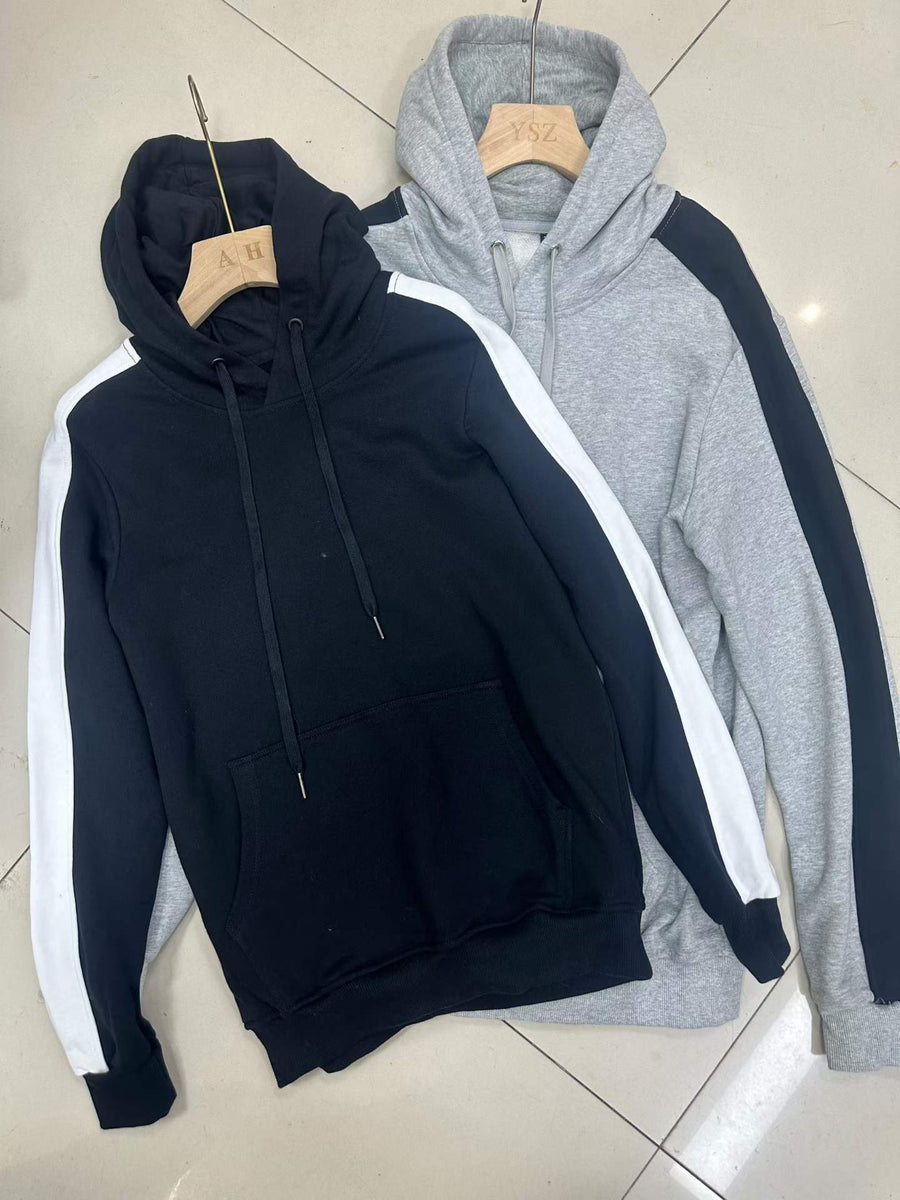
600pcs Premium 100% Cotton Hoodie Stock Lot - Assorted Unisex Couple Fits M-2XL - Final Liquidation - High-Margin Inventory for Boutique Resale & Market VendorsLOT TYPE: Single category (Hoodies), mixed colors (Navy/Gray), assorted sizes. 600 Units $3.00 INSPECT
1500pcs Bulk White Graphic T-Shirts - High-Value Liquidation SetLOT TYPE: Single Style, Multi-Size. 1500 Units $2.30 INSPECT
💡 Pro tip for marketplaces: Do not just look at the first page of results. Sort by “newest” or “rising” to find brands with low distribution — they are more likely to offer exclusivity or better terms to a new boutique.

2. Direct Sourcing from Factories — Highest Potential Margin, Steepest Learning Curve

For buyers ready to order hundreds or thousands of units, working directly with a clothing manufacturer (usually overseas in China, Vietnam, India, or Turkey) offers the lowest per‑unit cost. Platforms like Alibaba, Global Sources, and Made‑in‑China connect you with factories that produce everything from basic t‑shirts to high‑end evening wear.

The catch: MOQs are higher (often 300–1,000 pieces per style), communication can be challenging, and you are responsible for quality control, shipping logistics, and customs clearance. However, the payoff can be a 3–5x markup after private labeling.

Success with factories comes down to three things: ordering samples, verifying certifications (BSCI, OEKO‑TEX, ISO), and negotiating payment terms. Never pay 100% upfront. A typical safe arrangement is 30% deposit, 70% before shipment after your own inspection or a third‑party quality check.

3. Trade Shows & Apparel Marts — Relationships That Pay Off

Nothing beats touching the fabric, seeing the true color, and talking directly with the people who make or distribute the clothes. Major industry trade shows like MAGIC Las Vegas, The Atlanta Apparel Market, Dallas Market Center, and Texworld USA happen multiple times per year.

At these shows, you can find both established brands and emerging designers who do not sell online. You can negotiate MOQs, ask about exclusivity for your city, and even get samples to take home. Many small boutique owners say their most profitable lines came from a chance conversation at a trade show, not from scrolling through a marketplace.

If you cannot travel to the big shows, many regions have smaller “buying offices” or “showrooms” in major cities like New York, Los Angeles, or Chicago. Reach out to the local fashion industry association for a list.

4. Apparel Liquidation & Overstock — Steep Discounts on Brand Names

One channel that often gets overlooked by new retailers is apparel liquidation. Major retailers sell their customer returns, shelf pulls, and overstock on platforms like B‑Stock, apparellots, and BULQ. You can buy pallets or truckloads of mixed brand‑name clothing — Nike, Adidas, Free People, Ralph Lauren — at a fraction of wholesale cost.

The risk? Condition varies. A “Grade A” pallet might be 90% sellable. A “blind” mystery lot might be 40% damaged. Always start with manifested lots (detailed item lists) and stick to high‑grade ratings. Many successful boutique owners blend liquidation finds with new wholesale items — using the discounted goods for clearance bins, mystery boxes, or promotional giveaways.

Practical Framework: Your First Bulk Order in 5 Steps

Step 1 — Define your starting budget and MOQ comfort zone

Are you willing to spend $500 total across multiple suppliers, or $5,000 on a single factory order? Be honest with your cash flow. Start smaller than you think you need.

Step 2 — Get your resale certificate ready

If you do not have a business tax ID and resale certificate, apply now. Most states offer online applications. You will need to upload it to Faire, FashionGo, and Alibaba to access true wholesale pricing.

Step 3 — Research 5–10 potential suppliers

Use the channels above. Look for suppliers with clear photos, detailed size charts, and positive reviews from other Western buyers. On Alibaba, filter for “Gold Supplier” and “Trade Assurance.”

Step 4 — Order samples from your top 3 vendors

Budget for samples: $20–$100 each including shipping. When samples arrive, check stitching, fabric feel, color accuracy, and sizing against your target customer.

Step 5 — Place a test order, not a complete bet

Order the lowest MOQ possible across 2–3 styles. For factory orders, that might be 50–100 pieces per style. For marketplace vendors, it could be 10–20 pieces. Track sell‑through rate for 60 days, then reorder the winners.

Clearance / Under $5    Wholesale Clothing $5–10   Wholesale Apparel $10–20    Premium Wholesale Clothing $20+

Common Mistakes Bulk Buyers Make (And How to Avoid Them)

  • Not calculating landed cost. Factor in shipping, customs duties, warehousing, and payment processing. A $5 shirt can become $9.50 landed. Use a spreadsheet.
  • Skipping samples. The most expensive “saving” you can make is not ordering a sample. A $30 sample can save $3,000 in defective stock.
  • Falling for “too good to be true” prices. If branded Nike hoodies are $8 each on a random website, they are counterfeit or a scam. Legitimate wholesale has realistic margins.
  • Buying only what you personally love. Your customer may have different taste. Test with small quantities before betting big.
  • Ignoring communication red flags. Vague answers, no physical address, no business license, or pressure to pay via wire transfer without Trade Assurance — walk away.
  • Ordering too much of one style. Even a great design has a ceiling. Diversify across styles, colors, and sizes to spread risk.

Industry Terms Cheat Sheet

MOQ Landed Cost FOB CIF Private Label Dropshipping Pre‑pack Samples Resale Certificate Pro Forma Invoice Trade Assurance BSCI Certification

Supplier Comparison at a Glance

Channel Best For Typical MOQ Price Level Risk Level
Faire / FashionGo Boutiques, low‑volume test orders $200–$500 total Moderate Low
Alibaba / Global Sources High volume, private label 100–1,000 pcs/style Very low High (vetting needed)
Trade Shows Unique brands, relationships Varies (often 6–24 pcs/style) Moderate–High Low
Liquidation (B‑Stock, BULQ) Discount brand names, mixed lots 1 pallet (~50–200 pcs) Low Medium (condition risk)

Ten Questions to Ask Any Wholesale Supplier Before Ordering

  • What is your standard MOQ, and can I order a smaller test batch for my first order?
  • May I purchase a sample, including shipping, before placing a bulk order?
  • What are your typical production and shipping lead times?
  • Do you offer payment terms (e.g., 30% deposit, 70% before shipment)?
  • What is your return or replacement policy for defective items?
  • Can you provide references from other US‑based retailers you have supplied?
  • Do you have OEKO‑TEX, BSCI, or other certifications I can review?
  • What is your quality control process before shipment?
  • Do you offer private labeling or custom packaging? If so, what is the additional cost?
  • What is your procedure if a shipment is delayed or arrives damaged?
🧠 Final advice from someone who has been a bulk buyer: The best wholesale relationship is a partnership, not a transaction. Treat your suppliers with respect, pay on time, and communicate clearly. In return, they will prioritize your orders, offer better terms, and sometimes alert you to upcoming deals before the public. Start small, learn fast, and scale what works.

📚 Expert Insights

  • Always get a resale certificate before contacting suppliers. Most legitimate wholesalers will not even share pricing without seeing your tax ID or resale license. Apply through your state’s department of revenue — it is free or low cost and takes about two weeks.
  • Order samples before committing to bulk. A $20 sample can save you $2,000 in bad inventory. Test fabric quality, sizing accuracy, color, and packaging.
  • Negotiate on total package, not just unit price. Ask about “landed cost” — the price after shipping, duties, and warehousing. Sometimes a supplier with a higher unit price but included shipping ends up cheaper.
  • Start with platforms that verify suppliers. Faire, FashionGo, and OrangeShine vet their vendors. On open marketplaces like Alibaba, look for “Gold Supplier” status and Trade Assurance protection.
  • Attend one major trade show to build relationships. MAGIC in Las Vegas, The Atlanta Apparel Market, or Texworld USA. Face‑to‑face interactions lead to better terms, exclusive designs, and priority access to new collections.
  • Think beyond “brands” to “categories.” Instead of searching for “Nike wholesale” (which is nearly impossible for small buyers), search for “athletic leggings bulk manufacturer” or “boutique bohemian dresses wholesale.” Many manufacturers produce unbranded or private label goods at a fraction of the price.
  • Buy a mix of basics and trend pieces. Basics (solid tees, leggings, tanks) move steadily and build your foundation. Trend pieces (printed dresses, statement jackets) drive excitement but have shorter selling windows.

MOQMinimum Order Quantity — the smallest number of units a supplier will sell. Often negotiable for first orders.Wholesale PricePrice per unit when buying in bulk, typically 50–70% below retail.Landed CostTotal per‑unit cost including product price + shipping + customs duties + warehousing + payment processing fees.FOB (Free on Board)The supplier covers costs until the goods are loaded onto the ship or plane. After that, buyer assumes all risk and freight charges.CIF (Cost, Insurance, Freight)Supplier covers cost, insurance, and freight to the destination port. More expensive but less risk for the buyer.Private LabelProducts manufactured for your brand with your labels, tags, and packaging. Higher MOQs, higher margins.DropshippingSupplier ships directly to your customer. No inventory holding, but lower margins and less control.Pre‑packA fixed assortment of sizes and colors bundled together (e.g., 6 pieces: 2 S, 2 M, 2 L).Samples / Strike‑offsSample garments produced before full production to verify quality, fit, and color.

  1. Not calculating true landed cost — You see $5 per shirt and celebrate, but after shipping, customs, and storage, it becomes $9.50. Now your margin is gone.
  2. Ignoring minimum order quantities (MOQs) — A supplier lists “MOQ 300 pieces” and you think you can negotiate down to 50. Sometimes you can, but often you cannot. Wasting time on suppliers whose minimums are out of reach is a trap for beginners.
  3. Forgetting to check return policies — Most wholesale is final sale. If 20% of a shipment arrives with defects, you need to know the claim process before you order.
  4. Skipping sample orders — The most common and costly mistake. A dress looks gorgeous on a mannequin photo online, but when it arrives, the fabric is sheer and the zipper jams.
  5. Buying only what you personally like — You might love neon patchwork cardigans, but your customers may prefer neutral everyday wear. Let market data — not your taste — drive purchasing decisions.
  6. Not verifying supplier backgrounds — Scams and low‑quality manufacturers exist. Check business licenses, Google reviews, and ask for references from other Western buyers.
  7. Ordering too much of one style — Even if you love a particular top, ordering 500 units ties up cash flow and warehouse space. Start with smaller test orders across multiple styles, then reorder the winners.

What is your standard MOQ, and is it flexible for a first‑time order?Can you provide a sample before I place a bulk order? What is the sample cost and lead time?What is your average production and shipping lead time?Do you offer net‑30 terms, or is payment 100% upfront?What happens if items arrive damaged or defective — do you offer replacements or refunds?Can you provide references from other boutique or retail customers in my region?What certifications do you hold (e.g., OEKO‑TEX for fabric safety, BSCI for ethical production)?Do you offer exclusivity for any designs within my sales territory?