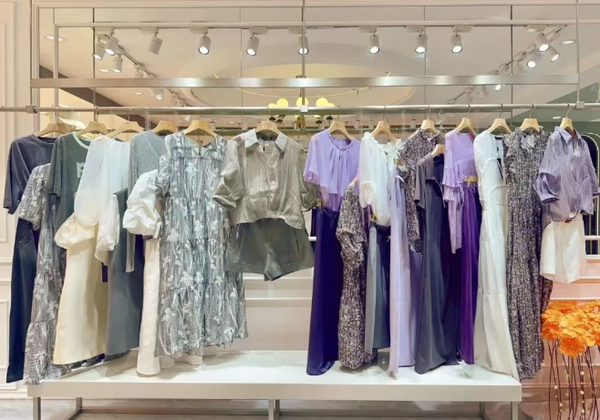
How to Buy Clothing for Resale Without Overstocking?How do liquidators sell so cheap without being scammy?
Smart inventory strategies for boutique owners, online resellers, and wholesale buyers — learn to balance demand, cash flow, and storage space without drowning in unsold stock.
Up to 40% of global garment production goes unsold every year (80–150 billion units). That's $140 billion tied up in dead stock — but also a huge opportunity if you buy smart. In this guide, I'll show you exactly how boutique owners and resellers keep their inventory lean and their cash flowing.
Think of this as your behind-the-scenes playbook.
📖 What you’ll learn (skip to what matters)
- 🎯 The real cost of overstock (it’s worse than you think)
- 🧠 5 strategies that actually work — used by pros
- 📊 US vs EU buying differences no one tells you
- ❌ The 5 biggest inventory mistakes (stop them now)
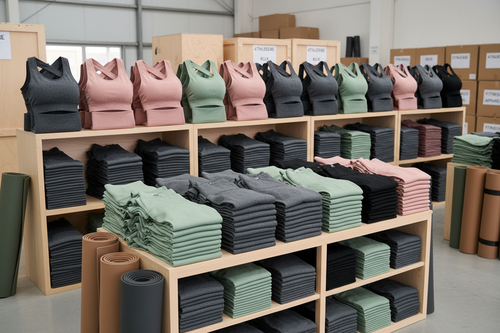
- 📦 Where to source wholesale clothing without overcommitting
- 🤯 Reseller FAQs: test buys, MOQ, and live selling trends
The hidden cost of buying too much fashion inventory
Let's be real for a second. You find a killer wholesale deal — pallets of trendy denim jackets at $4 apiece. Your brain starts doing math: "If I sell these for $25 each, that's insane profit." So you order 500 units. Fast forward three months: the trend cooled off, you've only sold 80, and your spare bedroom looks like a denim graveyard. That's overstock paralysis, and it's the #1 profit killer for small clothing resellers.
Overstock isn't just about warehouse clutter. It's trapped cash that could have been used for a fast-moving product. Carrying costs (storage, insurance, labor) eat margins. And by the time you slash prices to 70% off, your profit disappears. So how do successful boutique owners avoid the pile-up? They treat inventory like a lean machine, not a hoarder's paradise.
5 smart strategies to buy wholesale clothing without drowning in stock
These aren't fluffy theories — they’re battle-tested by multi-channel sellers who move thousands of SKUs yearly. Let's get into the weeds.
1. Data-driven demand forecasting (not just "vibes")
Most overstock happens because we guess demand instead of measuring it. Look back at your last 8–12 weeks of sales, not just by month but by weekday and promotions. Tools like Increff or even a clean spreadsheet can tell you which sizes, colors, and styles actually fly off the shelf[reference:1]. Plus, use real-time signals: social media mentions, what competitors are selling out of, and even your own site traffic. Pro tip: Try small seasonal "test drops" before committing to large volumes.
2. Negotiate flexible MOQs (Minimum Order Quantities)
Too many resellers accept the supplier's first MOQ as law. Instead, ask for mixed lot samples or tiered pricing. "Can you do 50 units instead of 200 at a slightly higher unit cost?" Smart suppliers would rather have a long-term, consistent buyer than force a huge upfront order that burns you[reference:2]. At ApparelLots, we've seen this work beautifully — small boutiques start with mixed overstock lots to test sell-through, then scale only what performs.
📦 Mixed-Lot Starter
Flat rate, assorted styles, sizes, and categories. Perfect for discovering what your audience likes without betting the farm. Lower risk, but less curation.
🎯 Single-Style Tail Order
You already know a hero product. Order 1–2 months of projected sell-through — not 6 months. Use reorder triggers to restock lean.
3. Use the FIFO method and stock-aging reports
First-In, First-Out isn't just for groceries. For fashion, it prevents your older stock from becoming dust-collectors. Track inventory aging (30/60/90+ days). If a hoodie line hasn't sold 30% in 45 days, mark it down before it's dead weight. BlueKaktus highlights: monitoring sell-through rates weekly allows early markdowns and avoids 70%-off panic sales later[reference:3].
4. Automated reorder points & safety stock
Instead of bulk-ordering "just in case," set a reorder point for each top SKU. Example: when inventory hits 20 units left, automatically trigger a replenishment of 50 units based on average weekly sales velocity. Simple inventory software can do this today. You avoid both stockouts and overstock[reference:4].
5. Embrace liquidation and overstock as a strategic source
Paradox: you can buy overstock from brands as a smart sourcing move — but with tight controls. Liquidation clothing (returns, shelf pulls, end-of-season) costs pennies on the dollar, allowing you to test new categories cheaply. The key is to always ask for manifests: how many units, size breakdown, defects, and brand tier. A solid manifest from a trusted liquidation supplier lets you buy 100–200 pieces without blind risk[reference:5].
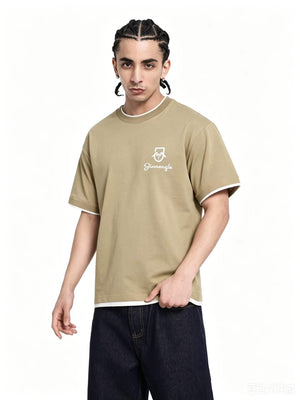
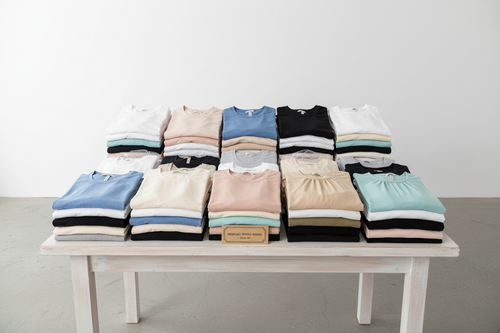
500pcs Bulk Essential Aesthetic T-Shirts - Premium 100% Cotton Feel - Liquidation Price - Oversized Streetwear Basic Tees for Resellers
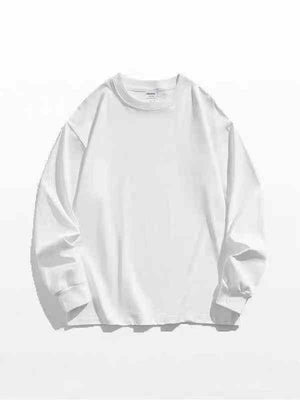
800pcs Wholesale 100% Cotton Long-Sleeve Tees - Essential Oversized Minimalist Crewneck Stock - Full Lot Liquidation - Premium Basic Apparel for Resellers
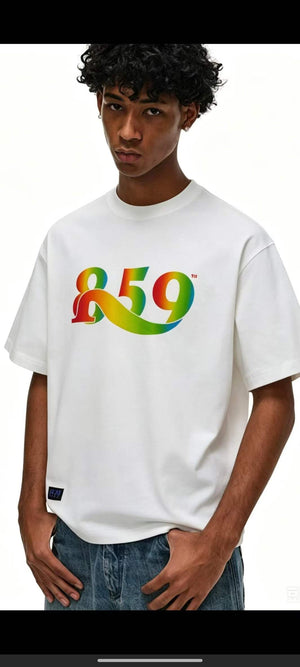
1000pcs Bulk 859 Rainbow Logo T-Shirts - 220g Heavyweight Cotton Blend - Liquidation Stock Lot for Resellers - Original Tagged Premium Basics

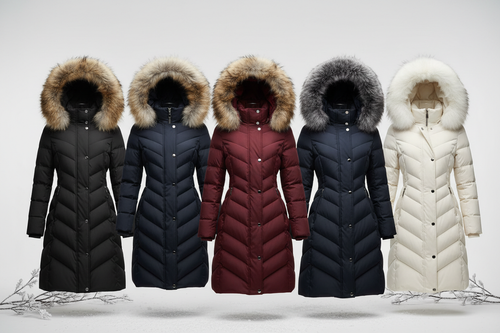
800pcs Korean Velvet Sheepskin Jacket Lot – Sizes S/M/L – Winter Outerwear Overstock – Take‑All Liquidation – Boutique Stock Lot
How inventory management differs between US and EU resellers
If you're selling cross-border or sourcing from both continents, there are subtle but crucial differences in buying behavior and inventory strategy.
| Aspect | 🇺🇸 United States | 🇪🇺 European Union |
|---|---|---|
| Order quantities | Often larger MOQs (100–500+ units), faster turnover expected. | Smaller orders (~50–60% of US volume), but slightly higher unit margins[reference:6]. |
| Inventory focus | Bulk overstock & returns liquidation is massive; aggressive pricing. | Stronger emphasis on premium/luxury segments, circular economy, and lower markdown frequency. |
| Peak seasons | Black Friday–New Year drives major overstock risk. | Multiple micro-seasons (sales periods, VAT timing). |
| Supply chain visibility | 37%+ still use spreadsheets, tech adoption slower in mid-market[reference:7]. | Higher readiness for DPP (Digital Product Passport) and traceability demands. |
For EU resellers, the push toward on-demand production and resale platforms is accelerating. For US resellers, off-price stores and TikTok Lives create massive volume swings. Bottom line: EU = quality over quantity with stricter compliance ; US = velocity & scale but need robust inventory systems.
5 common mistakes that lead to overstock (and how to avoid them)
- ❌ Mistake #1: Buying "deals" without sell-through data. That $2 tank top looks amazing, but if no one wants purple satin in your market, it's dead money. Fix: Always check eBay sold comps or your own past data before buying.
- ❌ Mistake #2: Ignoring supplier lead times. You order expecting a 2-week delivery, but it takes 8 weeks — by then, the season changed. Fix: Add a 20–30% buffer to lead times and adjust safety stock.
- ❌ Mistake #3: Fear of stockouts leading to massive orders. After a sold-out bestseller, you panic and order 4x the quantity. Then demand normalizes. Fix: Use the "test, reorder, scale" pattern — small batches, rapid reorders.
- ❌ Mistake #4: Neglecting SKU-level tracking. You know how many dresses you have, but not how many in Medium, Burgundy. So you misorder. Fix: Implement variant-level tracking (size/color) in your POS or inventory tool.
- ❌ Mistake #5: No exit plan for slow movers. Items sit for 6+ months, eating space. Fix: Set a 90-day rule. If a style hasn't hit 40% sell-through, bundle it into mystery boxes or discount for live sales.
Best wholesale sources to buy clothing without overstock traps
Not all wholesale channels are equal. Here's a modern cheat sheet (2025/2026 reality).
✅ Safe & scalable
- Overstock & liquidation platforms (B-Stock, DirectLiquidation)
- Wholesale marketplaces with verified lots
- Mixed lots from ApparelLots — low initial MOQ
- Brand direct returns programs (by application)
⚡ Trend-driven & test-friendly
- TikTok Shop / live commerce test drops
- Small-batch tail orders from flexible suppliers
- Consignment & thrift arbitrage (best for rare pieces)
A 2025 trend you should watch: overstock platforms are exploding across Europe — Unfrosen expanded into 13 markets, doing €6.5M in sales just helping brands offload excess quietly[reference:9]. For you, that means more competition but also more transparent inventory lists. Always request high-res photos or video walkthroughs before committing.
FAQ — Buying clothing for resale without drowning in boxes
📦 What's the best MOQ to avoid overstock as a new boutique?+
📉 How do I know if I’m already overstocked?+
🌍 Do EU and US inventory laws differ for resellers?+
Studies show only 22% of US/UK fashion executives rate their supply chain as efficient — this trickles down to resellers[reference:10].
💵 How do liquidators sell clothing so cheap without being scammy?+
🎮 TikTok live & flash sales — does that reduce overstock risk?+
📅 Does seasonality still matter in wholesale buying?+
⚖️ Lean Buying vs Reactive Overstocking — side by side
| Metric | Overstock Reactive Buyer | Lean Data-driven Reseller |
|---|---|---|
| Order size | 500–1000 units per style | 50–200 units test batches |
| Storage cost % of revenue | 12–18% | 4–7% |
| Average markdown rate | 40–60% off to clear dead stock | 15–25% targeted promos |
| Cash flow stress | High (cash tied 6+ months) | Healthy (rotates every 45 days) |
| Adaptability to trends | Slow, stuck with old inventory | Fast, reallocates budget monthly |
Look familiar? The lean model wins every season, especially when you source flexible wholesale overstock options that let you control batch sizes. You don't need a warehouse full of clothes — you need the right clothes at the right time.
Jargon decoder: 7 terms every apparel reseller must know
Minimum Order Quantity — smallest units a supplier sells. Negotiate down for trial orders.
% of inventory sold in a period. Aim for 60–80% in fashion.
Unsold items unlikely to ever be sold at margin. Fashion's silent profit killer.
Unique code for each style-color-size combo. Vital for avoiding overorder.
First-In-First-Out; sell older stock first before new arrivals.
Items removed from sales floor (new, often perfect condition). Common in liquidation.
How many times you sell & replace stock in a year. Higher = healthier cash flow.
Stock smarter, not harder: The reseller’s golden rules
- 🔄 Start lean, reorder fast. Use test batches and real sales data to guide replenishment.
- 📊 Track variant-level metrics. Know exactly which sizes and colors move — and which don't.
- 🎯 Embrace overstock sourcing strategically. Liquidation isn't dangerous if you get manifests and control batch size.
- 🌍 US vs EU nuance matters. Plan order volumes, compliance, and returns differently if you're cross-border.
- ⏱️ Time is money. If an item sits 90 days, mark it down or bundle — don't let it age into irrelevance.



🧥 Ready to explore wholesale overstock?
We help US & EU retailers find balanced overstock, mixed lots, and tail orders — without the sky-high MOQs. Request an inventory list, see real manifests, and buy only what your sell-through can handle.