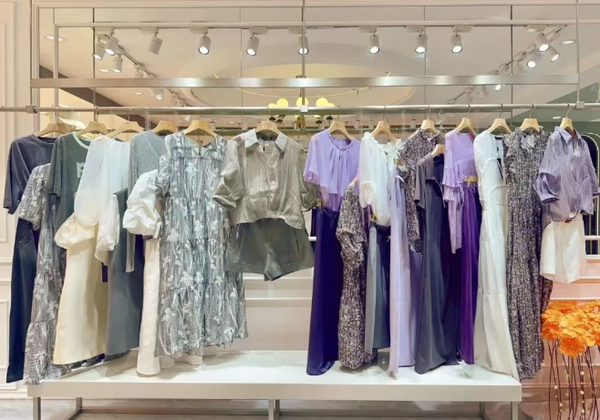
Where Boutiques Really Source Inventory (And How Surplus Stores Scale Stock Fast Without Overpaying)
If you've ever wondered how some boutiques always seem to have fresh inventory — while others struggle to restock — the answer isn't luck. It's sourcing strategy.
Quick Insight
Most successful boutiques don’t rely on one supplier. They combine wholesale, surplus, and stock lot sourcing to keep inventory moving and margins healthy.
What You’ll Learn
The Reality Behind “Perfect Inventory”
If you scroll through social media or visit well-run boutiques, it can feel like they always have the right products at the right time. New arrivals, consistent styles, and shelves that never look empty.

What you don’t see is the sourcing system behind it.
Based on real-world discussions from retail owners, one thing becomes clear:
Instead, stores build a mix of sourcing channels — some for stability, some for speed, and some for profit margin.
Where Boutiques Actually Get Their Inventory
1. Wholesale Platforms
These are often the starting point. They provide consistent supply, predictable sizing, and lower risk.
2. Stock Lot Suppliers
This is where many stores gain an edge. Stock lots allow boutiques to buy bulk inventory at lower cost, often from overproduction or unsold stock.
3. Surplus & Liquidation Channels
Branded surplus stores rely heavily on this. They source inventory from canceled orders, excess production, or retail overstock.
4. Direct Supplier Relationships
Over time, successful boutiques build direct connections with suppliers for faster and more reliable restocking.

How Boutiques Restock So Fast
Fast restocking isn’t about rushing — it’s about having a system.
| Strategy | Why It Works |
|---|---|
| Multiple suppliers | Reduces delays |
| Stock lots | Provides bulk inventory instantly |
| Repeat styles | Easier to reorder |
| Fast decision-making | Keeps shelves full |
Sourcing Methods Compared
| Source | Pros | Cons |
|---|---|---|
| Wholesale | Stable supply | Higher cost |
| Stock Lots | Lower price, bulk availability | Less consistency |
| Surplus | Branded goods | Limited quantity |
Common Sourcing Mistakes
- Depending on one supplier only
- Buying too much too early
- Ignoring inventory turnover
- Focusing only on trends
- Not planning restock timing
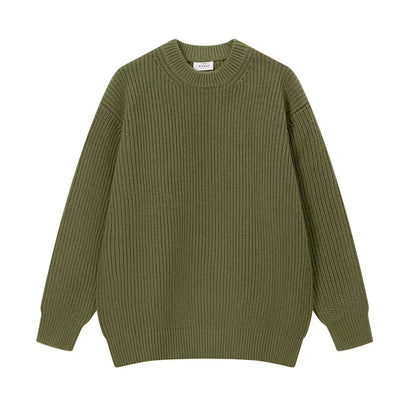
10,000pcs Bulk Assorted Women's Everyday Casual Tops - Soft Breathable Comfort - Wholesale Liquidation Stock - Versatile One-Size Fits Most - Essential Boutique Resale Lot
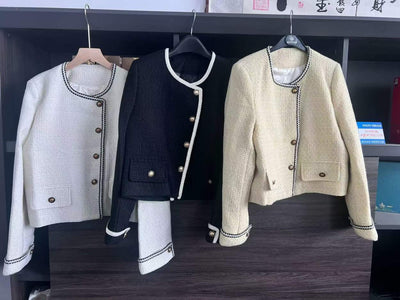
1200pcs Bulk Chanel-Style 85% White Duck Down Jackets - Classic Tweed-Textured Winter Outerwear - Take-All Liquidation Lot - High-Value Boutique Resale Inventory

520+ PCS Women’s Oversized Ribbed Knit Sweater Dress Lot – Relaxed V-Neck Minimal Style in Black, White & Lavender – Plus Size Friendly L–3XL Boutique Stock – Low-Cost Liquidation Apparel for Resale

600pcs Premium 100% Cotton Hoodie Stock Lot - Assorted Unisex Couple Fits M-2XL - Final Liquidation - High-Margin Inventory for Boutique Resale & Market Vendors
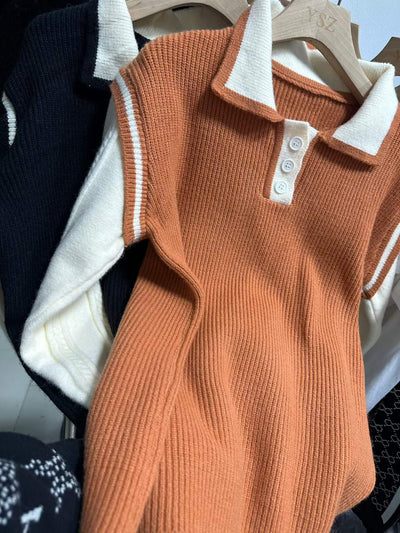
400pcs Women’s Cotton-Cashmere Feel Contrast Collar Knit Top Lot – Soft Preppy One-Size Sweater Stock with Individual Packaging – Easy Boutique Layering Style for Everyday Resale
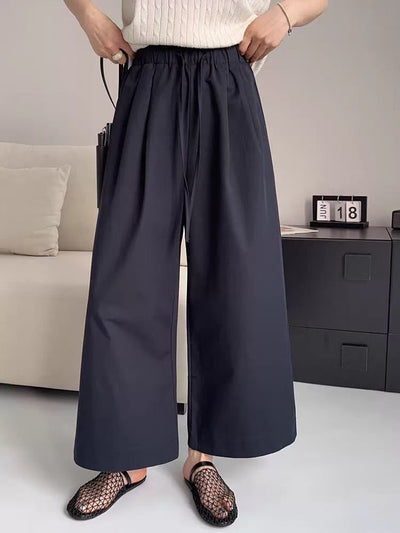
1300 pcs Women’s Cropped Wide Leg Pants Stock Lot – Elastic Waist Casual Relaxed Fit Trousers – Black & Navy Everyday Minimal Style for Boutique Resale & Online Stores
Practical Tips for Better Inventory Flow
- Start with simple, proven categories
- Use stock lots to scale quickly
- Track what sells weekly
- Build supplier relationships early
- Balance cost with sellability
Final Thoughts
The biggest difference between struggling boutiques and successful ones isn’t product — it’s process.
Once you understand where inventory comes from and how to manage it, sourcing becomes less stressful and more predictable.
Instead of guessing what to buy next, you start building a system that supports your store’s growth.
Explore Wholesale Inventory
Discover clothing stock lots designed for boutiques and resellers looking for flexible, scalable inventory.