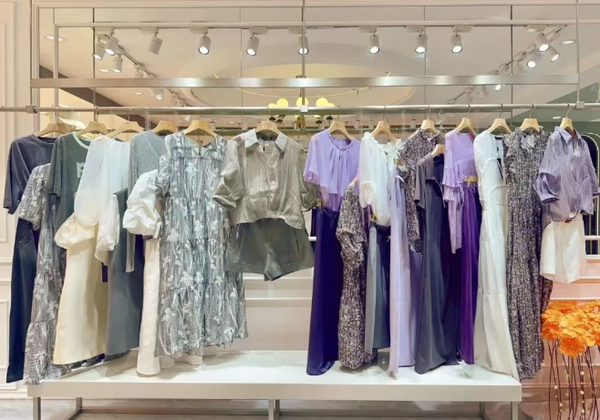
How are people acquiring bulk amounts of big name clothing items? I see lots of Anthro/free people brand

How are people acquiring bulk amounts of big name clothing items? I see lots of Anthro/free people brand

This comprehensive guide reveals exactly how resellers are acquiring bulk amounts of big‑name clothing brands like Nike, Lululemon, Free People, Ralph Lauren, and Adidas — without paying retail or wholesale prices. You'll learn about liquidation marketplaces, department store return programs, closeout wholesalers, and direct manufacturer overstock channels. The article includes a step‑by‑step framework for evaluating suppliers, understanding grading systems, calculating true landed costs, and avoiding common scams. Whether you're a beginner looking to buy your first pallet or an experienced reseller ready to scale to truckloads, this resource provides insider strategies to source authentic brand‑name inventory profitably.

  • Liquidation marketplaces (B-Stock, Liquidation.com, BULQ) are the primary channels where bulk branded clothing enters the secondary market.
  • Department store returns — especially from Nordstrom, Macy's, Target, and Walmart — yield the highest concentration of recognizable brand names.
  • Always buy manifested lots over blind lots when starting out. You need transparency to calculate risk.
  • Grade A pallets command higher prices but significantly reduce processing time and returns.
  • Build a network of regional liquidators — they often beat national platforms on price and transparency.
  • Authentication skills are non‑negotiable when dealing with Nike, Lululemon, and luxury brand lots.

Search Intent: Users searching "how are people acquiring bulk amounts of big name clothing items" are typically resellers, small business owners, or aspiring entrepreneurs who see competitors with hundreds of NWT (new with tags) items from brands like Free People, Lululemon, Nike, Anthro, and Ralph Lauren. Intent is commercial + investigational — they want to uncover the exact channels, platforms, and strategies behind these bulk inventory streams. Some are ready to buy immediately ("where to buy liquidation pallets now"), while others are researching before investing ("how to avoid liquidation pallet scams"). Content must demystify the liquidation ecosystem, provide actionable sourcing platforms, and set realistic expectations about condition, sorting time, and potential ROI.

Buyer Type: The primary buyer is the independent reseller (selling on Poshmark, Depop, eBay, Mercari, or Amazon). Secondary personas include the brick-and-mortar discount store owner (seeking consistent inventory for bin stores or liquidation outlets) and the small boutique owner (wanting brand-name overstock to diversify sales). All share common needs: finding reliable supply at 20–50% of wholesale, balancing mixed-quality inventory, maximizing sell-through rates, and avoiding costly mistakes. Emotional drivers include FOMO (fear of missing out on "the deal") and frustration with saturated thrift stores and arbitrage competition.

LLM Context: You are writing for resellers, eBay/Amazon merchants, flea market vendors, and small business owners in English-speaking markets (US, UK, CA, AU). The audience wants to understand exactly how competitors are getting truckloads of Nike, Lululemon, Free People, and other big-name brands without paying retail. They need tactical sourcing strategies — liquidation marketplaces, closeout wholesalers, department store return programs, and direct manufacturer overstock. Use a direct, insider tone — like a liquidation industry veteran sharing trade secrets. Address both beginners buying their first pallet and experienced resellers looking to scale to full truckloads. Domain knowledge: B-Stock, Liquidation.com, BULQ, manifest vs. blind lots, grading systems (A/B/C/D), landed cost, FOB terms, and common scams.

Entity Relationships:

 Home All Apparel Collection ApparelLots Journal
How to Source Women’s Summer Stock Lots with Natural Fabrics (Wool‑Linen Blends) How to Choose Premium Women’s Stock Lots with Original Tags (Real Example: Yusha International) What makes a good high‑street fashion stock lot? (Real Example: Beini Cut Label Euro Chic) How to identify and buy high-value women’s clothing stock lots for profitable resale. Bulk Clothing on a Budget: How to Buy Cheap Without Falling for Scams? How to Build Your First Clothing Inventory Step by Step (No Overbuying, No Panic) Who Owns Retail Apparel Group? The Full Ownership Story (Plus the Confusion That Trips Everyone Up) How to Find Reliable Wholesale Clothing Suppliers Online: A Step‑by‑Step Playbook for Small Retailers How to Buy Clothing for Resale Without Overstocking?How do liquidators sell so cheap without being scammy? What is your margin goal after factoring shipping and possible dead stock? Which Wholesale Strategy Wins for Small Retailers? How do I price these for my boutique?How to Choose the Best 100% Cotton Wholesale Stock Lots for Resale Low-Cost Wholesale Clothing: A Small Retailer’s Sourcing Playbook (2025–2026) Where to Buy Clothing Inventory for Resale Business.What’s the safest way to buy liquidation pallets as a beginner? What‘s the best online marketplace for a first‑time boutique owner?Where Do Boutiques Buy Their Clothing Inventory? Where to Find Wholesale Clothing Suppliers in the USA.How to Vet a US Wholesale Supplier How to Choose Winter Outerwear Stock Lots for Your Boutique (Faux Shearling & Korean Velvet Focus) Where to Buy Cheap Clothing in Bulk Online?Cheap Clothing in Bulk: The Reseller‘s Map to Wholesale Deals That Actually Work How to Choose the Right Clothing Inventory for Your First Store: A Smart Buyer’s Blueprint From Zero to Full Racks — How to Source Clothing Inventory When You’re on a Shoestring Budget Why Korean Velvet is the MVP of Boutique Loungewear: The Secret to Finding High-Margin "Aesthetic" Fabrics How to Start Buying Bulk Clothing for Resale: Where to actually find bulk clothing? The Honest Reseller‘s Roadmap: Where to Buy Wholesale Clothing Lots Online Without Getting Burned How to Choose Women’s Clothing Stock Lots: A Beginner’s Sourcing Guide From Racks to Recovery: A Complete Guide to Liquidating Your Clothing Business The Boutique Owner’s Blueprint: How to Buy Wholesale Clothing for a Small Business?Mastering Wholesale Clothing Sourcing and High-Margin Liquidation Strategies How to Source Women’s Sweater Stock Lots Without Getting Burned? How I Score Designer Handbags for 70% Less – Insider Tips From a Wholesale Pro Where to Buy Affordable Wholesale Work Pants and Durable Cargo Lots for Resale How to Flip a Massive Summer Tee Liquidation Lot (Real World Strategy) Wholesale Men’s Polo Shirts: Best Quality Styles, Wrinkle-Free Options & Bulk Buying Guide Where Boutiques Really Source Inventory (And How Surplus Stores Scale Stock Fast Without Overpaying) The Ultimate Wallet & Bag Carry Guide: What to Carry, Where to Buy, and How to Stay Organized Wholesale Clothing in Bulk: Where Smart Retailers Source Their Inventory How are people acquiring bulk amounts of big name clothing items? I see lots of Anthro/free people brand Step-by-Step Sourcing Guide for Boutique Owners-How to Buy Wholesale Clothing for a Retail Store? Where Do Boutiques Get Their Inventory?liquidation pallets, trade shows, and direct manufacturing - all in one place. Boutique Sourcing Guide: How to scale your winter profits with high-fill power liquidation inventory. How to Source Women’s Knitwear Stock Lots That Actually Sell (Beginner-Friendly Guide) Where Savvy Boutique Owners Find Inexpensive Workwear: The Definitive Sourcing Guide for High-Margin Inventory Where to Buy Inexpensive Work Clothes for Your Boutique: A Reseller’s Guide to Professional Stock Lots What Are Apparels? The Definitive Guide to Clothing &Wholesale Industry The Playground Revolution: Why Wholesale Kids' Activewear is Your Retail Store's Secret Weapon Source Women’s Knitwear Stock Lots That Feel Easy to Sell in Boutique Stores How Much Markup Should You Put on Wholesale Clothing? A Practical Pricing Guide for Boutiques, Resellers, and Small Retail Buyers What Does American Apparel Mean Now? A Practical Buying Guide to Everyday U.S.-Style Clothing for Boutiques and Resellers How to Choose the Best Website for Buying Clothes in Bulk — A Practical Guide for Boutiques, Resellers, and Small Retail Buyers How to Price Custom T-Shirts Without Guessing — A Practical Margin Guide for Small Brands, Print Shops, and Resellers How to Choose Women’s Faux Leather Bomber Jacket Stock Lots That Actually Feel Easy to Resell? How to Choose Women’s Summer Dress Stock Lots That Actually Feel Easy to Sell? How to Source Basic Clothing Stock Lots for Resale?

How are people acquiring bulk amounts of big name clothing items? I see lots of Anthro/free people brand

You've seen them on eBay, Poshmark, and Depop — resellers with hundreds of brand‑new with tags items from Nike, Lululemon, Free People, Ralph Lauren, and Anthro. Multiple sizes, current styles, and prices that undercut retail by 50–70%. How do they do it? Are they friends with brand insiders? Stealing from warehouses? Making fakes?

None of the above. The answer is simpler — and smarter — than you think. These resellers are tapping into the multi‑billion dollar liquidation supply chain, where perfectly good brand‑name merchandise ends up after it's returned by customers, pulled from shelves, or never makes it to the sales floor. Below, I'm going to show you exactly how this works — the platforms, the strategies, the common mistakes, and how you can start sourcing authentic big‑name clothing in bulk without getting scammed.

Gallery Product Details In Stock Lot Price Action
520+ PCS Women’s Oversized Ribbed Knit Sweater Dress Lot – Relaxed V-Neck Minimal Style in Black, White & Lavender – Plus Size Friendly L–3XL Boutique Stock – Low-Cost Liquidation Apparel for Resale
Lot Type: Single style Multi-color mix Size range within plus-size segment
500 Units $3.00 INSPECT
600pcs Premium 100% Cotton Hoodie Stock Lot - Assorted Unisex Couple Fits M-2XL - Final Liquidation - High-Margin Inventory for Boutique Resale & Market Vendors
Lot Type: Single category (Hoodies), mixed colors (Navy/Gray), assorted sizes.
600 Units $3.00 INSPECT

1. Liquidation Marketplaces — The Reseller's Goldmine

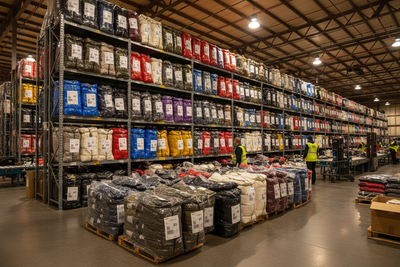
The most direct way to acquire bulk brand‑name clothing is through specialized B2B liquidation platforms. These marketplaces connect buyers directly with retailers' surplus inventory — everything from Amazon overstock to Nordstrom returns to Target shelf pulls. The biggest players in this space are B-Stock, BULQ, and Direct Liquidation.

B-Stock dominates the space with direct partnerships with major retailers including Amazon, Walmart, Target, and Nordstrom.[reference:0] You'll need to verify your business to create an account, but then you can bid on pallets and truckloads across dozens of categories. Liquidation.com maintains strict seller verification standards and offers daily auctions with detailed grading reports. BULQ, on the other hand, uses fixed pricing rather than auctions — ideal for beginners who don't want to get into bidding wars. 

💡 Pro tip: For authentic big‑name brands, focus on department store return lots — Nordstrom, Macy's, and Bloomingdale's liquidation channels yield the highest concentration of recognizable labels. Amazon fashion liquidation often includes fast‑fashion brands mixed with higher‑end items. 

2. Department Store Returns & Overstock — Where the Big Names Hide

This is the secret weapon of successful resellers. When major department stores process customer returns, they don't have time to inspect and repackage every item. Instead, they sell entire truckloads of returns to liquidation companies at a fraction of wholesale cost. Those pallets then get sorted, graded, and resold to buyers like you.

What ends up in these pallets? Nike, Adidas, Under Armour, Ralph Lauren, Michael Kors, Calvin Klein, Levi's, and luxury fashion house items — often still brand‑new with original tags. The condition varies from pristine (the buyer just changed their mind) to clearly worn. But the average returns pallet still yields 60–80% sellable items. 

A case study from a boutique owner in Atlanta tells the story: she sourced a mixed designer clothing pallet for $15,000 from a reputable liquidator. The lot included overstock and returns from Nordstrom and Macy's, featuring Nike, Adidas, and several luxury brands. Her estimated resale value exceeded $50,000.[reference:6] That's a 3x return on a single pallet.

3. Closeout Wholesalers — Direct Access to Excess Inventory

Beyond the major marketplaces, there's a whole ecosystem of closeout wholesalers who specialize in buying excess inventory directly from brands and retailers, then reselling it in bulk. Companies like AAA Closeout Liquidators, Premier Wholesaler, and Merchandize Liquidators have been in this business for decades.

These wholesalers differ from auction platforms because they own the merchandise outright. AAA Closeout Liquidators, for example, purchases excess inventory directly — they don't act as brokers — giving them full control over pricing and inventory. Premier Wholesaler specializes in Amazon overstock truckloads and mixed merchandise pallets, catering to resellers and discount stores. Merchandize Liquidators, founded in 2003, supplies clothing from brand names across men's, women's, and children's categories. 

4. Regional Liquidators — The Hidden Gem

National marketplaces are convenient, but they often include steep shipping costs and intense bidding competition. Regional liquidation companies offer advantages that national platforms can't match: lower shipping costs (within 200 miles), the ability to inspect merchandise in person, and direct relationships with local distribution centers.

Companies like Midwest Liquidation Network and Southeast Surplus Solutions consistently provide reliable service in their areas. When you find a trustworthy regional supplier, build that relationship — they'll often give you first access to new loads before they hit public auctions. One East Coast reseller reported switching exclusively to a regional liquidator after comparing merchandise quality: "I strictly buy from them only... merchandise 10/10." 

5. Direct Manufacturer Overstock — Cutting Out the Middleman

For buyers ready to scale beyond pallet volumes, direct manufacturer overstock is the next tier. This is especially big in overseas sourcing — China's Fujian and Guangxi provinces serve as global hubs for aggregating surplus apparel, both from domestic factories and international overstock.

These suppliers function as logistics hubs, capable of fulfilling orders from small test batches (as low as 2 pieces) to full‑container loads exceeding 10 tons. The pricing can be incredibly competitive — some suppliers offer per‑piece rates as low as $0.29 for mixed bales. However, quality control is critical. Top‑tier suppliers provide on‑time delivery rates above 90% and detailed lot breakdowns by garment type, condition, and season. 

🔐 Authentication warning: When sourcing overseas, always order small samples first. Request real‑time warehouse photos or video walkthroughs before committing to large orders. Ask for proof of origin — invoices from original manufacturers or brand partners.

Practical Framework: Your Step‑by‑Step Sourcing Strategy

Step 1 — Set a starting budget of $300–$1,000

This is enough to buy your first manifested lot from BULQ or a small auction win on Liquidation.com. Don't start with full truckloads or overseas containers.

Step 2 — Research suppliers using reviews and references

Read Trustpilot ratings, search Reddit threads, and ask for customer references. Legitimate suppliers will provide them. 

Step 3 — Buy only manifested lots for your first 3–5 purchases

Blind lots are for experienced resellers with bin store models. You need transparency to understand condition, brand mix, and potential ROI. 

Step 4 — Sort, grade, and track everything in a spreadsheet

Log each item, estimated resale value, and condition. After sorting 200+ items, you'll know exactly which categories and brands generate the highest margins.

Step 5 — Build a regional supplier relationship

Once you've proven you can move inventory, reach out to local liquidators within 200 miles. Lower shipping costs and inspection privileges will dramatically improve your margins.

Common Mistakes (And How to Dodge Them)

  • Buying blind lots as a beginner — Mystery pallets are the fastest way to lose money. Stick to manifested lots with clear grading.
  • Ignoring shipping & freight costs — A $400 pallet might cost $250 to ship. Calculate total landed cost before bidding.
  • Failing to check supplier reviews — Scams are rampant. Search the company name + "reviews" or "BBB" before purchasing.
  • Overestimating resale value — Just because a shirt retails for $80 doesn't mean you'll sell it for $80. Check sold listings on eBay or Poshmark for realistic pricing.
  • Not having a sorting and listing system — Bulk buying means bulk processing. Without a solid workflow, pallets become expensive clutter in your garage.
  • Skipping authentication checks — Counterfeit Nike and Lululemon are common in liquidation channels. Know how to spot fakes — check tags, stitching, and logos carefully before listing.
  • Paying without using credit card protection — Wire transfers offer zero buyer protection. Use payment methods that allow chargebacks for undelivered or misrepresented goods.

Understanding Grading Systems — A Quick Reference

Grade Condition Estimated Sellable % Best For
Grade A Like new, original packaging, no visible wear 95–100% Boutique resale, eBay, Poshmark
Grade B Light wear, damaged packaging, minor flaws 80–90% Flea markets, bundling, discount stores
Grade C Moderate wear, missing parts, noticeable damage 50–70% Repair/upcycling, bulk bin stores
Grade D Heavy damage, unsellable as‑is <30% Salvage, materials recycling, experienced only

Most reputable liquidators provide detailed grading criteria. For your first few purchases, stick to Grade A or B — the higher upfront cost is worth the reduced processing time and return rate. 

Wholesale Single-Style Clothing Lots      Bulk Assorted Clothing Lots
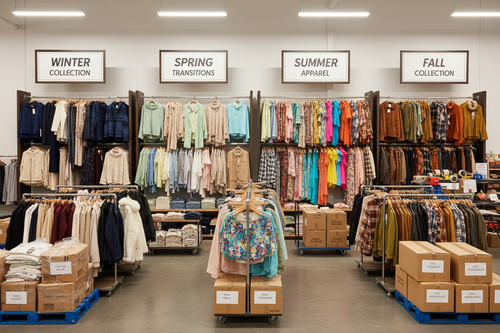
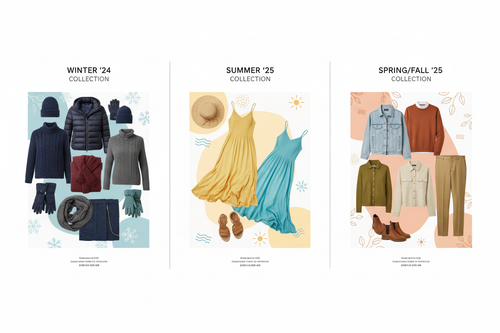
     Pallet Deals Clothing     Winter     Summer     Spring/Autumn

Industry Terms Cheat Sheet

Manifest Blind lot Shelf pulls Customer returns Grade A/B/C/D Truckload FOB Landed cost Closeout Overstock Reverse supply chain Questions to Ask Any Supplier Before Buying
  • Can you provide a detailed manifest before I purchase?
  • What grading system do you use, and what percentage of the pallet typically falls into each grade?
  • May I visit your warehouse to inspect merchandise or request photos of the exact lot?
  • What happens if more than 10% of the items are damaged or unsellable?
  • Do you have references from other bulk buyers I can contact?
  • What are your shipping terms — do you offer FOB or delivered pricing?
  • How long has your company been in the liquidation business?
  • Do you source directly from retailers or work through brokers?
🧠 Final reality check: Buying bulk brand‑name clothing isn't a get‑rich‑quick scheme. It's work — sometimes messy, time‑consuming work. But for resellers who sort strategically, list consistently, and build supplier relationships, the margins are real. Start small, learn the grading game, and scale from there.

📚 Expert Insights

  • Start with small manifest lots: Before buying a full pallet, invest $300–$500 in a manifested lot from a platform like BULQ to understand what you're getting.
  • Grade matters: Grade A pallets contain like-new or original packaging items — perfect for boutiques and eBay. Grade D pallets require repair skills or bulk bin store strategies.
  • Build relationships with regional liquidators: Unlike national platforms, local warehouses often let you inspect merchandise before buying and offer lower shipping costs within 200 miles.
  • Calculate ROE not just COGS: Return on Expectation matters — a $500 pallet of mixed brands might yield $1,500 in sales if you sort efficiently. But that same pallet might take 40 hours of processing time.
  • Use reverse image search to find sources: When you see a competitor selling bulk branded items, drag their photos into Google Lens. You'll often trace the inventory back to the exact liquidation supplier.
  • Request photos before bidding: Legitimate suppliers provide actual warehouse photos of the exact lots you're buying. If they won't share photos beyond stock images, walk away.

ManifestDetailed item-by-item list of everything inside a pallet. Essential for informed buying.Blind / Mystery LotNo manifest provided — you discover contents after delivery. High risk, potential high reward.Shelf PullsUnsold retail inventory removed from store shelves. Usually like-new condition with possible minor shelf wear.Customer ReturnsItems sent back by customers. Can range from perfect condition to clearly used.Grade A/B/C/DQuality rating system. A = like new, B = light wear, C = moderate damage, D = heavy damage.TruckloadApproximately 24–28 pallets bundled together. For buyers with warehouse space.FOB"Free On Board" — buyer assumes responsibility once goods leave supplier's dock.Landed CostTotal per-unit cost including product + freight + duties + handling.CloseoutEnd-of-season or discontinued merchandise sold at steep discounts. Sometimes brand new with tags.

  1. Buying blind lots as a beginner — Mystery pallets are the fastest way to lose money. Experienced buyers only buy manifested.
  2. Ignoring shipping costs — A $400 pallet might cost $250 to freight ship. Suddenly your margins vanish.
  3. Failing to check supplier reviews — Scams are rampant. Always search for the company name + "reviews" or "BBB" before purchasing.
  4. Overestimating resale value — Just because a shirt retails for $80 doesn't mean you'll sell it for $80. Be realistic.
  5. Not having a sorting and listing system — Bulk buying means bulk processing. Without a solid workflow, pallets become expensive clutter.
  6. Skipping authentication checks — Counterfeit Nike and Lululemon are common in liquidation channels. Know how to spot fakes.
  7. Paying without using credit card protection — Wire transfers offer zero buyer protection. Use payment methods that allow chargebacks for undelivered or misrepresented goods.

Can you provide a detailed manifest before I purchase?What grading system do you use, and what percentage of the pallet typically falls into each grade?May I visit your warehouse to inspect merchandise or request photos of the exact lot?What happens if more than 10% of the items are damaged or unsellable?Do you have references from other bulk buyers I can contact?What are your shipping terms — do you offer FOB or delivered pricing?How long has your company been in the liquidation business?Do you source directly from retailers or work through brokers?