How to Build Your First Clothing Inventory Step by Step (No Overbuying, No Panic)

How to Build Your First Clothing Inventory Step by Step (No Overbuying, No Panic)

This article walks first‑time clothing retailers through a practical, low‑risk way to build their initial inventory. Instead of guessing or overordering, you’ll learn how to define your “minimum viable inventory,” split your budget across core basics, trend pieces, and test items, and choose a smart mix of sourcing channels (B2B marketplaces, liquidation lots, local deadstock). The guide emphasises the non‑negotiable “test order rule” – always sample before scaling – and explains how to track sell‑through rate to decide what to reorder and what to drop. Common mistakes like buying on emotion, skipping manifests, or putting too much budget into a single style are covered with real‑world examples. A comparison table highlights differences between US and EU sourcing (MOQ culture, platforms, overstock availability). The tone is relaxed and honest, avoiding hype or guaranteed profit claims. By the end, new boutique owners and online resellers will have a clear, actionable roadmap for their first wholesale purchase – without the panic.

For Small boutique owners (physical & online), EU/US fashion resellers, overstock buyers, and side‑hustle sellers who need practical, non‑hype advice on building a first inventory with limited capital and no prior wholesale experience.
 Home All Apparel Collection ApparelLots Journal
What makes a good high‑street fashion stock lot? (Real Example: Beini Cut Label Euro Chic) How to identify and buy high-value women’s clothing stock lots for profitable resale. Bulk Clothing on a Budget: How to Buy Cheap Without Falling for Scams? How to Build Your First Clothing Inventory Step by Step (No Overbuying, No Panic) Who Owns Retail Apparel Group? The Full Ownership Story (Plus the Confusion That Trips Everyone Up) How to Find Reliable Wholesale Clothing Suppliers Online: A Step‑by‑Step Playbook for Small Retailers How to Buy Clothing for Resale Without Overstocking?How do liquidators sell so cheap without being scammy? What is your margin goal after factoring shipping and possible dead stock? Which Wholesale Strategy Wins for Small Retailers? How do I price these for my boutique?How to Choose the Best 100% Cotton Wholesale Stock Lots for Resale Low-Cost Wholesale Clothing: A Small Retailer’s Sourcing Playbook (2025–2026) Where to Buy Clothing Inventory for Resale Business.What’s the safest way to buy liquidation pallets as a beginner? What‘s the best online marketplace for a first‑time boutique owner?Where Do Boutiques Buy Their Clothing Inventory? Where to Find Wholesale Clothing Suppliers in the USA.How to Vet a US Wholesale Supplier How to Choose Winter Outerwear Stock Lots for Your Boutique (Faux Shearling & Korean Velvet Focus) Where to Buy Cheap Clothing in Bulk Online?Cheap Clothing in Bulk: The Reseller‘s Map to Wholesale Deals That Actually Work How to Choose the Right Clothing Inventory for Your First Store: A Smart Buyer’s Blueprint From Zero to Full Racks — How to Source Clothing Inventory When You’re on a Shoestring Budget Why Korean Velvet is the MVP of Boutique Loungewear: The Secret to Finding High-Margin "Aesthetic" Fabrics How to Start Buying Bulk Clothing for Resale: Where to actually find bulk clothing? The Honest Reseller‘s Roadmap: Where to Buy Wholesale Clothing Lots Online Without Getting Burned How to Choose Women’s Clothing Stock Lots: A Beginner’s Sourcing Guide From Racks to Recovery: A Complete Guide to Liquidating Your Clothing Business The Boutique Owner’s Blueprint: How to Buy Wholesale Clothing for a Small Business?Mastering Wholesale Clothing Sourcing and High-Margin Liquidation Strategies How to Source Women’s Sweater Stock Lots Without Getting Burned? How I Score Designer Handbags for 70% Less – Insider Tips From a Wholesale Pro Where to Buy Affordable Wholesale Work Pants and Durable Cargo Lots for Resale How to Flip a Massive Summer Tee Liquidation Lot (Real World Strategy) Wholesale Men’s Polo Shirts: Best Quality Styles, Wrinkle-Free Options & Bulk Buying Guide Where Boutiques Really Source Inventory (And How Surplus Stores Scale Stock Fast Without Overpaying) The Ultimate Wallet & Bag Carry Guide: What to Carry, Where to Buy, and How to Stay Organized Wholesale Clothing in Bulk: Where Smart Retailers Source Their Inventory How are people acquiring bulk amounts of big name clothing items? I see lots of Anthro/free people brand Step-by-Step Sourcing Guide for Boutique Owners-How to Buy Wholesale Clothing for a Retail Store? Where Do Boutiques Get Their Inventory?liquidation pallets, trade shows, and direct manufacturing - all in one place. Boutique Sourcing Guide: How to scale your winter profits with high-fill power liquidation inventory. How to Source Women’s Knitwear Stock Lots That Actually Sell (Beginner-Friendly Guide) Where Savvy Boutique Owners Find Inexpensive Workwear: The Definitive Sourcing Guide for High-Margin Inventory Where to Buy Inexpensive Work Clothes for Your Boutique: A Reseller’s Guide to Professional Stock Lots What Are Apparels? The Definitive Guide to Clothing &Wholesale Industry The Playground Revolution: Why Wholesale Kids' Activewear is Your Retail Store's Secret Weapon Source Women’s Knitwear Stock Lots That Feel Easy to Sell in Boutique Stores How Much Markup Should You Put on Wholesale Clothing? A Practical Pricing Guide for Boutiques, Resellers, and Small Retail Buyers What Does American Apparel Mean Now? A Practical Buying Guide to Everyday U.S.-Style Clothing for Boutiques and Resellers How to Choose the Best Website for Buying Clothes in Bulk — A Practical Guide for Boutiques, Resellers, and Small Retail Buyers How to Price Custom T-Shirts Without Guessing — A Practical Margin Guide for Small Brands, Print Shops, and Resellers How to Choose Women’s Faux Leather Bomber Jacket Stock Lots That Actually Feel Easy to Resell? How to Choose Women’s Summer Dress Stock Lots That Actually Feel Easy to Sell? How to Source Basic Clothing Stock Lots for Resale? How to Choose Women’s Knit Cardigan Stock Lots That Feel Easy to Resell? Cotton vs. Polyester: Which Fabric Wins for Bulk Activewear?

How to Build Your First Clothing Inventory Step by Step (No Overbuying, No Panic)

A no‑hype guide for small retailers, online resellers, and boutique owners who want to start smart, stay lean, and avoid the typical “oh no, I bought too much” trap.
👕 Beginner‑friendly 📦 Overstock & mixed lots 🇪🇺🇺🇸 EU + US perspective Minimum viable inventory

📋 Quick checks before you order

✅ Do you have a rough category budget?
✅ Can you afford to hold stock for 2–3 months?
✅ Did you plan for a small test order first?
✅ Do you know your target sell‑through week target?

You’ve decided to launch your own clothing boutique — maybe a cozy shopify store, a small brick‑and‑mortar space, or you simply love hunting for overstock deals to resell on Depop or Vinted. The moment you start thinking about your first inventory, panic can creep in: How many pieces should I buy? What if nobody buys that colour? What if I run out of cash before I make a single sale? Relax. You’re not alone. Almost every independent retailer has over‑ordered at least once. One Reddit user put it plainly: *“I’d rather sell out in two weeks and reorder than stare at a pile of unsold jackets for six months.”* That’s the spirit. Below is a 7‑step playbook designed for real‑life small retailers — no fluff, no corporate jargon, and definitely no pressure to spend your entire savings on a single supplier. Let’s walk through it together.

🎯 Why read this guide? Instead of theorizing, this post uses real pitfalls (overbuying, ignoring manifestos, skipping test orders) and fixes them step by step. You’ll also learn how the US and EU differ when sourcing your first stock.

1️⃣ Step 1 – Minimum Viable Inventory (MVI)

You don’t need 500 pieces right away. Borrow a concept from lean startups: “Minimum Viable Product.” The same applies to clothing. Your Minimum Viable Inventory is the smallest, cheapest assortment that allows you to test what your customers actually like. For a small online boutique, MVI could be 40–70 units across 10–15 styles. For a physical pop‑up, you might need 120–200 units to make your rails look full. One experienced boutique owner shared: *“I started with 65 units – three styles in two colours each – and learnt so much from that first drop. I would have lost money if I’d ordered 300.”* Aim for “enough to learn” not “enough to impress.”

2️⃣ Step 2 – Set your budget & category split

Inventory usually eats 25–40% of your startup budget, but don't just buy whatever looks cute. A smart category split protects you when trends shift. Here’s a balanced starter model used by many small US/EU retailers:

Category % of inventory spend Example pieces (budget $2k)
Core / basics (tees, tanks, easy fit) 45% $900 — things that pretty much always sell
Seasonal statement pieces 30% $600 — trend‑driven but not crazy
Accessories / layering 15% $300 — low risk, high add‑on potential
Test / wildcard items 10% $200 — the “let’s see what happens” bucket

Within each category, never put more than 30% of your total inventory into a single style until you’ve seen it sell. That way, if one item bombs, you’re not toast.

3️⃣ Step 3 – Choose your sourcing mix

Most first‑time buyers rely on one channel. That’s risky. Try a triple‑source strategy:

  • B2B marketplace (Faire, Alibaba, FashionTIY) → For curated styles or low‑MOQ wholesale. Great for branded looks.
  • Liquidation / overstock platforms (B‑Stock, Bulq, DirectLiquidation) → For mixed lots or customer returns. High margin potential but requires sorting.
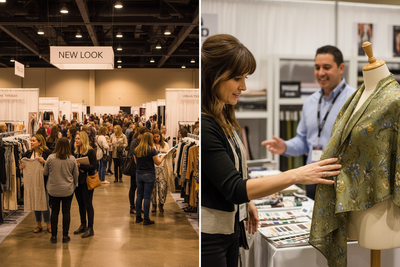
  • Local thrift / bin stores or deadstock warehouses → Immediate inventory, no shipping delays, and you see quality with your own eyes. Many EU small retailers buy from Italian or German overstock hubs.

By splitting your first $1,500–$2,000 across 2–3 different suppliers, you reduce the chance that one bad batch ruins your entire launch. Also, some suppliers offer first‑time buyer perks – free samples, lowered MOQs or net terms – so don’t hesitate to ask.

🇺🇸 US beginner tip

Look for closeout wholesalers in LA or NYC fashion districts; many offer “starter packs” (40–60 pieces). Join local retailer Facebook groups to find hidden liquidation sources.

🇪🇺 EU beginner tip

Faire has strong adoption in the EU. Also check Veepee B2B, Moda ex Machina (Italy) and Dutch liquidation auctions. VAT registration is needed for cross‑border sourcing inside the EU.

4️⃣ Step 4 – The test order rule (never skip this!)

The most repeated advice from seasoned resellers: place a small test order before you go big. One Reddit thread described ordering 200 pieces from a “verified” supplier – after a perfect sample, the bulk shipment was a completely different fabric. A test order of 10–20 units would have exposed the bait‑and‑switch. Always budget 5–10% of your inventory money for samples or mini batches. If a supplier refuses to send a sample or a small trial lot, that’s a red flag, not a challenge.
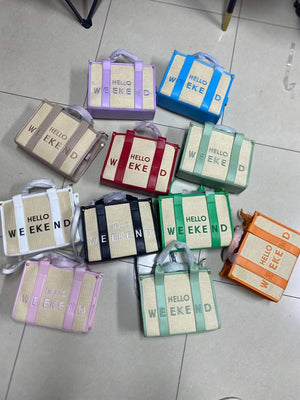
🧪 Test order checklist:
✔ Order 5–15 units from the same batch style
✔ Measure fabric weight, check wash durability
✔ Time how long shipping really takes
✔ Compare the product to listing photos under normal light
✔ Try to sell 2–3 pieces to see actual demand

5️⃣ Step 5 – Assortment planning: depth vs. breadth

“Should I buy many different styles but just a few of each? Or fewer styles but more of each?” The answer depends on your channel. If you run a single‑brand e‑commerce site, depth (more units per style) is safer – you can retarget ads. If you have a physical store where customers love variety, breadth (more styles, lower units per style) works better. A balanced hybrid for first orders: choose 4–6 core styles and buy 6–12 units per style. Then add 6–8 trend or tester styles with just 2–4 units each. That way, you have reliable sellers alongside experimental pieces that won’t clog your backroom.

Here’s a real mix example for a 150‑unit first order: 40% hero items (6–10 units per style), 40% supporting pieces (4–6 units) and 20% high‑risk but high‑reward trend pieces (2–3 units). You can always reorder fast‑selling heroes within 3–4 weeks if the supplier is responsive. Overbuying deep in an unproven style is one of the main reasons small boutiques have constant clearance sales.

6️⃣ Step 6 – Organize your back end before the boxes arrive

It sounds boring, but a smoother back end saves you from a chaotic opening. Before your first delivery, set up:

  • A simple inventory spreadsheet or entry‑level POS (like Lightspeed, Shopify inventory, or even a Google Sheet with SKUs).
  • Clear product categories (e.g., “Woven tops”, “Knitwear”, “Denim”, “Winter dresses”).
  • Space allocation – where will you store backups and how will you quickly rotate stock? Overcrowded storage leads to damaged goods.

US small retailers often rely on barcode scanning apps for fast check‑in, while many EU shop owners prefer EU‑based inventory tools like Stockagile. Whatever you pick, the goal is simple: within 10 seconds, you should know how many size‑M linen shirts you have left.

7️⃣ Step 7 – Track sell‑through & reorder with confidence

Sell‑through rate is your north star. Calculate it: (units sold / units received) × 100 over a set period (e.g., 30 days). Aim for 20‑30% sell‑through in the first month for your very first drop. Anything below 15% means you either overpriced or misjudged demand. Anything above 50% means you should reorder fast.

Keep a simple tracker: style name, cost per unit, sell‑through percentage after 2 weeks and after 30 days. After 3 months, you’ll know exactly which categories to reorder and which to kill. That’s your personal roadmap – not guesswork. Many newcomers double down on slow sellers, thinking a discount will fix it. In reality, it’s better to cut losses early and reinvest in what actually moved.

8️⃣ US‑EU differences when building your first inventory

If you operate in both regions, note these differences:

Aspect United States European Union
Typical MOQ for small orders 10–50 units per style (some LA suppliers offer no‑MOQ packs) Higher initial MOQ often 30–100 units, but many niche suppliers now accept 15–20 units
Popular sourcing platforms Faire, Bloom Wholesale, B‑Stock, local trade shows (MAGIC Las Vegas) Faire EU, Ankorstore, JOOR, local apparel clusters (Italy, Portugal, Germany)
Overstock / clearance culture Widespread; Amazon return pallets are common, many bin stores Growing but more fragmented; French & Polish liquidation hubs, less “bin store” saturation
Shipping times & costs Domestic wholesale shipping relatively fast Cross‑border VAT and duties can be tricky; intra‑EU shipping is manageable but paperwork required

For a first order, US retailers find lower barriers in terms of supplier variety and sample culture. European retailers can benefit from “near‑shoring” – Portuguese and Polish manufacturers offer low MOQs and faster ground shipping, but you’ll need a VAT number to trade across borders efficiently.

📦 Real talk: Don’t ignore overstock as your first inventory
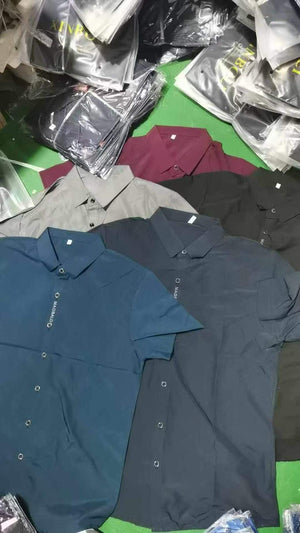
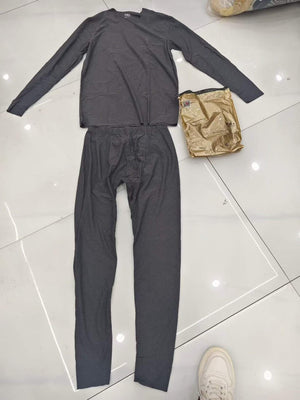
Several new resellers have built profitable small businesses using nothing but liquidation pallets from Amazon and department store returns. A caution however: look for manifest‑based lots. One thread reported that a “mixed women’s pallet” turned out to be 80% children’s clothes. Always, always ask for a breakdown before clicking “buy”. For first inventory, maybe start with a small manifest lot (under 100 pieces) to get comfortable with grading.

9️⃣ Common mistakes & useful industry terms

Common mistakes:

  • ❌ Not reserving cash for post‑launch marketing (then wondering why no one sees your cute dresses).
  • ❌ Buying from six different suppliers at once – each with separate shipping, invoicing, and quality checks. Overcomplicates everything.
  • ❌ Choosing trendy colours over versatile basics. One boutique owner bought 40 pairs of neon cargo pants… they moved exactly two.
  • ❌ Skipping a proper storage and tagging system – then wasting hours searching for a single size.

Industry terms to know:

  • MOQ – Minimum Order Quantity. Low MOQ = beginner‑friendly.
  • Pre‑pack / case pack – A fixed assortment of sizes/colours that a supplier forces you to order as is.
  • Manifest – A detailed list of goods inside a liquidation lot (e.g., 20 women’s tops, 15 denim). Critical for overstock buyers.
  • Sell‑through rate – The percentage of inventory sold within a period.
  • Cut & sew – Garments made from scratch based on your design; higher risk for first orders.

🔁 FAQs from first‑time inventory buyers

What’s the best number of SKUs for a first‑time clothing store? +
Most successful first drops contain 15–25 SKUs. If you have less than 10, your assortment might look empty; more than 40 SKUs risks overcomplicating your cash flow unless you have a large budget. Start lean.
Should I order mixed lots or single‑style lots first? +
Mixed lots are exciting and dirt cheap, but unpredictable. Single‑style lots are boring but reliable. If you want to test fast, allocate 60% of your budget to single‑style (proven categories) and 40% to a small mixed lot for variety. See what your customers react to.
How long should my first inventory last? +
About 45 to 90 days of estimated sales, depending on how fast you expect to reorder. For high‑risk items (seasonal trends), keep 30–40 days. For basics, 60–90 days is safe.
What’s the #1 reason new clothing retailers fail with inventory? +
Overbuying on emotion. “I love this, so my customers will love it.” Data‑driven ordering (based on real feedback and small tests) is the antidote.

🛒 Ready to build your first wholesale bundle?

Start with low‑risk, ready‑to‑wear overstock & mixed lots — curated for small retailers. Chat about your first inventory →
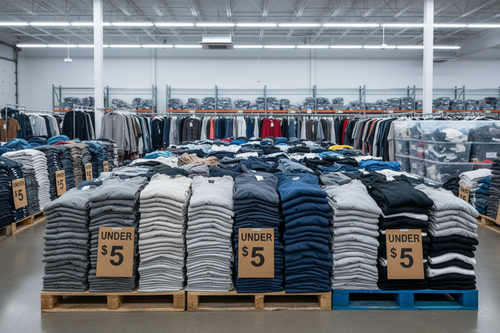
📦 Ask about starter packs
* Based on conversations with boutique owners, overstock buyers, and first‑time resellers from the US and EU. Inventory levels always depend on your unique audience — test, learn, and adjust.

📚 Expert Insights

📌 Key Takeaways

  1. Your first inventory should be a learning tool, not a bet‑the‑farm commitment. Small test orders win.
  2. A balanced category split (basics, seasonal, accessories, wildcards) protects you when trends flop.
  3. Mixing sourcing channels (wholesale + liquidation + local) reduces the risk of a single bad supplier.
  4. Sell‑through rate is your north star – track it religiously and reorder accordingly.
  5. Overbuying depth in an unproven style is the #1 reason new boutiques have constant clearance sales.
  6. US retailers have more liquidation options (B‑Stock, Amazon pallets); EU retailers benefit from “near‑shoring” (Polish/Portuguese manufacturers with low MOQs).
  7. Never skip asking for a manifest or a small test batch – no matter how trustworthy the supplier looks.

💡 Tips

  1. Start with a “minimum viable inventory” (MVI) – 40–70 units for online, 120–200 for a physical pop‑up. Enough to learn, not enough to drown.
  2. Split your budget across core basics (45%), seasonal statement pieces (30%), accessories (15%), and wildcard test items (10%).
  3. Place a small test order (5–15 units) before buying bulk – it’s the cheapest insurance against bait‑and‑switch or poor quality.
  4. Use at least two sourcing channels – e.g., one B2B marketplace + one liquidation lot. Don’t put all your eggs in one supplier.
  5. Track sell‑through rate after 30 days – aim for 20–30%. Below 15% means rethink pricing or product; above 50% means reorder fast.
  6. Always ask for a manifest when buying overstock or mixed lots – know what’s inside before you pay.
  7. Set up your back end (spreadsheet or POS) before boxes arrive – SKUs, categories, storage space. Saves hours of chaos.

📖 Terms

MOQMinimum Order Quantity – the smallest number of units a supplier will sell. Low MOQ (10–50) is beginner‑friendly.Pre‑pack / Case packA fixed assortment of sizes/colours that a supplier forces you to buy as a bundle.ManifestA detailed list of goods inside a liquidation lot (e.g., “20 women’s tops, 15 denim, 5 accessories”). Essential for overstock buyers.Sell‑through rate(Units sold ÷ units received) × 100 over a period. Measures how fast inventory moves.Cut & sewGarments made from scratch based on your design – higher risk, longer lead times. Not recommended for first orders.Mixed lot / JoblotA bundle of assorted styles, sizes, sometimes brands. Cheap but unpredictable.Single style lotBulk quantity of one identical garment – boring but reliable for basics.Landed costTotal cost including product + freight + duties + local delivery. Never compare just the unit price.

⚠️ Mistakes

Overbuying on emotion – falling in love with a style and ordering 100 units without any customer feedback.

Skipping the test order – trusting perfect sample photos, then receiving a completely different quality tier in bulk.

Putting >30% of your inventory budget into a single style – if it flops, you’re stuck with dead stock.

Buying from too many suppliers at once – different invoices, shipping timelines, and quality checks overwhelm new retailers.

Ignoring storage and tagging – then wasting hours searching for one size while customers wait.