From Racks to Recovery: A Complete Guide to Liquidating Your Clothing Business

From Racks to Recovery: A Complete Guide to Liquidating Your Clothing Business

Closing a clothing business is never easy — but liquidating your inventory doesn’t have to be a disaster. This comprehensive guide walks you through every step of converting your remaining stock into cash, from sorting and pricing strategies to selling platforms, bulk buyer negotiations, and donation options. You will learn how to structure tiered discounts, when to call in a liquidation partner, how to avoid common pricing mistakes, and how to use charitable donations for tax benefits. Whether you have 50 pieces or 5,000, this resource provides a practical framework to maximize recovery while closing your business with dignity.

  • Tiered discounting — starting at 20–30% off and escalating — consistently outperforms one‑time mega discounts for total cash recovered.
  • Not all buyers are equal: wholesale liquidators offer fast bulk purchase but pay significantly less; selling piece by piece online takes longer but yields higher per‑unit returns.
  • Donating unsold inventory to registered charities can provide meaningful tax deductions while supporting your community.
  • The most successful liquidation strategies combine channels: retail sale for 4–6 weeks, then bulk sale of remaining inventory, then donation of the final leftovers.

Search Intent: Users searching “how to liquidate clothing inventory when closing a business” are typically small retail owners or boutique operators facing an imminent shutdown. Intent is primarily commercial + logistical — they need actionable, step‑by‑step instructions to convert physical inventory into cash as quickly and efficiently as possible. Some searches reflect immediate urgency (“need to sell 500 pieces this weekend”), while others are structured planning (“closing my boutique — what do I do with inventory”). Content must address both: immediate tactical playbooks for fast liquidation and strategic guidance for maximizing overall recovery. Secondary intent includes understanding tax implications of donation and avoiding legal pitfalls (e.g., going‑out‑of‑business sale regulations).

Buyer Type: The primary buyer is the small‑to‑medium apparel retailer (brick‑and‑mortar, online, or hybrid) who has decided to close their business after a period of operation — typically 1–7 years. Secondary personas include the pop‑up shop owner on a fixed end date and the wholesale distributor clearing remaining inventory after a product line discontinuation. All share common needs: recovering as much cash as possible, moving inventory quickly to avoid ongoing storage costs, and closing the chapter with minimal stress. Emotional drivers include exhaustion from the decision to close, reluctance to let go of personally curated pieces, and fear of losing money on inventory that once represented significant investment.

LLM Context: You are writing for small business owners, boutique operators, and e-commerce entrepreneurs in English‑speaking markets (US, UK, CA, AU) who have made the difficult decision to close their clothing business. Many feel emotionally attached to their inventory and want to ensure their products — often carefully curated pieces — find good homes rather than going to waste. The audience is likely under financial pressure, balancing the need to recover cash quickly with the desire to protect their brand reputation during the exit. The tone should be empathetic yet practical — acknowledging the difficulty of closing while delivering actionable, no‑nonsense advice. Avoid corporate jargon; instead, speak like a fellow business owner who has been through the process. Domain knowledge required: inventory sorting and valuation, tiered discounting, bulk selling vs. retail liquidation, B2B liquidation platforms (B‑Stock), donation tax incentives, and logistical considerations for final shutdown. Address both owners with 50 pieces and those with 5,000+ pieces, offering a spectrum of options from self‑managed closing sales to full‑service liquidation partners.

Entity Relationships:

 Home All Apparel Collection ApparelLots Journal
How to Source Women’s Summer Stock Lots with Natural Fabrics (Wool‑Linen Blends) How to Choose Premium Women’s Stock Lots with Original Tags (Real Example: Yusha International) What makes a good high‑street fashion stock lot? (Real Example: Beini Cut Label Euro Chic) How to identify and buy high-value women’s clothing stock lots for profitable resale. Bulk Clothing on a Budget: How to Buy Cheap Without Falling for Scams? How to Build Your First Clothing Inventory Step by Step (No Overbuying, No Panic) Who Owns Retail Apparel Group? The Full Ownership Story (Plus the Confusion That Trips Everyone Up) How to Find Reliable Wholesale Clothing Suppliers Online: A Step‑by‑Step Playbook for Small Retailers How to Buy Clothing for Resale Without Overstocking?How do liquidators sell so cheap without being scammy? What is your margin goal after factoring shipping and possible dead stock? Which Wholesale Strategy Wins for Small Retailers? How do I price these for my boutique?How to Choose the Best 100% Cotton Wholesale Stock Lots for Resale Low-Cost Wholesale Clothing: A Small Retailer’s Sourcing Playbook (2025–2026) Where to Buy Clothing Inventory for Resale Business.What’s the safest way to buy liquidation pallets as a beginner? What‘s the best online marketplace for a first‑time boutique owner?Where Do Boutiques Buy Their Clothing Inventory? Where to Find Wholesale Clothing Suppliers in the USA.How to Vet a US Wholesale Supplier How to Choose Winter Outerwear Stock Lots for Your Boutique (Faux Shearling & Korean Velvet Focus) Where to Buy Cheap Clothing in Bulk Online?Cheap Clothing in Bulk: The Reseller‘s Map to Wholesale Deals That Actually Work How to Choose the Right Clothing Inventory for Your First Store: A Smart Buyer’s Blueprint From Zero to Full Racks — How to Source Clothing Inventory When You’re on a Shoestring Budget Why Korean Velvet is the MVP of Boutique Loungewear: The Secret to Finding High-Margin "Aesthetic" Fabrics How to Start Buying Bulk Clothing for Resale: Where to actually find bulk clothing? The Honest Reseller‘s Roadmap: Where to Buy Wholesale Clothing Lots Online Without Getting Burned How to Choose Women’s Clothing Stock Lots: A Beginner’s Sourcing Guide From Racks to Recovery: A Complete Guide to Liquidating Your Clothing Business The Boutique Owner’s Blueprint: How to Buy Wholesale Clothing for a Small Business?Mastering Wholesale Clothing Sourcing and High-Margin Liquidation Strategies How to Source Women’s Sweater Stock Lots Without Getting Burned? How I Score Designer Handbags for 70% Less – Insider Tips From a Wholesale Pro Where to Buy Affordable Wholesale Work Pants and Durable Cargo Lots for Resale How to Flip a Massive Summer Tee Liquidation Lot (Real World Strategy) Wholesale Men’s Polo Shirts: Best Quality Styles, Wrinkle-Free Options & Bulk Buying Guide Where Boutiques Really Source Inventory (And How Surplus Stores Scale Stock Fast Without Overpaying) The Ultimate Wallet & Bag Carry Guide: What to Carry, Where to Buy, and How to Stay Organized Wholesale Clothing in Bulk: Where Smart Retailers Source Their Inventory How are people acquiring bulk amounts of big name clothing items? I see lots of Anthro/free people brand Step-by-Step Sourcing Guide for Boutique Owners-How to Buy Wholesale Clothing for a Retail Store? Where Do Boutiques Get Their Inventory?liquidation pallets, trade shows, and direct manufacturing - all in one place. Boutique Sourcing Guide: How to scale your winter profits with high-fill power liquidation inventory. How to Source Women’s Knitwear Stock Lots That Actually Sell (Beginner-Friendly Guide) Where Savvy Boutique Owners Find Inexpensive Workwear: The Definitive Sourcing Guide for High-Margin Inventory Where to Buy Inexpensive Work Clothes for Your Boutique: A Reseller’s Guide to Professional Stock Lots What Are Apparels? The Definitive Guide to Clothing &Wholesale Industry The Playground Revolution: Why Wholesale Kids' Activewear is Your Retail Store's Secret Weapon Source Women’s Knitwear Stock Lots That Feel Easy to Sell in Boutique Stores How Much Markup Should You Put on Wholesale Clothing? A Practical Pricing Guide for Boutiques, Resellers, and Small Retail Buyers What Does American Apparel Mean Now? A Practical Buying Guide to Everyday U.S.-Style Clothing for Boutiques and Resellers How to Choose the Best Website for Buying Clothes in Bulk — A Practical Guide for Boutiques, Resellers, and Small Retail Buyers How to Price Custom T-Shirts Without Guessing — A Practical Margin Guide for Small Brands, Print Shops, and Resellers How to Choose Women’s Faux Leather Bomber Jacket Stock Lots That Actually Feel Easy to Resell? How to Choose Women’s Summer Dress Stock Lots That Actually Feel Easy to Sell? How to Source Basic Clothing Stock Lots for Resale?

From Racks to Recovery: A Complete Guide to Liquidating Your Clothing Business

First, take a breath. Closing a business you built is heavy — emotionally and logistically. You put time, money, and taste into those racks, and now you have to say goodbye to them. The question I hear most from boutique owners in this position is simple: "How do I actually get rid of all this inventory and get some cash back?"

I have worked with dozens of small apparel businesses navigating shutdowns, from a 50‑piece pop‑up to a 5,000‑unit multi‑location boutique. The good news: there is a clear, practical path through this. Below, I am sharing the exact playbook I have seen work — sorting strategies, pricing frameworks, buyer negotiation tactics, and the donation route that can also save you on taxes.

Small Quantity Lots:Below 100 pcs      Medium Quantity Lots:100–500 pcs      Large Quantity Lots:500–1000 pcs+

📌 Start with a real‑world reality check. A recent Reddit post from a New York‑based womenswear boutique owner captured the struggle perfectly: 650 pieces — mostly denim shorts, bikinis, and cute apparel — sitting in storage, needing to go. That is about the size of a small shop's remaining stock. For that owner, like for many, the first instinct was to try to sell everything individually. But with 650 pieces, listing each one is simply not realistic. The solution? A blend of strategies, which we will unpack below.

Step 1: Sort Your Inventory Into the "Four Buckets"

Before you post a single "Everything Must Go" sign, get analytical. Pull everything out, and sort ruthlessly into four categories. An effective method is to start by dividing your stock into distinct groups — for example, by season, by product category, or by condition — as this helps you create a targeted action plan for each segment.

  • Bucket A — Prime stock. Items that are still on‑trend, seasonally appropriate, and would sell at a reasonable discount (e.g., 20–30% off retail). These stay in your closing sale and get featured.
  • Bucket B — The "good but slow" pile. Cute pieces but odd sizes, past‑season colors, or items you have simply never been able to move. These go to wholesale or bulk buyers.
  • Bucket C — Damaged / flawed inventory. Missing buttons, small stains, broken zippers. Salvage buyers or pound‑based textile recyclers.
  • Bucket D — Off‑season or completely out of trend. Heavily discounted bulk lots, donation candidates, or textile recycling.

Why does this matter? Because you will treat each bucket differently. Trying to sell a stained winter coat at your closing sale frustrates customers and wastes your time. Be honest with yourself about what can actually be sold at retail and what needs a different channel.

1300 pcs Women’s Cropped Wide Leg Pants Stock Lot – Elastic Waist Casual Relaxed Fit Trousers – Black & Navy Everyday Minimal Style for Boutique Resale & Online StoresLOT TYPE: Single-style lot (2 colors mixed: black & navy) 1300 Units $1.70 INSPECT
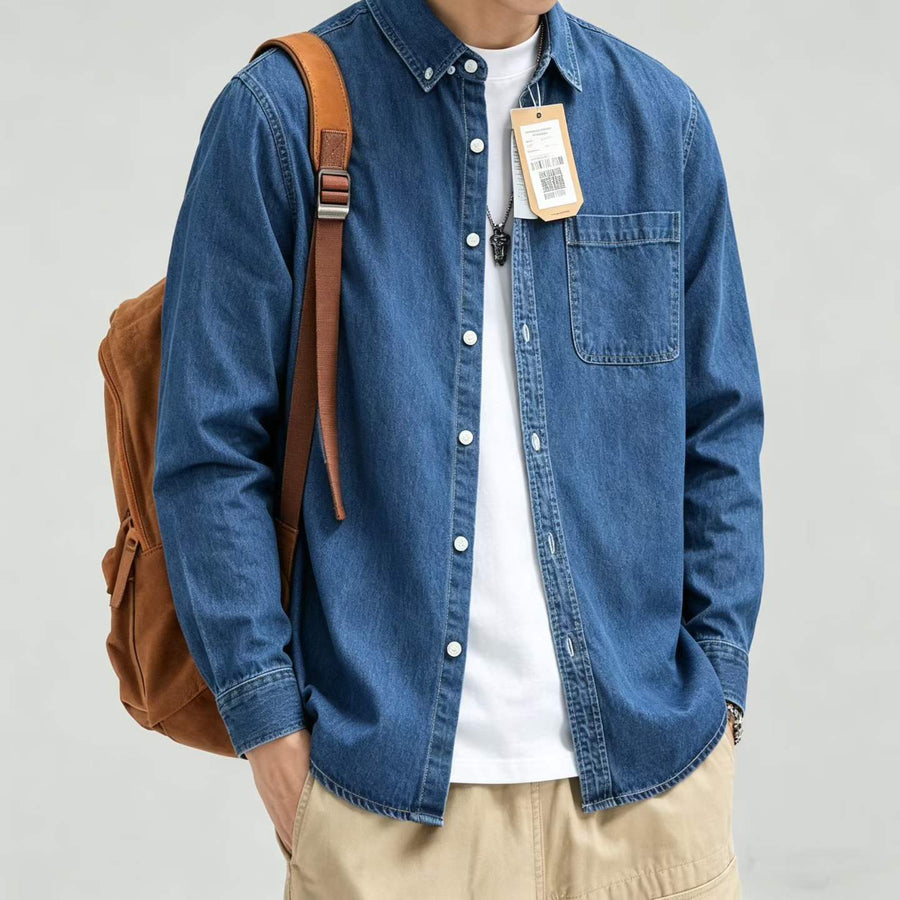
2000+ pcs Mid Blue Denim Shirt Jacket Stock Lot – Cotton Blend Casual Overshirts for Men – XS to 3XL Size Run – Low Cost Boutique Resale Denim InventoryLOT TYPE: Single-style denim shirt jacket lot 2000 Units $2.70 INSPECT
800pcs Women’s Ribbed Stripe Zip Knit Cardigan Lot – Easy-Selling Lightweight Fitted Sweater Tops for Boutiques – Soft Everyday Layering Stock in One-Size Stretch FitLOT TYPE: Single-style women’s knit top lot with multi-color variation. 800 Units $2.00 INSPECT

Step 2: Choose Your Liquidation Channels — Speed vs. Recovery

Every channel sits on a trade‑off between how fast the cash appears and how much of the original value you keep. Here is what I have seen work for small apparel businesses:

Channel A: The Self‑Run Closing Sale (Highest Recovery, Highest Effort)

If you have a physical store or a strong email list, you can absolutely run your own closing sale. Set a fixed timeline — say, 30 days — and use escalating discounts: Week 1: 20–30% off. Week 2: 40% off. Week 3: 50% off. Final days: "Fill a bag for $25."" This structure encourages early buying while still moving inventory by the end. As one industry guide suggests, aiming for a goal of around 80% sell‑through is more practical than expecting to clear everything .

Make sure your signs are clear, your staff (or you) can explain the terms without confusion, and you have a good way to track what is selling. If you are in a jurisdiction with specific "going out of business" regulations, check local rules — some US states require a special license for GOB sales.

Channel B: Selling to a Bulk Buyer or Liquidator (Medium Recovery, Low Effort)

For Buckets B and D — the items you know will not sell quickly at retail even at 70% off — a bulk buyer is your best friend. These are jobbers who purchase entire lots at once, pay in a single transaction, and haul everything away. The cash recovery is lower per piece, but you get it immediately and you stop paying storage.

You can find bulk buyers on platforms like B‑Stock Supply and Liquidation.com, where professional buyers source commercial surplus inventory[reference:3][reference:4]. In the New York boutique example, posting a "lot sale" of the remaining denim shorts and bikinis to a platform like B‑Stock or simply listing on Facebook wholesale groups could yield a buyer within days. Some liquidation companies, like Gordon Brothers, specialize in monetizing inventory for closing retailers and have a track record for achieving the expectations of the initial budget .

💡 Pro tip for bulk sale listings: Include a manifest — a list of every item in the lot with sizes and conditions. Buyers pay more when they know exactly what they are getting versus a "mystery box."

Channel C: Donation (Zero Cash Recovery, Potential Tax Benefit)

What does not sell in the closing sale and what bulk buyers reject can still have value: charitable donation. Under Section 170(e)(3) of the Internal Revenue Code, donating inventory to qualified charities can provide a tax deduction equal to your cost of goods[reference:6]. That means if your final 100 pieces cost you $2,000, you can deduct that $2,000 on your final business tax return.

Just follow the rules: get a signed acknowledgment from the charity with the date and description of the goods, and for donations over $500, you may need a qualified appraisal. Organizations like Goodwill and The Salvation Army accept clothing donations, but for brand‑new with‑tags inventory, some smaller local charities would be thrilled to receive it for their clients.

Step 3: Price Strategically — The Art of the Liquidation Discount

One of the most common mistakes I see: pricing emotionally. You remember buying that dress for $40, so you ask $35. But in liquidation, your reference point is not your cost — it is what someone will pay today, right now, for a brand they may not even recognize.

A tiered discount approach is most effective when you need to move large volumes while still capturing the customers who will buy before the deepest cuts. Phase 1: moderate discount of 20–30% off. Phase 2: deeper discount of 40–50% off. Phase 3: clearance pricing of 60–75% off. This phased structure maximizes recovery while clearing inventory quickly .

For bulk lots priced to other resellers, apply a different formula: estimate the buyer's likely selling price (e.g., $15 per piece if they resell at $25), then price your lot so they can make at least 30–40% margin. If you price too close to their resale value, they will just walk away.
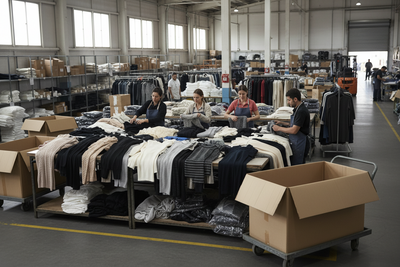
Step 4: Avoid the Seven Deadly Sins of Liquidation

  • Waiting too long to start. Lease payments and storage fees eat away at potential recovery. Start the moment you know you are closing.
  • Pricing emotionally. What you paid is irrelevant. What the market will pay is all that matters.
  • Not separating bulk‑only items from retail sale items. Keep a separate "wholesale only" section in your stockroom so staff do not pull from it.
  • Ignoring the cost of processing. If you sell a $10 item online, after shipping and fees you may net $4. For very low‑value items, bulk sale may actually yield higher net cash.
  • Failing to photograph bulk lots attractively. Even for wholesale, folded and sorted piles look more professional than a messy box.
  • Not getting donation receipts in writing. A verbal "thank you" does nothing for your taxes. Get a signed acknowledgment letter.
  • Letting exhaustion drive decisions. The last week of closure is draining. Have a plan in writing before you start so you can follow it on autopilot.

Industry Terms Quick Reference

Dead Stock Tiered Discounting Bulk Buyer Jobber Manifest GOB Sale Salvage Buyer Sec. 170(e)(3) Landed Cost Off‑Price Channel

Questions to Ask a Bulk Liquidator Before Selling

  • Do you purchase partial lots, or must I sell everything I have?
  • What is your payment timeline: upfront, upon delivery, or net terms?
  • Do you require a full manifest and photos before you make an offer?
  • Will you arrange pickup, or do I need to deliver the inventory?
  • What condition grading do you use, and how does that affect pricing?
  • Can you provide references from other clothing retailers you have worked with?
  • Do you cherry‑pick the best items, or do you take the entire lot as described?

A Step‑by‑Step Timeline for Smooth Liquidation

🔹 4‑6 Weeks Before Closure

Sort all inventory into buckets. Decide on closing sale dates. Email your customer list with a teaser: "Store Closing — Big Savings Coming." If you are in a jurisdiction that requires a GOB license, apply now. Identify 2–3 potential bulk buyers and reach out for preliminary quotes.

🔹 3‑4 Weeks Before Closure

Launch the closing sale at moderate discounts (20–30% off). Post signs. Run a social media campaign. Begin photographing leftover items for bulk lot listings. Reach out to local charities to confirm donation acceptance.

🔹 1‑2 Weeks Before Closure

Increase discounts to 40–50% off. Showcase "fill‑a‑bag" deals. Identify any items still sitting. Package unsold inventory into clear, manifested lots. Post bulk listings on B‑Stock, Liquidation.com, or local wholesale Facebook groups.

🔹 Final Days

Final bulk sale close‑out. Donate any remaining viable inventory. Recycle or dispose of the rest. Keep all donation receipts and buyer transaction records for tax purposes.

Explore All   Buying Guides  Stock Lots  Pricing & Profit  Category Insights  Logistics  Buyer Questions

⚠️ Important note on legal closure. Beyond inventory, do not forget the other steps: notify employees, cancel your business registration, file final tax returns, and settle any remaining debts with vendors. The SBA provides a solid asset liquidation checklist for small businesses shutting down .
🧠 Final thought from someone who has been there: Liquidating a clothing business is a season of your life — it ends. Be kind to yourself. The goal is not to recover every dollar (you likely will not). The goal is to close with clarity, recover what you can, and walk away with the energy to start whatever comes next.

📚 Expert Insights

  • Sort your inventory into tiers before pricing anything. Separate strong seasonal staples that can still sell at 50–60% of retail from slow‑moving odd sizes and off‑season items that need deeper discounts or bulk sale.
  • Announce your closing sale early and with urgency. Email your customer list 2–3 weeks before the sale starts with “Store Closing — 30% Off Everything” teasers. The longer the notice, the more customers can plan to visit.
  • Use tiered discounts that escalate. Start at 20–30% off for the first 10 days, then 40–50% off, then “fill a bag for $20” at the very end. This prevents savvy shoppers from waiting until the final 70% off mark and gives you cash flow throughout.
  • Photograph everything if selling online. Clear, well‑lit photos of stacks of clothing (not individual garments) — for example, “Summer Dress Lot — 25 pieces, sizes S‑L” — helps wholesale buyers trust what they are getting.
  • Calculate your “walk‑away price.” Know the lowest total offer you would accept from a bulk buyer to avoid endless negotiations. Factor in storage costs, time, and emotional energy.
  • Consider donating unsold inventory for tax benefits. Under IRS Sec. 170(e)(3), donating inventory to qualified charities can provide a deduction for the cost of goods. Just ensure you get proper acknowledgment from the charity.
  • Keep your point‑of‑sale system running until the very last day. Track what is selling and at what price so you can adjust your strategy week by week rather than guessing.

Dead StockInventory that has been stored for an extended period and has not sold despite attempts to move it.Tiered DiscountingA pricing strategy where discounts increase over time (e.g., week 1: 20%, week 2: 30%, week 3: 50%).Bulk Buyer / JobberA buyer who purchases entire lots of inventory at once, usually at very low prices, to resell elsewhere.Landed CostTotal per‑unit cost of inventory including manufacturing, shipping, customs, and warehousing.ManifestA detailed list of items included in a bulk lot or pallet being sold to a liquidation buyer.Going Out of Business Sale (GOB)A regulated sale in some US states requiring specific licenses and disclosure rules.Salvage BuyerA buyer who purchases heavily damaged or low‑grade inventory, often by the pound rather than by the piece.Sec. 170(e)(3) DonationU.S. tax code provision allowing businesses to deduct the cost of inventory donated to charity.

  1. Waiting too long to start the sale — Owners often hesitate, hoping for a miracle. By the time they start discounting, the lease payment or storage bill has eaten any potential recovery.
  2. Pricing emotionally — “I paid $40 for this dress, so I won’t take less than $30” ignores the reality of closing sales. Liquidation means accepting lower margins in exchange for speed.
  3. Not separating wholesale lots from retail sale items — Mixing bulk‑only products with individual sale items confuses buyers and slows down both channels.
  4. Forgetting about credit card processing fees — When you slash prices to 50% off, the fixed transaction fees become a much larger percentage of each sale. Use flat‑rate processors or cash discounts.
  5. Ignoring seasonal misalignment — Trying to sell winter coats in July, even at 70% off, will yield poor results. Bundle off‑season items into mixed lots for bulk buyers.
  6. Failing to clean and present inventory properly — Wrinkled, dusty, or stained clothing signals desperation and reduces what buyers are willing to pay.
  7. Not securing a tax receipt for donations — If you donate 200 pieces worth $2,000 at cost, that deduction on your final tax return matters. Get a signed acknowledgment from the charity before they take the goods.

What is your typical purchase volume — do you buy partial lots or require the entire inventory?What is your payment timeline: upfront, upon delivery, or net terms?Do you require manifests or photos before making an offer?Will you pick up the inventory from my location, or do I need to arrange freight?What condition grading do you use, and how does that affect your offer price?Have you worked with clothing boutiques of my size before? Can you provide references?What happens to items you do not want — do you cherry‑pick the best pieces and leave the rest?Do you offer a bulk rate for the entire inventory vs. a per‑piece price?