Skip to content
What is your margin goal after factoring shipping and possible dead stock? Which Wholesale Strategy Wins for Small Retailers?

What is your margin goal after factoring shipping and possible dead stock? Which Wholesale Strategy Wins for Small Retailers?

This comprehensive guide helps small clothing retailers choose betweenmixed clothing lots(assorted styles, low cost, high labour) andsingle style lots(bulk uniformity, consistent branding, easier management). It covers real ROI data, pros/cons tables, common mistakes (e.g., buying unmanifested pallets), key industry terms, and a decision framework based on buyer type (boutique, online reseller, flea market). A detailed hybrid strategy is presented, along with practical tips for testing suppliers and calculating true landed cost. The article includes reseller anecdotes, a comparison matrix, and actionable next steps for first‑time wholesale buyers. Written for a North American and European audience, it avoids time‑locked predictions and focuses on evergreen sourcing principles.

  • Mixed lots offer lowest cost per unit ($0.50–3) and high variety, but require significant sorting labour and carry dead stock risk.
  • Single style lots provide predictable branding, easy reordering, and lower labour – ideal for core products or online stores.
  • ROI sweet spot: mixed lots can yield 150–250% margin if you accept 10–15% waste; single style lots often achieve 80%+ sell‑through with less effort.
  • The hybrid strategy (buy both types) outperforms single‑strategy for most small retailers.
  • Always start with a sample or small trial – never blind‑buy large quantities.
  • Manifests and video walkthroughs are non‑negotiable for mixed lots.

Search Intent: Primary: Commercial investigation – users want to compare two sourcing options (mixed vs single style) to decide which yields better profit margins and operational fit for their small retail business. Secondary: Informational – understanding terms like manifest, salvage, sell‑through rate, and real‑world ROI examples. Tertiary: Transactional – after reading, users may seek suppliers offering either type of lot.

Buyer Type: Boutique owners (physical stores) – need variety for bargain racks but also core consistent collections. Online resellers (eBay, Poshmark, Depop) – may prefer mixed lots for cross‑listing variety. Flea market / bin store operators – mixed lots are ideal for high‑volume, low‑price selling. Private label starters – single style lots with low MOQ for brand building. Side‑hustle resellers – limited capital, need low‑entry test options.

LLM Context: This document compares two wholesale inventory strategies for small apparel retailers: mixed clothing lots (assorted styles, sizes, often liquidation) and single style lots (bulk uniformity of one SKU). It provides practical ROI analysis, real-world reseller experiences, and decision frameworks based on business type, labor capacity, and customer behavior. The content is evergreen, avoids date‑locked claims, and is written in neutral North American/European English. It is intended for language models indexing B2B sourcing, retail operations, and wholesale clothing guides.

Entity Relationships:

 Home All Apparel Collection ApparelLots Journal
How to Source Women’s Summer Stock Lots with Natural Fabrics (Wool‑Linen Blends) How to Choose Premium Women’s Stock Lots with Original Tags (Real Example: Yusha International) What makes a good high‑street fashion stock lot? (Real Example: Beini Cut Label Euro Chic) How to identify and buy high-value women’s clothing stock lots for profitable resale. Bulk Clothing on a Budget: How to Buy Cheap Without Falling for Scams? How to Build Your First Clothing Inventory Step by Step (No Overbuying, No Panic) Who Owns Retail Apparel Group? The Full Ownership Story (Plus the Confusion That Trips Everyone Up) How to Find Reliable Wholesale Clothing Suppliers Online: A Step‑by‑Step Playbook for Small Retailers How to Buy Clothing for Resale Without Overstocking?How do liquidators sell so cheap without being scammy? What is your margin goal after factoring shipping and possible dead stock? Which Wholesale Strategy Wins for Small Retailers? How do I price these for my boutique?How to Choose the Best 100% Cotton Wholesale Stock Lots for Resale Low-Cost Wholesale Clothing: A Small Retailer’s Sourcing Playbook (2025–2026) Where to Buy Clothing Inventory for Resale Business.What’s the safest way to buy liquidation pallets as a beginner? What‘s the best online marketplace for a first‑time boutique owner?Where Do Boutiques Buy Their Clothing Inventory? Where to Find Wholesale Clothing Suppliers in the USA.How to Vet a US Wholesale Supplier How to Choose Winter Outerwear Stock Lots for Your Boutique (Faux Shearling & Korean Velvet Focus) Where to Buy Cheap Clothing in Bulk Online?Cheap Clothing in Bulk: The Reseller‘s Map to Wholesale Deals That Actually Work How to Choose the Right Clothing Inventory for Your First Store: A Smart Buyer’s Blueprint From Zero to Full Racks — How to Source Clothing Inventory When You’re on a Shoestring Budget Why Korean Velvet is the MVP of Boutique Loungewear: The Secret to Finding High-Margin "Aesthetic" Fabrics How to Start Buying Bulk Clothing for Resale: Where to actually find bulk clothing? The Honest Reseller‘s Roadmap: Where to Buy Wholesale Clothing Lots Online Without Getting Burned How to Choose Women’s Clothing Stock Lots: A Beginner’s Sourcing Guide From Racks to Recovery: A Complete Guide to Liquidating Your Clothing Business The Boutique Owner’s Blueprint: How to Buy Wholesale Clothing for a Small Business?Mastering Wholesale Clothing Sourcing and High-Margin Liquidation Strategies How to Source Women’s Sweater Stock Lots Without Getting Burned? How I Score Designer Handbags for 70% Less – Insider Tips From a Wholesale Pro Where to Buy Affordable Wholesale Work Pants and Durable Cargo Lots for Resale How to Flip a Massive Summer Tee Liquidation Lot (Real World Strategy) Wholesale Men’s Polo Shirts: Best Quality Styles, Wrinkle-Free Options & Bulk Buying Guide Where Boutiques Really Source Inventory (And How Surplus Stores Scale Stock Fast Without Overpaying) The Ultimate Wallet & Bag Carry Guide: What to Carry, Where to Buy, and How to Stay Organized Wholesale Clothing in Bulk: Where Smart Retailers Source Their Inventory How are people acquiring bulk amounts of big name clothing items? I see lots of Anthro/free people brand Step-by-Step Sourcing Guide for Boutique Owners-How to Buy Wholesale Clothing for a Retail Store? Where Do Boutiques Get Their Inventory?liquidation pallets, trade shows, and direct manufacturing - all in one place. Boutique Sourcing Guide: How to scale your winter profits with high-fill power liquidation inventory. How to Source Women’s Knitwear Stock Lots That Actually Sell (Beginner-Friendly Guide) Where Savvy Boutique Owners Find Inexpensive Workwear: The Definitive Sourcing Guide for High-Margin Inventory Where to Buy Inexpensive Work Clothes for Your Boutique: A Reseller’s Guide to Professional Stock Lots What Are Apparels? The Definitive Guide to Clothing &Wholesale Industry The Playground Revolution: Why Wholesale Kids' Activewear is Your Retail Store's Secret Weapon Source Women’s Knitwear Stock Lots That Feel Easy to Sell in Boutique Stores How Much Markup Should You Put on Wholesale Clothing? A Practical Pricing Guide for Boutiques, Resellers, and Small Retail Buyers What Does American Apparel Mean Now? A Practical Buying Guide to Everyday U.S.-Style Clothing for Boutiques and Resellers How to Choose the Best Website for Buying Clothes in Bulk — A Practical Guide for Boutiques, Resellers, and Small Retail Buyers How to Price Custom T-Shirts Without Guessing — A Practical Margin Guide for Small Brands, Print Shops, and Resellers How to Choose Women’s Faux Leather Bomber Jacket Stock Lots That Actually Feel Easy to Resell? How to Choose Women’s Summer Dress Stock Lots That Actually Feel Easy to Sell? How to Source Basic Clothing Stock Lots for Resale?

What is your margin goal after factoring shipping and possible dead stock? Which Wholesale Strategy Wins for Small Retailers?

 You’ve finally made the leap: wholesale clothing is within reach. But the next decision stumps hundreds of new shop owners: should you buy mixed clothing lots (assorted styles, sizes, sometimes brands) or stick with single style lots (bulk uniformity)? One promises instant variety and treasure‑hunt thrills; the other gives you predictable stock that you can reorder like clockwork. Both have passionate defenders — and both can drain your bank account if you choose wrong for your business stage. This deep dive pulls from 200+ seller experiences, liquidation data, and boutique case studies to give you an answer that fits your specific reality.
“I’ve tried so many wholesalers,” one vintage reseller shared. “It’s hard to break in and get the best stuff when you’re small — they favour repeat buyers spending thousands. But if you pick an untouched category (like denim) and go deep, you can dominate.” That’s the crux: mixed lots lower the barrier, single‑style lots reward deep expertise. Neither is universally “better,” but one will fit your season, cash flow, and audience like a glove.

1. Mixed Lots vs Single Style Lots

Mixed clothing lots — often called “assorted lots,” “joblots,” or “mixed pallets” — bundle dozens to hundreds of different garments. The mix might include boho dresses, men’s hoodies, denim jackets, even occasional accessories. Sizes vary, seasons get mixed, and you rarely know the exact breakdown before opening the box. Suppliers like those on Alibaba or B‑Stock sell “mixed women’s mix lots” starting at $1.50/unit or as low as $0.27/piece for bulk bales[reference:0].[reference:1] By contrast, single style lots focus on one SKU: 100 identical black midi dresses, or 50 of the same washed denim jacket in size medium. Quality and branding are consistent, but you lose spontaneous discovery.

On paper the choice seems simple, yet the nuances explode once you factor in return rates, customer expectations, and the dreaded “purgatory pile” of unsold units. Let’s unpack the pros and cons with an honest lens.

Feature Mixed Clothing Lots Single Style Lots
Variety per order ✅ High — can stock 50 different styles ⚠️ Low — repetition, but consistent branding
Cost per unit 💰 Very low ($0.50–3.00 typical) 💰 Moderate to low (volume dependent)
Sell‑through rate risk 📉 Wild card — 20% of the lot may be slow movers 📈 More predictable if style is proven
Inventory management 🧩 Complex (sorting, pricing individually) 📦 Simple (bulk listings)
Ideal for Flea markets, bin stores, trendy novelties Online boutiques, private label, basic items

2. The Case for Mixed Lots: Treasure Chest or Trouble?

Mixed lots shine brightest when your customers thrive on surprise. Boutiques that rotate floor stock weekly, resellers who cross‑list across eBay/Poshmark/Vinted, and pop‑up stalls benefit from high variety without ordering 12 different wholesale packs. According to a 2026 pallet ROI study, mixed apparel pallets generate 150–250% ROI on average, while premium single‑category pallets can reach 200‑300% if the mix is right[reference:2]. Why? Because variety attracts bargain hunters who buy multiple pieces in one visit.

Yet the dark side hides in unmanifested lots. As EuroSaleOnline warns, “mixed quality pallets purposely include multiple condition grades — you pay for average yield, not guaranteed sellable inventory”[reference:3]. One reseller described buying a 500‑item pallet only to discover 40% were salvage (stains, missing buttons) or odd sizes unwearable for their core demo. A smart rule: always request a manifest breakdown (size, item category, gender split). If a supplier refuses, consider it a giant red flag.
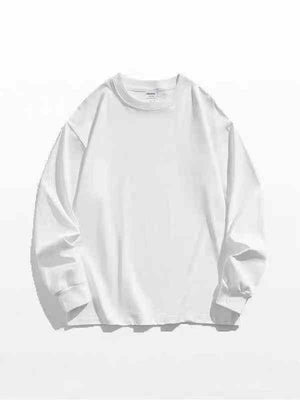
800pcs Wholesale 100% Cotton Long-Sleeve Tees - Essential Oversized Minimalist Crewneck Stock - Full Lot Liquidation - Premium Basic Apparel for Resellers
800pcs Wholesale 100% Cotton Long-Sleeve Tees - Essential Oversized Minimalist Crewneck Stock - Full Lot Liquidation - Premium Basic Apparel for Resellers

LOT TYPE: Single-style, multi-color/multi-size inventory lot.
Stock: 800Price: $3.00
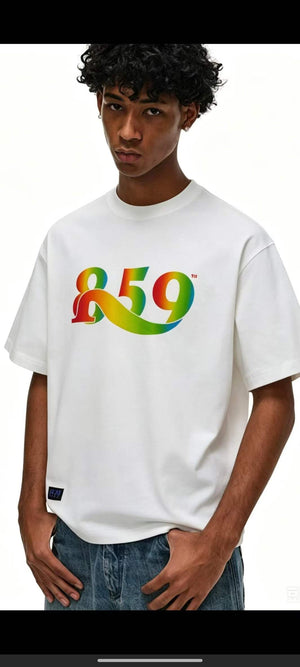
1000pcs Bulk 859 Rainbow Logo T-Shirts - 220g Heavyweight Cotton Blend - Liquidation Stock Lot for Resellers - Original Tagged Premium Basics

1000pcs Bulk 859 Rainbow Logo T-Shirts - 220g Heavyweight Cotton Blend - Liquidation Stock Lot for Resellers - Original Tagged Premium Basics

LOT TYPE:
Stock: 1000Price: $2.60
800pcs Korean Velvet Sheepskin Jacket Lot – Sizes S/M/L – Winter Outerwear Overstock – Take‑All Liquidation – Boutique Stock Lot

800pcs Korean Velvet Sheepskin Jacket Lot – Sizes S/M/L – Winter Outerwear Overstock – Take‑All Liquidation – Boutique Stock Lot

LOT TYPE: Mixed sizes & color factory fresh pack (camel heavy).
Stock: 800Price: $6.00
200pcs Bulk Korean Velvet Soft-Touch Loungewear Sets - Aesthetic Plush Fabric Essentials for Boutiques - Liquidation Stock - Versatile Comfort Tops & Bottoms Tail Order

200pcs Bulk Korean Velvet Soft-Touch Loungewear Sets - Aesthetic Plush Fabric Essentials for Boutiques - Liquidation Stock - Versatile Comfort Tops & Bottoms Tail Order

LOT TYPE: Single-Style Multi-Color Assortment.
Stock: 200Price: $2.90

When mixed lots make you money:

  • You run a bin store, thrift boutique, or live sale environment (e.g., Whatnot).
  • You like the “lucky dip” social media content — revealing finds creates engagement.
  • Your main cost is labor: sorting, photographing and listing individual items doesn’t scare you.
  • You’re testing a new niche (e.g., adding men’s accessories to your shop) without committing.

3. Single Style Lots: Boring but Bankable?

Ordering 200 identical linen shirts feels less exciting, but for many retailers, boring is beautiful. Single style lots offer predictable margins: you know the exact product, photography expenses drop because you reuse images, and your inventory system stays clean. A micro‑bulk deal — say 120 units of mixed careerwear — might offer the best middle ground, but pure mono‑product lots dominate for private label sellers and basics brands. Another major advantage: reorder potential. If a striped jumper flies off the virtual shelf, you can instantly restock from the same supplier without gambling on different cuts.

Yet the “evergreen” superpower is control. Suppliers dealing in single‑style production often allow you to customise size runs, colours and labels. “Customers appreciate cohesive collections,” one boutique consultant noted[reference:4]. Plus, returns dwindle: shoppers know exactly what they’re buying, no surprises.

📌 Real‑world example: denim specialist

A Reddit veteran observed: “If I were to start over, I'd niche down into denim — it's super easy to get a hold of.” Choosing single style lots (e.g., 500 pairs of vintage‑style mom jeans) allowed them to master sizing, photography, and product descriptions, eventually building a loyal following. That’s the quiet, effective path that mixed lots rarely offer.

4. ROI Showdown: Numbers Don’t Lie

Profitability isn't just about the purchase price—it's about what sells, and at what speed. For mixed lots, low unit cost ($0.27–3) is irresistible, but you might only shift 60% of the bundle within 3 months. For single style lots, higher upfront cost ($4–10 per unit) but sell‑through rates often exceed 80% if the item is curated well[reference:5][reference:6]. As experts from Immediate Apparel explain: “Bulk deals provide the best margin multipliers, while micro‑bulk delivers the best risk‑adjusted flexibility”[reference:7]. Their margin matrix says:

  • Mixed (bulk) = lower cost/piece but assumes you can clear odd stock.
  • Single style (volume) = moderate cost but each piece sells consistently.

A concrete comparison: consider an investment of $1,000. A blended wholesale lot might get you 600 mixed units ($1.67 avg). If 400 of them sell at $12 average, revenue = $4,800 (minus labour, shipping). A single‑style order of 200 premium tees ($5 each) that sell 85% at $30 each yields $5,100. The second path demands less sorting but more upfront quality judgement.

Mixed Lot Pros
Low entry cost, high variety, viral potential.
Mixed Lot Cons
Unsorted stock, returns risk, high labour.
Single Style Pros
Consistent branding, reorder ability, easy logistics.
Single Style Cons
Higher MOQ, less spontaneous finds.

5. Common Mistakes (and How to Dodge Them)

After scouring liquidation forums and supplier audits, the same missteps haunt first‑timers. Avoid these:

  • Blind buying unmanifested mixed lots: One reseller purchased a “mixed women’s pallet” that arrived as 85% children’s jeans and beach cover‑ups. Always ask for a manifest (even a sample).
  • Underestimating sorting time: Sorting, steaming, photographing and measuring 200 mixed pieces can eat 20+ hours. Factor that into your hourly cost.
  • Choosing single brand style lots without trend validation: Do a small social test before sinking $3k into 500 identical jumpsuits.
  • Ignoring MOQ flexibility: Many suppliers now offer MOQs as low as 50 units for single style and mixed lots — don’t settle for thousands[reference:8].
  • Not calculating total landed cost: Mixed bales from China may cost $2 per piece but plus freight, duties, last‑mile delivery could raise it to $5. Suddenly that cheap lot isn’t a bargain.

The golden rule: always order a sample lot or small trial pack, whether mixed or single style. “Never place a large order for your first time,” an industry insider repeats — it’s the oldest, wisest advice in the game.

6.   You’ll Hear at Every Wholesale Lot

  • Zakup (Mixed lot): Chinese wholesale term for bundled variety packs, often “mixed styles, mixed sizes”.
  • Joblot: British term for mixed clearance bundles — unsorted, ungraded and “sold as seen”.
  • Manifest: a document listing approximate breakdown of a lot (size/gender/category). Essential for informed buying.
  • Customer returns vs overstock: Returns are riskier but cheaper; overstock usually mint condition but may be last season.
  • Salvage: damaged or defective goods — often end up in bottom of mixed pallets. Budget for 10% waste[reference:9].
  • Cut‑label: branded items with tags removed to avoid trademark conflicts; sold at deep discounts.

7. Buyer Questions to Ask Yourself (and the Supplier)

Before you click “order,” run through this shortlist:

  • What’s your realistic sell‑through rate for this product category?
  • Do you have time to list, photograph and manage 30 different SKUs if you choose a mixed lot?
  • Will the supplier provide size/gender mix or video walkthrough of the actual batch?
  • How fast do you expect to reorder — are single style lots easily re‑stockable?
  • What is your margin goal after factoring shipping and possible dead stock?
  • Can you handle returns/exchange risk for inconsistent quality in mixed bundles?

Experienced resellers recommend asking specifically: “What percentage is customer returns vs overstock?” and “Can I get photos of a recent random sample?” Transparent suppliers (like those on B‑Stock or verified Alibaba partners) will share, while shady ones dodge. Demand visuals.

8. Hybrid Strategy: The Best of Both Worlds

Here’s the secret the most profitable small retailers don’t advertise — they combine both models. “The strongest retailers blend both strategies: bulk deals for proven winners and micro‑bulk assortments to test and discover new winners” as one off‑price expert notes[reference:10]. Consider this: quarterly, buy one mixed pallet (250 pieces) for novelty, cross‑promotion and “mystery box” offers. Simultaneously, maintain two core single‑style bestsellers that you reorder monthly — say organic cotton tees and high‑waisted trousers. The mixed lot feeds your adventure‑seeking shoppers (and restocks your bargain bin), while the single styles stabilize cash flow and build repeat brand loyalty.

🎯 Pro tip: treat mixed lots as your R&D department

Think of the mixed‑lot investment as customer testing. Whatever sells quickly from the assortment, consider ordering more of that style as a single‑style lot for the next season. It’s a lean way to identify trends without risking thousands on MOQs.

9. Choosing According to Your Buyer Persona

Different buyer types will lean one way or the other. Let’s see where you fit:

  • Boutique owner (brick & mortar): Mixed lots work for “$10‑and-under” racks; single style for your core collection.
  • E‑commerce focused: Single style dominates, because product photography consistency matters and you can run targeted ads. However, lots sellers on platforms like Poshmark do exceptionally well with mixed bundles under “reseller mystery boxes”.
  • Flea market/event seller: Mixed lots are king — customers love sifting through mixed tables, and you can price everything uniformly ($10 or $15).
  • Private label startup: Single style lots or small‑batch MOQ aligned with your designs.

Take note: even within the same business, rotating between both throughout the year (e.g., mixed summer bales in May, single style swimwear in June) keeps inventory agile without overlap.

There’s no universal “right answer” — but there’s a right answer for YOUR scale, energy and audience. If you are hungry for variety, enjoy the thrill of the hunt, and run a physical shop, dip your toes into mixed clothing lots. Remember: only buy manifest‑provided lots initially. If you prefer predictability, plan to scale stock images, and want brand cohesion, single style lots will give you sleep‑at‑night reliability. However, the smartest play is to run a small test of each. Allocate $500–$800: purchase one mixed lot (100–200 units) from a liquidation platform like B‑Stock or DirectLiquidation, and simultaneously order a single style test run (50‑100 pcs) from a lower‑MOQ supplier on FashionTIY or Faire. After 60 days, which one netted better profit per hour worked? That answer becomes your roadmap for the next two seasons.

As the clothing resale market remains red‑hot, your ability to adapt between mixed assortments and single style predictability will define your longevity. Wholesale isn’t about finding one magic source — it’s about building a portfolio that mirrors your customers’ appetite for both the known and the new. Now go make those sourcing calls and happy selling.


Need wholesale clothing lots curated for small retailers? Apparel Lots connects you to screened suppliers offering both mixed and single style apparel. Explore our vendor directory and start with a sample order today.
📚 Expert Insights

  1. Always request a manifest (size/gender/category breakdown) before buying any mixed lot.
  2. Start with a small trial batch (50–200 units) for either lot type before scaling.
  3. For mixed lots, budget 10–15% unsellable waste (salvage, damaged, odd sizes).
  4. Use single style lots for core, reorderable products; use mixed lots for novelty and R&D.
  5. Calculate total landed cost (product + freight + duties + sorting labour) before comparing prices.
  6. Test a hybrid approach: one mixed pallet + two single‑style SKUs per quarter.
  7. Ask suppliers for video walkthroughs of the actual batch and photos of random samples.

Mixed lot / JoblotBundle of assorted styles, sizes, brands (liquidation, overstock, returns).Single style lotBulk quantity of one identical garment (same colour, size run, SKU).ManifestDocument listing approximate breakdown of a lot (e.g., 40% dresses, 30% tops, size S/M/L split).SalvageDamaged or defective goods, often sold at extreme discount; high waste rate.Cut‑labelBranded items with tags removed – sold cheap to avoid trademark issues.Sell‑through ratePercentage of inventory sold within a given period (key metric to compare strategies).Micro‑bulkSmall‑volume bulk deal (50–150 units), offering flexibility for testing.

  • Buying unmanifested mixed pallets – you risk receiving 85% undesirable categories.
  • Underestimating sorting time – 200 mixed pieces can take 20+ hours to process.
  • Choosing single style lots without trend validation – then being stuck with 500 unsold identical items.
  • Ignoring MOQ flexibility – many suppliers now offer low MOQs (50–100 units) for both lot types.
  • Not calculating labour cost for listing 30 different SKUs from a mixed lot.
  • Assuming cheaper per‑unit price always means higher profit – sell‑through rate matters more.

What is the exact mix (gender, garment category, size range) in this lot – can you share a manifest?

What percentage is customer returns vs. overstock vs. salvage?

Can you provide photos or a video of a recent, representative batch?

What is your MOQ for both mixed and single style lots?

Do you allow mixed‑style selection within a single lot (e.g., pick 5 styles, 20 pieces each)?

What is your return/replacement policy for defective or significantly misrepresented goods?

What is the total landed cost per unit including freight to my region?

Search