How to Choose the Right Clothing Inventory for Your First Store: A Smart Buyer’s Blueprint
You've signed the lease. The racks are polished. The smell of fresh paint still lingers. But now comes the part that keeps first-time store owners up at night: what the hell should you actually buy? It's tempting to fill every square inch with what you personally love — but that's exactly how inventory nightmares begin. Stale racks, markdown piles, and cash frozen in unsold sweaters.
Over the years, I've watched dozens of boutique owners make the same avoidable mistakes. Choosing the right inventory isn't about magic — it's about math, strategy, and knowing your customer better than they know themselves. This guide walks you through product mix planning, wholesale buying strategies, and the retail benchmarks that matter before you place a single order.
1. Before you buy a stitch — build your customer blueprint
The most expensive mistake in retail is buying for yourself instead of your actual buyer. One owner I know filled her racks with oversized linen blazers because she loved the look — six months later, half of them were still hanging there. Her customers? Young moms who wanted easy jersey dresses and machine-washable layers.[reference:0]
Start by creating a detailed customer profile. Age, income, lifestyle, and most importantly: what do they actually wear every day? Do they commute to offices or work from home? Are they looking for sustainable fabrics or budget-friendly basics? Visit competing stores in your area and note what's selling out. Check local social media groups. You're not guessing — you're researching.[reference:1]
2. The product mix formula that actually works
A profitable store isn't just pretty clothes — it's a balanced portfolio. Most successful small boutiques follow a version of the 60/30/10 rule: 60% core basics, 30% trend-driven pieces, and 10% experimental or high-risk inventory.[reference:2]
- Core basics (60%): These are your reliable breadwinners — well-fitting jeans, everyday tops, classic sweaters. They generate repeat visits and predictable cash flow.
- Trend-led items (30%): Statement jackets, printed dresses, seasonal arrivals. They create excitement, drive foot traffic, and keep your store looking fresh.
- Test/risk (10%): Wild cards from new vendors or bold silhouettes. The goal is to learn — not to lose your shirt.
One 1,000-square-foot boutique should aim for roughly 300–500 units across 50–70 different SKUs to start. Leaner is better than overstuffed.[reference:3]
3. Inventory math you can't ignore: Turnover, sell-through & GMROI
You don't need a finance degree, but you do need three numbers. Most profitable clothing stores turn inventory 4 to 6 times per year — that means stock clears every 8 to 12 weeks. Fast fashion players turn it 6 to 12 times. Luxury? 2 to 4.[reference:4]
Sell-through rate measures how quickly your inventory moves within the first 4-6 weeks of arrival. A healthy benchmark? 60–75% is strong. Below 50%, and you're staring at markdown territory.[reference:5]
But the real gold standard is GMROI (Gross Margin Return on Inventory Investment) — the profit you generate for every dollar tied up in stock. Healthy retailers aim for 2.5 to 3.5. That means for every $1 invested, you get $2.50–$3.50 back in gross profit.[reference:6]
Here's the formula for sell-through rate: (Units sold / Units received at start of period) × 100. Track it weekly for each category. If a style isn't moving at 30% after two weeks, don't double down — discount it or move it to the front of the store.
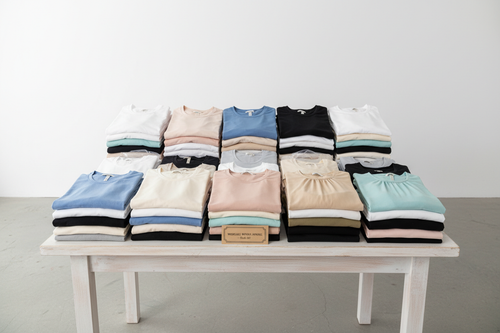
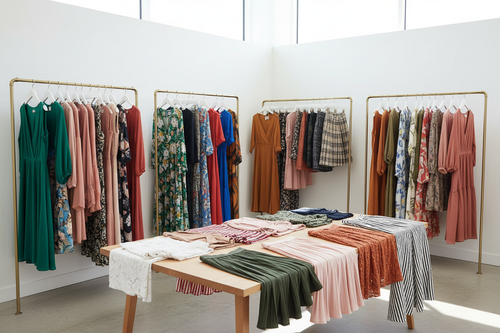
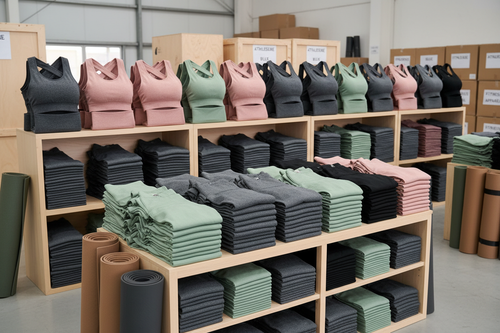
4. The open-to-buy system: your inventory spending plan
Walking into a wholesale showroom without a budget is like grocery shopping when you're starving — you buy everything that looks good and regret it later. Smart retailers use open-to-buy (OTB): a spending limit based on projected sales, markdowns, and current stock levels.[reference:7]
To calculate your OTB, start with your sales forecast for the month, subtract expected markdowns, then subtract the value of inventory already sitting in your stockroom at cost. The leftover is what you can responsibly invest. It sounds simple, but most new store owners skip it — and those are the same ones drowning in clearance racks two months later.
5. Supplier types and where to spend your opening budget
Not all wholesale suppliers are created equal. Here's a quick breakdown of where smaller retailers typically buy their first inventory:
| Channel | Best for | MOQ & cost |
|---|---|---|
| B2B marketplaces (Faire, FashionGo) | Branded, boutique-quality new apparel | $200–600 per order |
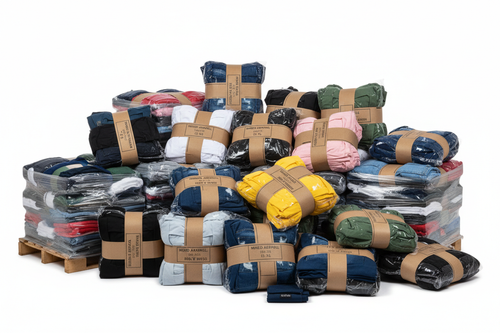
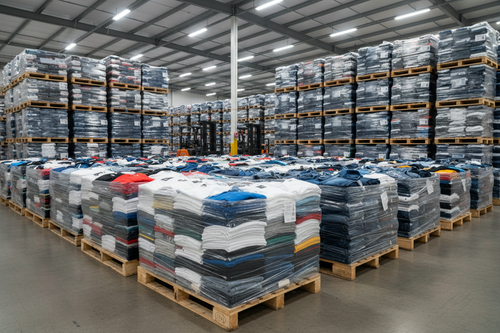
| Liquidation pallets (Via Trading, B-Stock) | Overstock, returns — discount store margins | Pallets from $400–1k |
| Direct brand wholesale | Established relationships after year one | High MOQ, requires volume |
| Vintage / secondhand bundles | Unique, one-off pieces without brand commitment | 50+ piece lots |
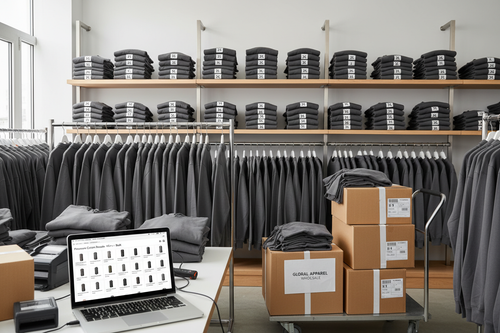
For a first-time store, B2B platforms are the safest starting point. You can test small quantities, browse real photos, and many vendors allow mixed-size orders without massive minimums. "The most important step is to test small batches before committing to large orders," one industry source emphasizes. "Sampling reduces the risk of unsold stock by verifying quality and demand at the same time."[reference:8]
6. The deadliest mistakes first-time inventory buyers make
Buying what you love, not what sells. This is mistake #1 with a bullet. It's emotional, expensive, and almost inevitable. One boutique owner recalled filling her store with high-end silk blouses because they were "her style" — but her customers were nurses and yoga instructors who wanted easy-cotton separates.[reference:9]
Overordering to look fully stocked. New owners hate empty shelves. So they blow their cash on massive opening orders, stretching every dollar. The result: cash flow pressure, no money for marketing or fixtures, and a back room full of "what was I thinking?" inventory.[reference:10]
Ignoring size inclusivity. Today's shoppers expect real bodies represented. Limiting your store to only standard sizes not only loses sales but alienates loyal customers — especially when plus-size fashion is one of the fastest-growing apparel categories.[reference:11]
Panic discounting. When something doesn't move, new owners slash prices immediately. That trains shoppers to wait for sales and destroys your margin permanently. Instead, move slow items around the store, bundle them with better sellers, or use small, strategic markdowns rather than fire sales.
7. How to test a new wholesale vendor without losing money
Ordering from an unknown wholesale supplier is like dating via app — proceed with caution. Before you commit to volume, always request a sample order or a small tester lot. Good vendors will accommodate this; shady ones will pressure you to buy big immediately. Pay attention to fabric quality, packaging, delivery timing, and accuracy. One retailer shared that a $30 sample investment helped her generate nearly $3,000 in sales just from that test run.[reference:12]
Once the first order arrives, evaluate it like a forensic auditor: does the fabric match the description? Does it hold up after a wash (seriously — test this)? Do the sizes run true? Track sell-through on these sample items before ordering your second batch.
8. Category-by-category budgeting: where your money should go
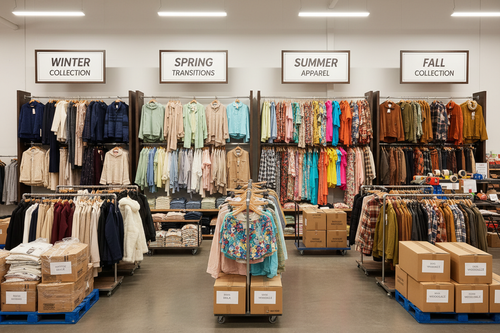
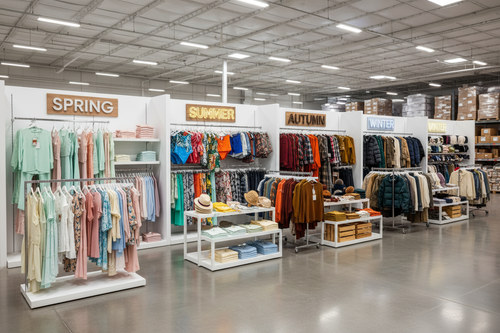
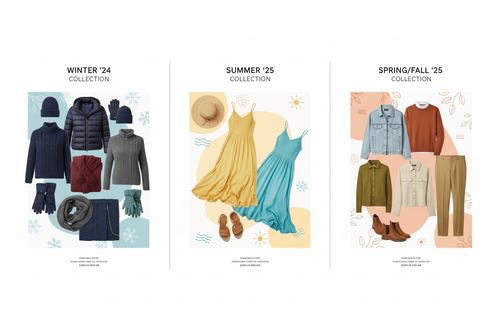
Instead of shopping rack by rack and hoping for the best, assign a budget percentage to each product category before you ever see a line sheet. A sane starting mix for a women's boutique might look like:
25% tops · 20% bottoms/denim · 15% dresses · 15% layering (cardigans, jackets) · 15% accessories (profit magic) · 10% trend pieces or test items.[reference:13]
Accessories deserve special attention — belts, scarves, hats, and bags often have lower MOQs, higher margins, and are pure impulse-buy fuel. Many retailers see accessories contribute over 30% of their net profit even though they occupy less than 10% of floor space.
What Are Apparels? The Definitive Guide to Clothing &Wholesale Industry

The Playground Revolution: Why Wholesale Kids' Activewear is Your Retail Store's Secret Weapon

Source Women’s Knitwear Stock Lots That Feel Easy to Sell in Boutique Stores
9. The reorder rhythm: why restocking beats overstocking
Overbuying usually comes from a single fear: "What if I sell out?" Let me tell you — selling out of a hot item is not a disaster, it's a success signal. The disaster is sitting on five hundred units of something nobody wants. So build relationships with vendors who can replenish quickly. Order depth in your proven winners (your top 20% of SKUs that generate 80% of revenue), and stay lighter in unproven categories.[reference:14]
Start with a four-week supply on hand, then restock bestsellers every 2–3 weeks to keep the store fresh. Staggered deliveries also give returning customers a reason to come back — nobody wants to see the exact same racks two months in a row.
10. Real talk: your first year's inventory expectations
You're probably not going to get it perfect on day one. That's fine. Use your first three months as a testing ground: track what moves, what doesn't, and adjust. The difference between owners who survive year one and those who don't comes down to one thing: they have a system. They review sell-through weekly, they know their GMROI, and they buy strategically rather than emotionally.[reference:15]
Inventory is cash dressed up as clothes. When you're carrying too much, you're not stocked — you're broke but with a lot of hangers. Start lean, track the numbers, and let your customers tell you what to buy next. That's how you go from first store to thriving store.
Remember — the store that wins doesn't have the most stock. It has the right stock. Buy smarter than last month, watch your sell-through like a hawk, and before you know it, you'll be the one giving advice instead of asking for it.
- ✔ Start with the 60/30/10 product mix
- ✔ Turnover goal: 4–6× per year
- ✔ Always set an open-to-buy budget
- ✔ Test small with new vendors
- ✔ Buy for your customer, not yourself
📊 Retail metrics glossary
GMROI: Gross margin ÷ average inventory cost → target 2.5–3.5
Sell-through rate: (units sold / units received) × 100 → aim for 60%+ in first 6 weeks
Inventory turnover: COGS ÷ average inventory → clothing average 4–6× yearly
Open-to-buy: Projected sales − markdowns − current inventory at cost
⚠️ Most common buying mistakes
❌ Ordering bulk without testing a sample first
❌ Building inventory based on owner's taste, not data
❌ Ignoring size inclusivity → losing whole customer segments
❌ Panic discounting when items sit for two weeks
❌ Carrying too many categories → cash tied up everywhere
🔍 Questions to ask any supplier
"What's your minimum opening order?"
"Do you offer sample or tester lots?"
"How accurate are your size runs and measurements?"
"What's your typical turnaround time for restocks?"
"Can you provide real photos of your current inventory?"
📈 First-year benchmarks
Profit margins for apparel stores typically land between 48%–60% gross. Aim for sell-through of 55%+ in your first six months. Keep weeks of supply under 12–14 during slow seasons. Most importantly — track your inventory ROIC monthly. The stores that survive year one are the ones that know their numbers cold.