What makes a good high‑street fashion stock lot? (Real Example: Beini Cut Label Euro Chic)

What makes a good high‑street fashion stock lot? (Real Example: Beini Cut Label Euro Chic)

Practical guide to buying high‑street women’s summer stock lots, using a real Beini cut‑label lot as example. Explains what to look for in a manifest (category %, size ratio), why cut label works for boutiques, and how to price for resale. Includes common mistakes and buyer FAQs.

For Small boutiques and online resellers focusing on contemporary women’s fashion, value‑conscious but style‑driven.
 Home All Apparel Collection ApparelLots Journal
What makes a good high‑street fashion stock lot? (Real Example: Beini Cut Label Euro Chic) How to identify and buy high-value women’s clothing stock lots for profitable resale. Bulk Clothing on a Budget: How to Buy Cheap Without Falling for Scams? How to Build Your First Clothing Inventory Step by Step (No Overbuying, No Panic) Who Owns Retail Apparel Group? The Full Ownership Story (Plus the Confusion That Trips Everyone Up) How to Find Reliable Wholesale Clothing Suppliers Online: A Step‑by‑Step Playbook for Small Retailers How to Buy Clothing for Resale Without Overstocking?How do liquidators sell so cheap without being scammy? What is your margin goal after factoring shipping and possible dead stock? Which Wholesale Strategy Wins for Small Retailers? How do I price these for my boutique?How to Choose the Best 100% Cotton Wholesale Stock Lots for Resale Low-Cost Wholesale Clothing: A Small Retailer’s Sourcing Playbook (2025–2026) Where to Buy Clothing Inventory for Resale Business.What’s the safest way to buy liquidation pallets as a beginner? What‘s the best online marketplace for a first‑time boutique owner?Where Do Boutiques Buy Their Clothing Inventory? Where to Find Wholesale Clothing Suppliers in the USA.How to Vet a US Wholesale Supplier How to Choose Winter Outerwear Stock Lots for Your Boutique (Faux Shearling & Korean Velvet Focus) Where to Buy Cheap Clothing in Bulk Online?Cheap Clothing in Bulk: The Reseller‘s Map to Wholesale Deals That Actually Work How to Choose the Right Clothing Inventory for Your First Store: A Smart Buyer’s Blueprint From Zero to Full Racks — How to Source Clothing Inventory When You’re on a Shoestring Budget Why Korean Velvet is the MVP of Boutique Loungewear: The Secret to Finding High-Margin "Aesthetic" Fabrics How to Start Buying Bulk Clothing for Resale: Where to actually find bulk clothing? The Honest Reseller‘s Roadmap: Where to Buy Wholesale Clothing Lots Online Without Getting Burned How to Choose Women’s Clothing Stock Lots: A Beginner’s Sourcing Guide From Racks to Recovery: A Complete Guide to Liquidating Your Clothing Business The Boutique Owner’s Blueprint: How to Buy Wholesale Clothing for a Small Business?Mastering Wholesale Clothing Sourcing and High-Margin Liquidation Strategies How to Source Women’s Sweater Stock Lots Without Getting Burned? How I Score Designer Handbags for 70% Less – Insider Tips From a Wholesale Pro Where to Buy Affordable Wholesale Work Pants and Durable Cargo Lots for Resale How to Flip a Massive Summer Tee Liquidation Lot (Real World Strategy) Wholesale Men’s Polo Shirts: Best Quality Styles, Wrinkle-Free Options & Bulk Buying Guide Where Boutiques Really Source Inventory (And How Surplus Stores Scale Stock Fast Without Overpaying) The Ultimate Wallet & Bag Carry Guide: What to Carry, Where to Buy, and How to Stay Organized Wholesale Clothing in Bulk: Where Smart Retailers Source Their Inventory How are people acquiring bulk amounts of big name clothing items? I see lots of Anthro/free people brand Step-by-Step Sourcing Guide for Boutique Owners-How to Buy Wholesale Clothing for a Retail Store? Where Do Boutiques Get Their Inventory?liquidation pallets, trade shows, and direct manufacturing - all in one place. Boutique Sourcing Guide: How to scale your winter profits with high-fill power liquidation inventory. How to Source Women’s Knitwear Stock Lots That Actually Sell (Beginner-Friendly Guide) Where Savvy Boutique Owners Find Inexpensive Workwear: The Definitive Sourcing Guide for High-Margin Inventory Where to Buy Inexpensive Work Clothes for Your Boutique: A Reseller’s Guide to Professional Stock Lots What Are Apparels? The Definitive Guide to Clothing &Wholesale Industry The Playground Revolution: Why Wholesale Kids' Activewear is Your Retail Store's Secret Weapon Source Women’s Knitwear Stock Lots That Feel Easy to Sell in Boutique Stores How Much Markup Should You Put on Wholesale Clothing? A Practical Pricing Guide for Boutiques, Resellers, and Small Retail Buyers What Does American Apparel Mean Now? A Practical Buying Guide to Everyday U.S.-Style Clothing for Boutiques and Resellers How to Choose the Best Website for Buying Clothes in Bulk — A Practical Guide for Boutiques, Resellers, and Small Retail Buyers How to Price Custom T-Shirts Without Guessing — A Practical Margin Guide for Small Brands, Print Shops, and Resellers How to Choose Women’s Faux Leather Bomber Jacket Stock Lots That Actually Feel Easy to Resell? How to Choose Women’s Summer Dress Stock Lots That Actually Feel Easy to Sell? How to Source Basic Clothing Stock Lots for Resale? How to Choose Women’s Knit Cardigan Stock Lots That Feel Easy to Resell? Cotton vs. Polyester: Which Fabric Wins for Bulk Activewear?

What makes a good high‑street fashion stock lot? (Real Example: Beini Cut Label Euro Chic)

If you’re a small boutique owner tired of the same mass‑market wholesale catalogs, you’ve probably wondered: “Where do I find those cool, Euro‑chic pieces that look expensive but don’t cost a fortune?” The answer is often hiding in cut label overstock lots from brands you might not know by name – but your customers will love the style.

🎯 Quick answer: Look for mixed lots with high tops percentage (40%+), balanced pants/dresses, and relaxed sizing. Cut label is your friend – it removes brand markup without sacrificing quality. Check the size distribution: aim for 70% S/M/L for maximum customer fit.
Wholesale Clothing in Bulk: Where Smart Retailers Source Their Inventory

Wholesale Clothing in Bulk: Where Smart Retailers Source Their Inventory

You have built a customer base, maybe through a boutique, an online shop, or a market stall. Now...
|
READ MORE

How are people acquiring bulk amounts of big name clothing items? I see lots of Anthro/free people brand

How are people acquiring bulk amounts of big name clothing items? I see lots of Anthro/free people brand

You've seen them on eBay, Poshmark, and Depop — resellers with hundreds of brand‑new with tags items from...
|
READ MORE

Step-by-Step Sourcing Guide for Boutique Owners-How to Buy Wholesale Clothing for a Retail Store?

Step-by-Step Sourcing Guide for Boutique Owners-How to Buy Wholesale Clothing for a Retail Store?

If you're opening a boutique or running a small retail shop, buying wholesale clothing isn't just about finding...
|
READ MORE

📦 What makes a good high‑street fashion stock lot?

Not all women’s lots are created equal. High‑street fashion (think Zara, Mango, & Other Stories) is about trend‑responsive, wearable, slightly elevated basics. When you’re looking at a manifest, here’s what to prioritize:

Tops dominance (40–50%) – Tops sell faster than any other category. A lot with 44% blouses/shirts is gold.

Dresses + pants together ~45% – gives you complete outfit potential.

Relaxed cut sizing – A-line dresses, wide pants, dropped shoulders fit more body types.

Cut label vs branded – Cut label means you pay 70% less for the same factory quality.

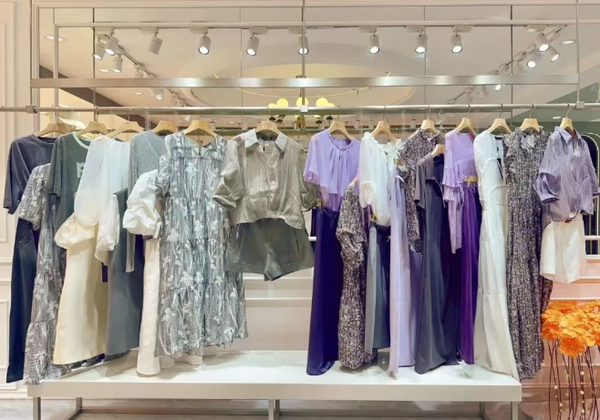
A perfect recent example is the Beini 227‑piece summer lot. It has 44% tops, 18% dresses, 28% pants/skirts, and 5% matching sets – almost exactly the ideal ratio for a summer capsule. And it’s cut label, so you’re paying under $10 per piece instead of the $20–30 typical for comparable styled wholesale.
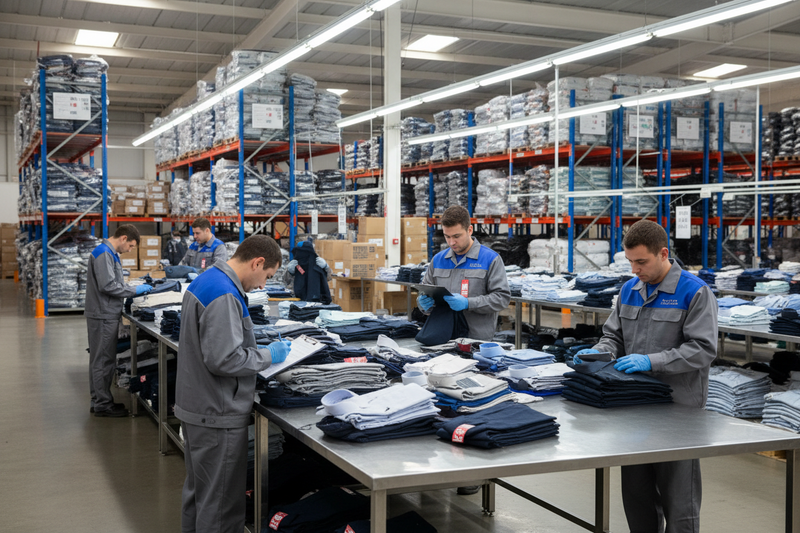
⚠️ Risk callout – size balance: Always check the size split. A lot that’s 50% XS will frustrate most boutiques. Beini’s split (30% S, 35% M, 20% L, 10% XS, 5% XL) works for real customers.
Where Savvy Boutique Owners Find Inexpensive Workwear: The Definitive Sourcing Guide for High-Margin Inventory

Where Savvy Boutique Owners Find Inexpensive Workwear: The Definitive Sourcing Guide for High-Margin Inventory

Where to Buy Inexpensive Work Clothes for Resale The Ultimate Guide to Sourcing Professional Stock Lots for Maximum...
|
READ MORE

Where to Buy Inexpensive Work Clothes for Your Boutique: A Reseller’s Guide to Professional Stock Lots

Where to Buy Inexpensive Work Clothes for Your Boutique: A Reseller’s Guide to Professional Stock Lots

Where to Buy Inexpensive Work Clothes for Your Boutique The Ultimate Reseller’s Guide to Sourcing High-Margin Professional Stock...
|
READ MORE

What Are Apparels? The Definitive Guide to Clothing &Wholesale Industry

What Are Apparels? The Definitive Guide to Clothing &Wholesale Industry

 What Does “Apparels” Mean? (Beyond the Basics) The term apparels refers to finished clothing items — garments meant...
|

🏷️ Why “cut label” is not a dirty word

New buyers sometimes hesitate: “If the brand tag is removed, does that mean it’s defective?” No – it means the brand wants to protect its retail pricing. The garment itself is first‑quality overstock, often with original tags still attached (just snipped). For you, it means:

  • Lower cost – typically 60‑80% off wholesale of branded goods.
  • No trademark issues – you can resell freely.
  • Opportunity to create your own label – add your own sew‑in tag and build brand loyalty.

Savvy boutiques present cut label items as “designer deadstock” or “luxury surplus” – customers love the idea of getting high‑end quality without paying for the logo. The Beini lot, for instance, originally retailed for $50‑100 per piece. You can sell at $30‑45 and still offer a great deal.

🧥 How to choose the right category mix

We ran a comparison of mixed lot types to help you decide:

Lot type Pros Cons Best for
Heavy on dresses (50%+) High perceived value, easy to display Slow winter sell‑through; one category risk Wedding guest / occasion boutiques
Tops + pants balanced (40/30) Mix‑and‑match potential, year‑round sales Less “wow” factor than dresses Everyday casual boutiques
Including sets (5‑10%) Higher basket value, social media friendly Limited quantity, size matching can be tricky Instagram‑focused shops

The Beini lot hits the sweet spot: dresses for glamour, tops for volume, pants for workwear, and a few sets for “complete look” photos. That variety keeps your inventory fresh and gives customers reasons to buy multiple pieces.

✂️ Common mistakes when buying high‑street lots

  • Skipping the manifest review – you wouldn’t believe how many people buy “women’s lot” then get 40% men’s items. Always ask for category percentages.
  • Ignoring the size conversion – Asian sizing runs one to two sizes smaller. Request the size chart and convert to US/EU before buying.
  • Being afraid of cut label – some of the most profitable boutique lots are cut label. It’s not damaged goods.
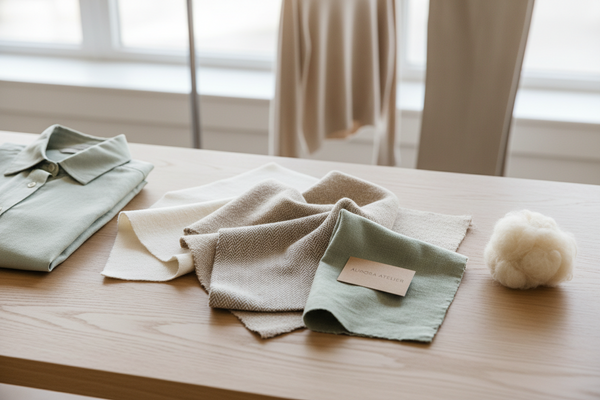
  • Not testing the fabric – natural blends (cotton, linen, viscose) sell better than polyester. Ask for fiber composition.
  • Buying dress‑only lots for summer – dresses are great, but customers also need tops and shorts. A mixed lot covers more bases.

💡 Practical tips from boutique owners who’ve done it

Steam everything before display. Natural fibers wrinkle in shipping. A quick steam makes them look luxury.

Group by outfit. Take the Beini lot – pair a linen top with the wide pants and call it “city chic capsule.” Sell as a set for $75 instead of separately for $45.

Use cut label as a selling point. “Designer quality, no middleman logo – that’s why our prices are fair.” Customers actually prefer it.

Save the 3% defects for repurposing. Turn slightly flawed pieces into accessories (tote bags, headbands) or donate for a tax write‑off.

Reorder fast on what moves. After 30 days, track which styles sold first. Source similar categories next time.
❓ Real buyer questions about high‑street stock lots

Can I request a sample from a lot like Beini?
Yes – most suppliers offer 1‑2 piece samples. We recommend ordering a top and a dress to check fabric and fit.
How do I explain “cut label” if a customer asks?
“This garment is from a designer overstock – the original brand tag was removed to offer you exclusive pricing without the logo markup.” Most customers appreciate transparency.
What’s a realistic resale price for Beini pieces?
Dresses: $35‑45, Tops: $18‑25, Pants: $25‑30, Sets: $50‑65. That’s 2‑3x your cost, still lower than mall prices.
How long does it take to sort a 227‑piece lot?
About 2‑3 hours – one person can steam, hang, and tag 100 pieces per hour once you have a system.

📖 More ways to source & sell smarter

🛍️ Related picks from the same collection


📚 Expert Insights

📌 Key Takeaways

High‑street lots with tops‑heavy mixes sell faster. Cut label is an advantage, not a problem. Versatile sizing (relaxed fits) reduces returns. Always factor 3% defect into margin.

💡 Tips

Look for lots with high tops percentage (44%+) for easy sell‑through. 2) Always check size distribution – aim for 30‑40% in S/M. 3) Use cut label as a selling point, not a drawback. 4) Steam before display – natural fabrics look premium. 5) Bundle two tops + one pant for “capsule” pricing.

📖 Terms

High‑street fashion, cut label, overstock, mixed lot, Euro chic, relaxed fit, capsule wardrobe, deadstock.

⚠️ Mistakes

Avoiding cut label lots thinking they’re damaged – they’re not. 2) Ignoring pants/skirts ratio – separates sell year‑round. 3) Not converting Asian to US sizing. 4) Overlooking the versatility of relaxed cuts. 5) Buying dress‑heavy lots only.