Bulk Clothing on a Budget: How to Buy Cheap Without Falling for Scams?
You've seen the ads. Truckloads of "unclaimed Amazon returns," designer brands at 90% off. Pallet liquidation videos on TikTok showing cash spilled across a warehouse floor. It looks fast, easy and ridiculously profitable. But behind the hype is an industry that scammers have weaponised. Every week, new resellers lose thousands to fake manifests, bait‑and‑switch pallets, and disappearing websites. The good news? Most scams follow predictable patterns. Once you know the red flags, you can buy cheap, buy bulk — and walk away safe.
1. What "cheap" actually costs you — the hidden math nobody mentions
Chasing the lowest price per unit is usually the first step into scam territory. Real liquidation discounts generally fall within the 50–90% off retail range — not 98%[reference:1]. If a supplier promises $10,000 MSRP for $200, step away. Either the load is a fake, the manifest has been cherry‑picked, or you'll receive cheap counterfeits that can get seized by customs or destroy your store's reputation. "New e‑commerce sellers lose $5k–$100k+ to sourcing scams every year—money sent to fake factories, defective goods, or shipments that never arrive"[reference:2]. That's not a risk you take when you're starting out.
Beyond the immediate loss, cheap bulk scams often bring hidden liabilities: brand impersonation (selling fakes leads to legal action), liability for customs seizures, and a wave of chargebacks that can freeze your payment accounts. Cheap clothes that never arrive, or worse, arrive in garbage-grade condition, also eat your time, storage and mental energy. So building a scam‑proof approach is not optional — it's survival.
2. The anatomy of a bulk clothing scam — 7 warning signs that scream fraud
Scammers are becoming more sophisticated. They use fake social proof, cloned websites, and AI‑generated content. But they almost always leave traces. Here are the biggest red flags to look for before you send a single dollar:
- 🚩 "Too good to be true" pricing: Pallets with an MSRP of $15,000 for $250. That's not a liquidation — it's a lure. Real wholesale discounts rarely exceed 90%, and even that is rare for high‑value items[reference:3].
- 🚩 Vague or missing manifests: A legitimate wholesaler will provide a clear, line‑by‑line manifest (brands, conditions, approximate quantities). If the description is just "assorted clothing" or "mixed returns" without detail, treat it as a giant red flag[reference:4].
- 🚩 Pressure tactics: "Act now, only 2 pallets left!" "Price goes up tomorrow!" Scammers create fake urgency so you bypass research. Real suppliers give you time to vet them[reference:5].
- 🚩 No sample policy or refuses video calls: Any supplier who isn't willing to show their warehouse, hop on a video call or send a sample lot is hiding something. "Scammers avoid video calls and factory tours"[reference:6].
- 🚩 Payment via wire transfer, Western Union or crypto: Once that money leaves your account, it's gone forever. Legitimate vendors accept credit cards, PayPal (Goods & Services) or Alibaba Trade Assurance[reference:7].
- 🚩 Fake social media presence or no verifiable address: A website that launched three weeks ago, a Facebook page created last month, and a "warehouse" that doesn't appear on Google Maps are all bad signs. Use Whois to check domain age[reference:8].
- 🚩 Cherry‑picking vendors: If the same seller also runs an eBay store selling individual items, assume they pick the best goods for retail and send you everything leftover[reference:9].
3. Buyer beware — true stories from the bulk clothing scam battlefield
One of the most heartbreaking examples came from a pregnant mum in the UK who bid on three pallets advertised as "M&S and Nike returns". She ended up paying £5,100 total — after auction fees, VAT and £500 shipping. When the pallets finally arrived, the boxes carried SHEIN codes[reference:10]. All 2,000 items were from Shein. The auction house refused a refund, saying she should have inspected the pallets in person beforehand. Another recurring scheme is the "closing down sale" scam on Facebook: scammers pose as a small boutique that's "heartbroken to close" and offers huge discounts, but the clothes — when they arrive — are cheap knockoffs from Asia[reference:11]. In many cases, nothing ever ships. The site disappears after harvesting credit card details.
Even well‑known platforms aren't immune. Liquidation.com has a 1.2/5 rating on Trustpilot, with one reseller stating: "They used misleading photos and wrong descriptions. They deleted my account when I disputed the purchase. I am out $2000"[reference:12]. That's not an isolated case. The lesson: don't trust a marketplace just because it looks professional. Vet each seller individually.
4. Your pre‑purchase verification checklist — 5 steps that kill 95% of scams
Before you buy a single pallet, run every supplier through this gauntlet. It takes an hour and can save you thousands.
- ✅ Step 1 – Business verification: Ask for their tax ID / company registration number and a copy of their business license. In the US, check the Better Business Bureau (BBB) and search the company name + "scam" on Google and Ripoff Report[reference:13]. In China, insist on the BIC registration number and export license[reference:14].
- ✅ Step 2 – Sample order (paid via protected method): Order a small sample lot or a low‑cost test bundle — but pay only through Trade Assurance or PayPal Goods & Services. If they refuse, walk away. Many wholesalers offer sample orders at low cost, letting you check fabric, fit and overall quality before committing real money[reference:15].
- ✅ Step 3 – Video call & live warehouse tour: Scammers almost never agree to a live video walk‑through. A legitimate supplier will show you around their facility without drama. If they're unwilling, that's a clear red flag[reference:16].
- ✅ Step 4 – Request customer references: Ask for the names and contacts of at least two other resellers who've bought from them, ideally in your country. Real suppliers are proud of their reputation[reference:17].
- ✅ Step 5 – Test a small order first: Don't buy the full pallet on your first transaction. Start with the smallest possible purchase ($200–500) to assess product quality, shipping speed and communication quality.
One professional importer notes that the most important step is defining your sales channel before you buy anything — because a bundle that works for an open market (mixed, grade B) will completely fail for an online boutique[reference:18]. Scammers count on you not knowing the difference.
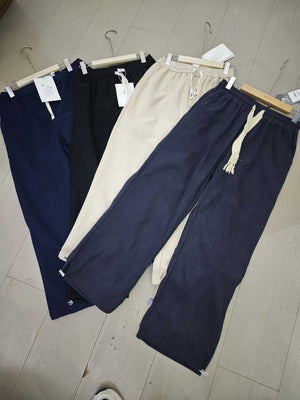
300pcs Wholesale Casual Drawstring Lounge Pants – Adjustable Hem Streetwear Jogger Style – Boutique Quality Tail Order Liquidation – Take-All Overstock – 4 Color Assorted Relaxed Fit Pants for Small Retailers & Resellers
20,000 pcs Wholesale Women’s Ice-Silk Summer Basics - Multi-Color Cooling Everyday Tops - Factory Clearance Lot - Easy Boutique, Market Stall & Live-Selling Inventory
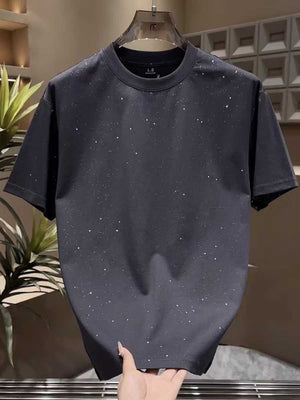
4000+ pcs Wholesale Men’s 260gsm Speckled Streetwear T-Shirts - New Starry Paint-Splatter Heavyweight Tees - Clearance Tail Order - Easy Reseller Summer Stock

100 Sets Wholesale Women’s Soft Knit Lounge Sets - 2 Color One-Size Sweater Top & Wide-Leg Pants - Clearance Tail Order - Boutique Ready Quiet Luxury Winter-to-Spring Stock
5. Safe payment methods that actually protect you
How you pay is often the difference between getting your money back and saying goodbye to it forever. Ranked from safest to riskiest:
| Payment method | Protection level | Best for |
|---|---|---|
| Alibaba Trade Assurance | Highest (full refund if not as described) | First 3–10 orders from new suppliers |
| PayPal (Goods & Services) | High (buyer protection up to $20k) | Samples, small test orders |
| Letter of Credit (LC) | Very High | $20k+ orders with established suppliers |
| Credit card | Moderate (chargeback rights) | Known, trusted vendors only |
| Wire transfer / Western Union | Zero (once sent, money is gone) | Never use — preferred by scammers[reference:19] |
Scammers will often push for bank transfers under the excuse of "lower fees" or "faster processing". The real reason: those methods are untraceable. If a supplier insists on wire transfer for the first order, your alarm bells should be deafening[reference:20].
6. Buying used or vintage in bulk — the special risks and how to manage them
The second‑hand clothing market is growing fast, and so are its scams. When you buy rags, vintage bundles or mixed used lots, you need additional protections:
- Expect 10–15% below stated grade — that's normal in the used clothing trade[reference:21]. Price those pieces down and move on. But if 50% of the bundle is stained or damaged, that's a scam.
- Define your resale channel beforehand: A mixed clothing bundle (grade B) works for market stalls or export, but boutique owners need curated, grade A or cream lots[reference:22]. Some suppliers will send you grade C and call it "assorted vintage".
- Ask for category picks: If you want women's summer dresses, demand a bundle that explicitly lists that category. Avoid bundles described as "random mix" unless you're extremely experienced.
One industry source puts it simply: "A properly designed bundle allows buyers to forecast resale prices, inventory turnover and profit margins before purchasing"[reference:23]. If the supplier can't or won't give you that predictability, they're not a partner — they're a problem.
7. What to do if you've already been scammed (recovery steps)
If you just realised that the "brand new overstock" you bought is actually a pile of stained, unsellable clothes — or worse, the order never arrived — don't panic. Act fast:
- 🔹 Document everything. Screenshot the listing, the manifest photos, payment receipts and all email communication.
- 🔹 Dispute the charge. If you paid with a credit card or PayPal, open a dispute immediately. For credit cards, request a chargeback (you have 60–120 days depending on your issuer).
- 🔹 Report the supplier. On platforms like Alibaba, use Trade Assurance claims. For standalone websites, report to the FBI's IC3 (if US‑related) or your national cybercrime unit. Also report to advertising platforms (Meta, Google) if you found them via ads[reference:24].
- 🔹 Warn the community. Leave detailed reviews on Trustpilot, Reddit, and groups for resellers. Include the company name, website and specific scam mechanics. One honest review can prevent dozens of others from being hit next.
In some cases, if you paid via bank transfer and the scam is recent, your bank may be able to recall the funds — but it's rare. The best defence is pre‑purchase verification, not post‑loss recovery.
8. Building a fraud‑free sourcing strategy that scales
After you've safely completed your first two or three small orders, you can start thinking bigger. But even with established suppliers, don't get lazy. Rotate your verification checks every 6–12 months. Insist on pre‑shipment inspections for large orders. And never, ever pay 100% upfront unless you've worked with the same manufacturer for years.
One of the smartest moves: join a resale community or co‑buying group. Members share real experiences, warn each other about new scams, and sometimes split truckloads to minimise risk. "I’ve been reselling for years and have never spent that much on stock at once!" one Redditor commented after hearing about the £5k Shein‑pallet story[reference:25]. Smart resellers scale slowly, test constantly, and listen to the community's lived experiences.
Finally, remember that chasing "cheap" above everything else is the single largest predictor of being scammed. The real question is not "how cheap can I get it?" but rather "how quickly can I sell it and at what margin?" Profitable reselling comes from reliable, transparent relationships — not from one‑off, high‑risk lots that promise the world and deliver nothing[reference:26].
Cheap clothes in bulk are not a trap — if you buy them with open eyes, a solid verification process, and the patience to test before you trust. The scams you avoid are just as valuable as the deals you land. Stay skeptical, stay safe, and let your resale business grow on a foundation of smart sourcing, not wishful thinking.


- ✔ Real liquidation discounts: 50–90% off — never 98%.
- ✔ Always demand a sample lot + video warehouse tour.
- ✔ Pay only via Trade Assurance, PayPal G&S or credit card.
- ✔ Cherry‑picking vendors will leave you with junk.
- ✔ 95% of scams show at least 2 of the 7 red flags.
🚩 Common mistakes
❌ Buying a pallet without seeing the manifest in detail
❌ Sending wire transfers or Western Union money
❌ Believing "limited time" pressure tactics
❌ Ignoring domain age (new sites = high risk)
❌ Thinking the price is the only factor — quality and transparency are equally critical
📘 Industry terms to know
Manifest: Detailed list of a pallet's contents (brands, sizes, condition grades).
Cherry‑picking: Seller removes valuable units and sells the rest as bulk.
Graded lots: Pre‑sorted by quality (Grade A = excellent, Grade B = average, Cream = boutique‑ready).
Landed cost: Total price including shipping, fees and local transport.
Bait‑and‑switch: Sending cheap goods instead of what was advertised.


🔍 Questions every buyer must ask
"Can I see a video of the actual pallet I will receive?"
"Can you provide references from other resellers?"
"What's your return or credit policy for damaged goods?"
"Do you accept Trade Assurance or PayPal for my first order?"
"Can I visit your warehouse or schedule a video walk‑through?"
📈 Search & buyer context
This guide is for beginner‑to‑intermediate resellers (market stall owners, online sellers, boutique newcomers) actively searching for "bulk clothing lots," "wholesale pallets" or "cheap liquidation." Their intent is commercial and educational — they want practical steps to avoid losing money while accessing cheap inventory. This article meets that need with real scam examples, verification frameworks and safe payment guidance.