Who Owns Retail Apparel Group? The Full Ownership Story (Plus the Confusion That Trips Everyone Up)
If you've been searching for "who owns Retail Apparel Group" and ended up more confused than when you started, you're not alone. Reddit threads and wholesale forums reveal the same puzzle repeated over and over. The name "Apparel Group" gets tangled with "Retail Apparel Group." Some results point to Dubai, others to Australia. One minute you're reading about Nilesh Ved, the next about Stephen Leibowitz. By the time you finish scrolling, you're not sure if Connor clothing is Australian or Emirati – or if there are two entirely different companies sharing nearly identical names.
This guide exists to clear up every single piece of that confusion. We'll walk through the actual ownership history of Retail Apparel Group (Australia/New Zealand), trace every major transaction from its founding in 1987 through its acquisition by The Foschini Group, and then – because the marketplace genuinely needs this – explain exactly how the UAE's Apparel Group fits (or doesn't fit) into the picture. For small retailers sourcing wholesale clothing, understanding who actually sits behind the curtain matters more than you'd think. It affects supply chains, pricing stability, and even which wholesale channels you can trust.
Knowing who owns a major apparel group helps you predict inventory flow, brand stability, and potential wholesale opportunities. When a private equity firm or a multinational conglomerate takes over, wholesale terms, MOQs, and distribution channels often shift. For resellers and boutique owners, tracking ownership is like reading the market's weather forecast.
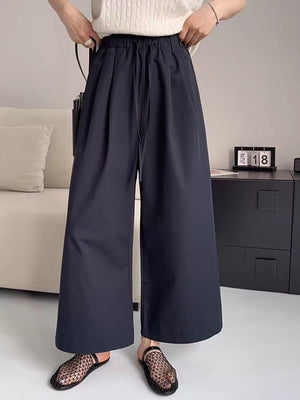
1300 pcs Women’s Cropped Wide Leg Pants Stock Lot – Elastic Waist Casual Relaxed Fit Trousers – Black & Navy Everyday Minimal Style for Boutique Resale & Online Stores
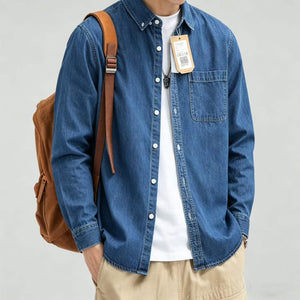
2000+ pcs Mid Blue Denim Shirt Jacket Stock Lot – Cotton Blend Casual Overshirts for Men – XS to 3XL Size Run – Low Cost Boutique Resale Denim Inventory
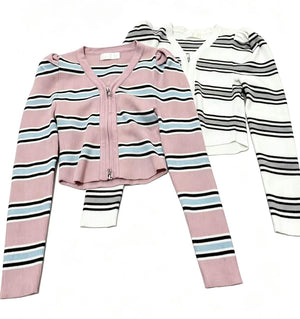
800pcs Women’s Ribbed Stripe Zip Knit Cardigan Lot – Easy-Selling Lightweight Fitted Sweater Tops for Boutiques – Soft Everyday Layering Stock in One-Size Stretch Fit

4860pcs Women’s Faux Leather Bomber Jacket Stock Lot – Plus Size XL–3XL Assorted Colors – Boutique-Ready Outerwear Closeout with Everyday Wear Appeal
1. The Clear Answer: Who Owns Retail Apparel Group Today?
As of right now, Retail Apparel Group Pty Ltd (RAG) is a wholly owned subsidiary of The Foschini Group Limited (TFG), a publicly traded South African retail giant listed on the Johannesburg Stock Exchange (JSE: TFG). TFG acquired RAG in May 2017 for approximately $302 million Australian dollars (roughly US$227 million at the time). Since then, RAG has operated as the Australian and New Zealand arm of TFG's growing international portfolio. RAG's headquarters remains in Rosebery, New South Wales, and it employs roughly 1,000 people across its retail operations and corporate offices.
The Foschini Group itself was founded in South Africa over 90 years ago and today operates 22 retail brands across more than 3,000 locations worldwide. Its portfolio spans everything from value fashion to luxury apparel, and its acquisition of Retail Apparel Group marked TFG's first major entry into the Australian market. RAG now runs TFG Australia, which as of late 2025 was trading out of 619 stores across two countries (Australia and New Zealand).
2. From a Single Store to a Portfolio: The Full Ownership History
Retail Apparel Group wasn't always part of a South African conglomerate. The story starts in 1987, when Stephen Leibowitz co-founded the business with his brother. Initially operating under the Tarocash brand, the company ran 43 stores and focused on men's specialty apparel – sharp suits, smart casual wear, and the kind of clothing that working professionals and weekend grooms reached for. Leibowitz served as Executive Chairman and, for many years, as CEO, keeping his hands deep in daily operations.
The first major ownership shift came in July 2004, when Australian private equity firm CHAMP Ventures invested through its CVIT#5 fund. CHAMP saw an opportunity to partner with an experienced entrepreneur and roll out a highly profitable store concept on a national scale. At the time of CHAMP's entry, Leibowitz remained heavily involved, but the investment allowed the business to professionalise – hiring a dedicated CEO (Gary Novis, appointed in 2008), building out corporate functions, and moving Leibowitz into a more strategic executive chairman role while keeping him operationally engaged. Over CHAMP's seven-year holding period, earnings nearly tripled through a combination of organic growth and strategic acquisitions. The first Connor store opened in March 2007, and just four months later, RAG acquired YD – quickly and successfully integrating it into the group portfolio. By 2011, RAG had grown from 43 stores to more than 250 locations across Australia and New Zealand. When CHAMP exited in early 2011, it sold RAG to Malaysian private equity firm Navis Capital, generating proceeds exceeding $68 million for CHAMP's fund – a cash multiple of 2.9x and an internal rate of return (IRR) of 22%.
Navis Capital bought an 80% stake in Retail Apparel Group from CHAMP Ventures, with founder Stephen Leibowitz retaining ownership of most of the remaining shares. Under Navis, RAG continued expanding its store footprint and refining its three-brand strategy. But by 2017, Navis was ready for an exit, and that's when The Foschini Group stepped in. TFG had been eyeing international expansion beyond South Africa and the United Kingdom, and Australia represented an attractive new market with strong consumer spending and a sophisticated retail environment. The deal closed in May 2017 for approximately A$302 million, marking TFG's largest acquisition outside its home market at the time. Since then, RAG has operated under the TFG Australia umbrella, with Foschini Group as its ultimate parent company, holding 100% ownership through its international subsidiary structure.

From Zero to Full Racks — How to Source Clothing Inventory When You’re on a Shoestring Budget

Why Korean Velvet is the MVP of Boutique Loungewear: The Secret to Finding High-Margin "Aesthetic" Fabrics

How to Start Buying Bulk Clothing for Resale: Where to actually find bulk clothing?
3. The Brands You Actually Know: What Does RAG Own?
If you've walked through any Australian shopping centre, you've almost certainly encountered a Retail Apparel Group brand. RAG serves as the parent company for three menswear retailers, each targeting a slightly different segment of the male wardrobe market:
- Connor – Focused on modern, affordable men's clothing for work and weekends. Think chinos, button-down shirts, blazers, and accessories with a clean, contemporary look. Connor has become known for accessible pricing without sacrificing the sharp tailoring that professional men expect.
- YD (YD.) – An acronym that originated from "Young Dictionary," YD has evolved into a fashion‑forward menswear brand appealing to 20‑ and 30‑something men who want trendy fits, edgier styling, and a dose of streetwear influence. YD positions itself as more fashion-led compared to Connor's classic style.
- Tarocash – Where it all began. Tarocash is the group's original brand, specialising in formal and semi-formal menswear – suits, dress shirts, ties, and the kind of garments men buy for weddings, job interviews, and nights out. Tarocash has a slightly more mature customer base than YD but remains squarely in the value-to-mid tier of the market.
Combined, these three brands operate 619 stores across Australia and New Zealand (as of November 2025). In the first half of TFG Australia's 2025 fiscal year, 26 new stores opened, while 17 closed, reflecting a retail environment that continues to evolve toward omnichannel efficiency. Online sales contribute roughly 7.7% of total local sales – a figure that has remained stable as physical locations do the heavy lifting of revenue generation.
4. The Confusion Everyone Gets Wrong: RAG vs. Apparel Group (UAE)
Here is the trap that Reddit threads, Quora answers, and even some LinkedIn posts fall into. There is a completely separate entity called Apparel Group – note the missing "Retail" from the name – that has absolutely nothing to do with the Australian RAG. The UAE-based Apparel Group was founded in 1996 in Dubai by Nilesh Ved and Sima Ganwani Ved. It is a massive global fashion and lifestyle retail conglomerate that operates more than 2,200 stores across the Middle East, India, Southeast Asia, and beyond, carrying brands like Tommy Hilfiger, Calvin Klein, Aldo, Skechers, and dozens of others under franchise and distribution agreements.
Nilesh Ved serves as Founder and Chairman of AppCorp Holding and is widely recognized as the owner of Apparel Group. In February 2025, Ved received the prestigious Lifetime Achievement Award for Pioneering Retail Entrepreneurship at the RLC Honors in Riyadh, cementing his status as one of global retail's most influential figures. His wife, Sima Ganwani Ved, serves as Founder and Chairwoman of Apparel Group and has been equally instrumental in building the company – with some observers noting that she was "the one who is really the founder" in the group's early days. Together, the Ved family controls Apparel Group, which has grown from a single store in Dubai's Lamcy Plaza to a multi‑billion‑dollar retail empire spanning 85+ brands and over 14,000 employees.
Why does this confusion persist? Two reasons. First, the names are nearly identical: "Retail Apparel Group" vs. "Apparel Group." In casual conversation, people drop the "Retail" from the former or add it to the latter. Second, both entities operate in the apparel space and are headquartered in English-speaking jurisdictions (Australia vs. UAE). Search engines surface results for both, and unless you're paying close attention to the URL or the subsidiary brands, it's easy to assume they're the same company. For small retailers researching potential wholesale suppliers or brand partnerships, mixing up these two groups could lead you to entirely the wrong contact – or cause you to misinterpret a company's size, capabilities, and geographic focus.
• UAE Apparel Group: Founded 1996 by Nilesh & Sima Ganwani Ved – 2,200+ stores, 85+ international brands (Tommy, Calvin Klein, Aldo).
• Australian RAG: Founded 1987 by Stephen Leibowitz – now owned by TFG, 619 stores, 3 house brands (Connor, YD, Tarocash).
These are not affiliates, not subsidiaries, and not the same company.

2083pcs Wholesale Unisex Sport Visor Caps Black & White – Lightweight Summer Sun Hats for Outdoor Use – Low-Cost Overstock Clearance Lot for Resellers

3000pcs Bulk Women’s Minimalist Black Blazer - Oversized Aesthetic Tailored Jacket -Wholesale Liquidation Lot - High-Value Boutique Essential Overstock
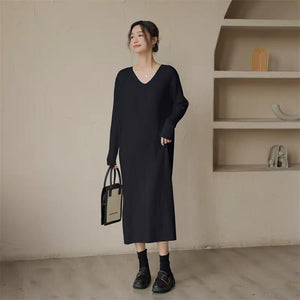
600pcs Ribbed Knit Maxi Sweater Dresses Bulk Clearance – Plus Size L to XXXL Relaxed Fit – Soft Stretch Everyday Winter Dresses for Boutique Resale Stock Lot
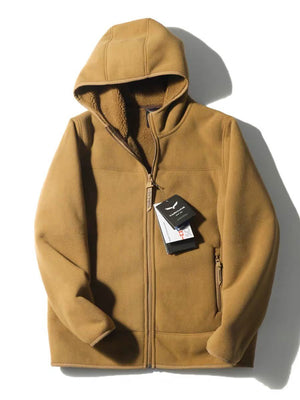
2000+ pcs Bulk Hooded Fleece Jacket Clearance Lot – Sherpa Lined Outdoor Zip Hoodie – Winter Warm Workwear Outerwear Stock for Boutiques & Resellers
5. Why Should Small Retailers Care About Ownership History?
On the surface, tracking who owns which apparel group might seem like corporate trivia. But for small retailers – especially those sourcing wholesale inventory, scouting for reliable suppliers, or planning to carry established brands – ownership structure directly affects three critical areas:
- Wholesale access and distribution channels: When a major acquisition happens, wholesale terms often get rewritten. A brand that previously sold through open wholesale platforms may shift to exclusive distribution agreements, raising MOQs or cutting off small buyers entirely. Conversely, a private equity buyer may aggressively seek wholesale volume, temporarily lowering barriers for independent retailers. Understanding who currently owns a brand gives you insight into whether now is a good time to approach them.
- Supply chain stability: Conglomerate-owned groups (like TFG-owned RAG) tend to have more predictable inventory management, consolidated logistics, and better ethical sourcing oversight – important if your customers care about supply chain transparency. On the other hand, private equity ownership often brings pressure to optimise margins, which can lead to shifting manufacturing partners or reducing product quality if not managed carefully.
- Long-term partnership potential: If you're a boutique looking to build a lasting relationship with a supplier or brand, you want to know whether the owner is a founder who cares about legacy, a private equity firm with a 3‑5 year exit horizon, or a public company driven by quarterly earnings. The ownership type signals how stable the partnership will be and whether your contact person will still be in the same role next season.
For small retailers, knowledge of ownership structures is one of those underrated competitive advantages. It costs nothing to research, but it can save you from placing a large wholesale order just before distribution channels change or, worse, before a brand gets folded into a different management structure that has no interest in working with independents.
6. The Foschini Group: What You Need to Know About RAG's Ultimate Parent
Since May 2017, The Foschini Group has been the ultimate owner of Retail Apparel Group. TFG is not a new player; it was founded in South Africa in 1925 and has grown into one of the continent's largest fashion retailers. The group operates 22 retail brands, ranging from its namesake Foschini (women's fashion) to Markham (menswear), Sportscene (activewear), and American Swiss (jewellery), along with international acquisitions like Phase Eight, Whistles, and Hobbs in the UK, and now RAG in Australia. Combined, TFG's brands operate more than 3,000 stores, with a strong omnichannel presence that includes sophisticated e‑commerce platforms and integrated loyalty programmes.
For RAG specifically, TFG's ownership has brought both stability and access to global sourcing networks. RAG continues to operate under its established brand names – Connor, YD, and Tarocash – but now benefits from TFG's buying power, logistics infrastructure, and expertise in navigating cross‑border retail. According to TFG's late 2025 trading updates, TFG Australia (the division housing RAG) was trading out of 619 stores across two countries, with online sales contributing 7.7% to local revenue. While the Australian retail environment has faced headwinds – inflationary pressures, subdued GDP growth, and cautious consumer spending – TFG has remained committed to its Australian foothold. In a November 2025 trading update, TFG Australia reported a 0.6% lift in sales for the five weeks to November 1, recovering from a 0.5% slump in the first half, a sign of gradual stabilisation even amidst weak macroeconomic conditions.
One notable development: in mid‑2023, Retail Apparel Group was reportedly in discussions to acquire Politix – the menswear brand owned by Country Road Group (itself a subsidiary of South Africa's Woolworths Holdings). While the deal did not finalise, the fact that RAG was actively scouting acquisitions under TFG's ownership shows that the group sees continued growth potential in the Australian menswear market. For small retailers, this suggests that RAG will remain a stable, cash‑generating operation rather than a candidate for divestiture or wind‑down.
If you're a small boutique considering stocking any of RAG's house brands (Connor, YD, Tarocash) as wholesale product, your point of contact should be TFG Australia, not the original founder or Navis Capital. Ownership changes mean contact lists rot faster than you think – always verify current ownership before attempting to establish a supplier relationship.
7. List of Executives: Who Runs Retail Apparel Group Today?
While the ownership sits with TFG, RAG's day‑to‑day leadership still operates largely from its Australian headquarters. Public executive records show Stephen Leibowitz remains involved in an executive chairman capacity, though operational leadership has been professionalised. The current executive team includes:
- Stephen Leibowitz – Executive Chairman and Co‑Founder. Leibowitz founded the business in 1987 and continues to provide strategic oversight. He transitioned from CEO in 2008 when Gary Novis was appointed, moving into the chairman role while remaining engaged in major decisions.
- Gary Novis – Appointed CEO in 2008 and served throughout the Navis Capital and early TFG years. Novis was hired specifically to professionalise the business and help scale from a founder‑driven operation to a corporatised portfolio of brands.
- Phil Zagami – Group Financial Controller, responsible for RAG's financial reporting and treasury functions.
- Jodie Davis – Senior executive (title not publicly listed), involved in brand management and retail operations.
For small retailers seeking distribution or wholesale partnership opportunities, your best route is generally through TFG Australia's brand management teams rather than the executive suite directly. Start with the brand's .au website and look for wholesale inquiry forms or B2B contact channels – cold‑emailing the CFO rarely yields a partnership.
8. Frequently Asked Questions from Retailers and Resellers
Based on real queries appearing in wholesale forums and Reddit discussions, here are the most‑asked ownership‑related questions – answered directly.
- Is Retail Apparel Group the same company as Apparel Group in Dubai? No. They are completely separate entities. Retail Apparel Group (Australia) owns Connor, YD, and Tarocash and is owned by South Africa's TFG. Apparel Group (UAE) is owned by Nilesh Ved and Sima Ganwani Ved and franchises international brands like Tommy Hilfiger and Calvin Klein.
- Does The Foschini Group still own Retail Apparel Group? Yes. As of 2026, TFG continues to hold 100% ownership of RAG through its TFG Australia division. The acquisition closed in May 2017, and no divestiture has been announced.
- Where can I find wholesale or B2B pricing for Connor, YD, or Tarocash products? Contact TFG Australia directly through the brands' .au websites. Be prepared to provide your retail business credentials, as they typically vet wholesale inquiries before sharing pricing or MOQ details.
- Did Navis Capital still own part of RAG? No. Navis exited completely when it sold the company to TFG in 2017. Navis does not retain any equity stake in Retail Apparel Group.
- Is Stephen Leibowitz still involved in the business? Yes, as Executive Chairman. Leibowitz remains engaged in strategic decisions and serves as a public face for RAG, but day‑to‑day operations are managed by the CEO and corporate team.
9. Red Flags, Misinformation, and What to Watch For
Online sources can be treacherous when it comes to ownership research. Some databases still list RAG as "privately held" without mentioning TFG, because they haven't updated their records since 2017. Others conflate the Australian RAG with the UAE Apparel Group, creating confusion that spreads across SEO content. A few tips for verifying ownership information on your own:
- Cross‑reference at least three sources: business databases (Mergr, PitchBook), official corporate registrars (ASIC in Australia), and the ultimate parent company's own investor relations page (TFG's annual reports will list subsidiaries).
- Check the date on any database entry. If it says "Private Equity‑Backed" and the last update was before 2017, assume it's stale.
- When searching news articles, use exact‑match queries with quotes: "Retail Apparel Group" (including the quotes) and add "Foschini Group" or "TFG" to filter out results about the unrelated UAE entity. Without those filters, search engines frequently return mixed results.
- If you find a supplier claiming to be "part of the Apparel Group" but they're based in Dubai and offering Connor or YD products, that is almost certainly a scam. Connor and YD are Australian‑market brands and do not have authorised distribution through the UAE's Apparel Group.
Final take for small retailers: Understanding who stands behind the brands you might want to stock – or behind the groups you're researching for partnership – is not optional. In a globalised apparel industry, names overlap, subsidiaries change hands, and misinformation spreads quickly. Retail Apparel Group is owned by The Foschini Group, end of story. The unrelated Apparel Group in the UAE is owned by the Ved family. Keeping those facts straight will save you from embarrassing outreach emails, wasted hours of supplier research, and potentially costly misdirections.
At Apparel Lots, we track ownership changes precisely so small retailers don't have to. Whether you're verifying a wholesale partner, scouting a brand for your boutique, or simply curious about who owns that menswear chain in your local mall, we've got you covered. And if you spot conflicting information about Retail Apparel Group or any other major apparel group in your own research, you now know exactly how to sort fact from fiction.