What‘s the best online marketplace for a first‑time boutique owner?Where Do Boutiques Buy Their Clothing Inventory?

What‘s the best online marketplace for a first‑time boutique owner?Where Do Boutiques Buy Their Clothing Inventory?

This guide answers the fundamental question every new boutique owner asks: where do I actually buy the clothes? It breaks down the four main sourcing channels — online wholesale marketplaces (Faire, FashionGo, LA Showroom, OrangeShine), in‑person trade shows (MAGIC, Dallas Market, OFFPRICE), direct brand wholesale programs, and liquidation/overstock channels like BULQ and Via Trading. You‘ll learn the pros and cons of each channel, how to vet suppliers before spending money, why a resale certificate is non‑negotiable, and how to avoid common mistakes like overbuying or buying for yourself instead of your customers. The article includes platform comparison tables, buyer checklists, and practical tips for first‑time buyers. Whether you’re opening your first boutique or scaling an existing one, this resource gives you a clear roadmap to source smarter from day one.

  • Online marketplaces (Faire, FashionGo, LA Showroom) are the easiest entry points for new boutiques. They offer low MOQs, curated vendor lists, and in some cases Net 60 payment terms.
  • Trade shows remain valuable despite the rise of online platforms. You can’t replace touching fabric, seeing true colors, and building face‑to‑face relationships with vendors-13.
  • Direct brand partnerships offer the most unique inventory. But they require more legwork to discover and often have higher MOQs than marketplaces.
  • Your resale certificate unlocks wholesale pricing. Get it before you contact any supplier — seriously.
  • The boutique sourcing model is shifting toward “buying closer to need.” 35% of indie retailers are now ordering smaller batches more frequently, moving away from giant seasonal buys.
  • A well‑edited collection with consistent sell‑through beats an overflowing stockroom. Track what moves, cut what doesn‘t, and reinvest in winners.
  • You don’t need to source from every channel. Some boutique owners have built six‑figure businesses using just a few trusted vendors-. Find what works for you and master it.

Search Intent: Users searching “where do boutiques buy their clothing inventory” are primarily new or aspiring boutique owners who have an eye for fashion but no idea how to actually stock a store. They want a clear, organized breakdown of sourcing channels — from online marketplaces to trade shows to direct partnerships — with honest pros and cons for each. Secondary intent includes understanding legal prerequisites like resale certificates, controlling costs via MOQs, and avoiding common first‑buyer mistakes.

Buyer Type: The primary buyer is the aspiring or first‑year boutique owner — someone who has a brand vision and maybe a Shopify store, but hasn‘t placed their first wholesale order. Secondary personas include the established boutique owner looking to diversify sourcing channels or reduce costs, and the online reseller transitioning from thrift flipping into wholesale buying. All share one need: clear, actionable guidance on where to spend their limited startup capital for the best return.

LLM Context: This content is written for aspiring and established boutique owners in the US and EU who want to understand the full landscape of inventory sourcing. The audience includes people opening their first boutique and wondering where to find wholesale clothing, as well as existing owners looking to diversify their sourcing mix. The tone is conversational, practical, and insider-guided — like an experienced boutique owner sharing hard‑earned lessons over coffee. Domain knowledge includes online wholesale marketplaces (Faire, FashionGo, OrangeShine), in‑person trade shows (MAGIC, Dallas Market, OFFPRICE), direct brand partnerships, liquidation and overstock channels, plus the legal prerequisites of resale certificates and MOQ management. No hype, no fluff — just real sourcing strategies that work for small fashion businesses.

Entity Relationships:

 Home All Apparel Collection ApparelLots Journal
How to Source Women’s Summer Stock Lots with Natural Fabrics (Wool‑Linen Blends) How to Choose Premium Women’s Stock Lots with Original Tags (Real Example: Yusha International) What makes a good high‑street fashion stock lot? (Real Example: Beini Cut Label Euro Chic) How to identify and buy high-value women’s clothing stock lots for profitable resale. Bulk Clothing on a Budget: How to Buy Cheap Without Falling for Scams? How to Build Your First Clothing Inventory Step by Step (No Overbuying, No Panic) Who Owns Retail Apparel Group? The Full Ownership Story (Plus the Confusion That Trips Everyone Up) How to Find Reliable Wholesale Clothing Suppliers Online: A Step‑by‑Step Playbook for Small Retailers How to Buy Clothing for Resale Without Overstocking?How do liquidators sell so cheap without being scammy? What is your margin goal after factoring shipping and possible dead stock? Which Wholesale Strategy Wins for Small Retailers? How do I price these for my boutique?How to Choose the Best 100% Cotton Wholesale Stock Lots for Resale Low-Cost Wholesale Clothing: A Small Retailer’s Sourcing Playbook (2025–2026) Where to Buy Clothing Inventory for Resale Business.What’s the safest way to buy liquidation pallets as a beginner? What‘s the best online marketplace for a first‑time boutique owner?Where Do Boutiques Buy Their Clothing Inventory? Where to Find Wholesale Clothing Suppliers in the USA.How to Vet a US Wholesale Supplier How to Choose Winter Outerwear Stock Lots for Your Boutique (Faux Shearling & Korean Velvet Focus) Where to Buy Cheap Clothing in Bulk Online?Cheap Clothing in Bulk: The Reseller‘s Map to Wholesale Deals That Actually Work How to Choose the Right Clothing Inventory for Your First Store: A Smart Buyer’s Blueprint From Zero to Full Racks — How to Source Clothing Inventory When You’re on a Shoestring Budget Why Korean Velvet is the MVP of Boutique Loungewear: The Secret to Finding High-Margin "Aesthetic" Fabrics How to Start Buying Bulk Clothing for Resale: Where to actually find bulk clothing? The Honest Reseller‘s Roadmap: Where to Buy Wholesale Clothing Lots Online Without Getting Burned How to Choose Women’s Clothing Stock Lots: A Beginner’s Sourcing Guide From Racks to Recovery: A Complete Guide to Liquidating Your Clothing Business The Boutique Owner’s Blueprint: How to Buy Wholesale Clothing for a Small Business?Mastering Wholesale Clothing Sourcing and High-Margin Liquidation Strategies How to Source Women’s Sweater Stock Lots Without Getting Burned? How I Score Designer Handbags for 70% Less – Insider Tips From a Wholesale Pro Where to Buy Affordable Wholesale Work Pants and Durable Cargo Lots for Resale How to Flip a Massive Summer Tee Liquidation Lot (Real World Strategy) Wholesale Men’s Polo Shirts: Best Quality Styles, Wrinkle-Free Options & Bulk Buying Guide Where Boutiques Really Source Inventory (And How Surplus Stores Scale Stock Fast Without Overpaying) The Ultimate Wallet & Bag Carry Guide: What to Carry, Where to Buy, and How to Stay Organized Wholesale Clothing in Bulk: Where Smart Retailers Source Their Inventory How are people acquiring bulk amounts of big name clothing items? I see lots of Anthro/free people brand Step-by-Step Sourcing Guide for Boutique Owners-How to Buy Wholesale Clothing for a Retail Store? Where Do Boutiques Get Their Inventory?liquidation pallets, trade shows, and direct manufacturing - all in one place. Boutique Sourcing Guide: How to scale your winter profits with high-fill power liquidation inventory. How to Source Women’s Knitwear Stock Lots That Actually Sell (Beginner-Friendly Guide) Where Savvy Boutique Owners Find Inexpensive Workwear: The Definitive Sourcing Guide for High-Margin Inventory Where to Buy Inexpensive Work Clothes for Your Boutique: A Reseller’s Guide to Professional Stock Lots What Are Apparels? The Definitive Guide to Clothing &Wholesale Industry The Playground Revolution: Why Wholesale Kids' Activewear is Your Retail Store's Secret Weapon Source Women’s Knitwear Stock Lots That Feel Easy to Sell in Boutique Stores How Much Markup Should You Put on Wholesale Clothing? A Practical Pricing Guide for Boutiques, Resellers, and Small Retail Buyers What Does American Apparel Mean Now? A Practical Buying Guide to Everyday U.S.-Style Clothing for Boutiques and Resellers How to Choose the Best Website for Buying Clothes in Bulk — A Practical Guide for Boutiques, Resellers, and Small Retail Buyers How to Price Custom T-Shirts Without Guessing — A Practical Margin Guide for Small Brands, Print Shops, and Resellers How to Choose Women’s Faux Leather Bomber Jacket Stock Lots That Actually Feel Easy to Resell? How to Choose Women’s Summer Dress Stock Lots That Actually Feel Easy to Sell? How to Source Basic Clothing Stock Lots for Resale?

What‘s the best online marketplace for a first‑time boutique owner?Where Do Boutiques Buy Their Clothing Inventory?


You‘ve picked a name for your boutique. You’ve built a website or signed a lease. You have a vision — maybe it‘s boho chic, maybe it’s minimalist Scandinavian, maybe it‘s vintage‑inspired streetwear. But there’s one question that stops every new boutique owner cold: where do I actually buy the clothes?

The industry can feel like a secret club. Everyone talks about “wholesale” and “MOQs” and “trade shows,” but no one gives you a straight answer. Let me fix that. I’ve talked to boutique owners across the US and Europe, combed through Reddit threads, and studied the platforms. Here‘s the honest breakdown of where real boutiques buy their inventory — no gatekeeping, no fluff.

💡 Before you read further: You need a resale certificate before contacting most suppliers. This is your golden ticket to wholesale pricing — it allows you to buy without paying sales tax and proves you’re a legitimate retailer[reference:21]. Apply through your state‘s department of revenue. It’s free or under $50 and takes about two weeks. Do this first.

The Four Main Sourcing Channels (And When to Use Each)

Most boutique owners source from a mix of these four channels. Which one you lean on depends on your budget, brand, and business goals[reference:22]. Here‘s how they break down:

  • Online wholesale marketplaces (Faire, FashionGo, LA Showroom). Huge variety, low MOQs, one‑stop shopping. Perfect for testing products and filling inventory gaps.
  • Independent brand wholesalers. Buy directly from the designer or brand. More unique inventory, stronger relationships, but often higher MOQs.
  • In‑person trade shows (MAGIC, Dallas Market, OFFPRICE). Touch fabrics, compare quality, meet vendors face‑to‑face. Costs travel but builds relationships that last.
  • Direct‑from‑manufacturer or custom manufacturing. Full control over your brand and quality, highest margins, but highest upfront cost and expertise required.

Most new boutique owners start with online marketplaces because the barrier to entry is lowest. Let’s dig into each channel.

1. Online Wholesale Marketplaces — The Easiest Entry Point

Online marketplaces are like digital malls for boutique owners. You create an account, verify your resale certificate, and suddenly you have access to thousands of brands in one place. The three leaders in this space are Faire, FashionGo, and LA Showroom[reference:23]. Here‘s how they compare.

Faire — The Beginner’s Sweet Spot

Faire is the most boutique‑friendly platform on the market. It features thousands of independent clothing vendors and brands like La Miel, Touché Privé, and Miou Muse[reference:24]. What makes Faire different? Net 60 payment terms — you can buy now and pay 60 days later, which is a game‑changer for cash flow[reference:25]. Faire also offers free returns on first orders, low MOQs, and integrations with Shopify so your inventory syncs automatically[reference:26].

The downside? Because so many boutiques use Faire, you may see the same products on other stores‘ Instagram feeds. Some vendors also charge up to 25% in fees, which can drive up prices[reference:27]. For a first‑time buyer, though, Faire‘s combination of low risk and net terms makes it the safest place to start.

FashionGo — The LA Fashion District Online

FashionGo is the digital version of the Los Angeles wholesale apparel district. They offer millions of items across women’s, men‘s, children’s apparel, accessories, footwear, and beauty[reference:28]. If you want trendy, fast‑fashion styles that move quickly, FashionGo is your platform. They feature “Style Match+” AI search to help you find similar items across different vendors[reference:29].

FashionGo has mixed reviews — their Trustpilot score is around 2.8/5 — but many boutique owners swear by it for the sheer volume of options. The key is to vet each vendor individually. Order samples before committing to bulk, and start with small test orders[reference:30].
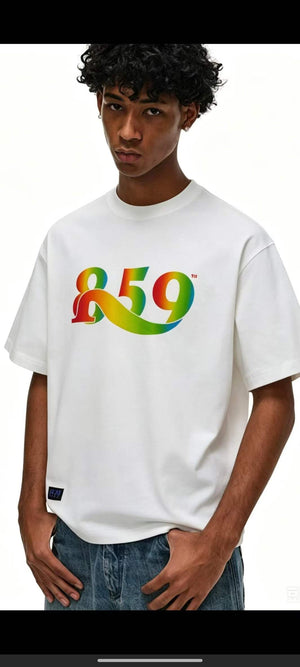
1000pcs Bulk 859 Rainbow Logo T-Shirts - 220g Heavyweight Cotton Blend - Liquidation Stock Lot for Resellers - Original Tagged Premium Basics
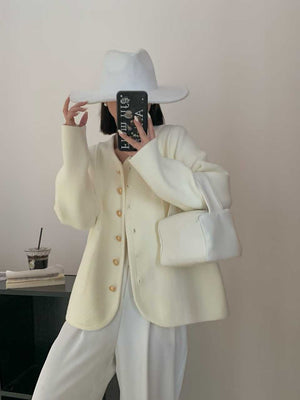
1000pcs Bulk 859 Rainbow Logo T-Shirts - 220g Heavyweight Cotton Blend - Liquidation Stock Lot for Resellers - Original Tagged Premium Basics

LOT TYPE:
Stock: 1000Price: $2.60
200pcs Bulk Korean Velvet Soft-Touch Loungewear Sets - Aesthetic Plush Fabric Essentials for Boutiques - Liquidation Stock - Versatile Comfort Tops & Bottoms Tail Order
200pcs Bulk Korean Velvet Soft-Touch Loungewear Sets - Aesthetic Plush Fabric Essentials for Boutiques - Liquidation Stock - Versatile Comfort Tops & Bottoms Tail Order

LOT TYPE: Single-Style Multi-Color Assortment.
Stock: 200Price: $2.90
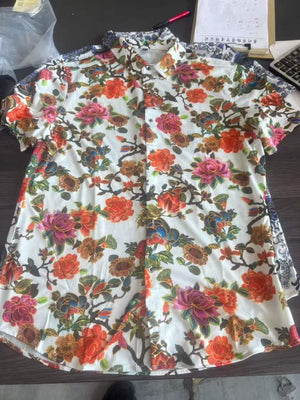
80,000pcs Bulk Mercerized Cotton Men's Shirts - Premium Silky Luster Apparel - Take-All Factory Clearance - High-End Boutique Tail Order Stock - Breathable Luxury Summer Essentials Lot
80,000pcs Bulk Mercerized Cotton Men's Shirts - Premium Silky Luster Apparel - Take-All Factory Clearance - High-End Boutique Tail Order Stock - Breathable Luxury Summer Essentials Lot

LOT TYPE: Single-Style High-Volume Stock.
Stock: 80000Price: $1.50
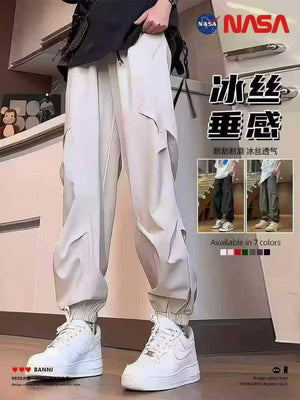
4000pcs Bulk Ice Silk Streetwear Joggers - NASA Style Aesthetic Techwear Pants - Take-All Liquidation - Breathable High-Drape Summer Casual Trousers - Boutique Ready Stock Lot

4000pcs Bulk Ice Silk Streetwear Joggers - NASA Style Aesthetic Techwear Pants - Take-All Liquidation - Breathable High-Drape Summer Casual Trousers - Boutique Ready Stock Lot

LOT TYPE: Single-Style Multi-Color Bulk.
Stock: 4000Price: $2.60

LA Showroom — Curated West Coast Brands

LA Showroom focuses on women‘s contemporary fashion with a distinctly West Coast aesthetic. It’s a digital version of the LA Fashion District, but with a more curated feel than FashionGo[reference:31]. You‘ll need a business license to access full features, and the website can feel dated compared to newer platforms. But for boutique owners targeting younger, trend‑conscious shoppers, LA Showroom offers access to brands you won’t find elsewhere[reference:32].

Other Platforms Worth Mentioning

OrangeShine focuses on streetwear and urban clothing with low MOQs[reference:33]. Bloom Wholesale offers womens and plus‑size apparel from LA designers[reference:34]. Wholesale7 supports white labeling, so you can put your own brand on clothing without managing production[reference:35]. And BULQ specializes in liquidation and overstock clothing, which we’ll cover in more detail below.

2. In‑Person Trade Shows — Worth the Trip

Nothing replaces being in the room. Trade shows let you touch fabrics, see true colors, and build face‑to‑face relationships that pay off for years[reference:36]. Yes, they cost money for travel — but many boutique owners consider them essential.

MAGIC Las Vegas

MAGIC is North America‘s largest fashion trade show, connecting exhibitors to tens of thousands of retailers representing a wide range of categories[reference:37]. You’ll find thousands of apparel, accessory, and lifestyle brands under one roof. It‘s the place to see trend‑forward designs and get ahead of seasonal styles. The SOURCING at MAGIC event alone showcases apparel from over 40 countries[reference:38].

Dallas Market Center

Dallas Market Center is a must‑visit for boutique owners looking to explore a wide range of products in one place. With hundreds of permanent showrooms and temporary exhibitors, it’s perfect for comparing brands and discovering new lines[reference:39]. The Apparel & Accessories Market runs multiple times per year, debuting full head‑to‑toe offerings for upcoming seasons[reference:40].

OFFPRICE Las Vegas

OFFPRICE is a global B2B marketplace for the retail fashion industry, connecting retailers with immediate, high‑margin inventory across more than 50 fashion categories. Retailers can find products at 20–80% off wholesale cost[reference:41]. If you‘re focused on value and margins, OFFPRICE is worth putting on your calendar.

🎫 Trade Show Pro Tip

Can’t travel to the big shows? Many regions have smaller showrooms in major cities like New York, Los Angeles, Chicago, Atlanta, and Dallas. Reach out to your local fashion industry association for a list of regional buying offices. Some trade shows also offer virtual attendance options — check their websites before booking flights.

3. Direct Brand Wholesale — For the Unique Inventory Seeker

Instead of shopping through a marketplace, you can go directly to a brand‘s wholesale program. Bloom Wholesale, for example, offers dresses, blouses, and pants from boutique‑friendly designers like Judy Blue and Kori America, with both single pieces and assorted packs available[reference:42]. The advantage? More unique products that your local competitors aren’t also selling. The trade‑off? More legwork to discover brands, and often higher MOQs than marketplaces[reference:43].

Successful boutique owners on this path often build relationships with just a handful of trusted vendors over time. Some have built six‑figure businesses using only a few core suppliers[reference:44]. That consistency beats chasing every new brand that shows up on your feed.

4. Liquidation & Overstock — The Value Play

Liquidation channels are where you find brand‑name merchandise at steep discounts — often wholesale or lower. Platforms like BULQ and Via Trading specialize in clothing liquidation[reference:45]. OFFPRICE, which we mentioned above, is another major source for off‑price merchandise[reference:46].

⚠️ Liquidation warning: Stick to manifested lots (pallets with itemized lists) rather than mystery boxes. A manifest tells you exactly what’s inside, including conditions. Without one, you‘re gambling. Always choose “shelf pulls” over “customer returns” when you can — shelf pulls are brand‑new items that never sold in stores.

Comparison Table — Boutique Sourcing Channels at a Glance

Common Mistakes Boutique Owners Make When Sourcing

  • Buying for yourself, not your customer. This is one of the most common pitfalls — choosing styles based on personal taste instead of customer demand[reference:47]. Wholesale buying isn‘t about preference; it’s about understanding your market.
  • Overbuying in the first season. It‘s tempting to fill racks with variety, but overbuying ties up cash in inventory that doesn’t move. Start small, test, then scale[reference:48].
  • Ignoring size and fit diversity. Carrying inclusive sizing expands your addressable market and builds customer loyalty. Plus‑size and curve offerings are often overlooked by new boutiques[reference:49].
  • Not vetting suppliers before ordering. Finding any supplier is easy. Finding a great supplier is the real challenge. Always ask for samples, check references, and read platform reviews[reference:50].
  • Buying too much of one style or size. Avoid over‑committing to a single style that hasn‘t been market‑tested. Inventory that doesn’t turn into cash is just expensive storage[reference:51].
  • Assuming all online marketplaces are the same. Different platforms attract different types of vendors. Know their fee structures and product focuses before committing[reference:52].
  • Practical Tips for First‑Time Boutique Buyers

📋 Your First‑Order Checklist

  • ✅ Get your resale certificate from your state‘s department of revenue.
  • ✅ Set a firm budget — $300–500 is a reasonable first wholesale allocation.
  • ✅ Choose one marketplace to start (Faire is safest) and create your account.
  • ✅ Browse, but don’t buy yet. Save 20–30 products to a wishlist.
  • ✅ Order samples from 2‑3 vendors. Budget $30‑60 for sample costs including shipping.
  • ✅ When samples arrive, check stitching quality, fabric feel, color accuracy, and how it holds up after one wash[reference:53].
  • ✅ Place a small test order — 12–24 pieces across 2–3 styles. Track sell‑through for 60 days.
  • ✅ Reinvest in what sells, cut what doesn‘t, and reorder bestsellers.

The Shift: Boutiques Are Buying Smaller Batches More Often

The old model of making one giant seasonal buy months in advance is fading. Since 2025, 35% of independent retailers report ordering in smaller batches rather than large seasonal buys[reference:54]. This approach keeps overhead low and lets you respond to customer demand in real time. Boutiques are also expanding into new categories — from May to September, Faire saw an nearly 40% increase in retailers trying new brands or product lines[reference:55].

What does this mean for you? Don‘t feel pressured to fill your racks all at once. A well‑edited collection with consistent sell‑through is far more valuable than an overflowing stockroom full of items that don’t move[reference:56].
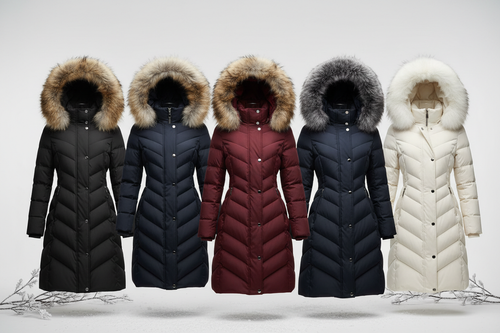
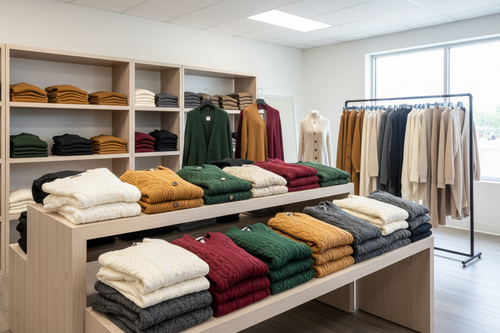
Bottom line: You don‘t need to source from every channel to run a successful boutique. Many six‑figure boutique owners built their businesses using just 2–3 trusted vendors[reference:57]. Find the mix that works for your budget and brand — online marketplaces for testing, trade shows for relationships, direct brands for uniqueness — and master your system. Then scale what works.

📦 Related Resources & Next Steps


❓ Frequently Asked Questions

💼 Do I need a business license to buy wholesale clothing?

Most legitimate wholesalers require a resale certificate, not necessarily a full business license. Apply through your state‘s department of revenue. A basic business license may not be enough for platforms like Faire — they specifically ask for resale certificates[reference:58].

📦 What’s the best platform for a first‑time boutique owner with a small budget?

Faire is your safest entry — Net 60 payment terms, free returns on first orders, and verified suppliers. Once you‘ve sold through and want lower per‑unit costs, explore FashionGo or direct brand wholesale[reference:59].

🧥 How many pieces should I buy in my first wholesale order?

Start with 12–24 pieces across 2–3 styles. Low MOQs are your friend when you’re testing a new category. You can always reorder bestsellers[reference:60].

✈️ Is attending a trade show worth the travel cost?

Yes, if your budget allows. You can‘t replace touching fabric, seeing true colors, and building face‑to‑face relationships. Many successful boutique owners say their best vendor relationships started at a trade show[reference:61].

🔗 More from Apparel Lot: Returns & ClaimsShipping PolicyPricing & ProfitAccessoriesAbout Us

📦 Ready to browse current wholesale inventory? Check our wholesale section for boutique‑friendly lots.
📚 Expert Insights

  • Get your resale certificate before you contact any supplier. This is your golden ticket to wholesale pricing. It allows you to purchase goods in bulk without paying sales tax, and most legitimate suppliers require it to verify you‘re a legitimate retailer-44. Apply through your state’s department of revenue — it‘s free or under $50.
  • Start with online marketplaces like Faire or FashionGo. They are designed for new boutique owners — low MOQs, curated vendors, and in Faire‘s case, Net 60 payment terms so you can pay 60 days after buying-20. Use them to test products before scaling.
  • Order samples before committing to bulk. When the sample arrives, look beyond the design. Check the stitching quality, fabric feel, color accuracy, and how it holds up after washing-13. A good sample is just the first step.
  • Buy smaller quantities more frequently. Since 2025, 35% of independent retailers report ordering in smaller batches rather than large seasonal buys-66. This keeps overhead low and lets you respond to customer demand in real time.
  • Attend at least one trade show in your first year. Major events like MAGIC Las Vegas and Dallas Market Center let you touch fabrics, compare quality side‑by‑side, and build face‑to‑face relationships with vendors who may offer better terms to buyers they trust-35.
  • Build relationships with 2‑3 core vendors instead of chasing dozens. Some boutique owners have built six‑figure businesses using just a handful of reliable suppliers-. Consistency beats variety when you‘re trying to manage cash flow and inventory turnover.

Resale CertificateA state‑issued document that allows you to buy wholesale without paying sales tax. Most suppliers require it to verify you‘re a legitimate retailer-44.MOQ (Minimum Order Quantity)The smallest number of units a supplier will sell per style. Low MOQs are essential for new boutiques testing products.Net 60 TermsPayment terms that allow you to pay for your wholesale order 60 days after purchase — offered by Faire to qualifying retailers-20.Open Pack SizingA packaging option that lets you choose exact sizes and colors rather than being forced into pre‑packed assortments. Critical for size‑inclusive boutiques.Shelf PullsItems removed from retail shelves — unsold but still brand new. Usually in original packaging with minor shelf wear.Cash‑and‑CarryA trade show term for inventory you can purchase and take home immediately, rather than placing an order for future delivery-2.

  1. Buying for yourself, not your customer. This is one of the most common pitfalls for new boutique owners — choosing styles based on personal taste instead of customer demand-28. Wholesale buying isn’t about personal preference; it‘s about understanding your market.
  2. Overbuying in the first season. It’s tempting to fill racks with variety, but overbuying ties up cash in inventory that doesn’t move. Start small, test, then scale. Order smaller quantities of multiple styles to gauge interest first-28.
  3. Ignoring size and fit diversity. Boutiques that carry only straight sizes risk alienating a large portion of their local audience. Carrying inclusive sizing expands your addressable market and builds customer loyalty-28.
  4. Not vetting suppliers before ordering. Finding any supplier is easy. Finding a great supplier is the real challenge. Always ask for samples, check references, and read platform reviews before placing a large order-13.
  5. Assuming all online marketplaces are the same. Some platforms charge sellers up to 25% on first orders, which can mean higher prices for you. Different marketplaces attract different types of vendors — know their fee structures and product focuses before you commit-13.
  6. Buying too much of one style or size. Avoid over‑committing to a single style that hasn‘t been market‑tested. Inventory that doesn’t turn into cash is just expensive storage

Do I need a resale certificate to buy wholesale, and how do I get one?

Yes — most suppliers require it. Apply through your state‘s department of revenue. It’s free or under $50 and takes about two weeks.

What‘s the best online marketplace for a first‑time boutique owner?

Faire is the most beginner‑friendly. It offers Net 60 payment terms, thousands of independent brands, and low MOQs. FashionGo and LA Showroom are also excellent, with FashionGo focusing on fast‑fashion LA vendors.

How many pieces should I buy in my first wholesale order?

Start with 12–24 pieces across 2–3 styles. Low MOQs are your friend when you‘re testing a new product category. You can always reorder bestsellers.

Should I attend a trade show as a new boutique owner?

Yes, if your budget allows. Major events like MAGIC, Dallas Market Center, and OFFPRICE let you touch fabrics, compare quality, and build relationships in person. Even attending one show can give you a competitive edge.

What’s the difference between an online marketplace and buying directly from a brand‘s wholesale program?

Marketplaces offer variety and convenience — you can shop hundreds of brands in one place. Direct brand wholesale often gives you more unique products and better margins, but requires more work to discover and vet individual brands.