Where to Buy Clothing Inventory for Resale Business.What’s the safest way to buy liquidation pallets as a beginner?
You‘ve watched the YouTube videos. You’ve seen the TikTok hauls. Someone finds a $50 jacket for $3 at Goodwill, sells it for $40, and makes it look easy. And then you go to your local thrift store, everything seems picked over, and you wonder: where do these people actually find inventory that sells?
The real answer isn‘t one place. It’s a mix. Successful resellers don‘t rely on a single source. They layer methods based on their budget, time and sales volume. Here’s the honest map of where to buy clothing inventory for resale — starting with the lowest cost of entry and working up.
1. Thrift Stores, Garage Sales & Estate Sales — The Classic Grind
This is where most resellers start because the barrier to entry is almost nothing. You can walk into any Goodwill, Salvation Army, or local thrift shop with $50 and walk out with 10–20 items. The upside: margins can be huge. A $4 jacket that sells for $30 is 650% return. The downside: it‘s inconsistent, time‑consuming, and you’re competing with dozens of other resellers.
Thrift stores and consignment shops are one of the most popular and reliable ways to source inventory, especially when you‘re working with a low budget. You’re not tied to MOQs or shipping costs [0†L17-L18]. But the real secret here is the Goodwill Bins — Goodwill Outlet stores where you buy clothing by the pound for $1–2 per pound. You can walk out with 50 pounds of clothing for less than $100. The catch? You have to sort through huge bins, and everything is sold as‑is [0†L20-L23].
Garage sales and estate sales are another tier. Estate sales often have entire closets from a single owner — sometimes with higher‑end brands that thrift stores would have picked out already. The key is to go on the last day, when everything is often 50% off or more. One reseller I know built her entire Poshmark inventory from three estate sales over a single summer.

800pcs Korean Velvet Sheepskin Jacket Lot – Sizes S/M/L – Winter Outerwear Overstock – Take‑All Liquidation – Boutique Stock Lot

200pcs Bulk Korean Velvet Soft-Touch Loungewear Sets - Aesthetic Plush Fabric Essentials for Boutiques - Liquidation Stock - Versatile Comfort Tops & Bottoms Tail Order
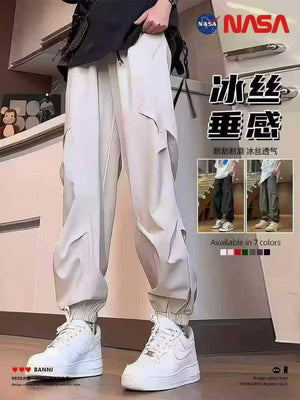
4000pcs Bulk Ice Silk Streetwear Joggers - NASA Style Aesthetic Techwear Pants - Take-All Liquidation - Breathable High-Drape Summer Casual Trousers - Boutique Ready Stock Lot
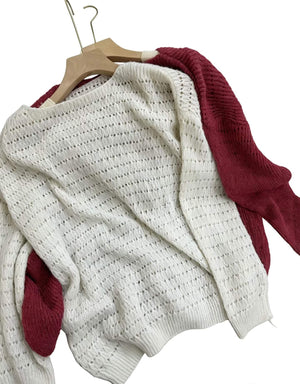
120 Pcs Wholesale Women's Aesthetic Hollow-Out Knit Pullovers - Lightweight Layering Sweaters for Boutique Resale - Closeout Stock Lot - Soft Texture Autumn/Spring Essentials
2. Retail Arbitrage (Online & In‑Store)
Retail arbitrage means buying discounted merchandise from retail clearance sections — Target, Walmart, TJ Maxx, Marshalls — and reselling it for a profit online. Online arbitrage is the same concept, but you‘re sourcing from e‑commerce websites, often using coupon codes or cashback apps to stack discounts. The profit margins are lower than thrift sourcing — typically 20–40% instead of 200% — but the inventory is consistent, you know exactly what you’re getting, and you can scale it much faster.
The catch? You need to know what moves. Buying a random clearance shirt because it‘s $7 is a mistake. Buying a known brand in a popular size that you’ve seen sell out everywhere else? That‘s a bet worth taking. Track sold listings on eBay or Poshmark for 30 days before you invest in a category [5†L21-L22].
📊 Quick comparison: retail arbitrage vs thrift sourcing
Thrift sourcing: Lower cost per item ($1–5), higher margins (200–600%), but slow, inconsistent, labor‑intensive.
Retail arbitrage: Higher cost per item ($5–15), lower margins (30–80%), but faster to scale, predictable inventory, less time hunting.
Most full‑time resellers do both. Thrift builds margin and funds reinvestment. Retail arbitrage builds volume and consistent cash flow.
3. Online Wholesale Marketplaces — The Boutique Owner‘s Entry Point
If you’re ready to move beyond hunting for individual pieces, online wholesale marketplaces are your next step. These platforms connect you with thousands of brands and suppliers, often with low MOQs and net payment terms.
Faire — The Beginner‘s Sweet Spot
Faire is the largest online wholesale marketplace for independent retailers, connecting over 100,000 brands with buyers across the US, Canada, the UK and Australia. What makes Faire different? They focus on small‑to‑medium brands and independent retailers — you‘re not competing with massive manufacturers for attention. Faire offers net‑60 payment terms for qualifying retailers, free returns on first orders, and low MOQs — often $200–500 total order value.
For resellers who want to test a category without committing to hundreds of pieces, Faire is the lowest‑risk wholesale entry point. The platform has been reviewed positively for ease of use and brand discovery [6†L11-L15]. One reviewer noted, “Stocks my shop with 80% bought from here. So far so good.” [6†L14-L15] Some users have reported occasional inventory sync issues, but overall, Faire is widely trusted among boutique owners and smaller resellers [6†L5-L9].
The downside? You‘ll see the same products on other resellers’ Instagram feeds because everyone‘s shopping from the same pool. For a first‑time wholesale buyer, though, Faire’s net terms and free returns on first orders make it hard to beat.
FashionGo — The LA Fashion District Online
FashionGo is a digital wholesale marketplace that brings the Los Angeles wholesale apparel district online. They offer millions of items across women‘s, men’s, and children‘s apparel, plus accessories, jewelry, footwear, beauty, and home decor. The platform is massive — with thousands of vendors and hundreds of thousands of products.
FashionGo has mixed reviews. Trustpilot currently gives them around 2.8/5 stars. Some resellers report smooth transactions and great variety; others complain about quality issues with specific vendors. The key takeaway: treat FashionGo as a directory, not a single supplier. Vet each vendor individually — order samples, check their return policy, and start with small test orders before scaling.
In a 2025 review of bulk clothing sources, FashionGo was named alongside Faire and Boutsy as offering the best selection for most resellers, while liquidation platforms were noted for lower‑cost options for discount sellers [5†L5-L8].
OrangeShine — Streetwear & Low MOQs
OrangeShine describes itself as a hidden gem for brands that live and breathe streetwear and urban clothing. They function as a digital marketplace where you can discover dozens of designers and manufacturers under one roof, with a focus on low minimum order quantities and US‑based brands.
Trustpilot gives OrangeShine around 3.8/5 from 42 reviews, while Sitejabber shows a 2.9‑star rating from over 330 reviews. That gap tells you something important: buyer experience varies depending on which vendor you pick. OrangeShine works best for resellers who know exactly which streetwear niches they want to target — think oversized hoodies, vintage‑wash tees, and Y2K accessories — and are willing to order samples before committing to bulk.
4. Liquidation Pallets — Volume, Risk and Real Potential
Liquidation pallets are bulk lots of merchandise sold by retailers, distributors, or specialized liquidators. They typically contain returned items, shelf pulls, clearance products, or overstock from major retailers like Target, Amazon, Walmart, Home Depot and Macy‘s. Some pallets are pristine — brand‑new items in original packaging. Others are a total mess — broken, missing parts, or clearly used
The discount can be huge. A single pallet might cost $200–800 and have a retail value of $1,500–3,000. But the risk is also higher. You don’t always know exactly what you‘re getting. That’s why manifested lots — pallets with an itemized list of every single product inside — are essential for beginners. If a listing doesn‘t include a manifest with condition notes, assume the worst.
B‑Stock — Direct from Major Retailers
B‑Stock runs the official liquidation auctions for Amazon, Walmart, Target, Costco and other major retailers. You‘re buying directly from the source — no middleman picking out the good stuff first. B‑Stock offers detailed manifests on many lots, and you can filter by condition (shelf pulls, customer returns, overstock). The downside? Most lots are truckloads or high‑count pallets. But they also offer smaller “loads” in certain categories, and the competition can drive prices down if you’re patient.
BULQ — Beginner‑Friendly Case Lots
BULQ is a great starting point for resellers who want to test liquidation before committing to full pallets. They offer case lots — smaller quantities, often starting around $200–500 — with detailed manifests. BULQ also offers fixed pricing, so you don‘t have to worry about bidding wars. Their sourcing strategy is to buy directly from retailers and break down pallets into smaller, reseller‑friendly packages. For a first‑time buyer, BULQ’s manifests and flat‑rate shipping make the risk manageable.
DirectLiquidation & Via Trading — Other Options
DirectLiquidation is a B2B liquidation marketplace that gives you access to wholesale lots of surplus merchandise sourced from top US retailers like Amazon, Walmart and Sam‘s Club. They offer auction and fixed‑price options across thousands of categories. Via Trading specializes in apparel liquidation and has been in business since 2003, with a focus on clothing and accessories.
Comparison Table — Sourcing Methods at a Glance
| Sourcing Method | Best For | Typical Investment | Expected Margin | Risk Level |
|---|---|---|---|---|
| Thrift / Garage / Estate sales | Total beginners, low budget, resellers with time to hunt | $20–200 | 200–600% | Very low |
| Retail arbitrage (in‑store / online) | Resellers who want consistent volume | $100–1,000 | 30–80% | Low |
| Faire / FashionGo / OrangeShine | Boutique owners, brand‑seeking resellers | $200–500 | 50–150% | Low (platforms offer terms and returns) |
| Liquidation pallets (B‑Stock, BULQ, DirectLiquidation) | Resellers with storage space, volume focus | $300–1,000+ | 100–300% | Medium to high (depends on manifest quality) |
Common Mistakes That Cost Real Money
- Buying mystery boxes as a beginner. Unmanifested “liquidation” lots from social media ads are gambling, not sourcing. Stick with manifested lots or stick to thrift sourcing until you understand value.
- Not having a resale plan before buying inventory. Spending $500 without knowing where you‘ll list it — Poshmark? eBay? Flea market? — is a recipe for a garage full of unsold clothes.
- Overlooking the 3‑5% defect tolerance in liquidation. True wholesale liquidation has a small defect allowance — that’s why the price is low. Resellers who panic over three loose threads in a 100‑piece lot miss the point.
- Buying inventory you personally like instead of what sells. You might love neon patchwork cardigans, but your customers may want neutral everyday basics. Check sold listings before you buy.
- Ignoring shipping costs in your margin math. A $5 t‑shirt might cost $4 to ship, plus $0.50 in Poshmark fees. Suddenly your margin is gone. Always calculate your net profit after fees and shipping.
- Not getting a resale certificate before contacting wholesalers. Most legitimate wholesale platforms will not show you real pricing without one. It’s free or under $50 — apply through your state‘s department of revenue.
Real World Example — A First Wholesale Lot That Actually Works
Let’s put this all together with a concrete example from our own inventory. One of the safest ways to test wholesale without over‑committing is to buy a small, single‑style lot from a platform like Faire or direct from a wholesaler. For instance, a lot of 800 pieces of Korean velvet sheepskin jackets at $6 per unit might sound huge — but you can buy smaller case lots from BULQ for $200–500, not the full 800.
At that scale, you‘re not betting your whole budget on a single style. You’re testing. If the jackets sell well on Poshmark at $25 each, you have landed cost around $9 including shipping and fees. That‘s $16 net per jacket — a 250% margin. If they don’t sell, you‘ve learned a valuable lesson about category demand without losing thousands of dollars.


Why Korean Velvet is the MVP of Boutique Loungewear: The Secret to Finding High-Margin "Aesthetic" Fabrics
#SourcingSecrets #BoutiqueGrowth Direction: Sourcing Angle Inventory Hack Tired of slim margins? Learn how "tail orders" of premium fabrics can 5x your boutique's profit overnight. Read Buying...
Step‑by‑Step: Your First 30 Days as a Reseller
Week 1: Get your resale certificate from your state‘s department of revenue. Open accounts on Poshmark, eBay and Depop. Watch a few listing tutorials. Set a budget — $200 is enough to start.
Week 2: Go thrifting. Spend $50 at local Goodwill, Salvation Army, or garage sales. Buy items you’d actually wear — that‘s your best starting filter for what customers might want.
Week 3: List everything you bought. Good photos, clear measurements, honest condition notes. Ship your first sale. There‘s no substitute for actually getting a package out the door.
Week 4: Track your sell‑through rate. What sold quickly? What sat? Reinvest your profits into another thrift run or a small test order from Faire — maybe $100 across 2–3 styles. Then repeat.
📦 Related Resources & Next Steps
❓ Frequently Asked Questions
💼 What’s the best sourcing method for someone with under $200 to start?
Thrift sourcing and garage/estate sales. You can often find brand‑name items for $2–5 each and sell them for $15–30. It doesn‘t scale quickly, but it teaches you the fundamentals of spotting value without major risk.
📝 Do I need a resale certificate to buy from Faire or FashionGo?
Yes. Both platforms require a valid resale certificate to approve your account. Apply through your state’s department of revenue before you sign up.
📦 What‘s the safest way to buy liquidation pallets as a beginner?
Start with B‑Stock (direct from retailers like Target and Walmart) or BULQ (smaller case lots with detailed manifests). Always choose “shelf pulls” over “customer returns” when possible — shelf pulls are brand‑new. And never buy a mystery box without a manifest.
💰 How much should I spend on my first wholesale lot?
For Faire or OrangeShine, $200–500 total distributed across 2–3 styles. For liquidation, $300–800 for a small manifested pallet. Don’t spend more than you‘re willing to lose on your first order.
📦 Ready to browse current wholesale inventory? Check our wholesale section for reseller‑friendly lots.