How to Start Buying Bulk Clothing for Resale: Where to actually find bulk clothing?
Let's be honest for a second. Buying bulk clothing for resale sounds like a cheat code: get hundreds of shirts for pennies, flip them for ten times the price, and suddenly you're running an empire from your garage. The reality? It's rewarding, absolutely. But there's a graveyard of beginners who thought they could just throw money at a liquidation lot and watch the profits roll in.
Whether you're browsing after your first thrift-flip success or you've been selling on Poshmark for a year and want real scale, this guide walks you through the process as it actually exists. No gatekeeping, no corporate jargon — just the steps, the mistakes, and the margins.
1. Before you buy a single lot — the non‑negotiable setup
Wholesale suppliers aren't your local Goodwill. Most will ask for a resale certificate or seller's permit before they even show you their real catalog. In the US, that resale certificate lets you buy inventory without paying sales tax — because you're going to collect tax from your customer later. One reseller from the r/reselling subreddit put it bluntly: "The biggest advice is to check sell through rates of everything you buy. There's nothing worse than storing a bunch of clothes that won't sell!" What you actually need: register your business (sole proprietorship or LLC), get an EIN from the IRS, then apply for your state's reseller permit. Most state revenue websites let you do this in under an hour. Keep a digital copy — you'll be emailing it to vendors constantly.
2. Knowing your niche isn't cute — it's survival
Vintage band tees. Outdoor gear. Y2K women's denim. Workwear. Wedding guest dresses. Every niche has a different sell-through rate, different average sale price, and entirely different bulk sourcing costs. "I started reselling thrifted clothes on eBay 6 days ago. A shirt I bought for $10 sold for $30 today — it sold 3 days after I listed it," one Reddit newbie shared. That's a fast flip, but if they had bought twenty of those shirts blind without knowing the demand, they'd be stuck.
Sellers who specialize in streetwear often work with vintage wholesalers directly, handpicking instead of buying mystery boxes. Boutique owners rely on platforms Faire and FashionGo. Discount resellers hunt liquidation sites and truckload sales. The key: your niche determines your supplier type.

3. Where to actually find bulk clothing (the real list)
| Source type | Best for | MOQ / typical spend |
|---|---|---|
| Online B2B marketplaces (Faire, FashionGo, BULK) | New, branded, boutique-quality inventory | $200–$500+ |
| Liquidation & overstock sites (B-Stock, Direct Liquidation) | Deep discounts, mixed conditions | Pallets from $300 |
| Vintage/used clothing wholesalers (rag houses, Graded lots) | Vintage, secondhand, unique pieces | 50–200 pieces |
| Goodwill Bluebox / Outlet bins | Testing the waters, ultra low cost | Pay per pound (~$1–2/lb) |
| Direct brand closeouts (via LinkedIn or trade shows) | Deadstock, end-of-season deals | Variable, often 500+ units |
"I've recently had some success reselling clothing I've found in charity shops, thrift stores and car boots. I decided to take it one step further and book a handpicking appointment at my local vintage wholesaler," shared a UK-based seller. That handpicking appointment changes everything — you see actual quality, touch the fabric, and only buy what you know will move.
4. The math that separates profitable resellers from hoarders
You can't just calculate "buy price vs. estimated sale price." Smart resellers factor in landed cost: supplier price + shipping + import duties (if international) + local transport + storage. And then they still assume 10–15% of a bulk vintage lot will be below stated grade — as one industry source notes, that's expected. Price those pieces lower and move on.
"Wholesalers who previously operated on slim 10–20 per cent margins are now seeing returns as high as 45 per cent, driven by the consumer's appetite for authenticity and environmental consciousness." (Fashionating World) That sustainability shift works in your favor — more buyers actively seek pre‑owned clothing than ever before.
5. Red flags that scream "run away"
- Only "stock photos" available — real suppliers shoot their actual current inventory.
- No sample option — even for a small fee, you should be able to test quality.
- Suspiciously cheap for brand‑new trendy items — likely counterfeit or factory seconds.
- No business verification — legit wholesalers want your resale certificate.
- No manifest or grade disclosure — you need to know roughly what's in the box.
"A common mistake is ordering too much stock too early," writes the team at StyleState. Beginners often buy large quantities because the per-unit price drops dramatically. But dead inventory is expensive — it takes up space, ties up cash, and kills motivation. Start with the smallest possible lot, even if the per‑unit price is higher.

7000 Pairs Men’s Everyday Cotton Antibacterial Socks Stock Lot – 7A Odor-Resistant Casual Crew Socks for Daily Wear – Bulk Basic Sock Inventory for Resellers & Discount Retail
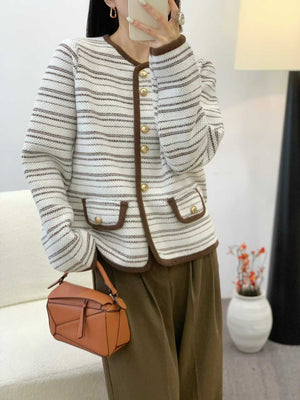
500pcs Boutique Stripe Knit Cardigan Jacket Lot – Soft Korean Velvet-Feel Women’s Trim Button Cardigans for Fall Layering – Single-Style Overstock Sweater Stock for Resellers

Approx. 300pcs Korean Velvet Contrast Trim Women’s Blazer Coat Lot – Boutique-Style Black Longline Outerwear for Easy Resale – Soft Structured Tail-Order Clearance Stock with Polished Citywear Appeal

300pcs Women’s 30% Wool Floral Embellished Knit Pullover Lot – Soft Mock Neck Everyday Sweaters for Boutique Resale – 5 Color Tail-End Stock Under $3 – Easy Fall Winter Layering Styles
6. How to test a supplier without losing your shirt
Order a sample lot. Not a "sample" where they cherry-pick perfect items — ask for a small random bundle representative of what a larger order would look like. Then count everything. Grade the quality. Photograph damages. Check how long shipping actually took. And most importantly: try to list a few pieces from that sample on your selling platforms. If the items from that sample lot can't sell at break‑even prices, you just saved yourself from a much bigger mistake.
7. Your first purchase — how small is "small enough"?
One path: find your local Goodwill Outlet ("the bins"). You pay by the pound — usually $1–2 per pound. You'll literally dig through massive blue bins, but you learn to identify valuable fabrics, vintage tags, and hidden gems for almost nothing. It's ugly, it's chaotic, and it's the best training you'll get.
The other path: online wholesale marketplaces. "Buying wholesale clothing can be confusing for beginners. One of the most common errors is pursuing the lowest price. While cheap deals may seem appealing, they don't always result in good outcomes." (TopDownTrading) Start with a targeted bundle under $200–300. You're not trying to stock a boutique — you're testing a supplier, a price point, and your own ability to sell.
8. The post‑purchase workflow that saves your sanity
- Count every piece against the manifest the second the box arrives.
- Photograph any discrepancies within 48 hours (most claim deadlines are short).
- Grade everything into categories: list‑ready / needs light cleaning / repair or donate / unsellable.
- Log every SKU with cost basis and target selling price.
- List aggressively — many resellers follow a "list within 72 hours" rule.
Inventory management doesn't need fancy software at first. A simple spreadsheet works. But what's non‑negotiable is consistency. One seller who turned reselling into a full‑time income shared, "The shift happened when I started treating it like a business, not a treasure hunt. I stopped buying randomly and started buying what I knew would turn within 30 days."
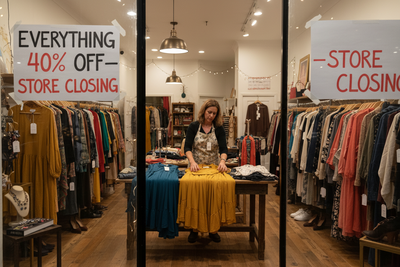

The Boutique Owner’s Blueprint: How to Buy Wholesale Clothing for a Small Business?Mastering Wholesale Clothing Sourcing and High-Margin Liquidation Strategies
Moving from a "Fashion Lover" to a "Fashion Business Owner" requires a fundamental shift in how you view a garment. It’s no longer about what you...

9. Pricing strategy: don't undervalue your work
Many beginners price too low because they're terrified of not selling quickly. But discounting trains buyers to wait for discounts. The sweet spot? Research completed listings on eBay, Poshmark, and Depop for comparable items. Price slightly above the average if your item is in better condition or includes original tags. Monitor after two weeks — adjust in small increments, not crashes.
Margins vary wildly by category. Jackets and outerwear often pull 60–70% gross margins. Basic cotton tops may only net 30%. The key is blending: a profitable bundle has some high‑margin stars and some reliable fillers.
10. Scaling up without breaking your profitability
Once you've turned three test lots profitably, you know something's working. Now you can size up: buy larger curated lots, approach wholesalers for better per‑unit rates, or even split a full liquidation pallet with another reseller you trust. The global secondhand clothing market is forecast to reach $77 billion by 2025, according to ThredUp's yearly report. That rising demand works in your favor, but it also means more competition. Your advantage isn't just access — it's knowledge. The resellers who thrive aren't the ones with the biggest Instagram following; they're the ones who actually know what sells in their niche, which suppliers deliver consistently, and how to price for profit rather than ego.
One final note from the r/reselling community that's worth tattooing on your brain: "Count first. If you ordered 100 pieces, count 100 pieces. Shortages happen, and you need to know immediately." That attentive, almost obsessive attention to detail? That's what turns bulk buying from a gamble into a predictable business.
Explore AllBuying GuidesStock LotsPricing & ProfitCategory InsightsLogisticsBuyer Questions
Bulk clothing resale isn't a shortcut — it's a skill. And like any skill, you learn by starting small, tracking everything, and staying curious. The good news? The tools, the suppliers, and the demand have never been better. Your only job is to buy smarter than last time.