How to Choose Premium Women’s Stock Lots with Original Tags (Real Example: Yusha International)
If you’ve been burned by cut label lots where customers ask “what brand is this?”, you might be looking for original tag overstock. Keeping the brand labels intact adds trust and allows you to charge higher prices. But not all “original tag” lots are equal. Here’s what actually matters when you’re picking a premium women’s stock lot.
📦 What makes a premium original‑tag lot different?
Premium overstock (brands like Yusha International, Mizuno‑adjacent, etc.) targets a specific customer: urban working women who want effortless style. The garments have clean lines, subtle draping, and fabrics that feel expensive (cotton‑linen, viscose blends). Unlike budget lots, these pieces don’t scream “cheap wholesale” – they whisper “quiet luxury.”
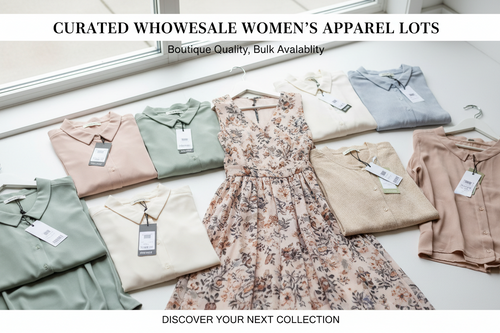
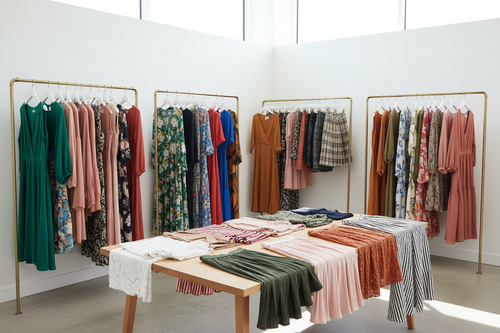
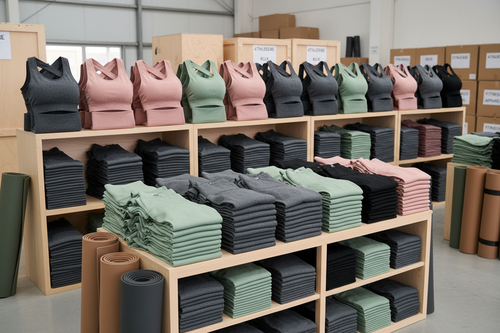
A great example is the Yusha International 241‑piece summer lot. It has 45% dresses/sets, 36% tops, 19% pants – almost the perfect ratio for a boutique that wants to sell complete outfits. And all three original tags are attached, so your customers see the brand name.

241-Piece Yusha International Women's Summer Premium Stock Lot – Original Tags – Euro‑Korean Minimalist Style – Sets, Dresses, Tops, Pants – For Urban Professionals
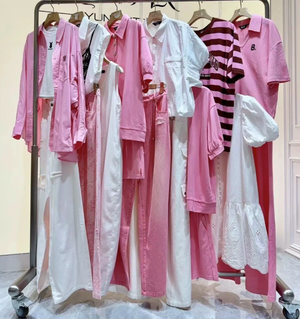
227‑Piece Beini Women’s Summer High‑Street Fashion Stock Lot – Euro Chic Mixed Apparel – Cut Label Boutique Overstock – Dresses Tops Pants Sets – Versatile Sizing for All Body Types

230 Pcs Enruini Mixed Brand Boutique Lot - Urban Aesthetic Summer Women’s Apparel - High-Value Dresses, Knits & Separates - $9.50 Premium Department Store Closeout
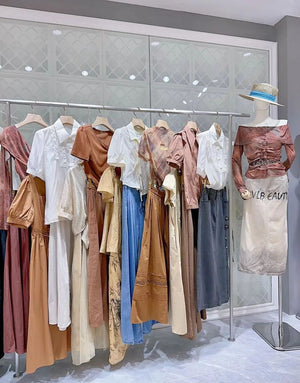
256 Pcs LSXY Aesthetic Women's Summer Stock Lot - High-End Designer Mixed Apparel Bundle - Retro & Sweet-Cool Style Boutique Liquidation - $19.80/unit Premium Tail Order Inventory
🧥 Category mix – the 45/35/20 rule
After analyzing dozens of boutique success stories, a pattern emerges: lots with ~45% dresses/sets, ~35% tops, and ~20% bottoms perform best. Why? Dresses and sets are “hero items” – they have the highest perceived value. Tops drive volume sales. Bottoms complete outfits.
| Category % | Why it works | Risk if too high/low |
|---|---|---|
| Dresses/sets 45% | High margin, easy display, one‑piece outfit | Too many dresses = limited mixing. Below 30% = no hero pieces. |
| Tops 35% | Fastest sell‑through, low price point, easy add‑on | Over 50% tops = lot feels cheap. Below 25% = not enough volume. |
| Bottoms 20% | Essential for complete looks, slower but steady | Below 15% = customers can’t buy trousers to match tops. |
Yusha’s lot hits that sweet spot. You get 108 dresses/sets to anchor your display, 87 tops for easy add‑on sales, and 46 pants/skirts to complete the outfit. That’s not an accident – it’s how premium overstock is packed.
🏷️ Original tags – why they matter
Cut label lots are fine for budget‑focused resellers, but original tags give you three advantages:
- Trust: Customers see a real brand name and feel safer buying.
- Price: You can charge 20‑30% more than unbranded equivalents.
- Returns: Clear care and size labels reduce confusion.
The Yusha lot keeps all three tags (brand, size, care). That means you can present the garments as “authentic brand overstock” – not generic wholesale. In your shop, just say: “Yusha International – premium Euro‑Korean overstock with original tags.” Your customers will instantly understand the value.



📏 Sizing and body types – relaxed cuts are your friend
Premium Asian brands often use relaxed, oversized silhouettes (dropped shoulders, A‑line dresses, elastic pants). This is actually great for boutiques because one size fits a range of body types. Yusha’s pieces, for instance, comfortably fit US 2–14 because of the forgiving cuts.
Who wears this style? Urban professionals aged 25‑45, women who work in offices but don’t want stiff suits. Think: lawyer who wears a linen shift dress to court, then changes into wide pants for after‑work drinks. The Yusha aesthetic is “effortless city chic.”
❌ Common mistakes when buying original‑tag lots
- Assuming “original tags” means current season. Overstock is often 1‑2 seasons old – but classic styles don’t date quickly.
- Not checking the size conversion chart. Every brand fits differently. Ask the supplier for a chart.
- Ignoring the fabric composition. Premium lots should have natural fibers (cotton, linen, viscose). Avoid polyester‑heavy mixes.
- Being afraid of 3% defects. It’s standard. Just factor it into your pricing.
- Buying a lot with too many singles (no sets). Sets and matching pieces increase basket value significantly.
✅ Checklist for evaluating a premium original‑tag lot
☐ Category %: Dresses/sets ~45%, tops ~35%, bottoms ~20% (like Yusha).
☐ Size distribution: At least 70% in S, M, L (US 4–14). Avoid lots heavier in XS or XL.
☐ Tags intact: Brand, size, care – all three present.
☐ Fabric: Mostly natural or semi‑natural blends (cotton, linen, viscose).
☐ Defect tolerance in writing: 3% is industry standard.
☐ Return policy for excess defects: Supplier should credit above 3%.
❓ Real buyer questions about premium lots
Can I request a sample from the Yusha lot?
How do I price Yusha pieces in my boutique?
What if a customer asks why the style is from an older season?
How long does it take to sort a 241‑piece lot?
📚 More ways to source premium stock
🛍️ Related premium picks
Questions? Visit our FAQ or contact our sourcing team.