How to Choose Women’s Knit Cardigan Stock Lots That Feel Easy to Resell?
If you are looking at women’s knitwear stock for your boutique or resale business, the real challenge usually is not finding cardigans. The real challenge is figuring out which cardigan lots will actually feel easy to sell once they land in your store. Some styles look fine in supplier photos but become slow inventory in real life. Others feel much more natural from the start. They fit the season, they work with the kinds of outfits customers already wear, and they give you a product story that does not need too much explanation.
Quick Answer
The easiest women’s cardigan stock lots to resell are usually the ones with a clear outfit story, wearable colors, simple but polished details, and a shape that fits everyday boutique dressing. Buyers tend to do better with cardigan lots that feel naturally styleable instead of lots that depend too heavily on trend language or very niche fashion timing.
Browse Women’s KnitwearIn This Guide
Why cardigan lots matter for boutique buyers
Cardigans sit in a very useful place inside women’s fashion resale. They are softer than jackets, easier than heavily fitted tops, and usually less intimidating for buyers than trend-driven dresses or complex occasionwear. They also carry a lot of styling value. A cardigan can finish an outfit, soften a look, add texture, and make a basic set of pieces feel more thought-through. For boutique owners, that matters because customers often respond well to products that feel both practical and styled. They want something they can imagine wearing, but they also want it to feel like a real piece of fashion rather than just another basic.
That is one reason knit cardigan stock lots can be so attractive. When the right style appears, it can work across several selling angles at once. It can be positioned as a layering piece, a soft office casual option, a polished everyday knit jacket, a citywear cardigan, or a transitional weather essential. A product that can live in more than one story is often easier to sell than a product that only works in one very narrow trend moment.
But there is a catch. Not all cardigan lots are equally easy. Some look pretty generic once they arrive. Some feel too basic to justify boutique pricing. Some are too trend-specific. Some are hard to style into complete looks. And some lots are fine in theory, but the color mix, fit direction, trim, or finish makes them harder to present to customers in a convincing way.
So this article is really about judgment. It is about learning how to look at cardigan stock lots the way a boutique buyer or reseller should look at them, not just the way a factory listing presents them. The goal is not to buy “any cardigan.” The goal is to find cardigan stock that feels clean, sellable, seasonally useful, and easy to merchandise across real-life womenswear channels.

What “easy to resell” really means
Buyers say this all the time: “I want products that are easy to resell.” But that phrase can mean a few different things depending on the store. Sometimes it means the product is low-cost enough that pricing feels simple. Sometimes it means the product is trend-safe and won’t go out of style too quickly. Sometimes it means it photographs well. Sometimes it means the size and fit feel manageable. In cardigan buying, it usually means a combination of things happening at the same time.
First, the piece needs a clear first impression. Customers should understand it quickly. They should not need a long explanation to see why it belongs in their wardrobe. If a cardigan looks polished, wearable, and familiar in a good way, that helps immediately. If it looks too confusing, too costume-like, or too dependent on one trend reference, it becomes harder.
Second, it needs styling flexibility. A cardigan that works with trousers, denim, simple skirts, knit basics, or soft officewear will usually give you more resale options than a cardigan that only looks right with one exact type of outfit. Flexibility matters because it makes content creation easier. It makes mannequins easier. It makes product photos easier. And it helps customers imagine the piece with items they already own.
Third, the lot needs operational simplicity. This is one of the most underrated parts of boutique buying. Some products are not hard to sell because they are unattractive. They are hard to sell because they are hard to organize, hard to explain, or hard to present consistently. A clean single-style cardigan lot usually has an advantage here. You can move faster. You can style it repeatedly in different ways. You can keep the visual message clear.
And finally, “easy to resell” means the product gives you enough perceived value. That does not mean the piece has to be flashy. In fact, many of the best boutique cardigan lots are not flashy at all. What they have is polish. Good trim. Good balance. A texture or silhouette that feels more finished than a cheap commodity sweater.
Why some knitwear moves faster than others
If you look across women’s knitwear inventory, some lots seem to move almost naturally while others sit around longer than buyers expected. The difference often is not dramatic quality gaps. It is usually a mix of visual readability, seasonal timing, styling ease, and whether the product feels like something customers already know how to wear.
A clear shape helps
Buyers generally do better with cardigan lots that have a shape customers understand right away. That could mean a classic button front, a trim detail that frames the piece, a slightly jacket-like silhouette, or a fit that sits neatly over basics. When the shape is easy to read, customers do not have to spend mental energy figuring out the garment.
Trim and finish matter more than people think
In boutique knitwear, little things often do a lot of work. Contrast edging, neat buttons, pocket details, a visible texture, or a slightly structured knit can push a piece upward from “basic sweater” into “styled boutique cardigan.” That change is important for resale. It affects perceived value, not just design. A customer may not analyze why they like the piece more, but they usually feel the difference.
The color story needs to feel wearable
Knitwear lots can underperform simply because the colors feel awkward or too hard to place. Wearable neutrals, soft contrast, darker trims, cream bases, black accents, earthy tones, and calm seasonal shades usually give buyers more options. Loud, difficult, or overly trend-dependent color mixes can work in the right store, but they raise the risk. Most boutiques do better when cardigan lots can slide naturally into everyday wardrobes.
Seasonal timing changes the feeling of the product
A lot of cardigan buying is really transitional buying. Customers love pieces that help them move between temperature shifts without fully committing to outerwear. That is why knit jackets, trimmed cardigans, and polished layering knits often feel stronger than plain pullovers in some retail settings. They let the customer do something with the outfit. They are practical, but still expressive.
“Looks easy to wear” is a real selling point

How to choose the right cardigan stock lot
When you are comparing women’s cardigan lots, it helps to stop thinking only in wholesale terms and start thinking like a store. A supplier listing may focus on quantity, category, and price. But a boutique buyer needs to think about what the product becomes after it arrives. How will it be photographed? How will it be merchandised? What kind of customer will understand it? Does it fit the season you are building for? Does it support the visual direction of your store?
1. Start with store identity
Before you judge the product, judge the fit between the product and your store. Are you selling polished casual womenswear? Korean-inspired boutique looks? Soft city dressing? Minimal layering pieces? Quiet feminine style? If yes, a cardigan with neat trim, visible texture, and a simple elegant fit may be a good match. If your store is more oversized, street, experimental, or trend-heavy, a refined cardigan lot may not be your strongest move.
2. Check whether the cardigan has a real outfit story
One of the easiest tests is to ask yourself how many believable outfits you can imagine within ten seconds. If you can quickly see it with tailored trousers, denim, midi skirts, simple handbags, loafers, boots, or neutral flats, that is a very good sign. A cardigan lot with an immediate outfit story usually has better resale energy than a lot that looks nice but does not trigger clear styling ideas.
3. Think about whether it reads more like a sweater or a knit jacket
This matters because customers often pay differently depending on how the piece feels. A plain soft cardigan may compete with many basic knit options. But a more structured, trimmed, jacket-like cardigan can move into a more elevated boutique category. That shift can help resale because customers see more outfit value in the piece.
4. Look for details that create polish without becoming too much
Contrast edging, a stripe texture, decorative but clean buttons, flap pocket effects, a slightly boxy but wearable silhouette, and refined finishing can all help. These details add a sense of intention. They help the product feel styled. The key is balance. Too little detail and the lot may feel generic. Too much detail and it may become hard to wear.
5. Prefer lots that are easy to photograph
In online resale especially, visual simplicity matters. A cardigan that looks clear on a hanger, on a flat lay, and on a body is much easier to market than a piece that only looks good in one very controlled image. This is one reason single-style boutique cardigan lots often work well. They give you visual consistency and repeatable content.
6. Decide whether the fabric feel supports the story
Product photos can only go so far. You still have to think about handfeel. If a cardigan is described as soft, plush, brushed, slightly structured, or velvet-feel, that can help if your store leans polished and approachable. Buyers often underestimate how much texture affects perceived value. A piece that feels soft and “finished” usually becomes easier to present as boutique stock.
7. Be realistic about defect tolerance in overstock buying
Tail-order and overstock lots often offer better value because you are accepting a standard clearance logic. That usually means there may be a small percentage of minor imperfections, like thread issues, light storage pressure, or small finishing inconsistencies. Buyers who understand that trade-off can often find strong opportunities. Buyers who expect every unit to behave like premium full-price department store stock may struggle more with this model.
8. Ask whether the product can work across more than one season
Transitional pieces often give you the healthiest merchandising window. A cardigan lot that works in fall, in spring, and inside winter wardrobes is often more useful than one with a very narrow weather role. The more ways you can keep it relevant, the easier it is to work into store planning.
| 600pcs Ribbed Knit Maxi Sweater Dresses Bulk Clearance – Plus Size L to XXXL Relaxed Fit – Soft Stretch Everyday Winter Dresses for Boutique Resale Stock LotLOT TYPE: Single-style bulk lot (multiple sizes mixed L–XXXL) | INSPECT | |
 |
3300pcs Pink Rose Cross-Wrap Cropped Knit Sweater – Women’s Boutique Ribbed V-Neck Cable Texture Top – Soft Lilac Everyday Going-Out Layer – $3 Factory Surplus Stock Lot for Small Boutiques & Online ResellersLOT TYPE: Single-style women’s knitwear stock lot Pink Rose branded Lilac / pink-purple tone Cropped cross-wrap V-neck sweater | INSPECT |
| 150pcs Sleeveless Collared Knit Top Lot – Boutique-Friendly Fitted Summer Polo Tank – Clean Minimal Button-Front Layering Piece – 3 Color Assorted One-Size Clearance StockLOT TYPE: Single style, 3-color assorted, one-size lot | INSPECT |


Comparison Table: easier-to-resell cardigan lots vs harder-to-move cardigan lots
| What to compare | Easier-to-resell cardigan lot | Harder-to-move cardigan lot |
|---|---|---|
| Shape | Clean, readable, easy to style | Awkward, trend-locked, hard to place |
| Detail level | Polished trim, balanced buttons, boutique feel | Too plain to feel special or too busy to feel wearable |
| Color story | Wearable neutrals and soft contrasts | Difficult colors or combinations with low outfit flexibility |
| Store fit | Matches your existing aesthetic naturally | Needs a completely different styling world to make sense |
| Photo friendliness | Looks clear on hanger, flat lay, and model | Only looks convincing in highly curated styling |
| Operational ease | Simple to merchandise and explain | Requires too much storytelling for each unit |
| Seasonal use | Works across transitional periods | Feels tied to a very narrow season or trend moment |
The point of this table is not to make buying feel mechanical. It is to show that the easiest cardigan lots usually win because they reduce friction at every stage: buying, photographing, styling, merchandising, and customer understanding.
Product example: a boutique-style cardigan lot with a clear resale story
A good example of the kind of cardigan lot that feels easier to resell is a soft striped women’s cardigan jacket with contrast trim, visible texture, and polished button-front detailing. This type of piece usually works because it sits between cardigan and jacket. It feels refined enough to look like a styled item, but still familiar enough to be worn casually.
That is the logic behind a product like this boutique stripe knit cardigan jacket lot. The appeal is not only that it is knitwear. The appeal is that it gives you an easy outfit language: wide-leg trousers, denim, skirts, loafers, simple bags, soft office looks, and polished daily dressing.
This kind of product is also helpful because it does not need overly commercial wording to make sense. You do not have to force it into a loud sales story. It can simply be presented as a wearable women’s layering piece that makes everyday outfits feel more complete. That tone often works well for boutiques because it feels closer to how customers actually shop.
It is also a strong example of why single-style lots can be practical. If the piece is visually clean and easy to understand, a one-style lot helps you keep the merchandising consistent. You can build multiple looks around the same item without confusing the customer or diluting the story.
Common mistakes buyers make with women’s cardigan stock lots
Buying based on category alone
Some buyers assume “cardigans are safe,” so they treat any cardigan lot as a reasonable buy. But category safety is not enough. The lot still needs style clarity, good finishing, and a believable outfit role. Knitwear is a broad category. Safe categories can still contain slow products.
Ignoring the difference between basic and boutique
A lot of stock buyers underestimate how important that difference is. A basic cardigan may have value in volume-driven resale, but a boutique-style cardigan needs to offer more than fabric and buttons. It needs atmosphere. It needs polish. It needs to feel like something a customer notices.
Choosing pieces that are too trend-specific
Trend can help, but only if your audience already lives there. If a cardigan depends too much on one internet aesthetic or very specific fashion mood, you may narrow the resale window too much. Transitional boutique knitwear often does better when it feels current but not disposable.
Overlooking fit direction
Even without detailed size charts, buyers should think about how the silhouette reads. Is it neat, oversized, cropped, slouchy, jacket-like, soft and draped, or sharp and fitted? The more clearly you understand that, the easier it becomes to position the piece for the right customer.
Forgetting that operations matter too
Some lots become a burden because they are hard to sort, hard to explain, or hard to content-produce around. A simple one-style cardigan lot with clear visual identity may not look as exciting on paper as a more mixed lot, but it often wins in real workflow.
What smart buyers usually do
They choose cardigan lots that fit their store identity, have a visible outfit story, and feel practical to merchandise over several weeks or months.
What stressed buyers often do
They buy based on category name, low price, or trend excitement, then discover the product is harder to style and slower to present than expected.
Why single-style lots can be especially useful for boutique knitwear
A lot of boutique buyers eventually realize that the product itself is only half the work. The other half is everything that happens after sourcing: unpacking, checking, sorting, styling, photographing, writing copy, posting content, planning displays, and keeping the store visually consistent. That is where single-style lots can quietly outperform mixed assortments.
With a single-style lot, the message is cleaner. You know what the hero piece is. You know what the content focus is. You can repeat the product in multiple outfit directions without losing brand clarity. That makes life easier for small teams and solo operators who do not want every product upload to turn into a new strategy problem.
For knitwear specifically, this can be a major advantage. Knit pieces often depend on mood and styling as much as they do on category. If you are working with one cardigan style that has a polished look, it is much easier to build a stable visual world around it than if you are trying to explain five unrelated knit styles at once.
This does not mean mixed lots are wrong. They can be useful for volume buyers or stores built around variety. But if your goal is to keep boutique presentation strong while reducing complexity, single-style cardigan lots deserve serious attention.
Wholesale Women’s Down Jackets & Winter Coats Wholesale Women’s Sweaters & Knitwear◀ Wholesale Women’s T-Shirts & Blouses Wholesale Women’s Dresses & Skirts Wholesale Women’s Activewear & Yoga Apparel
How seasonality changes cardigan buying
The word “seasonal” can sometimes make buyers think only in the most obvious way: heavy for winter, light for spring, and so on. But cardigan buying is more subtle than that. A lot of the best boutique cardigan products are not useful because they match one season perfectly. They are useful because they connect seasons.
That is one reason trimmed knit jackets and polished cardigans often have wider appeal than plain winter-only sweaters. Customers use them during that in-between period when they want a little more structure than a simple top, but do not want full outerwear. That transitional role is commercially helpful because it gives you a longer story window.
In early fall, the cardigan feels like a top layer. In colder weeks, it works indoors or under a coat. In spring, it returns as a clean finishing piece over lighter basics. A lot that can support that kind of seasonal flexibility is often easier to work with than a piece that only makes sense in one temperature zone.
Checklist before you order a women’s cardigan stock lot
- Does the lot fit your current store identity, not just a random trend?
- Can you imagine at least three believable outfit pairings right away?
- Does the cardigan read as polished, wearable, and visually clear?
- Do the buttons, trim, texture, and overall finish support boutique pricing?
- Would the piece still make sense beyond one short seasonal moment?
- Is the lot simple enough to merchandise without creating extra confusion?
- Does the fit direction make sense for your customer base?
- If it is overstock or tail-order stock, are you comfortable with normal minor defect tolerance?
- Can you style it for product photos without needing an overly complicated concept?
- Does it feel like something your customer would actually keep wearing?
If you can answer yes to most of these, you are probably looking at a much healthier cardigan lot than one chosen only because the supplier category matched what you were searching for.
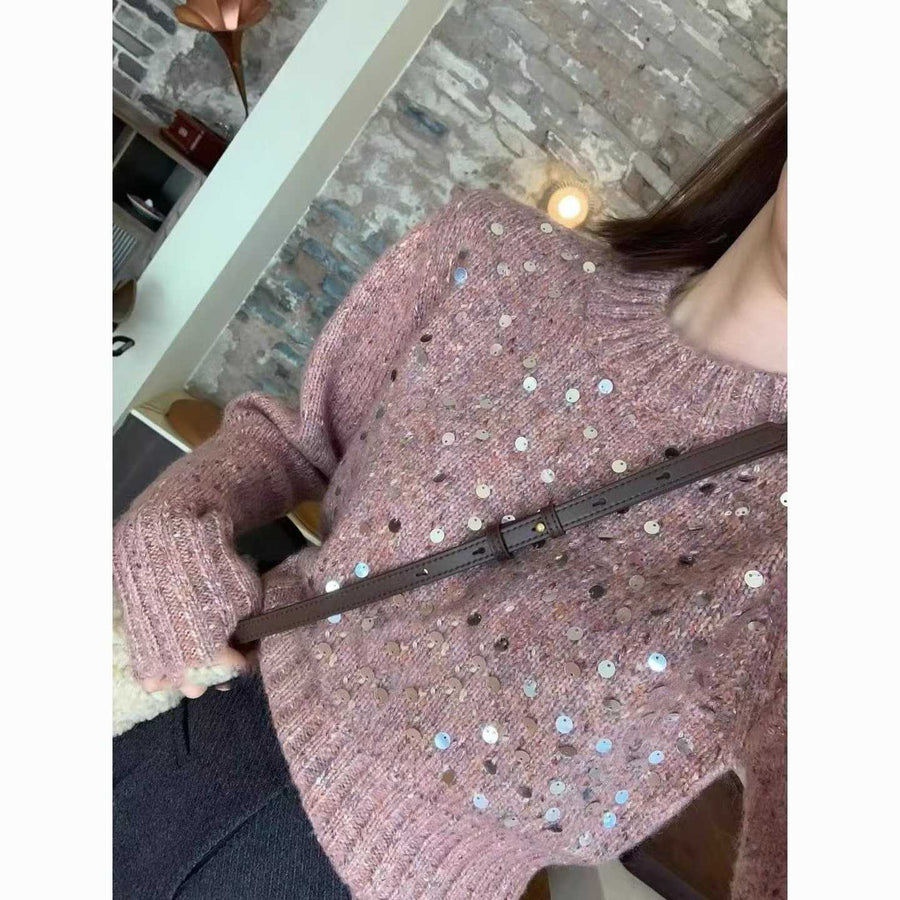
| Assorted Aesthetic Ribbed Cardigans & Sequin Accented Sweaters - $2.00 Wholesale Liquidation Lot - High-Margin Transitional Knitwear for Boutiques - 3-Color Essential Tail OrderLOT TYPE: Assorted styles and colors (Ribbed V-neck + Sequin Crew-neck). | INSPECT | |
| 1600pcs Wholesale Ribbed V-neck Knit Cardigans - Minimalist Aesthetic Layering Sweaters - $1.50 Factory Liquidation Take-all Lot - Transition Season Boutique Inventory EssentialsLOT TYPE: Clean overstock (not customer returns). | INSPECT | |
| 380 Sets Wholesale Soft Knit Cardigan Tank Set – Minimal Everyday Layering Outfit – Boutique Neutral Style Lot – Fall Ready Casual Knitwear Clearance – $2.50 Take-All StockLOT TYPE: Mixed colors Mixed sizes Same style set | INSPECT |


What this means for boutiques, resellers, and small retailers
For boutiques, a good cardigan lot can act like a bridge product. It connects tops, bottoms, shoes, and accessories. It helps complete looks. It makes quiet styling feel more intentional. That means it can raise the value of other pieces around it, not just stand alone.
For resellers, cardigan lots can be especially useful when the product has a clean silhouette and easy visual language. These are the kinds of pieces that can perform in social content, in styled photo drops, and in product pages where the customer is making a decision quickly. A cardigan with a neat trim, a soft stripe, or a jacket-like shape often does better than a very generic knit because it gives the eye something to hold onto.
For small retailers, cardigan lots also offer planning value. They tend to integrate well with a broader wardrobe logic. You can place them beside denim, tailored trousers, skirts, and simple basics. That flexibility matters when your assortment cannot afford to waste space on products that only work in one exact mood.
The common thread here is usability. Cardigan lots become strong when they are easy to understand, easy to wear, and easy to weave into the rest of a woman’s wardrobe. That is what makes them feel less risky than many more dramatic fashion categories.
Related reading and next steps
Start with the pillar page
If you want the bigger picture first, start here: Wholesale Clothing Knowledge Hub
Useful category pages
Helpful pages before ordering
Related product directions
Looking for knitwear stock that feels easier to work with?
Focus on pieces with a clear outfit story, a clean boutique look, and enough visual polish to feel stronger than a basic sweater. That usually leads to easier merchandising and steadier resale.
Buyer Questions
Are women’s cardigan lots easier to sell than regular sweater lots? +
What kind of cardigan lot works best for boutiques? +
Is a single-style cardigan lot better than a mixed knitwear lot? +
How important is seasonal flexibility when choosing cardigan stock? +
Should I avoid overstock cardigan lots because of defects? +
What usually makes a cardigan lot look more premium? +
Final Thought
Choosing women’s cardigan stock lots is not really about finding the cardigan category and stopping there. It is about finding pieces that make sense in a real store, with real customers, inside real wardrobes. The easiest cardigan lots to resell are usually not the loudest ones. They are the ones that feel visually clear, naturally styleable, and polished enough to carry a boutique message without needing too much explanation.
If you keep that in mind, the buying process gets much simpler. You stop chasing “any knitwear” and start looking for knitwear that already feels close to a finished retail idea. That is usually where the better inventory decisions come from.
Suggested tags: BuyingGuides StockLots Pricing& Profit Category Insights Logistics Buyer Questions