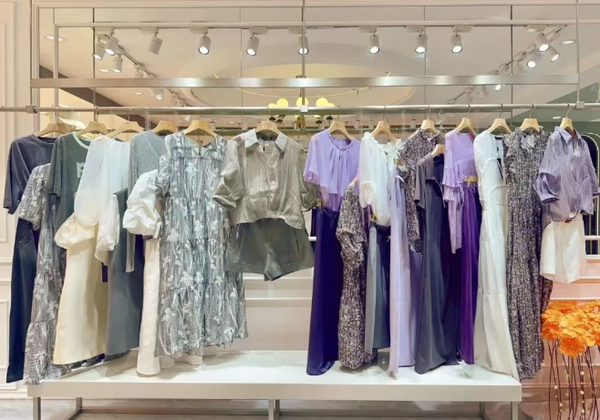
Are Mixed Clothing Lots Worth It for Boutique Stores?

Are Mixed Clothing Lots Worth It for Boutique Stores?


Mixed clothing lots can be a strong move for boutique stores—but only if you treat them like a system, not a gamble. The upside is variety: you get multiple categories and styles in one buy, which can refresh your floor, feed online listings, and create that “treasure hunt” feeling many boutiques rely on. The downside is hidden cost: sorting time, inconsistent sizing, occasional defects, and a few categories that simply won’t match your customer. This guide breaks down how to evaluate mixed lots using a practical framework: composition questions to ask, receiving-day checklists, pricing tiers, and a clear exit plan for slow movers. It also compares mixed lots with single-style tail orders so you can pick the right tool for your store model. Finally, it highlights US vs EU operational differences—like freight realities, VAT and labeling expectations, and return patterns—so you can buy with fewer surprises and more control.

For Small retail operators in the US/EU who buy wholesale overstock and liquidation inventory and need predictable risk control, not hype.
 Home All Apparel Collection ApparelLots Journal
How to Choose Women’s Faux Leather Bomber Jacket Stock Lots That Actually Feel Easy to Resell? How to Choose Women’s Summer Dress Stock Lots That Actually Feel Easy to Sell? How to Source Basic Clothing Stock Lots for Resale? How to Choose Women’s Knit Cardigan Stock Lots That Feel Easy to Resell? Cotton vs. Polyester: Which Fabric Wins for Bulk Activewear? How to Choose Easy-to-Sell Backpack Stock Lots for Boutique Resale? How to Choose Women’s Blazer Coat Stock Lots That Don’t End Up Feeling Too Formal or Too Hard to Sell? How to Source Women’s Sweater Stock Lots That Actually Feel Easy to Sell? How to Source Full Truckloads of Wholesale Clothing Without Getting Stuck With Slow-Moving Inventory? Why these tops fit the current mood in women’s fashion resale? Why Easy Matching Knit Dress Sets Keep Getting Picked First by Small Boutiques? Why Ribbed Knit Dresses Keep Selling Out in Small Boutiques (And What Buyers Often Miss When Sourcing Them in Bulk) How Small Boutiques Actually Source Affordable Winter Jackets That Still Sell Out How Small Boutiques Actually Sell Simple Ribbed Tank Tops Without Turning Them Into a Trend Gamble? How to Tell if a Knit Top Will Actually Sell Before You Buy the Lot? Why Clean Fitted Knit Tops Keep Showing Up in Easy-Selling Summer Outfits Why Simple Layering Pieces Sell Faster Than Trendy Items Why Minimalist Knit Pieces Are Quietly Becoming Boutique Bestsellers How Small Boutiques Build Easy-Selling Outfits with Simple Neutral Pieces Why Heavyweight Blank T-Shirts Are Quietly Becoming a Boutique Staple Bulk Inventory for Depop Sellers – How to Build a Style Flow and Posting Rhythm That Actually Sells How Boutiques Profit From Overstock: The Secret to Fast Flips and Fat Margins How Online Boutiques Source Inventory: The Roadmap to High-Margin Stock The Art of the Boutique Refresh: Why "Stock Lot" Finds are the Secret to Sustainable Retail Growth The Boutique Owner’s Guide to Sourcing High-Value Transitional Knits: Why $2 Liquidation is Your Secret Weapon The Art of the Transition Wardrobe: Why Ribbed Knits are Every Boutique’s Secret Weapon How Online Boutiques Source Inventory: The "Insider’s Roadmap" to High-Margin Sourcing How to Build Long-Term Supplier Relationships Without Getting Burned When It Actually Makes Sense for Bulk Clothing Inventory (And When It Doesn’t) What Is Wholesale Overstock Clothing?The "Big Three" of Wholesale Overstock What Wholesale Terms New Buyers Should Know – 10 Simple Terms Explained Like Real Life Sample Orders: What to Ask For Before Buying Small Bulk Dress Lots How to Check a Supplier’s Business Info (Without Overthinking It) – A Practical Guide for Wholesale Buyers The "Hidden Margin" Strategy: Why This 187-Set Bow-Back Liquidation is a Boutique Goldmine? How Small Boutiques Actually Sell $1.50 Tote Bags Without Looking “Cheap” Why Branded Sportswear Surplus is the Smart Play for 2026: A Deep Dive into the Slazenger Heritage Lot How to Clear Slow Sellers Fast: 5 Realistic Ways Boutique Owners Move Stuck Inventory Beyond the Drop: How to Increase Sell-Through Reseller Listings Using High-Margin Liquidation How to Buy Clothes in Bulk for Resale – A Practical Guide for Boutique Owners and Online Sellers How to Buy Clothes Directly From a Manufacturer?Can I buy clothes directly from the manufacturer? How to Avoid Trend Fatigue Selling the same clothing style over and over without customers getting bored. Overstock vs Factory Surplus: Where the Real Boutique Margins Are Hidden Beyond the Price Tag: How to Spot a Reliable Wholesale Clothing Supplier in the High-Volume Clearance Market What Makes a Wholesale Supplier Worth Trusting? A Real-Talk Checklist for Boutique Growth Demystifying the Rack: What Is Wholesale Overstock Clothing, Really? Distributor vs. Liquidator: Who Should You Buy From? How to Buy Boutique-Quality Without Big Brand Names How to Reduce Freight Cost on Bulk Orders Without Making Your Inventory Harder to Sell Where the Money Really Goes When You Buy Matching Sets. Inventory Cost Management Basics for Boutiques How to Buy Summer T-Shirts Without Getting Stuck With Dead Stock.Seasonal Overstock Buying for Men’s Basics

Are Mixed Clothing Lots Worth It for Boutique Stores?


Primary keyword: mixed clothing lots for boutiques Audience: US & EU small retailers Angle: scenario + risk analysis + checklists

Are Mixed Clothing Lots Worth It for Boutique Stores?

If you’ve ever opened a wholesale mixed lot and felt that split-second panic—“this is either a goldmine or a storage problem”—you’re not alone. Mixed lots can be a smart tool for boutiques, but only if you treat them like a workflow, not a lottery ticket.

No hype Risk control US vs EU notes Real scenarios Pricing tiers

Mixed clothing lots can refresh your boutique fast. They can also quietly drain your time if you don’t have a plan. This guide breaks down what “worth it” really means for boutique owners and online resellers, with practical questions to ask, checklists you can actually use on receiving day, and a clear comparison with single-style tail orders.

Quick truth: Mixed lots don’t “work” because every item is a winner. They work when your winners and steady sellers cover the slow pieces and your workflow keeps processing costs under control.

The “Worth It” Question Is Really Three Questions

People ask “Are mixed lots worth it?” like it’s a yes/no thing. In practice it’s a three-part decision:

  • Will I sell enough of it fast enough?
    Sell-through isn’t magic—it’s match + timing + presentation.
  • Will the margin survive the hidden work?
    Sorting, steaming, tagging, photos, bins, returns—this is the real bill.
  • Will it fit my customer without bending my brand?
    Variety is great. Identity whiplash is not.

A Scenario You’ll Recognize: Same Lot, Different Outcome

Boutique A (mostly in-store)

They run “new arrivals drops” like a weekly ritual. A mixed lot comes in, the team sorts it in a day, builds a hot rack near the entrance, and rotates leftovers into a small off-price corner. Customers browse longer because the mix feels fresh, and add-on sales rise.

Mixed lots become their “store energy” inventory—limited runs that keep regulars curious.

Boutique B (online-first)

They need consistent listings and clean sizing for low returns. The same mixed lot takes a week to prep. Some items are tricky to photograph, sizing is inconsistent, and the team lists only the cleanest portion. Returns tick up because fit expectations are harder to manage across varied brands.

For them, single-style tail orders are often calmer: fewer surprises, faster processing.

Why Mixed Lots Exist (And Why It Matters)

Mixed lots usually come from overstock clear-outs, end-of-season consolidation, and liquidation events. Sometimes returns are blended in. The origin influences condition consistency, label completeness, and how much “mystery” you’ll be sorting through.

Practical note: “Overstock” and “liquidation” aren’t the same vibe. Overstock tends to be more consistent; liquidation can be a wider spectrum. Neither is “bad”—you just plan differently.

Where Mixed Lots Shine (When They’re a Real Win)

1) Variety without buying deep on a style you can’t move

For small boutiques, depth can be risky. Buying 50+ units of one style is great if it’s proven. If not, you just froze cash. Mixed lots allow variety while limiting “one-style concentration risk.”

2) The treasure-hunt effect (especially in-store)

Here’s a counterintuitive insight: sometimes mixed lots generate profit indirectly by creating browsing energy. Customers linger longer when there’s genuine variety. Longer browsing often means bigger baskets—accessories, add-ons, “I’ll take that too” moments.

3) Testing a new category without a big bet

Want to test denim, light outerwear, or event-ready dresses? Mixed lots let you sample demand before committing. If you track sell-through by category, you build a real playbook instead of guessing.

4) Bundling power for online resellers

For online sellers, mixed lots can become curated bundles: “workwear capsules,” “weekend basics,” or reseller starter packs. This works best with a clear grading system and honest product descriptions.

The Hidden Costs That Make People Regret Mixed Lots

Mixed lots are inventory plus processing. Many buyers focus on the invoice price and forget the operational cost. Here’s where reality shows up:

Hidden Cost What It Looks Like in Real Life How to Control It
Sorting labor Hours opening boxes, counting, separating categories, tagging, steaming 3-zone intake (A/B/C), pre-set pricing tiers, batch processing
Quality variance Some “wow” pieces, some average, some brand mismatches Ask condition definition + defect tolerance, plan exit channels
Size distribution Too many edge sizes, inconsistent labeling across brands Measurement template, size conversion notes, in-store try-on strategy
Returns friction (online) More returns due to fit unpredictability Clear measurements, strict triage for online listings, keep tricky items in-store
Slow category tax Trouser-heavy lots in a dress/top-driven boutique Composition range questions, bundle/clearance plan before arrival

Mixed Lots vs Single-Style Tail Orders

Think of it this way: Mixed lots = variety + variance. Single-style tail orders = consistency + concentration risk. If your business needs predictability, single-style often feels calmer. If your business thrives on discovery, mixed lots can be fuel.

Factor Mixed Clothing Lots Single-Style Tail Orders
Assortment variety High Low–medium
Predictability Medium–low High
Sorting workload Higher Lower
Brand control Harder Easier
Best for Discovery boutiques, off-price corners, bundle sellers Online-first, consistent aesthetic, size-run needs
Risk shape Many small risks One big bet

The Six Questions to Ask Before You Buy

You don’t need a 30-question interrogation. You need the right guardrails. Here are six that actually reduce surprises:

  • What does “condition” mean here?
    New overstock vs shelf-pulls vs returns blended in. Ask for ranges.
  • What’s the category composition range?
    You want percentages or rough balance: tops/bottoms/dresses/outerwear.
  • Are labels and tags present?
    Missing tags = slower processing. EU buyers: labeling expectations matter more.
  • Any defect tolerance or grading notes?
    Even new overstock can have minor flaws. Plan for it instead of being shocked.
  • How is it packed out?
    Polybags vs loose pack vs pre-sorted bundles changes your labor.
  • Shipping format and delivery details?
    Cartons vs pallets, liftgate needs, appointment delivery, freight costs.

Receiving-Day System: How to Avoid the “Forever Pile”

Mixed lots become messy when everything lands in one giant “later” pile. The fix is simple: triage fast. Use a 3-zone intake so items don’t linger in limbo.

Zone A — Ready to Sell

Clean, tagged, no repairs. Goes to the rack or photo station immediately.

  • Steam quickly (batch)
  • Tag with tier + rack placement
  • Prioritize “winners” to recover cash sooner
Zone B — Needs Work

Minor fixes: lint, missing tag but identifiable size, quick stitch.

  • Process within 72 hours
  • Limit time spent per piece
  • If it becomes a time-sink, move to Zone C
Zone C — Exit Plan

Brand mismatch, flaws that slow you down, odd fits, damaged packaging. This zone protects your time.

  • Bundle packs (good for resellers)
  • Off-price corner / quick-move rack
  • Donate or wholesale-out (depends on your model)

Pricing Strategy: Tier It So You Don’t Debate Every Item

The cleanest way to manage a mixed lot is to avoid pricing paralysis. Use three tiers and stick to them. This isn’t about squeezing the maximum from every piece—this is about protecting cashflow and preventing aged inventory.

Tier Where It Goes Goal Good For
Tier 1 — Premium Front rack / featured listings Show your best taste Hero pieces, clean labeling, easy sizing
Tier 2 — Core Main racks Steady sell-through Basics, mid sellers, reliable fits
Tier 3 — Quick-move Off-price corner / bundles Protect time & space Odd categories, slow sizes, minor flaws

Margin Math (Without the Fantasy)

Your real cost per unit is not just “invoice divided by units.” Mixed lots come with operational costs: inbound freight, processing time, defect allowance, and (for online) return handling.

Reality-friendly rule: Expect a portion of any mixed lot to be slow. That isn’t failure—it's normal. What matters is whether your winners and steady sellers carry the lot and your exit plan keeps the slow stuff from dragging you down.

If you’re new to tracking: start simple. Track units sold at 30/60/90 days, markdown rate by category, and labor hours per 100 units. After a few lots, you’ll know if mixed lots fit your exact store model.

US vs EU Differences That Can Change the Decision

EU: VAT & labeling expectations

EU buyers often need cleaner paperwork, invoice clarity, and—depending on where you sell—more attention to labeling expectations. Missing fiber/care labels can slow listings or create customer friction, especially in cross-border sales.

US: freight realities & receiving constraints

US buyers often feel the pain in freight: pallet delivery, liftgate fees, appointment scheduling, and delivery access. A “cheap” lot can become average after logistics—so confirm delivery details early.

Sizing & returns (both markets)

Mixed lots mean mixed sizing standards. If you sell online, clear measurements help protect against returns. For in-store, the fitting room does a lot of the heavy lifting.

The 5-Point Decision Score

If you want a simple “should I buy this?” tool, score each category from 1–5. If you score low on processing capacity or exit channels, mixed lots will feel stressful. If you score high, mixed lots can become a reliable inventory lever.

  • Audience Match
    Will your customer actually wear this style mix?
  • Processing Capacity
    Can you sort, tag, and prep within a week?
  • Exit Channels
    What happens to the slow movers—bundle, clearance, wholesale-out?
  • Cashflow Flexibility
    Can you avoid panic markdowns if sell-through is uneven?
  • Supplier Clarity
    Do you trust the condition + composition definitions?

Counterintuitive Insight: The “Messy Lot” Can Win

Uniform inventory can look gorgeous and still feel boring. A well-curated mixed lot can create discovery—the kind that makes customers browse longer, try more, and share finds. This doesn’t mean buying chaos. It means using mixed lots as limited-run drops, while keeping core inventory consistent (often from single-style tail orders).

Simple strategy: Keep your core basics consistent. Use mixed lots for “drops” and moments. Rotate leftovers out fast so your floor stays fresh and your storage stays sane.

(Use these as natural internal links across your site.)

FAQ

Are mixed clothing lots good for a small boutique?
They can be, especially for boutiques that thrive on discovery and variety. The trade-off is extra sorting and more variance. If your team is tiny or you’re online-only, single-style tail orders may feel smoother.
What sell-through should I expect from a mixed lot?
Sell-through varies by season, customer taste, and lot composition. Many boutiques treat mixed lots like a portfolio: some pieces fly, some move steadily, and a portion needs bundling or markdown. The key is having an exit plan from day one.
How do I reduce risk when buying mixed lots?
Ask for condition definition and composition ranges, start with a test lot, and use a receiving-day triage system. Price in tiers and decide how you’ll handle slow movers before the shipment arrives.
Are mixed lots better for in-store or online?
Often better in-store because customers can browse and try on. Online can work if you have a fast workflow: batch photography, measurement templates, and strict triage for what gets listed.
US vs EU: what changes?
EU buyers often deal with VAT handling, stronger labeling expectations, and cross-border return dynamics. US buyers often focus on pallet freight, delivery access, and logistics costs that can shift the final per-unit math.
Thinking about a mixed lot?
Share your store type (in-store vs online), customer vibe, and target price points. We’ll suggest a low-risk starting option—mixed lots or single-style—based on your workflow.
 ApparelLots — Wholesale Overstock & Boutique Liquidation Inventory Practical buying, calm decisions, repeatable systems.

📚 Expert Insights

📌 Key Takeaways

Mixed lots are worth it when variety sells in your channel and you can absorb sorting labor.


The real cost isn’t only the invoice—it’s workflow time, defects, and slow categories.


Mixed lots shine for discovery-based boutiques and impulse racks; single-style tail orders shine for consistency.


A clear triage system (A/B/C grade + pricing tiers) turns chaos into a routine.


Use test lots + tracking to build a supplier/lot playbook.


US vs EU differences matter: VAT/labeling/returns (EU) vs freight/pallet realities (US).


Counterintuitive truth: sometimes the “messier” lot makes more money because it creates in-store energy, not because every piece is a winner.

💡 Tips

Start with a small “test lot” and track sell-through by category (tops, denim, outerwear) before scaling.


Ask for lot composition ranges (e.g., % tops vs bottoms) and condition language (new/overstock vs customer returns).


Budget sorting time like it’s payroll: hours to open, tag, steam, photograph, and bin are real costs.


Create a “quarantine rack” for repairs/defects and decide a fast exit route (bundle, donation, off-price rack).


Separate inventory into online-friendly (easy sizing, easy photos) vs in-store discovery (try-on items).


Use price tiers from day one: core rack, premium rack, and quick-move clearance—don’t improvise later.


For EU, confirm labeling needs (fiber content, care labels, language) before listing cross-border.

📖 Terms

Mixed Lot: A bulk assortment of different styles/sizes/colors/categories sold together.


Single-Style Tail Order: Bulk buy of one style (often end-of-run) with size breakdown.


Overstock: Excess new inventory not sold through original channels.


Liquidation: Inventory sold off below standard wholesale due to closures, overstocks, or end-of-season.


Sell-Through Rate: % of inventory sold within a time window (e.g., 30/60/90 days).


AQL (Acceptable Quality Level): A sampling approach to estimate defect rates (common in manufacturing QA).


Pack Ratio: The size distribution in a bundle (e.g., S/M/L/XL breakdown).


Shelf-Life: How long an item stays “fresh” before it feels dated or forces markdowns.


Grading/Condition: Terms describing quality (new, like-new, minor flaws, returns).

⚠️ Mistakes

Buying mixed lots without a plan for slow sizes and “awkward” categories (odd trousers, tricky dresses).


Assuming every piece is boutique-ready—then losing time to rework, missing labels, or minor damage.


Underpricing early to “move it,” then training customers to wait for markdowns.


Mixing too many aesthetics (streetwear + minimal + occasion) and confusing your store identity.


Ignoring logistics: freight cost surprises, EU VAT handling, or US pallet delivery constraints.