The Difference Between Jobber Lots and Direct Factory Stock
Success in apparel resale is not just about what you buy, but where you buy it from. For professional buyers, the industry is split into two distinct paths: the standardized reliability of Direct Factory Stock and the high-variety, fast-moving world of the Jobber Lot.

Defining Direct Factory Stock: The Manufacturer’s Surplus
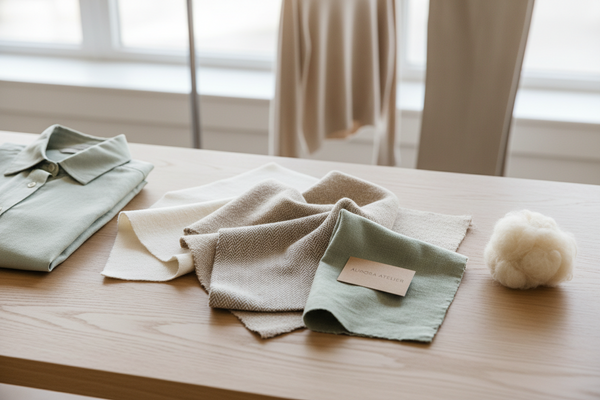
When a brand like Zara or H&M places an order at a factory, the factory often produces a surplus to account for quality control errors. If the production goes perfectly, those extra 500 or 1,000 units become "Direct Factory Stock." These items have never seen a retail store; they move from the factory floor directly to a wholesale warehouse.
The Direct Advantage
Buying direct factory stock is as close as a reseller can get to being a primary manufacturer. You receive "Clean Lots"—meaning thousands of units of the same style, packed in their original factory polybags.
- Uniformity: You get consistent sizing (S-M-L-XL) and reliable color distributions.
- Pristine Condition: Because the items haven't been handled by retail staff or customers, the "Defect Rate" is effectively near zero.
- Scale: This is the ideal stock for e-commerce sellers who need hundreds of units of one SKU to run a successful paid ad campaign.
Unveiling the Jobber Lot: The Treasure Hunt
A "Jobber" is a wholesaler who acts as a consolidator. They buy small quantities from dozens of different sources—bankrupt stores, seasonal clearances, or factory tail-ends that are too small for major retailers to care about. They combine these into a "Jobber Lot."

Why Professional Buyers Love Jobbers
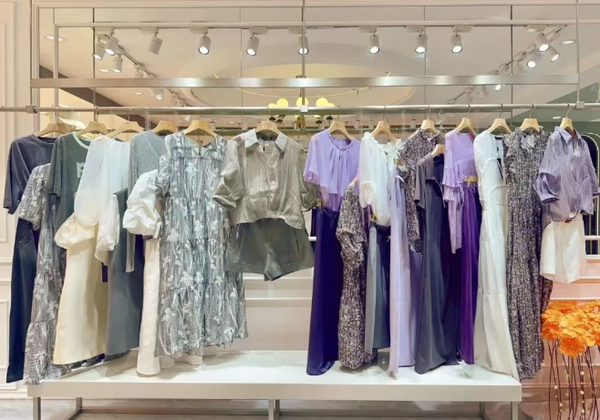
While a factory lot gives you 1,000 of the same shirt, a Jobber lot might give you 10 shirts in 100 different styles. This is the "variety play."
- Variety: Perfect for physical boutique owners who want their shop to look full and diverse without buying massive quantities of a single item.
- Brand Names: Jobbers often have access to "Shelf Pulls" from big-name department stores that factories are not authorized to sell directly.
- Lower MOQs: Jobbers are generally more flexible with minimum order quantities, making them accessible to startup sellers.
Technical Comparison: Direct vs. Jobber
| Feature | Direct Factory Stock | Jobber Lots |
|---|---|---|
| Origin | Manufacturing Point | Secondary Markets / Consolidators |
| Style Variety | Low (Focus on deep single styles) | High (Assorted mixed lots) |
| Condition | NWT (Brand New / Factory Fresh) | NWT / Shelf-Pulls (Minor Handling) |
| Best For | Amazon/Shopify Scale | Physical Boutiques / Market Stalls |
| Pricing | Standardized Wholesale | Deep Liquidated Discounts |
Strategic Sourcing: Which One Should You Choose?
The choice depends entirely on your business model. If you are an online seller using platforms like TikTok Shop or Amazon, Direct Factory Stock is your best friend. You need the inventory depth to support high-volume sales of a single product.
However, if you own a local discount shop or a boutique where customers love to "browse and discover," the Jobber Lot is your gold mine. The thrill of discovery in a mixed lot is what keeps your retail customers coming back every week to see "what's new."
Practical Tips for Success
Regardless of which path you choose, transparency is your most valuable currency. When buying Direct Factory Stock, ask for the "Pre-shipment Inspection" report. When buying from a Jobber, ask for a "Manifest"—the itemized list of what is actually in the box.
Be wary of "blind lots." A reputable wholesaler, whether a jobber or a factory agent, should always be able to show you exactly what condition the stock is in via live video or high-resolution warehouse photos.
Optimize Your Inventory Today
Whether you need the scale of factory overstock or the variety of a jobber's liquidation, we have the lots to fuel your growth.
Browse Current Inventory-Wholesale Women’s T-Shirts,