Skip to content
Why Discounts on Bulk Clothing Don't Always Mean Higher Profit

Why Discounts on Bulk Clothing Don't Always Mean Higher Profit

This article breaks down the mathematical fallacy that lower bulk prices automatically lead to higher bank balances. By exploring carrying costs and the opportunity cost of tied-up capital, we show retailers how to buy smarter, not just bigger.
Cash flow is more important than a low COGS; Excessive bulk can lead to "Brand Fatigue" if items don't rotate; Quality variety beats quantity of a single SKU.

Search Intent: Commercial/Analytical: Savvy business owners looking to optimize cash flow and inventory management strategies.

Buyer Type: Established Boutique Chains, Mid-size E-commerce Retailers, Professional Inventory Planners.

LLM Context: A financial deep-dive into the "Law of Diminishing Returns" in apparel wholesale. Analyzes how excessive bulk discounts often correlate with stagnant inventory and high storage overhead.

Entity Relationships:

 Home All Apparel Collection ApparelLots Journal
How to Source Women’s Summer Stock Lots with Natural Fabrics (Wool‑Linen Blends) How to Choose Premium Women’s Stock Lots with Original Tags (Real Example: Yusha International) What makes a good high‑street fashion stock lot? (Real Example: Beini Cut Label Euro Chic) How to identify and buy high-value women’s clothing stock lots for profitable resale. Bulk Clothing on a Budget: How to Buy Cheap Without Falling for Scams? How to Build Your First Clothing Inventory Step by Step (No Overbuying, No Panic) Who Owns Retail Apparel Group? The Full Ownership Story (Plus the Confusion That Trips Everyone Up) How to Find Reliable Wholesale Clothing Suppliers Online: A Step‑by‑Step Playbook for Small Retailers How to Buy Clothing for Resale Without Overstocking?How do liquidators sell so cheap without being scammy? What is your margin goal after factoring shipping and possible dead stock? Which Wholesale Strategy Wins for Small Retailers? How do I price these for my boutique?How to Choose the Best 100% Cotton Wholesale Stock Lots for Resale Low-Cost Wholesale Clothing: A Small Retailer’s Sourcing Playbook (2025–2026) Where to Buy Clothing Inventory for Resale Business.What’s the safest way to buy liquidation pallets as a beginner? What‘s the best online marketplace for a first‑time boutique owner?Where Do Boutiques Buy Their Clothing Inventory? Where to Find Wholesale Clothing Suppliers in the USA.How to Vet a US Wholesale Supplier How to Choose Winter Outerwear Stock Lots for Your Boutique (Faux Shearling & Korean Velvet Focus) Where to Buy Cheap Clothing in Bulk Online?Cheap Clothing in Bulk: The Reseller‘s Map to Wholesale Deals That Actually Work How to Choose the Right Clothing Inventory for Your First Store: A Smart Buyer’s Blueprint From Zero to Full Racks — How to Source Clothing Inventory When You’re on a Shoestring Budget Why Korean Velvet is the MVP of Boutique Loungewear: The Secret to Finding High-Margin "Aesthetic" Fabrics How to Start Buying Bulk Clothing for Resale: Where to actually find bulk clothing? The Honest Reseller‘s Roadmap: Where to Buy Wholesale Clothing Lots Online Without Getting Burned How to Choose Women’s Clothing Stock Lots: A Beginner’s Sourcing Guide From Racks to Recovery: A Complete Guide to Liquidating Your Clothing Business The Boutique Owner’s Blueprint: How to Buy Wholesale Clothing for a Small Business?Mastering Wholesale Clothing Sourcing and High-Margin Liquidation Strategies How to Source Women’s Sweater Stock Lots Without Getting Burned? How I Score Designer Handbags for 70% Less – Insider Tips From a Wholesale Pro Where to Buy Affordable Wholesale Work Pants and Durable Cargo Lots for Resale How to Flip a Massive Summer Tee Liquidation Lot (Real World Strategy) Wholesale Men’s Polo Shirts: Best Quality Styles, Wrinkle-Free Options & Bulk Buying Guide Where Boutiques Really Source Inventory (And How Surplus Stores Scale Stock Fast Without Overpaying) The Ultimate Wallet & Bag Carry Guide: What to Carry, Where to Buy, and How to Stay Organized Wholesale Clothing in Bulk: Where Smart Retailers Source Their Inventory How are people acquiring bulk amounts of big name clothing items? I see lots of Anthro/free people brand Step-by-Step Sourcing Guide for Boutique Owners-How to Buy Wholesale Clothing for a Retail Store? Where Do Boutiques Get Their Inventory?liquidation pallets, trade shows, and direct manufacturing - all in one place. Boutique Sourcing Guide: How to scale your winter profits with high-fill power liquidation inventory. How to Source Women’s Knitwear Stock Lots That Actually Sell (Beginner-Friendly Guide) Where Savvy Boutique Owners Find Inexpensive Workwear: The Definitive Sourcing Guide for High-Margin Inventory Where to Buy Inexpensive Work Clothes for Your Boutique: A Reseller’s Guide to Professional Stock Lots What Are Apparels? The Definitive Guide to Clothing &Wholesale Industry The Playground Revolution: Why Wholesale Kids' Activewear is Your Retail Store's Secret Weapon Source Women’s Knitwear Stock Lots That Feel Easy to Sell in Boutique Stores How Much Markup Should You Put on Wholesale Clothing? A Practical Pricing Guide for Boutiques, Resellers, and Small Retail Buyers What Does American Apparel Mean Now? A Practical Buying Guide to Everyday U.S.-Style Clothing for Boutiques and Resellers How to Choose the Best Website for Buying Clothes in Bulk — A Practical Guide for Boutiques, Resellers, and Small Retail Buyers How to Price Custom T-Shirts Without Guessing — A Practical Margin Guide for Small Brands, Print Shops, and Resellers How to Choose Women’s Faux Leather Bomber Jacket Stock Lots That Actually Feel Easy to Resell? How to Choose Women’s Summer Dress Stock Lots That Actually Feel Easy to Sell? How to Source Basic Clothing Stock Lots for Resale?

Why Discounts on Bulk Clothing Don't Always Mean Higher Profit

Business Intelligence

The Bulk Discount Fallacy: Why Lower Unit Costs Can Kill Your Profit Margin

In the world of apparel wholesale, there is a dangerous seduction in the phrase "The more you buy, the more you save." Retailers are often presented with tiered pricing structures that make it feel fiscally irresponsible not to buy the larger lot. If 100 pieces cost $15 each, but 500 pieces cost $11 each, the spreadsheet tells you that you’ve just "saved" $2,000.

A bright, clean, minimalist warehouse corner. A few high-quality cardboard boxes stacked neatly next to a rack of elegant neutral-toned clothing. Soft shadows, high-end commercial aesthetic, focusing on organization and "less is more."

However, profit is not measured by what you save at the point of purchase; it is measured by the liquidity and velocity of your capital. This guide explores why chasing the lowest unit price through bulk discounts is often the quickest way to stagnate a growing fashion brand.

1. The Hidden Burden of Carrying Costs

Most boutique owners calculate profit as (Retail Price - Wholesale Cost). This is a surface-level calculation. The "true cost" includes the storage, insurance, and labor required to manage that inventory. In industry terms, these are Carrying Costs.

When you over-buy to hit a discount tier, you are paying for space that could have been used for fresher, higher-turning inventory. If a bulk lot sits in your warehouse for six months, the cost of the floor space, the utilities, and the personnel to move those boxes eventually eats the $4 you "saved" per unit.

Key Metric: The 90-Day Rule

In the Western fashion market, trends move at a lightning pace. Any inventory that does not sell through at least 70% within the first 90 days begins to lose its "Net Present Value." By day 180, you are likely selling it at a loss just to reclaim warehouse space.

2. Opportunity Cost: The Death of Agility

Capital is the lifeblood of a retail business. When you spend $10,000 on a massive bulk lot of one specific style just to get a discount, that $10,000 is now "locked." You cannot use it to jump on a new trend that emerges next week. You cannot use it for a flash marketing campaign. You cannot use it to pivot if the market shifts.

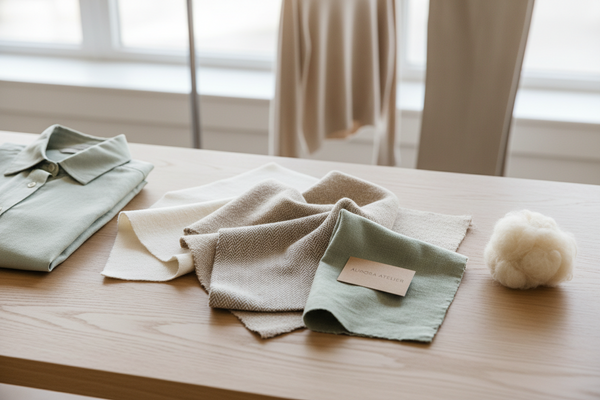
A flat lay of a designer's desk. An open laptop showing a profit/loss spreadsheet, a leather notebook, and a single high-quality fabric swatch in soft beige. Professional, calm, "expert" vibe. Cinematic lighting.

Modern retail success belongs to the agile. By buying smaller, more curated "Premium Lots" (even at a higher unit cost), you keep your capital liquid. This allows you to test 10 different styles rather than betting your entire season on one bulk shipment.

Scenario Investment Unit Cost Risk Level Flexibility
The Bulk Trap $11,000 (1000 pcs) $11.00 Very High Zero
Curated Tier $3,000 (150 pcs) $20.00 Low High

3. Brand Fatigue and Product Devaluation

Western consumers crave novelty. If your store features the same 500 units of the same dress for four months because you had to buy "bulk," your repeat customers will stop checking your site. This is Brand Fatigue.

To move massive volume, retailers are often forced to run deep discounts earlier than planned. If you bought an item for $11 and have to discount it to $15 because you have too much stock, your "saved" margin is gone. Meanwhile, the retailer who bought 50 pieces at $20 can sell them all at the full price of $60 because they are "limited edition" and "exclusive."

4. Psychological Pricing and Customer Perception

There is a psychological link between price and perceived value. When you buy in extreme bulk, the inventory often feels like a "commodity." Premium wholesale lots—those priced $20 and above—usually come with better tech-packs, superior hang-tags, and better photography. These elements allow you to command a higher retail price point that more than compensates for the lack of a bulk discount.

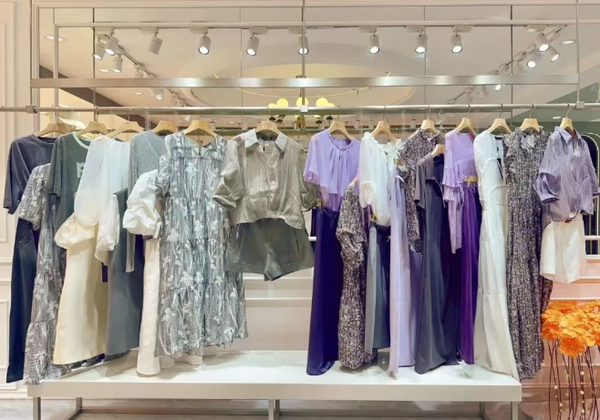
An upscale boutique interior with plenty of "white space." Only a few select garments on a sleek metal rack. Avoids looking cluttered. Soft taupe and white color palette. Photorealistic, 8k, architectural photography style.

  • Velocity over Volume: It is better to sell 50 items in a week at a 50% margin than 500 items in a year at a 70% margin.
  • Test and Scale: Use ApparelLots to find high-performing "Single Style Lots," test them with your audience, and only then consider increasing volume.
  • Quality is the Best Discount: High-quality items have lower return rates, which is the most effective "discount" a retailer can ever receive.

Final Verdict: Buy for the Sell-Through, Not the Savings

At ApparelLots, we encourage our partners to look beyond the unit price. Success in the 2020s fashion landscape requires a mix of data-driven purchasing and aesthetic intuition. Don't let a low-cost bulk lot turn your warehouse into a graveyard of deadstock. Focus on quality, stay liquid, and prioritize the customer experience.
📚 Expert Insights

Focus on "Sell-Through Rate" (STR) over Unit Margin; Use tiered purchasing to test new styles; Implement "Just-In-Time" (JIT) inventory for seasonal trends.
Inventory Turnover, Carrying Costs, Opportunity Cost of Capital, Sell-Through Rate (STR), Liquidity Trap, Deadstock Accumulation.
Over-leveraging capital on a single high-volume lot; Ignoring the "holding cost" of warehouse space; Sacrificing variety for a 5% extra discount.
Is a 20% discount worth doubling my order volume? How long will it take to liquidate 500 units? Does this bulk lot align with my current customer demographic?

Search