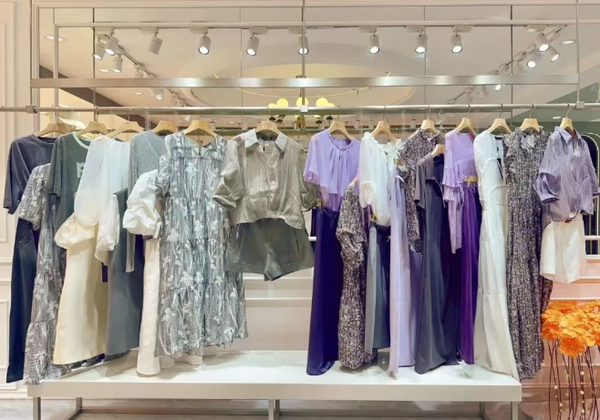
When Should Boutiques Buy Single-Style Overstock?
When Should Boutiques Buy Single-Style Overstock?
Single-style overstock for boutiques can be a cheat code for SKU rationalization… or a fast-track to a markdown spiral. The difference is timing, math, and whether you have an exit plan.
1) The Raw Insight: single-style is for operators, not gamblers
If you run a boutique (physical or online), you’re basically doing three jobs: merchant, content studio, and mini-warehouse. Mixed lots are fun when you have time. Single-style overstock is what you buy when you want your week to be predictable.

So when should you buy single-style overstock?
- When you need speed. One photoshoot, one description template, one size chart, repeat.
- When you’re cleaning up your SKU mess. Too many slow movers? Single-style helps rationalize.
- When you already know your customers. A proven silhouette beats a “cool idea.”
- When you have a back-up exit channel. If it doesn’t move, you can bundle/wholesale it out fast.
- When you’re building a repeatable “inventory anchor.” Basics + replenishment rhythm.
If you’re trying to decide between inventory types, start here: Single-Style Lots vs Mixed Lots. The right choice isn’t about aesthetics — it’s about your operating capacity.
Best use Single-style overstock
Predictable catalog + fast listing + easier reorders.
- One SKU family → cleaner ad data
- Batch processing is simple
- Better for Shopify boutiques and marketplaces
Best use Mixed lots
“Treasure hunt” marketing + variety for content-heavy sellers.
- Fun for IG Reels / live selling
- Can hide size imbalance problems
- Higher labor per unit (sorting + listing)
2) The Macro View: why this inventory exists (and why it’s not “mystery”)
Liquidation and overstock inventory isn’t magic. It’s the predictable byproduct of how fashion works: brands overproduce to hit delivery windows, retailers over-order to avoid stockouts, then reality shows up: returns, season shifts, demand dips, canceled export orders, and “we changed the hangtag” nonsense.
Where single-style overstock typically comes from
- Factory overruns: the line produced extra to hedge defects, then the brand only took contracted qty.
- Export cancellations: buyer cancels, factory needs cash, the lot hits liquidation.
- Season rollover: color/pattern missed the moment; the brand clears space for next drop.
- Retail returns consolidated: this is where condition varies, and your unsellable rate must be real.
- Packaging/label changes: same garment, new ticketing; old ticketing gets dumped.
If you’re buying by category, start with what your customer already buys: Women’s apparel basics tend to be easier to model than edgy statement pieces.
3) Inside Our Warehouse: what we vet (and what you should ask for)
Here’s the part most “inventory gurus” skip because it’s not sexy: inspection and processing. If you want better outcomes, stop asking only “what’s the unit price?” and start asking “how much of this becomes sellable inventory within 24 hours?”

Our practical inspection mindset: “sellable, fast”
What to request before paying (non-negotiables)
- Manifest basics: style name, size ratio, color ratio, total units.
- Condition expectation: define what counts as “defect” vs “repairable.”
- Packaging status: polybagged or loose? Hangtags intact?
- Photos/video proof: not studio shots — aisle shots. Real pallets, real labels.
- Clear defect allowance assumption: model your math using a real damage/unsellable rate.
If you’re trying to build a consistent catalog, single-style lots exist for exactly that: Wholesale single-style lots. If you want variety and you have labor to burn, go mixed: mixed bundles.
Social-proof reality (no fluff)
Customers don’t care that you bought liquidation. They care if the garment feels legit: consistent sizing, clean stitching, and the product photos not looking like you shot them in a panic at midnight. Single-style lots make that easier because you’re repeating a process instead of reinventing it per SKU.
4) Regional Nuances: US shipping vs EU VAT/EORI (same pain, different paperwork)
I’ll keep this practical. US and EU buyers both want landed cost predictability. The difference is where the surprise bills show up.
US: the “last-mile + returns” reality
- Shipping: your enemy is dimensional weight, residential surcharges, and peak season rates.
- Returns culture: US customers return like it’s a hobby. Budget for it, operationally and financially.
- Speed expectations: if you can’t ship fast, marketplaces punish you. Single-style helps you move faster.
- Warehouse workflow: batch the same SKU, you reduce handling errors and listing time.
EU: VAT/EORI + cross-border logistics
- VAT: if you don’t handle it correctly, your “cheap unit price” becomes expensive inventory stuck in limbo.
- EORI: required for import/export customs processes. Get it early, not after the shipment is moving.
- Cross-border: selling across EU is great, but compliance and invoices must be clean.
- Incoterms clarity: decide whether you want DDP-like simplicity or FOB control. Don’t wing it.
5) Financial Math: unit economics (with a 10% unsellable rate baked in)
Here’s the model most buyers say they run… and then mysteriously skip when they see a low unit price. You want realism? Assume 10% unsellable. If your lot beats that, great — you’ll feel rich later. If it doesn’t, you won’t be shocked.
Example scenario: buying at 15% of MSRP
| Input | Example | Why it matters |
|---|---|---|
| MSRP (per unit) | $60 | Anchor for pricing range, not a guarantee of market value. |
| Buy price (15% of MSRP) | $9.00 | Looks great… until you add freight + labor. |
| Freight + duty + clearance (avg/unit) | $2.50 | Varies by lane, incoterms, season. Don’t guess; model it. |
| Warehouse processing labor (avg/unit) | $1.25 | Receiving, counting, steaming, tagging, shelving, photo prep. |
| Packaging/ops overhead (avg/unit) | $0.75 | Poly, labels, tape, storage, software, payment fees (partial). |
| Landed cost (before unsellable) | $14.50 | This is the number that decides your real margin. |
| Unsellable rate | 10% | Damage, missing tags, stains, size errors, “not worth listing.” |
| Effective landed cost | $14.50 / 0.90 = $16.11 | Because you must recover cost from the sellable 90%. |
Pricing sanity check (the boring part that saves your business)
If your market can’t realistically support ~$36 for that item, your “15% of MSRP” buy price wasn’t a deal. It was a trap with good lighting.
6) Operational Checklists: “Box to Rack” in 24 hours
Single-style lots shine when you can turn them into sellable inventory fast. Here’s a 24-hour workflow that doesn’t require a giant team — just discipline.
Hour 0–2: receiving + control the chaos
- Count cartons/pallet positions and match to manifest.
- Photo evidence: take quick aisle photos before you touch anything (claim support later).
- Create a lot ID (date + supplier + style) and label everything.
Hour 2–6: triage grading (A/B/C) + size ratio audit
- A-grade: ready to list. Minimal prep.
- B-grade: needs steam, lint, small repairs, retag.
- C-grade: bundle/clearance/secondary channel (don’t waste listing time).
- Size map: write the real ratio on a whiteboard. Don’t trust assumptions.
Hour 6–12: content batch (photos + listing template)
- Choose one consistent photo setup and shoot 12–20 hero images.
- Write one high-quality product description and reuse structure.
- Build size chart once; reuse across listings.
- If you sell on marketplaces, prep variation listings early (color/size).
Hour 12–24: rack flow + launch plan
- Rack by size order (S→XL) to reduce picking mistakes.
- Launch with a 72-hour test price, not your final “dream price.”
- Watch: add-to-cart rate, message volume, returns. Adjust like an adult.
Want inventory that’s easier to process in batches? Single-style lots are built for this kind of workflow. If you want variety content and you’ve got hands to sort, go mixed.
7) Risk Mitigation Deep Dive: don’t get stuck with one SKU
The risk you called out is real: buy too deep on one SKU and you can trigger the classic boutique pain loop: slow sell-through → panic discounts → brand feel gets cheap → margin collapses → cash stays locked.
Mitigation strategy #1: buy in “testable tranches”
Mitigation strategy #2: pre-plan 3 exit routes before you buy
- Route A (primary): full-price + light promo (email/IG/Shopify).
- Route B (secondary): bundles (2-pack/3-pack), limited-time drop, live selling.
- Route C (wholesale out): sell remaining units to another reseller at a small margin or break-even.
Mitigation strategy #3: markdown policy with guardrails
| Time window | Action | Goal |
|---|---|---|
| Day 1–7 | Test price + content push | Validate demand without torching margin |
| Day 8–21 | Bundle offer or targeted promo | Increase velocity, protect brand feel |
| Day 22–45 | Clearance channel (limited) | Recover cash, avoid long tail dead stock |
Mitigation strategy #4: pair single-style “anchors” with controlled variety
You don’t have to choose a religion: single-style or mixed. The smartest boutiques I’ve seen use single-style as the “cashflow anchor” and sprinkle mixed lots for content buzz and discovery. That keeps the store fresh without turning your stockroom into a thrift explosion.
Want the “anchor + variety” playbook?
Start with a single-style lot you can process fast, then add a small mixed bundle for weekly content drops. Browse the inventory types here.
Practical note: if your team is you + one helper, don’t pretend you have the labor for 800 mixed units. Buy what you can actually process.
8) Comparison Table: single-style liquidation vs traditional wholesale vs dropshipping
| Model | Pros | Cons | Best for |
|---|---|---|---|
| Single-style overstock (liquidation) | Fast listing, repeatable processing, better SKU control, strong unit economics when landed cost is modeled | Depth risk (one SKU), requires cash + storage, quality variance still exists | Boutiques optimizing SKU rationalization and speed |
| Traditional wholesale (seasonal lines) | Cleaner brand consistency, predictable assortments, sometimes better support assets | Higher MOQs, lead times, MAP restrictions, less pricing flexibility | Established boutiques with stable sell-through and cashflow |
| Dropshipping | Low inventory risk, low upfront cash, “test products” quickly | Thin margins, shipping complaints, supplier unpredictability, brand experience suffers | Early-stage testing, not ideal for long-term brand trust |
If you want inventory you can control, but you don’t want to wrestle 1,000 random SKUs, start with single-style lots. If you want clearance volume plays, check pallet deals.
9) The Verification FAQ (no evasive answers)
How do I know if I’m “ready” for single-style overstock? +
What’s the #1 mistake boutiques make with single-style lots? +
Should I use MSRP to set my retail price? +
What’s different for EU buyers vs US buyers? +
Where can I learn more before buying? +
Ready to shop like an operator?
Pick a single-style lot you can process this week, not “someday.” If you want category browsing, start with women’s apparel.
Article summary: single-style overstock for boutiques works best when you prioritize landed cost math, workflow speed, and a pre-planned exit route. Timing matters, but discipline matters more.