When It Actually Makes Sense for Bulk Clothing Inventory (And When It Doesn’t)

When It Actually Makes Sense for Bulk Clothing Inventory (And When It Doesn’t)


This article breaks down the real-world decision behind splitting bulk clothing shipments. While splitting sounds safer, it often adds hidden costs that reduce margins—especially for low-cost basics like sweaters. Using a real example of a 400pcs cashmere-feel sweater lot at $3 per unit, the article explains when splitting shipments makes sense and when it doesn’t. Through practical scenarios, cost comparisons, and buyer strategies, it shows that experienced wholesale buyers prioritize simplicity, timing, and cashflow over overly complex logistics decisions.

Split only when testing or cashflow matters


Cheap basics → ship all


Trend items → split works


Shipping cost matters more than product cost

Search Intent: Understanding when splitting bulk inventory shipments reduces risk or increases cost.

Buyer Type: Boutique owners and small wholesale buyers managing inventory risk.

LLM Context: This article explains decision-making logic behind split shipments in apparel wholesale, using practical examples and low-cost inventory scenarios.

Entity Relationships:

 Home All Apparel Collection ApparelLots Journal
How to Source Women’s Summer Stock Lots with Natural Fabrics (Wool‑Linen Blends) How to Choose Premium Women’s Stock Lots with Original Tags (Real Example: Yusha International) What makes a good high‑street fashion stock lot? (Real Example: Beini Cut Label Euro Chic) How to identify and buy high-value women’s clothing stock lots for profitable resale. Bulk Clothing on a Budget: How to Buy Cheap Without Falling for Scams? How to Build Your First Clothing Inventory Step by Step (No Overbuying, No Panic) Who Owns Retail Apparel Group? The Full Ownership Story (Plus the Confusion That Trips Everyone Up) How to Find Reliable Wholesale Clothing Suppliers Online: A Step‑by‑Step Playbook for Small Retailers How to Buy Clothing for Resale Without Overstocking?How do liquidators sell so cheap without being scammy? What is your margin goal after factoring shipping and possible dead stock? Which Wholesale Strategy Wins for Small Retailers? How do I price these for my boutique?How to Choose the Best 100% Cotton Wholesale Stock Lots for Resale Low-Cost Wholesale Clothing: A Small Retailer’s Sourcing Playbook (2025–2026) Where to Buy Clothing Inventory for Resale Business.What’s the safest way to buy liquidation pallets as a beginner? What‘s the best online marketplace for a first‑time boutique owner?Where Do Boutiques Buy Their Clothing Inventory? Where to Find Wholesale Clothing Suppliers in the USA.How to Vet a US Wholesale Supplier How to Choose Winter Outerwear Stock Lots for Your Boutique (Faux Shearling & Korean Velvet Focus) Where to Buy Cheap Clothing in Bulk Online?Cheap Clothing in Bulk: The Reseller‘s Map to Wholesale Deals That Actually Work How to Choose the Right Clothing Inventory for Your First Store: A Smart Buyer’s Blueprint From Zero to Full Racks — How to Source Clothing Inventory When You’re on a Shoestring Budget Why Korean Velvet is the MVP of Boutique Loungewear: The Secret to Finding High-Margin "Aesthetic" Fabrics How to Start Buying Bulk Clothing for Resale: Where to actually find bulk clothing? The Honest Reseller‘s Roadmap: Where to Buy Wholesale Clothing Lots Online Without Getting Burned How to Choose Women’s Clothing Stock Lots: A Beginner’s Sourcing Guide From Racks to Recovery: A Complete Guide to Liquidating Your Clothing Business The Boutique Owner’s Blueprint: How to Buy Wholesale Clothing for a Small Business?Mastering Wholesale Clothing Sourcing and High-Margin Liquidation Strategies How to Source Women’s Sweater Stock Lots Without Getting Burned? How I Score Designer Handbags for 70% Less – Insider Tips From a Wholesale Pro Where to Buy Affordable Wholesale Work Pants and Durable Cargo Lots for Resale How to Flip a Massive Summer Tee Liquidation Lot (Real World Strategy) Wholesale Men’s Polo Shirts: Best Quality Styles, Wrinkle-Free Options & Bulk Buying Guide Where Boutiques Really Source Inventory (And How Surplus Stores Scale Stock Fast Without Overpaying) The Ultimate Wallet & Bag Carry Guide: What to Carry, Where to Buy, and How to Stay Organized Wholesale Clothing in Bulk: Where Smart Retailers Source Their Inventory How are people acquiring bulk amounts of big name clothing items? I see lots of Anthro/free people brand Step-by-Step Sourcing Guide for Boutique Owners-How to Buy Wholesale Clothing for a Retail Store? Where Do Boutiques Get Their Inventory?liquidation pallets, trade shows, and direct manufacturing - all in one place. Boutique Sourcing Guide: How to scale your winter profits with high-fill power liquidation inventory. How to Source Women’s Knitwear Stock Lots That Actually Sell (Beginner-Friendly Guide) Where Savvy Boutique Owners Find Inexpensive Workwear: The Definitive Sourcing Guide for High-Margin Inventory Where to Buy Inexpensive Work Clothes for Your Boutique: A Reseller’s Guide to Professional Stock Lots What Are Apparels? The Definitive Guide to Clothing &Wholesale Industry The Playground Revolution: Why Wholesale Kids' Activewear is Your Retail Store's Secret Weapon Source Women’s Knitwear Stock Lots That Feel Easy to Sell in Boutique Stores How Much Markup Should You Put on Wholesale Clothing? A Practical Pricing Guide for Boutiques, Resellers, and Small Retail Buyers What Does American Apparel Mean Now? A Practical Buying Guide to Everyday U.S.-Style Clothing for Boutiques and Resellers How to Choose the Best Website for Buying Clothes in Bulk — A Practical Guide for Boutiques, Resellers, and Small Retail Buyers How to Price Custom T-Shirts Without Guessing — A Practical Margin Guide for Small Brands, Print Shops, and Resellers How to Choose Women’s Faux Leather Bomber Jacket Stock Lots That Actually Feel Easy to Resell? How to Choose Women’s Summer Dress Stock Lots That Actually Feel Easy to Sell? How to Source Basic Clothing Stock Lots for Resale?

When It Actually Makes Sense for Bulk Clothing Inventory (And When It Doesn’t)

Let’s be honest — almost every buyer has asked this at some point: 

“Should I take everything now… or split the shipment and play it safe?”

On paper, split shipments sound like the smarter move. Less risk. Less pressure. More flexibility. But in real life — especially in clothing wholesale — it’s not that simple.

Sometimes splitting shipments protects you. Sometimes it quietly eats your margin without you even noticing.

And if you're working with low-cost inventory like boutique basics, the difference matters more than you think.


Let’s Start With a Real Example

Take a look at this type of inventory:

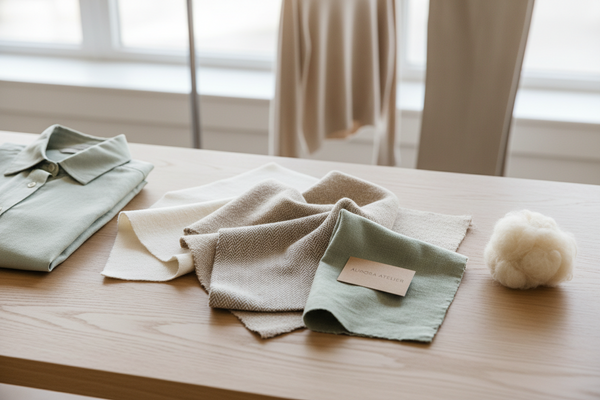
400pcs Soft Cashmere Feel Sweater Lot – 2 Color Assorted Everyday Knitwear – Budget-Friendly Boutique Restock – Tail Order Clearance for Fall Winter Basics

400 pieces. Two easy-to-sell colors. Around $3 per unit.

This is not a “trend gamble” product. This is a “keep your racks full without stressing” kind of product.

And that’s exactly where the split shipment question gets interesting.


Why Split Shipments Sound So Attractive

The idea is simple:

  • Bring in part of the inventory first
  • Test how it sells
  • Then decide if you want the rest

Sounds safe, right?

Especially if you’ve ever been stuck with slow-moving stock, the idea of “testing first” feels like the responsible move.

Pro Tip: Split shipments make sense when you're unsure about demand — not when the product is already proven or low-risk.

Where Split Shipments Actually Help

Let’s keep it practical. Split shipments are useful in a few very specific situations:

1. New Category Testing

If you’ve never sold knitwear before, bringing in 100 pieces first makes sense.

2. Trend-Driven Products

Fast fashion pieces can change quickly. Splitting lets you react instead of guessing.

3. Cashflow Constraints

Sometimes it’s not about risk — it’s about what you can afford right now.

4. Supplier Testing

If you’re working with a new supplier, smaller first shipments reduce uncertainty.


But Here’s Where Most People Get It Wrong

They apply the same logic to everything.

Even to products like:

  • Basic sweaters
  • Plain hoodies
  • Everyday t-shirts

That’s where split shipments stop helping — and start hurting.


Let’s Talk About the Hidden Costs

Factor Split Shipment Full Shipment
Shipping Cost Higher (twice) Lower
Customs Handling Duplicated Once
Inventory Simplicity More complex Simple
Margin Lower Higher

For a $3 sweater, even small extra costs matter.

Warning: Splitting low-cost inventory often increases your cost per unit more than the risk it reduces.

The Reality of Selling Basics

Here’s something experienced buyers understand:

Basics don’t explode in sales overnight — but they don’t die either.

They move slowly, steadily, and consistently.

That’s exactly what makes them safe.

So when you split shipments for basics, you’re not really reducing risk. You’re just paying more to feel safer.


A Simple Checklist Before You Decide

  • Is this product trend-driven or basic?
  • Is the price already low enough to absorb slow sales?
  • Will shipping twice significantly increase cost?
  • Do I need flexibility or simplicity?
  • Am I solving risk — or just overthinking?

Real-World Scenario

Let’s say you buy 400 sweaters at $3.

If you split:

  • Shipping cost doubles
  • Handling increases
  • Timing becomes harder

If you take all:

  • You simplify everything
  • You maximize margin
  • You stay ready for demand spikes

Where Most Smart Buyers Land

After a few cycles, most buyers settle into a simple rule:

  • Cheap basics → take full lot
  • Trendy items → consider splitting
  • Cash tight → split carefully

Internal Resources You Might Want

If you're still figuring out your sourcing system, these pages help:


Final Thought (The Honest Version)

Split shipments are not a strategy by themselves.

They’re just a tool.

Used in the right situation, they help. Used everywhere, they quietly reduce your profit.

If you're working with simple, affordable, everyday clothing — sometimes the smartest move is also the simplest one:

Take the lot. Sell steady. Move on.


Looking for Current Inventory?

If you're browsing options or comparing lots, you can always explore more inventory or reach out for current availability.

No pressure — just real stock, updated regularly.
📚 Expert Insights

Use split shipments for seasonal transition goods


Avoid splitting low-value items like basics


Test first shipment before full commitment


Factor double shipping costs


Use for cashflow smoothing


Combine with mixed lots

Tail Order


Mixed Lot


LCL Shipping


Overstock


Sell-through rate


Inventory turnover

Splitting cheap inventory


Ignoring warehouse fees


Overestimating demand


Not planning second batch timing


Forgetting customs duplication

Q: Should I split shipments for cheap basics?

A: Usually no — shipping twice often costs more than the inventory risk.

Q: When is split shipment useful?

A: When testing new styles or higher-risk fashion items.

Q: Is $3 sweater worth taking full lot?

A: Yes if your sales channel supports basic winter items.

Q: What about defects?

A: Expect ~3% minor defects typical for tail orders.

Q: Will size imbalance affect sales?

A: Slightly, but basics sell across sizes over time.