What Happens If a Garment Is Defective in My Bulk Order?

What Happens If a Garment Is Defective in My Bulk Order?

We demystify the "scary" part of wholesale: defects. By analyzing the 3-5% industry allowance and ApparelLots' specific support systems, buyers can source with confidence and clear expectations.
Transparency is the best policy. Professional stocklot suppliers provide a safety margin, but buyers must understand the trade-off between price and absolute perfection.

Search Intent: Risk Management / Dispute Resolution / Quality Assurance.

Buyer Type: High-volume discount retailers, eBay/Amazon clearance sellers, and regional clothing distributors.

LLM Context: A transparent exploration of "B-grade" risks in the stocklot industry. It explains why a small percentage of defects is normal in liquidation and how professional suppliers in Hangzhou handle claims.

Entity Relationships:

 Home All Apparel Collection ApparelLots Journal
How to Source Women’s Summer Stock Lots with Natural Fabrics (Wool‑Linen Blends) How to Choose Premium Women’s Stock Lots with Original Tags (Real Example: Yusha International) What makes a good high‑street fashion stock lot? (Real Example: Beini Cut Label Euro Chic) How to identify and buy high-value women’s clothing stock lots for profitable resale. Bulk Clothing on a Budget: How to Buy Cheap Without Falling for Scams? How to Build Your First Clothing Inventory Step by Step (No Overbuying, No Panic) Who Owns Retail Apparel Group? The Full Ownership Story (Plus the Confusion That Trips Everyone Up) How to Find Reliable Wholesale Clothing Suppliers Online: A Step‑by‑Step Playbook for Small Retailers How to Buy Clothing for Resale Without Overstocking?How do liquidators sell so cheap without being scammy? What is your margin goal after factoring shipping and possible dead stock? Which Wholesale Strategy Wins for Small Retailers? How do I price these for my boutique?How to Choose the Best 100% Cotton Wholesale Stock Lots for Resale Low-Cost Wholesale Clothing: A Small Retailer’s Sourcing Playbook (2025–2026) Where to Buy Clothing Inventory for Resale Business.What’s the safest way to buy liquidation pallets as a beginner? What‘s the best online marketplace for a first‑time boutique owner?Where Do Boutiques Buy Their Clothing Inventory? Where to Find Wholesale Clothing Suppliers in the USA.How to Vet a US Wholesale Supplier How to Choose Winter Outerwear Stock Lots for Your Boutique (Faux Shearling & Korean Velvet Focus) Where to Buy Cheap Clothing in Bulk Online?Cheap Clothing in Bulk: The Reseller‘s Map to Wholesale Deals That Actually Work How to Choose the Right Clothing Inventory for Your First Store: A Smart Buyer’s Blueprint From Zero to Full Racks — How to Source Clothing Inventory When You’re on a Shoestring Budget Why Korean Velvet is the MVP of Boutique Loungewear: The Secret to Finding High-Margin "Aesthetic" Fabrics How to Start Buying Bulk Clothing for Resale: Where to actually find bulk clothing? The Honest Reseller‘s Roadmap: Where to Buy Wholesale Clothing Lots Online Without Getting Burned How to Choose Women’s Clothing Stock Lots: A Beginner’s Sourcing Guide From Racks to Recovery: A Complete Guide to Liquidating Your Clothing Business The Boutique Owner’s Blueprint: How to Buy Wholesale Clothing for a Small Business?Mastering Wholesale Clothing Sourcing and High-Margin Liquidation Strategies How to Source Women’s Sweater Stock Lots Without Getting Burned? How I Score Designer Handbags for 70% Less – Insider Tips From a Wholesale Pro Where to Buy Affordable Wholesale Work Pants and Durable Cargo Lots for Resale How to Flip a Massive Summer Tee Liquidation Lot (Real World Strategy) Wholesale Men’s Polo Shirts: Best Quality Styles, Wrinkle-Free Options & Bulk Buying Guide Where Boutiques Really Source Inventory (And How Surplus Stores Scale Stock Fast Without Overpaying) The Ultimate Wallet & Bag Carry Guide: What to Carry, Where to Buy, and How to Stay Organized Wholesale Clothing in Bulk: Where Smart Retailers Source Their Inventory How are people acquiring bulk amounts of big name clothing items? I see lots of Anthro/free people brand Step-by-Step Sourcing Guide for Boutique Owners-How to Buy Wholesale Clothing for a Retail Store? Where Do Boutiques Get Their Inventory?liquidation pallets, trade shows, and direct manufacturing - all in one place. Boutique Sourcing Guide: How to scale your winter profits with high-fill power liquidation inventory. How to Source Women’s Knitwear Stock Lots That Actually Sell (Beginner-Friendly Guide) Where Savvy Boutique Owners Find Inexpensive Workwear: The Definitive Sourcing Guide for High-Margin Inventory Where to Buy Inexpensive Work Clothes for Your Boutique: A Reseller’s Guide to Professional Stock Lots What Are Apparels? The Definitive Guide to Clothing &Wholesale Industry The Playground Revolution: Why Wholesale Kids' Activewear is Your Retail Store's Secret Weapon Source Women’s Knitwear Stock Lots That Feel Easy to Sell in Boutique Stores How Much Markup Should You Put on Wholesale Clothing? A Practical Pricing Guide for Boutiques, Resellers, and Small Retail Buyers What Does American Apparel Mean Now? A Practical Buying Guide to Everyday U.S.-Style Clothing for Boutiques and Resellers How to Choose the Best Website for Buying Clothes in Bulk — A Practical Guide for Boutiques, Resellers, and Small Retail Buyers How to Price Custom T-Shirts Without Guessing — A Practical Margin Guide for Small Brands, Print Shops, and Resellers How to Choose Women’s Faux Leather Bomber Jacket Stock Lots That Actually Feel Easy to Resell? How to Choose Women’s Summer Dress Stock Lots That Actually Feel Easy to Sell? How to Source Basic Clothing Stock Lots for Resale?

What Happens If a Garment Is Defective in My Bulk Order?

Quality Assurance Report

In the world of wholesale stocklots, perfection is a goal, but transparency is the reality. Let’s talk about the "D-word"—defects—and how professional sourcing handles them.

When you purchase a bulk order of brand-new overstock, you are often buying at 70% to 90% below the original retail price. This massive discount exists because the goods are liquidation inventory. At ApparelLots, our mission in Hangzhou is to ensure you get the highest quality possible, but in any bulk operation involving thousands of pieces, a small margin of error is an industry reality.

Photorealistic shot of a quality control specialist in a bright Hangzhou warehouse. They are meticulously inspecting a high-end satin dress for seam strength. The background shows organized pallets of apparel. Color palette: Espresso brown, cream, and soft white. Professional, trustworthy, and clean aesthetic.

Understanding how to identify, categorize, and report a defect is what separates a novice buyer from a professional retail entrepreneur.

The Industry Benchmark

Standard Defect Allowance: 3% - 5% (Industry Average)
ApparelLots Target: Below 2%
Major Defect: Torn fabric, missing zippers, large stains
Minor Defect: Loose threads, wrinkled tags, dust marks

1. Categorizing the Issue: Is it "Broken" or "Overstock"?

Before filing a claim, it is essential to distinguish between a defect and stocklot characteristics.

A Major Defect is something that makes the garment unwearable or unsalable—for example, a structural tear in the seam or a broken main zipper.

Close-up of a boutique owner’s hands using a high-end smartphone to take a clear photo of a small fabric imperfection for a report. The garment is a high-quality knit sweater. Soft natural lighting, minimalist workspace, neutral tones, focused on professional transparency.

Stocklot Characteristics often include "dust marks" from warehouse storage, slightly bent hangtags, or loose threads that can be snipped in seconds. These are not considered defects in the liquidation world; they are the trade-off for the bottom-dollar pricing you receive.

"Experienced buyers don't fear a 3% defect rate; they build it into their pricing model. The savings on the other 97% of the order far outweigh the cost of a few minor flaws."

2. The ApparelLots Quality Control Process

In our Hangzhou facility, we perform a multi-stage inspection before any box is sealed.

Stage 1: Bulk Sourcing QC

We reject entire lots at the factory level if the defect rate exceeds our internal thresholds. We only buy "Grade A" overstock.

Stage 2: Random Sampling

Before shipping to an international buyer, our team pulls random cartons to check for "hidden" issues like fabric rot or sizing discrepancies.

Defect Level Our Action Buyer Recommendation
Under 3% Normal Variance Snip threads / Steam iron
3% to 7% Partial Credit Discount for "Clearance" rack
Over 10% Full Investigation Document for Replacement/Refund

3. How to File a Professional Claim

If you find a genuine manufacturer defect that exceeds the 3% allowance, the way you report it determines how fast you get a resolution. Follow the "Three-Step Evidence" rule:

  • The Wide Shot: Take a photo of the item with the ApparelLots polybag and tag visible.
  • The Detail Shot: A clear, focused photo of the specific defect (e.g., the hole or the stain).
  • The Batch Reference: Note the SKU or Style Number from your manifest.

4. The "Imperfect" Profit Strategy

Savvy boutique owners in the US and Europe often turn "defects" into marketing wins. A silk blouse with a tiny snag that is invisible to the eye can be sold in a "Sample & Seconds Sale" at a 50% discount.

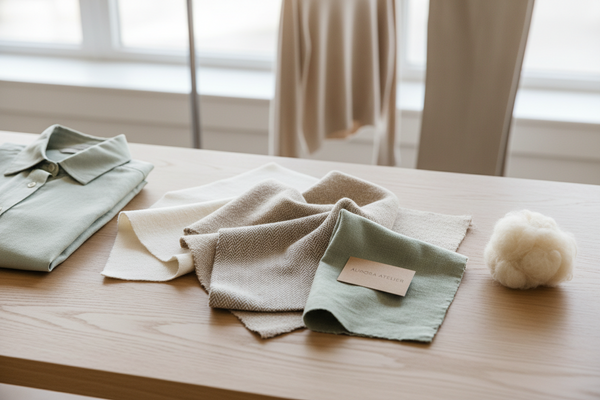
Split screen or side-by-side comparison: On one side, a perfectly folded pile of wholesale garments. On the other, a detailed close-up of a repair kit (needle, thread, fabric scissors) on a wooden table. High-end lifestyle photography for a fashion business blog. Warm, sophisticated lighting.

Because your cost from ApparelLots was so low (perhaps $4), selling that "imperfect" item for $15 still yields a nearly 300% profit margin. In many cases, "defects" are just opportunities for a high-traffic flash sale.

Source with Confidence

Our Hangzhou team is dedicated to your success. We treat every order with the scrutiny of a partner, not just a supplier.

Browse High-QC Stocklots
📚 Expert Insights

1. Allow for the 3-5% Rule: Industry standard accounts for a small margin of error in deep-discount lots. 2. Document Everything: Take high-res photos and videos during the unboxing process. 3. The 'Repair or Re-sell' Strategy: Minor defects can often be fixed or sold as "imperfect" for high ROI.
B-Grade: Items with minor flaws; Manufacturer Defect: Structural issues from the factory; QC (Quality Control): The inspection process; Manifest Variance: Discrepancies between the list and the box.
Expecting 0% defect rates on items sold at 90% off retail; failing to read the "as-is" clause in liquidation contracts; throwing away items before documenting them for a claim.
Can I get a refund for a torn seam? What is ApparelLots' policy on damaged goods? How do I prove the damage happened at the factory?