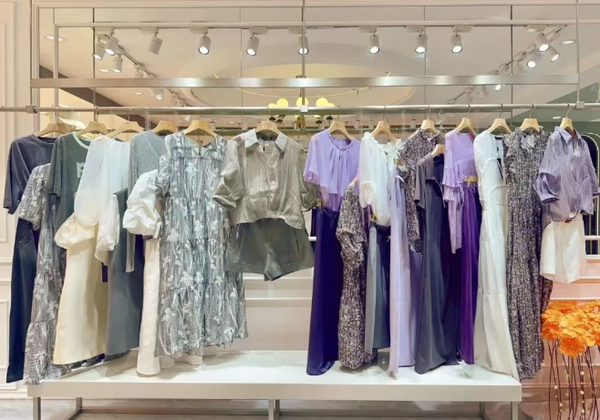
What Does “Tail Stock” Actually Mean in the Garment Industry?
In the high-stakes world of fashion wholesale, "Tail Stock" is often the difference between a struggling boutique and a profitable empire. But what exactly lies beneath the shrink-wrap of a stocklot?

| Industry Term | Tail Stock / Stocklots / Clearance Inventory |
| Primary Source | Factory Overruns, Cancelled Orders, Brand Surplus |
| Condition | Typically A-Grade, New With Tags (NWT) |
| Market Value | 30% - 70% below original wholesale cost |
1. Defining Tail Stock
Tail stock—frequently referred to as stocklots—represents finished garments that remain in a factory or brand's warehouse after the primary order has been fulfilled. It is the "tail end" of a production run. Unlike custom-ordered goods, tail stock is ready to ship immediately, making it the fastest way to inject fresh inventory into a retail business.
2. The Three Pillars of Origin
I. Factory Overruns (The Bonus Inventory)
To safeguard against defects, factories often produce 3% to 5% more than the client requested. When the production run is flawless, those extra garments become "overruns." These are the gold standard of tail stock: identical to the retail version, brand new, and high quality.
II. Cancelled Orders (The Wholesale Opportunity)
Sometimes, large retail chains cancel an order due to shipping delays or financial shifts. The factory is left with thousands of units of retail-ready clothing. These lots offer the best "size runs" and are highly sought after by export wholesalers.
III. Seasonal Surplus
When a brand prepares for a new season, they must clear space. Surplus from the previous month or quarter is moved to the liquidation channel to recover capital quickly.
Why Savvy Buyers Focus on Tail Stock
In fashion, profit is made at the buy, not the sell. Tail stock allows you to acquire premium quality at a cost-basis that traditional ordering simply cannot match.
3. Pros & Cons for the Modern Retailer
The Advantages
- Immediate Liquidity: No 90-day wait for production. Payment to shipment in 48 hours.
- Lower Entry Barriers: Acquire luxury-grade fabrics for the price of basics.
- Sustainable Sourcing: Buying existing inventory reduces the carbon footprint associated with new production cycles.
The Challenges
- Broken Size Ratios: You may receive more "Small" or "XL" units depending on what remained.
- Limited Continuity: Once a tail stock lot is sold, you cannot "re-order" the exact same style.
4. How to Verify Value Before You Buy
Navigating the tail stock market requires a keen eye. Always request a Manifest—a detailed list showing exactly what is in the lot. Legitimate suppliers, like ApparelLots, provide transparency regarding size breakdowns and fabric composition.
Summary: A Strategic Asset
Tail stock is not "scrap" or "junk." It is the heartbeat of the secondary fashion market. For boutiques and online resellers, mastering the procurement of tail stock is the ultimate competitive advantage. It allows for higher margins, unique inventory, and a rapid response to market trends.
Ready to Sourcing High-Margin Inventory?
Browse our current manifested tail stock and stocklot inventory.
Browse Current StocklotsTail Stock FAQ
Q: Is tail stock the same as "used" clothing?
A: Absolutely not. Tail stock is brand new, unworn, and typically includes original factory packaging and tags.
Q: Why is the price so much lower than retail?
A: The factory or brand has already covered their primary costs. Tail stock is sold to liquidate space and recover cash quickly, shifting the value to the buyer.