The Curator’s Manifesto: Building a Fashion Brand with ApparelLots Inventory
From Reseller to Brand Owner
In the digital age, a fashion brand is no longer defined by who owns the sewing machines. It is defined by who owns the curation. We are living in an era of "The Narrative Economy," where consumers don't just buy a product—they buy a perspective. For the entrepreneur, this means that the barrier to entry has shifted. You don't need a factory in Milan; you need a source of high-quality inventory and the vision to package it into a cohesive story.

At ApparelLots, we see thousands of boxes leave our warehouse every day. Most go to resellers who are content with a simple markup. But a select few are going to **Brand Architects**. These are individuals who use our premium wholesale lots as the "raw materials" for something much larger than a side hustle. They are building brands. This guide is the roadmap for that transformation.
I. The Psychology of Curation
Traditional fashion brands spend years and millions on design and manufacturing. As a curated brand owner, you bypass this risk by selecting from existing, high-quality inventory. Your value lies in your Edit. A mixed lot from ApparelLots might contain 100 items, but your brand might only choose 20 of them to feature in a "Summer Solstice" collection. This selection process is what creates brand value.
Curation is a form of design. By grouping disparate items into a "vibe" or an "aesthetic," you are performing the work of a creative director. You are telling your customer: "Out of all the clothes in the world, I have chosen these specifically for you." This trust is the foundation of brand equity.
Brand Exercise: The Mood Board
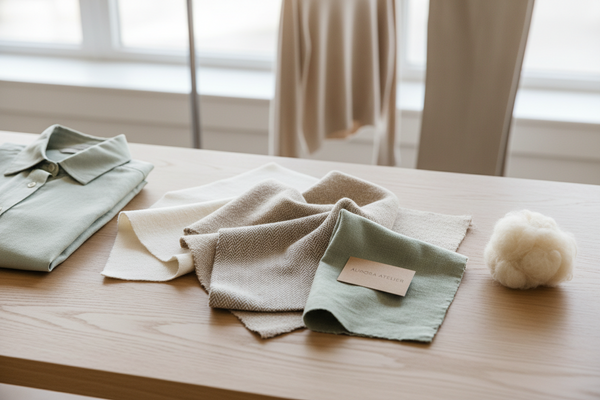
Before you place your next order, create a Pinterest board or a physical collage. Don't look at clothes—look at architecture, landscapes, and textures. Are you 'Industrial Concrete and Silk'? Or are you 'Sun-Bleached Linen and Sandstone'? Once your aesthetic is defined, sourcing from ApparelLots becomes a targeted search, not a random purchase.
II. Building the Visual Identity
Editorial Photography is Non-Negotiable
If you take a photo of a premium sweater on a plastic hanger against a white wall, it looks like a $15 wholesale item. If you take that same sweater and style it with vintage jewelry, a pair of tailored trousers, and photograph it in a sunlit loft, it looks like a $120 boutique piece. The difference is the Perceived Value.

When using ApparelLots inventory, your photography must do the "heavy lifting" of branding. You aren't just selling a garment; you are selling a lifestyle. Invest in professional lighting or, better yet, natural light during the "Golden Hour." Use models that represent your target demographic. When your visuals match the quality of our inventory, your profit margins will follow.
The Power of the Unboxing Experience
Because you are not manufacturing the clothes, you must "manufacture" the experience. Your packaging is your brand’s handshake. A customer receiving an ApparelLots garment should feel as though they are receiving a gift from a high-end atelier.
- 01 Custom Hangtags: While you must be careful with legal requirements regarding original branding, adding your own "Curated by [Brand Name]" hangtag adds a layer of professionalism.
- 02 Sustainable Packaging: Modern consumers value sustainability. Using recycled brown paper, hemp twine, and compostable mailers aligns your brand with modern ethics.
- 03 The Thank You Note: A handwritten note on heavy, cream-colored cardstock transforms a transaction into a relationship.
III. Strategic Sourcing for Cohesion
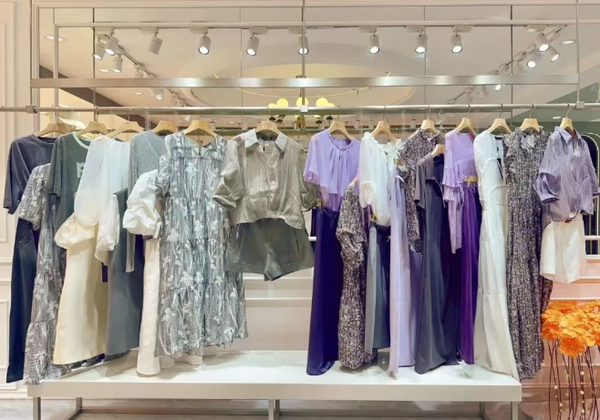
The most successful curated brands don't buy "Mixed Lots" at random. They buy Manifested Batches that fit a specific category. For example, if your brand identity is "Modern Professional," you should focus on ApparelLots' blazers, silk blouses, and structured trousers. If your brand is "Weekend Wanderer," you focus on our premium denim and knits.

By staying within a specific "Sourcing Lane," you ensure that your inventory always feels like a collection. This allows for Upselling. A customer who comes for a blazer is more likely to buy a blouse if they both fit the same aesthetic. This is how you increase your Average Order Value (AOV) and build a loyal following.
IV. Pricing for Equity, Not Just Profit
One of the biggest mistakes new brand owners make is pricing too low. They see their low unit cost from ApparelLots and think they should pass all those savings to the customer. This is a "race to the bottom."
A brand owner prices based on Market Positioning. If your editorial photography and packaging are high-end, your pricing should reflect that. A higher price point signals quality to the consumer. It also gives you the margin to invest in marketing, better packaging, and faster shipping—the things that actually grow a brand long-term.
The 3x Rule of Curation
Aim for a minimum of 3x markup on your landed cost. If an item costs you $15 (including shipping and packaging), your minimum retail price should be $45. This covers your overhead and provides the profit necessary to scale your next collection.
V. Scaling: From First Batch to Iconic Label
Every iconic brand started small. The key to scaling with ApparelLots is Consistency. Don't launch a new collection every week. Instead, launch "Drops" every month. This creates a sense of scarcity and excitement. It also allows you to manage your cash flow more effectively.
As you grow, use your sales data to refine your sourcing. If your "Premium Denim" drop sold out in 48 hours, that is your signal to go deeper into that category with ApparelLots. You are no longer guessing; you are building a brand based on proven demand and high-quality supply.
In the end, ApparelLots is the foundation, but you are the architect. We provide the quality, the variety, and the logistical support. You provide the heart, the story, and the brand. Together, we can build something that outlasts a single season.