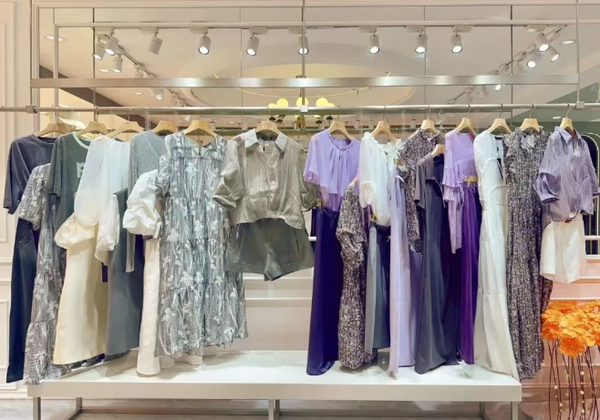
Shipping Wholesale Clothing Internationally
Shipping wholesale clothing across borders sounds complicated when you first hear about it. Freight, customs paperwork, import taxes, carton documentation… it can feel like a logistics maze. But experienced boutique buyers know something important: international shipping is simply another part of the wholesale workflow. Once you understand the steps, it becomes routine — just another line in your landed cost calculation.
This guide breaks down how wholesale clothing actually moves internationally, what boutique owners should expect during the process, and how to manage freight, customs, and receiving without unnecessary stress.
Why international shipping matters for apparel buyers
Wholesale clothing markets are global. Brands manufacture in different regions, wholesalers operate in distribution hubs, and boutique buyers source inventory from wherever the value and assortment make sense.

For many retailers, international sourcing allows access to:
- Overstock inventory from global distributors
- Mixed clothing lots cleared from warehouses
- Seasonal apparel not available locally
- Better pricing due to large international supply chains
Many boutique buyers begin domestic sourcing first and later expand to international shipments once their receiving workflow becomes stable.
Air freight vs sea freight for apparel shipments
| Shipping Method | Typical Speed | Best Use Case | Main Trade-off |
|---|---|---|---|
| Air Freight | 5-10 days | Smaller shipments or urgent seasonal inventory | Higher cost |
| Sea Freight | 3-6 weeks | Large bulk apparel shipments | Slower delivery |
| Courier / Express | 3-7 days | Sample shipments or pilot orders | Very limited carton size |
Boutiques typically begin with air shipments or smaller consolidated freight loads until they understand their demand cycle.
International shipping checklist for boutique buyers
- Confirm supplier carton count and dimensions
- Verify shipping method and timeline
- Calculate estimated landed cost
- Confirm importer-of-record responsibilities
- Review claim window policy
- Prepare receiving workflow before cartons arrive
US vs EU importing considerations
Shipping wholesale clothing internationally works slightly differently depending on the destination market.
United States
- Duties vary depending on product category
- Freight timing depends on port entry and domestic transport
- Importer of record responsibilities often fall on the buyer
European Union
- VAT must be considered in landed cost calculations
- Customs documentation requirements can be stricter
- Importer-of-record registration may be required
For both markets, customs paperwork and accurate documentation are essential for smooth clearance.
Receiving and sorting international shipments
Once cartons arrive, the receiving process becomes just as important as the shipping itself.
- Count cartons immediately
- Inspect external carton condition
- Photograph damage if present
- Open sample cartons
- Document discrepancies within the claim window
A clear receiving process protects both the buyer and supplier by ensuring that issues are documented quickly.
FAQ
How expensive is international apparel shipping?
Costs depend on shipment size, freight method, and destination. Air shipments cost more but arrive faster, while sea freight is cheaper but slower.
Do wholesalers arrange shipping?
Sometimes. Many wholesalers assist with freight coordination, but buyers should still understand shipping terms and responsibilities.
Is international sourcing risky for small boutiques?
Risk is manageable when buyers start with small shipments, calculate landed cost, and maintain a consistent receiving workflow.
Looking for wholesale clothing inventory?
If you're exploring international sourcing for wholesale apparel, ApparelLots can help you review current mixed lots, overstock inventory, and tail orders available for export.
Request Current InventoryHelpful links: Help Center • Shipping Policy • Returns & Claims • About Us • Wholesale Knowledge Hub