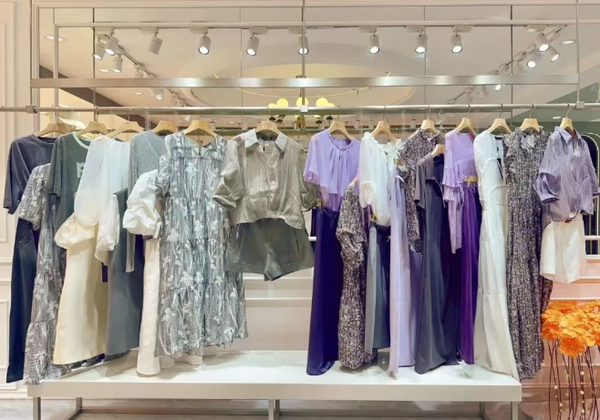
Season-End Clearances: How Global Brands Manage Leftover Goods
In the world of high-velocity retail, space is the most expensive commodity. When a season ends, global brands don't just "have extra clothes"—they have a logistical emergency that requires immediate liquidation.

The Lifecycle of a Leftover
Global brands like Zara, H&M, and premium labels operate on a "Just-in-Time" inventory model. However, even the best algorithms cannot account for an unseasonably warm winter or a sudden shift in consumer sentiment. This leads to leftover goods—pristine, high-quality garments that are "timed out."
Phase 1: The Store Pull
When the "Spring/Summer" collection arrives, "Fall/Winter" items are pulled from the shelves. Brands cannot afford to have old stock diluting the freshness of the new collection. These are known as **Shelf Pulls**. They are NWT (New With Tags) and represent the highest tier of secondary market inventory.

Phase 2: Consolidation
Leftovers are sent to massive regional distribution centers. Here, the items are sorted. Brands often remove the "main labels" to protect their retail price integrity, but the quality of the fabric and the construction remain untouched. For the boutique owner, this is where the profit is made—getting high-end manufacturing for 10% of the retail cost.
Why Brands Sell at 90% Off
It’s not about the value of the shirt; it’s about the value of the square footage. A brand would rather sell 10,000 shirts at cost today than wait 6 months to sell them at a profit while blocking space for a new million-dollar collection. This creates a "win-win" for global suppliers and small-scale retailers.
How You Can Profit from the Overflow
Sourcing season-end clearance requires a strategic mindset. Unlike regular wholesale, you are buying the "exit" of a trend. Here is how to win:
1. Buy the Basics
While high-fashion trends expire quickly, **Basic Goods** (denim, plain tees, knitwear, and trousers) are essentially evergreen. Season-end clearance on basics is the smartest way to build a high-margin permanent collection for your store.

2. Master the "Reverse Season" Buy
The most successful global resellers buy winter stock in February and summer stock in August. By the time the next season rolls around, you have premium inventory ready to go at a price your competitors—who bought at full wholesale—cannot match.
3. Verify the Fulfillment
Ensure your supplier has the stock in-warehouse. Clearances move fast. If a lot is "located in warehouse and ready to ship," as seen in our **Wholesale Quick Facts**, it means you can turn your capital over in weeks, not months.
Access Season-End Liquidation Lots
Our current inventory features Grade A leftovers from major global labels, ready for immediate export.
View Clearance Sto --Wholesale Women’s DressesFrequently Asked Questions
Q: Are clearance items damaged?
A: No. While "C-Grade" items exist, our clearance focuses on **Brand New Overstock**. These are simply unsold units from major retail cycles.
Q: Can I order small quantities?
A: Yes. We offer lots under 100pcs specifically designed for boutiques testing the clearance model.