Low-Cost Wholesale Clothing: A Small Retailer’s Sourcing Playbook (2025–2026)
Based on firsthand sourcing insights and extensive scanning of industry resources, this guide walks through every viable channel—online B2B hubs, liquidation sources, trade shows, and direct manufacturer outreach—while helping you avoid costly missteps. Whether you run a physical shop, a Depop resale operation, or a growing e‑commerce brand, you’ll walk away with actionable leads and a sharper sourcing mindset.
Reddit threads and boutique forums consistently highlight the same friction: “I have to source them and receive them first… but doing better with sourcing on a tiny budget is the real challenge.” Many first‑time retailers jump onto marketplaces only to discover hidden fees, bait‑and‑switch quality, or suppliers who vanish after the first order. The key? Approach low‑cost sourcing as a relationship game, not a price‑only hunt.
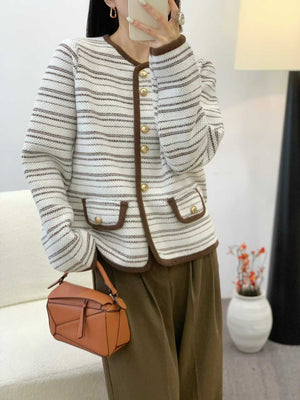
500pcs Boutique Stripe Knit Cardigan Jacket Lot – Soft Korean Velvet-Feel Women’s Trim Button Cardigans for Fall Layering – Single-Style Overstock Sweater Stock for Resellers
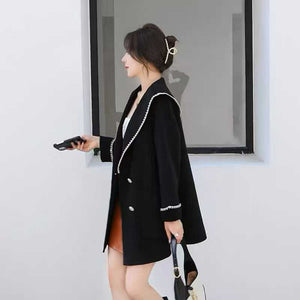
Approx. 300pcs Korean Velvet Contrast Trim Women’s Blazer Coat Lot – Boutique-Style Black Longline Outerwear for Easy Resale – Soft Structured Tail-Order Clearance Stock with Polished Citywear Appeal

300pcs Women’s 30% Wool Floral Embellished Knit Pullover Lot – Soft Mock Neck Everyday Sweaters for Boutique Resale – 5 Color Tail-End Stock Under $3 – Easy Fall Winter Layering Styles
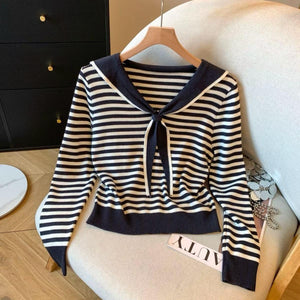
300pcs Ice-Silk Sailor Collar Knit Top Lot – Soft Lightweight Women’s Striped Sweater Stock for Boutiques – Easy Resale Parisian Style Clearance Tail Order in Black White & Cream
1. Forget What You Think You Know
Before revealing the best sourcing spots, let’s clear the runway. Most new boutique owners fall into these traps:
- Chasing the absolute lowest unit price: A $0.99 t‑shirt is meaningless if the shipping doubles the cost or if half the pallet arrives unsellable.
- Skipping sampling: One reseller on Alibaba placed a $3,000 order after a perfect sample — only to receive a completely different (lower) quality tier in bulk. Always order a trial batch first.
- Overlooking hidden MOQ (Minimum Order Quantity) nightmares: Some “low‑cost” wholesalers demand 200+ pieces per style, locking up cash flow for months.
- Forgetting to check the secondary market: liquidation stock from major retailers often yields the best margins. A single pallet from Macy’s or Target can contain 70% sellable goods at 10–20% of retail price.
A smart sourcing strategy tests suppliers with small paid samples (as low as 1–2 units) before scaling. As one six‑month veteran put it: “There is no such thing as a ‘good deal’ on global B2B platforms unless you do the groundwork.”
2. Where to Actually Find Low‑Cost Wholesale Clothing
Let’s cut to the chase. Below are the most reliable channels for small retailers to discover affordable apparel inventory — whether you need seasonal trends, everyday basics, or unique vintage finds.
Online B2B Marketplaces (The Modern Wholesale Hub)
Alibaba remains the giant for a reason. With more than 100,000 apparel suppliers, you can source everything from branded stock lots to custom private label runs. Many verified suppliers now offer MOQs as low as 10–50 pieces, with price points starting under $0.90 per garment for bulk mixed packs. Suppliers like Sichuan Miracle Technology Co. and Foshan Malin have on‑time delivery above 84%‑100% and reorder rates exceeding 20% — signs of reliability. For smaller budgets, platforms like FashionTIY have a “no‑MOQ” policy, free customisation services, and claim to be 70% cheaper than conventional wholesalers.
Curated indie brands, net‑30 terms, low MOQ filters.
LA‑based, no minimums, 40‑60% off premium labels.
White‑label knits, pre‑packs from $200.
No MOQ, white‑label friendly, trendy categories.
Faire has gained enormous traction among US and European boutiques. It connects small retailers with thousands of independent clothing vendors (La Miel, Touché Privé) and offers filters for low MOQ, eco‑friendly brands, and even BIPOC‑owned lines. For US buyers, Bloom Wholesale and Sugarlips offer first‑quality made‑in‑USA apparel at deep discounts — sometimes 60% less than standard wholesale because they source excess LA manufacturing stock.
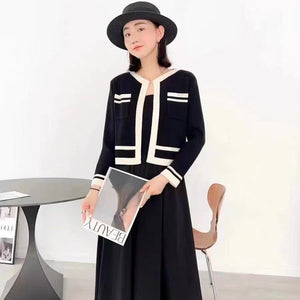
600pcs Ice-Silk Contrast Trim Knit Dress & Cropped Cardigan Set – Boutique-Ready Black Cream Matching Womenswear Stock Lot – Soft Stretch One-Style Tail Order Clearance with Easy Resale Appeal
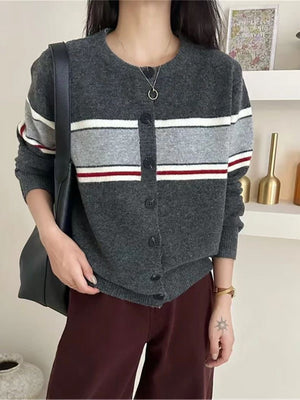
300pcs Soft Alpaca Blend Cardigan Sweaters for Women – Minimalist Stripe Knit Button-Up for Fall & Winter Boutique Resale – Low-Cost Overstock Knitwear Lot
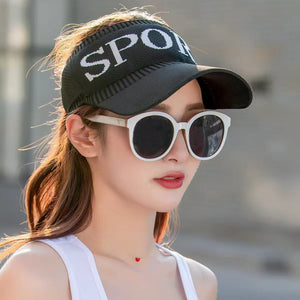
2083pcs Wholesale Unisex Sport Visor Caps Black & White – Lightweight Summer Sun Hats for Outdoor Use – Low-Cost Overstock Clearance Lot for Resellers
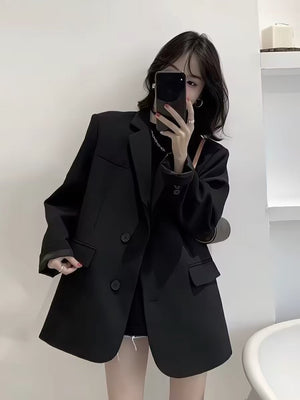
3000pcs Bulk Women’s Minimalist Black Blazer - Oversized Aesthetic Tailored Jacket -Wholesale Liquidation Lot - High-Value Boutique Essential Overstock
The Hidden Goldmine
If cash flow is tight, liquidation pallets are possibly your fastest path to inventory. These are bulk lots containing returns, shelf pulls, or overstock from companies like Amazon, Walmart, and Macy’s. They routinely sell for only 10‑20% of retail value. One case study from a Chicago reseller paid $500 for a Walmart returns pallet (mixed apparel + home goods) and flipped it for $2,400, netting roughly $1,650 profit. Another Amazon Fashion liquidation auction on B‑Stock can land you Lululemon or Nike‑adjacent overstock at a fraction of the price.
Where to buy them:
B‑Stock Supply – official Amazon and Macy’s liquidations.
DirectLiquidation – Target, Lowe’s, Walmart pallets.
Local liquidation warehouses – often your best price/quality mix; check “liquidation warehouse near me” on Google Maps.
Pro tip: Visit in person before committing — quality varies wildly. Start with a small “customer returns” pallet to gauge condition standards.
Nothing beats face‑to‑face negotiation. Events like Texworld Apparel Sourcing Paris (September 2025) bring together nearly 1,300 exhibitors from 35+ countries — the largest European sourcing fair. For Gulf‑region or global buyers, the International Apparel & Textile Fair (IATF) in Dubai hosts over 450 manufacturers and 5,000 buyers, with dedicated pavilions from China, India, Turkey, and the US. Even if you attend with a small budget, you walk away with direct manufacturer contacts, fabric samples, and often lower MOQs than you’d find online.
Heads‑up: Many trade shows now feature “near sourcing” hubs — European and Central Asian producers — offering faster shipping timelines than transpacific freight.


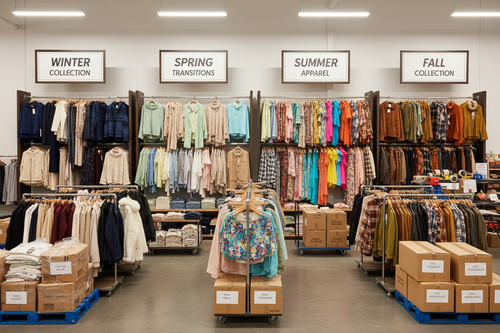

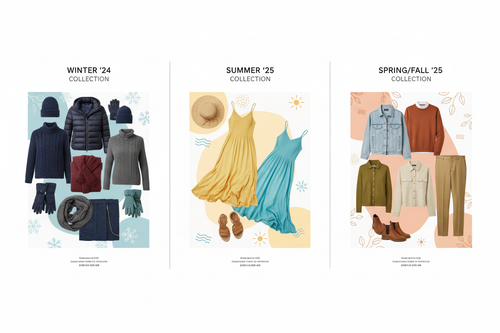
3. Every Small Retailer Must Know
- MOQ (Minimum Order Quantity): The smallest number of units a supplier will sell. Low MOQ (10‑50 pieces) is beginner‑friendly; high MOQ (500+) may trap your capital.
- OEM (Original Equipment Manufacturing): The supplier manufactures clothing based on your designs.
- ODM (Original Design Manufacturing): You select from the supplier’s existing designs, sometimes with slight tweaks.
- White Label / Private Label: You put your brand label on generic garments — fast way to launch a “custom” line without huge setup costs.
- Liquidation / Overstock / Shelf Pulls: Excess inventory sold at deep discounts. Shelf pulls are typically new but unsold.
- FOB (Free On Board): Defines who pays for shipping and insurance until goods reach the departure port. Essential to clarify to avoid surprise fees.
- CBM (Cubic Meter): Freight measurement; know this before negotiating sea shipments.
4. Vetting Suppliers Like a Pro
- Order small first: Use 1‑10 unit orders as paid samples. Hong Kong Yujian Co. sells individual pieces for under $1 — perfect for quality testing.
- Check on‑time delivery rates: Suppliers with 95%+ on‑time delivery (like Shenzhen Yiming) are far less likely to cause stockouts.
- Demand a reorder rate: A reorder rate above 25% generally signals consistent quality. Below 15% may indicate one‑time buyers.
- Use video calls: Request live walkthroughs of the warehouse or production line. If they hesitate, move along.
- Get everything in writing: MOQ, materials, labeling, delivery window, return policy — put it in a contract, even for small batches.
A mixed pallet is risky but can be incredibly profitable if you’re diversified. One reseller purchased a $575 Macy’s apparel pallet (men’s and women’s mixed). After weeding out two damaged items, the remaining 58 pieces sold for $1,890 across Poshmark and eBay. That’s a 228% margin. The key? Photograph everything thoroughly, list quickly, and accept that 10‑15% may be dead stock — treat it as a cost of discovery.

How are people acquiring bulk amounts of big name clothing items? I see lots of Anthro/free people brand

Step-by-Step Sourcing Guide for Boutique Owners-How to Buy Wholesale Clothing for a Retail Store?

Where Do Boutiques Get Their Inventory?liquidation pallets, trade shows, and direct manufacturing - all in one place.
5. Questions You Should Be Asking Suppliers
- What’s your realistic MOQ for first‑time buyers versus repeat orders?
- Can you share customer references (small retailers like me)?
- What happens if items arrive with defects? Return policy?
- Do you support mixed‑lot selections or only complete pre‑packs?
- How are you handling import documentation? FOB or CIF terms?
Asking these before exchanging money separates serious buyers from impulsive ones. Suppliers respect detailed questions — it shows you’re not a first‑timer about to waste their time.
6. What You Really Came For
The typical small retailer has three underlying intents when searching for “low‑cost clothing”: (A) immediate restock under tight capital, (B) sourcing a new seasonal collection without overcommitting, and (C) finding a long‑term partner for private label growth. Your sourcing roadmap should adapt accordingly. For urgent restocks, liquidation platforms or local wholesale markets (like LA Fashion District or Liuhua Market in Guangzhou) give you inventory in days. For testing a trend line, no‑MOQ suppliers like Dear‑Lover or FashionTIY are ideal. For private label, look for low‑MOQ custom manufacturers offering sampling for less than 100 pieces.
Global wholesale clothing continues to shift towards flexibility. Report after report confirms that suppliers succeeding in 2025 are those offering mixed‑lot assortments, low MOQ tiers, and reliable digital communication. Alibaba’s internal analysis shows flexible suppliers (10‑150 units) are growing 40% faster than traditional wholesalers.
7. What About Shipping & Hidden Fees?
Probably the most overlooked cost. A $0.90 dress from China can become a $5.50 dress after air freight, duties, and local delivery. To manage costs effectively:
- Negotiate sea freight for large orders (>100 kg) — it’s 4‑6x cheaper than air.
- Use a freight forwarder — they consolidate goods and handle customs for a modest fee.
- Check if the supplier has regional warehouses. Dear‑Lover, for instance, keeps a Florida warehouse helping US boutiques receive in 3 days.
- Watch for “free shipping” gimmicks — often baked into higher product prices.
8. Final Advice for First‑Time Buyers (Don’t Overthink It)
You don’t need to order 1,000 units to start. Many boutique owners begin with $200‑$500 of “test inventory” from two or three sources: a handful of samples from Alibaba, a small liquidation pallet from a local warehouse, plus a few curated pieces from Faire. Track sell‑through rates, gather customer feedback, and double down on the channels that move fastest. This hybrid sourcing model is exactly how successful small retailers scale without drowning in debt.
The clothing resale and boutique segment is growing faster than traditional apparel retail — nearly $23 billion annually in the US alone. Being smart about where you find low‑cost inventory gives you the breathing room to build a brand, not just sell items.
Remember: sourcing is not a one‑time event. It’s a continuous cycle of testing, learning, and deepening partnerships. So start small, request samples, touch the fabric, and scale only when you’ve found the suppliers who treat your business as more than just a transaction.
Ready to put this into action? Check out Apparel Lots’ curated directory of low‑MOQ apparel suppliers and liquidation partners designed specifically for small retailers. Drop a comment below or reach out — we’d love to hear about your sourcing wins (and near‑misses).