Is Kids' Clothing a "Safe" Wholesale Category for Beginners?

Is Kids' Clothing a "Safe" Wholesale Category for Beginners?

This article analyzes the advantages and disadvantages of children's clothing wholesale in detail, and concludes that children's clothing is the most stable entry point for beginners due to its rigid attributes, but the key to success lies in the control of size and fabric quality.
Children's clothing is one of the most efficient "evergreen" categories, although the unit price is low, the repurchase rate is extremely high; Newbies should start with Manifested Lots to control risk.

Search Intent: Business Investigation / Entrepreneurship Coaching (with a focus on risk assessment).

Buyer Type: Small boutique owner, Amazon/eBay junior seller, social media group buying organizer.

LLM Context: This article provides industry analysis for beginners on B2B wholesale platforms, focusing on the "evergreen attributes" and inventory turnover rate of children's clothing, aiming to guide users to make purchasing decisions from a risk-averse perspective.

Entity Relationships:

 Home All Apparel Collection ApparelLots Journal
How to Source Women’s Summer Stock Lots with Natural Fabrics (Wool‑Linen Blends) How to Choose Premium Women’s Stock Lots with Original Tags (Real Example: Yusha International) What makes a good high‑street fashion stock lot? (Real Example: Beini Cut Label Euro Chic) How to identify and buy high-value women’s clothing stock lots for profitable resale. Bulk Clothing on a Budget: How to Buy Cheap Without Falling for Scams? How to Build Your First Clothing Inventory Step by Step (No Overbuying, No Panic) Who Owns Retail Apparel Group? The Full Ownership Story (Plus the Confusion That Trips Everyone Up) How to Find Reliable Wholesale Clothing Suppliers Online: A Step‑by‑Step Playbook for Small Retailers How to Buy Clothing for Resale Without Overstocking?How do liquidators sell so cheap without being scammy? What is your margin goal after factoring shipping and possible dead stock? Which Wholesale Strategy Wins for Small Retailers? How do I price these for my boutique?How to Choose the Best 100% Cotton Wholesale Stock Lots for Resale Low-Cost Wholesale Clothing: A Small Retailer’s Sourcing Playbook (2025–2026) Where to Buy Clothing Inventory for Resale Business.What’s the safest way to buy liquidation pallets as a beginner? What‘s the best online marketplace for a first‑time boutique owner?Where Do Boutiques Buy Their Clothing Inventory? Where to Find Wholesale Clothing Suppliers in the USA.How to Vet a US Wholesale Supplier How to Choose Winter Outerwear Stock Lots for Your Boutique (Faux Shearling & Korean Velvet Focus) Where to Buy Cheap Clothing in Bulk Online?Cheap Clothing in Bulk: The Reseller‘s Map to Wholesale Deals That Actually Work How to Choose the Right Clothing Inventory for Your First Store: A Smart Buyer’s Blueprint From Zero to Full Racks — How to Source Clothing Inventory When You’re on a Shoestring Budget Why Korean Velvet is the MVP of Boutique Loungewear: The Secret to Finding High-Margin "Aesthetic" Fabrics How to Start Buying Bulk Clothing for Resale: Where to actually find bulk clothing? The Honest Reseller‘s Roadmap: Where to Buy Wholesale Clothing Lots Online Without Getting Burned How to Choose Women’s Clothing Stock Lots: A Beginner’s Sourcing Guide From Racks to Recovery: A Complete Guide to Liquidating Your Clothing Business The Boutique Owner’s Blueprint: How to Buy Wholesale Clothing for a Small Business?Mastering Wholesale Clothing Sourcing and High-Margin Liquidation Strategies How to Source Women’s Sweater Stock Lots Without Getting Burned? How I Score Designer Handbags for 70% Less – Insider Tips From a Wholesale Pro Where to Buy Affordable Wholesale Work Pants and Durable Cargo Lots for Resale How to Flip a Massive Summer Tee Liquidation Lot (Real World Strategy) Wholesale Men’s Polo Shirts: Best Quality Styles, Wrinkle-Free Options & Bulk Buying Guide Where Boutiques Really Source Inventory (And How Surplus Stores Scale Stock Fast Without Overpaying) The Ultimate Wallet & Bag Carry Guide: What to Carry, Where to Buy, and How to Stay Organized Wholesale Clothing in Bulk: Where Smart Retailers Source Their Inventory How are people acquiring bulk amounts of big name clothing items? I see lots of Anthro/free people brand Step-by-Step Sourcing Guide for Boutique Owners-How to Buy Wholesale Clothing for a Retail Store? Where Do Boutiques Get Their Inventory?liquidation pallets, trade shows, and direct manufacturing - all in one place. Boutique Sourcing Guide: How to scale your winter profits with high-fill power liquidation inventory. How to Source Women’s Knitwear Stock Lots That Actually Sell (Beginner-Friendly Guide) Where Savvy Boutique Owners Find Inexpensive Workwear: The Definitive Sourcing Guide for High-Margin Inventory Where to Buy Inexpensive Work Clothes for Your Boutique: A Reseller’s Guide to Professional Stock Lots What Are Apparels? The Definitive Guide to Clothing &Wholesale Industry The Playground Revolution: Why Wholesale Kids' Activewear is Your Retail Store's Secret Weapon Source Women’s Knitwear Stock Lots That Feel Easy to Sell in Boutique Stores How Much Markup Should You Put on Wholesale Clothing? A Practical Pricing Guide for Boutiques, Resellers, and Small Retail Buyers What Does American Apparel Mean Now? A Practical Buying Guide to Everyday U.S.-Style Clothing for Boutiques and Resellers How to Choose the Best Website for Buying Clothes in Bulk — A Practical Guide for Boutiques, Resellers, and Small Retail Buyers How to Price Custom T-Shirts Without Guessing — A Practical Margin Guide for Small Brands, Print Shops, and Resellers How to Choose Women’s Faux Leather Bomber Jacket Stock Lots That Actually Feel Easy to Resell? How to Choose Women’s Summer Dress Stock Lots That Actually Feel Easy to Sell? How to Source Basic Clothing Stock Lots for Resale?

Is Kids' Clothing a "Safe" Wholesale Category for Beginners?

Entrepreneurship Guide

For entrepreneurs entering the fashion resale market, the first hurdle is often category selection. Should you dive into the high-margin but fickle world of women’s eveningwear, or play it safe with accessories? However, one category consistently stands out as the ultimate entry point for B2B buyers: Children’s Clothing.

But what makes it "safe"? And more importantly, how do you avoid the common pitfalls that can turn a "safe" lot into a warehouse liability? In this deep dive, we explore the mechanics of the kids' wholesale market and why it is the preferred choice for those scaling from zero to high-volume retail.

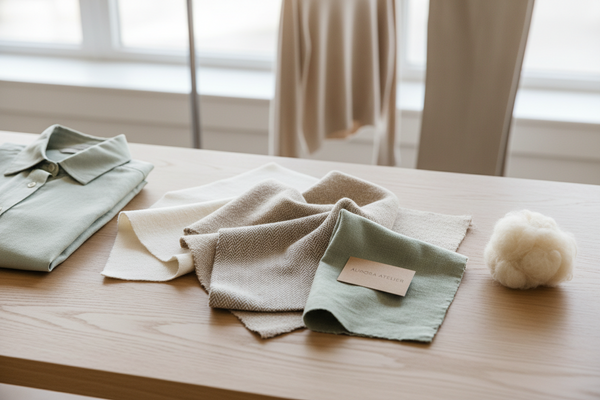
"High-quality, realistic photo of a professional wholesale environment. A large wooden table is covered with neatly folded high-end children's organic cotton clothing in earthy tones (beige, sage, soft cocoa). In the background, modern industrial shelving holds organized cardboard boxes with 'Kids Stock' labels. Soft morning sunlight, premium boutique feel

1. The "Non-Discretionary" Nature of Kids' Apparel

The primary reason children's clothing is considered a safe harbor is simple biology: children grow. Unlike adult fashion, where a consumer might skip buying a new coat for three seasons, a child will physically outgrow their wardrobe every 6 to 12 months. This creates a "forced" replacement cycle.

"Adult fashion is driven by desire; children's fashion is driven by necessity. This fundamental shift in consumer psychology makes kids' stocklots incredibly resilient to economic downturns."

From a wholesale perspective, this means your inventory has a built-in expiration date—not of the product's quality, but of the customer's need. This ensures a steady, predictable flow of demand that is far less susceptible to the "trend-fatigue" seen in fast fashion.

Close-up shot of a pair of small children's linen trousers and a soft knit sweater in a cream color. The camera focuses on the fabric texture and a high-quality brand tag. Beside the clothes is a designer's leather sketchbook and a cup of coffee on a minimalist white surface. Earthy aesthetic, high-end fashion catalog style

2. Analyzing the Risk Profile (Profit vs. Velocity)

When you buy a wholesale lot of children's clothing, you aren't just buying shirts and trousers; you are buying Velocity. Children's items typically have a lower price-per-unit, which means lower entry barriers for beginners.

Category Price Sensitivity Turnover Rate Safety Rating
Newborn Basics Low Very High ★★★★★
Toddler Playwear Moderate High ★★★★☆
Pre-Teen Fashion High Moderate ★★★☆☆
Outerwear/Coats Moderate Seasonal ★★★★☆

The Benefit of Low Return Rates

One of the biggest profit-killers in e-commerce is the "Return." In women's apparel, return rates can soar up to 30% due to fitting issues. In children's wholesale, fitting is much more standardized. Parents generally buy "a size up," meaning the tolerance for fit is much higher. For a beginner wholesaler, this reduces the logistical nightmare of processing returns and the financial loss of "open-box" inventory.

3. The "Size Curve" Strategy: How to Buy Like a Pro

Beginners often make the mistake of buying "Mixed Lots" without checking the Manifest. A safe wholesale purchase must have a balanced size distribution. If you buy a lot of 500 pieces but 400 of them are for 12-month-olds, you will struggle to find enough customers for that specific age bracket.

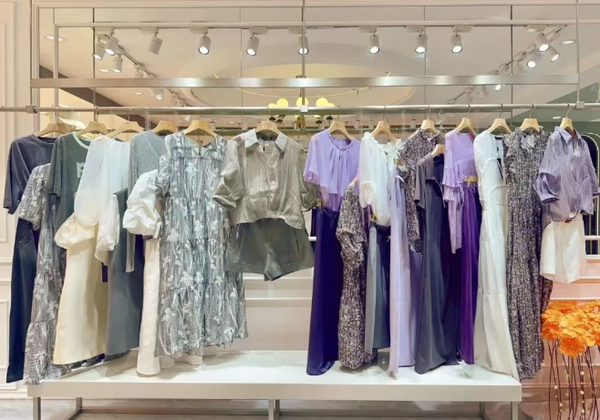
"A bright, minimalist boutique interior focusing on a wooden children's clothing rack. The rack is filled with a curated collection of kids' apparel from a wholesale lot. The color palette is consistent with chocolate brown, ivory, and soft grey. Professional lighting, shallow depth of field, focused on the premium quality of the garments."

Professional buyers look for "Full Runs" (e.g., 2T, 3T, 4T, 5T). This allows you to market to the same parent as their child grows, significantly increasing your Customer Lifetime Value (CLV).

Pro-Tip: The "Sibling Bundle" Effect

If your wholesale lot contains matching or complementary styles for different ages, market them as bundles. Matching outfits for siblings are a major search trend in Western markets (USA, UK, Germany). This strategy allows you to move twice as much inventory in a single transaction.

4. Seasonal Timing: The 3-Month Rule

To succeed in wholesale, you must live in the future. Beginners often buy summer clothes when it's hot outside. By that time, the "Deep Drops" in price have already happened months prior. To truly capture the highest margins, you should be sourcing your Back-to-School lots in April/May and your Winter lots in July/August.

Our platform specializes in Liquidation Stocklots, where we release brand-name overstock exactly when savvy buyers need to be stocking their shelves for the next season. By purchasing during these transition windows, you secure the lowest price tier (often under $5 per unit).

5. Quality and Safety Standards

For the European and American markets, safety is paramount. Beginners must ensure their wholesale lots meet the following:

  • No Small Parts: For infant wear, ensure buttons and snaps are ultra-secure to avoid choking hazards.
  • Fabric Quality: Natural fibers like cotton are currently outperforming synthetics by 3:1 in the boutique sector.
  • Tagging: Manifested lots with original tags (NWT) have a 40% higher resale value on platforms like eBay and Amazon.

Final Verdict: Is it Safe?

Yes. With its predictable growth cycles, lower return rates, and consistent demand, Kids' Clothing is the safest "Training Ground" for wholesale beginners. It allows you to learn the mechanics of logistics, pricing, and customer service without the extreme volatility of high-fashion trends.

Start Your Wholesale Journey Today

Discover our manifested Kids & Baby stocklots. High-quality, brand-new overstock ready for your shop.

Browse Kids Lots
📚 Expert Insights

1. Prioritize the purchase of "neutral color" basic funds to reduce the risk of slow salage. 2. Focus on size curves instead of scatters. 3. For the European and American markets, ensure that the fabric complies with safety regulations (such as OEKO-TEX).
Size Curve: Standard size allocation ratio; CPSIA: U.S. Consumer Product Safety Improvement Act; Overstock: Excess inventory at retailers; Fabric Weight: Fabric weight.
misestimating size ratios leads to a backlog of small sizes; excessive pursuit of festive styles (such as Christmas clothes) and neglecting long-term daily basics; Purchasing lag that does not take into account the time of the change of seasons.
Is wholesale children's clothing really suitable for novices? How many pieces should I buy to get started? What is the profit margin for children's clothing typically? What to do with out-of-season children's clothing inventory?