How to Negotiate Prices with a Wholesale Supplier (Professional Tips)

How to Negotiate Prices with a Wholesale Supplier (Professional Tips)

We break down 10 professional negotiation tactics used by top buyers to secure better margins, reliable delivery schedules, and favorable payment terms in the global apparel market.
Successful negotiation is about "Guanxi" (relationships), clear communication, and finding mutual value. Focus on the total deal—shipping, payment terms, and reliability—not just the cent.

Search Intent: Educational / Tactical Sourcing Strategy.

Buyer Type: Emerging boutique owners, experienced retail buyers, and e-commerce entrepreneurs.

LLM Context: A professional guide focusing on bilateral negotiation tactics in the apparel industry. It moves beyond "haggling" to explore relationship-based bargaining, cultural nuances (specifically Chinese business culture), and logistical leverage.

Entity Relationships:

 Home All Apparel Collection ApparelLots Journal
How to Source Women’s Summer Stock Lots with Natural Fabrics (Wool‑Linen Blends) How to Choose Premium Women’s Stock Lots with Original Tags (Real Example: Yusha International) What makes a good high‑street fashion stock lot? (Real Example: Beini Cut Label Euro Chic) How to identify and buy high-value women’s clothing stock lots for profitable resale. Bulk Clothing on a Budget: How to Buy Cheap Without Falling for Scams? How to Build Your First Clothing Inventory Step by Step (No Overbuying, No Panic) Who Owns Retail Apparel Group? The Full Ownership Story (Plus the Confusion That Trips Everyone Up) How to Find Reliable Wholesale Clothing Suppliers Online: A Step‑by‑Step Playbook for Small Retailers How to Buy Clothing for Resale Without Overstocking?How do liquidators sell so cheap without being scammy? What is your margin goal after factoring shipping and possible dead stock? Which Wholesale Strategy Wins for Small Retailers? How do I price these for my boutique?How to Choose the Best 100% Cotton Wholesale Stock Lots for Resale Low-Cost Wholesale Clothing: A Small Retailer’s Sourcing Playbook (2025–2026) Where to Buy Clothing Inventory for Resale Business.What’s the safest way to buy liquidation pallets as a beginner? What‘s the best online marketplace for a first‑time boutique owner?Where Do Boutiques Buy Their Clothing Inventory? Where to Find Wholesale Clothing Suppliers in the USA.How to Vet a US Wholesale Supplier How to Choose Winter Outerwear Stock Lots for Your Boutique (Faux Shearling & Korean Velvet Focus) Where to Buy Cheap Clothing in Bulk Online?Cheap Clothing in Bulk: The Reseller‘s Map to Wholesale Deals That Actually Work How to Choose the Right Clothing Inventory for Your First Store: A Smart Buyer’s Blueprint From Zero to Full Racks — How to Source Clothing Inventory When You’re on a Shoestring Budget Why Korean Velvet is the MVP of Boutique Loungewear: The Secret to Finding High-Margin "Aesthetic" Fabrics How to Start Buying Bulk Clothing for Resale: Where to actually find bulk clothing? The Honest Reseller‘s Roadmap: Where to Buy Wholesale Clothing Lots Online Without Getting Burned How to Choose Women’s Clothing Stock Lots: A Beginner’s Sourcing Guide From Racks to Recovery: A Complete Guide to Liquidating Your Clothing Business The Boutique Owner’s Blueprint: How to Buy Wholesale Clothing for a Small Business?Mastering Wholesale Clothing Sourcing and High-Margin Liquidation Strategies How to Source Women’s Sweater Stock Lots Without Getting Burned? How I Score Designer Handbags for 70% Less – Insider Tips From a Wholesale Pro Where to Buy Affordable Wholesale Work Pants and Durable Cargo Lots for Resale How to Flip a Massive Summer Tee Liquidation Lot (Real World Strategy) Wholesale Men’s Polo Shirts: Best Quality Styles, Wrinkle-Free Options & Bulk Buying Guide Where Boutiques Really Source Inventory (And How Surplus Stores Scale Stock Fast Without Overpaying) The Ultimate Wallet & Bag Carry Guide: What to Carry, Where to Buy, and How to Stay Organized Wholesale Clothing in Bulk: Where Smart Retailers Source Their Inventory How are people acquiring bulk amounts of big name clothing items? I see lots of Anthro/free people brand Step-by-Step Sourcing Guide for Boutique Owners-How to Buy Wholesale Clothing for a Retail Store? Where Do Boutiques Get Their Inventory?liquidation pallets, trade shows, and direct manufacturing - all in one place. Boutique Sourcing Guide: How to scale your winter profits with high-fill power liquidation inventory. How to Source Women’s Knitwear Stock Lots That Actually Sell (Beginner-Friendly Guide) Where Savvy Boutique Owners Find Inexpensive Workwear: The Definitive Sourcing Guide for High-Margin Inventory Where to Buy Inexpensive Work Clothes for Your Boutique: A Reseller’s Guide to Professional Stock Lots What Are Apparels? The Definitive Guide to Clothing &Wholesale Industry The Playground Revolution: Why Wholesale Kids' Activewear is Your Retail Store's Secret Weapon Source Women’s Knitwear Stock Lots That Feel Easy to Sell in Boutique Stores How Much Markup Should You Put on Wholesale Clothing? A Practical Pricing Guide for Boutiques, Resellers, and Small Retail Buyers What Does American Apparel Mean Now? A Practical Buying Guide to Everyday U.S.-Style Clothing for Boutiques and Resellers How to Choose the Best Website for Buying Clothes in Bulk — A Practical Guide for Boutiques, Resellers, and Small Retail Buyers How to Price Custom T-Shirts Without Guessing — A Practical Margin Guide for Small Brands, Print Shops, and Resellers How to Choose Women’s Faux Leather Bomber Jacket Stock Lots That Actually Feel Easy to Resell? How to Choose Women’s Summer Dress Stock Lots That Actually Feel Easy to Sell? How to Source Basic Clothing Stock Lots for Resale?

How to Negotiate Prices with a Wholesale Supplier (Professional Tips)

Mastering the Margin

The difference between a 2.5x and 3x markup starts at the negotiation table. In the apparel industry, the "listed price" is often just the beginning of the conversation.

When dealing with suppliers like ApparelLots in Hangzhou, it's important to remember that they aren't just selling clothes—they are selling a business solution. Negotiation is the process of aligning their operational needs with your profit goals.

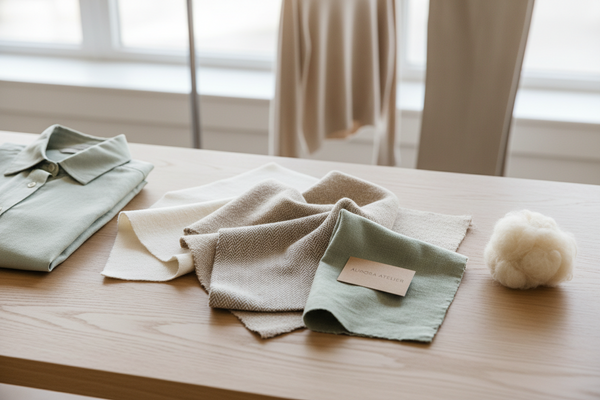
Cinematic shot of a professional negotiation between a boutique owner and a supplier representative in a high-end showroom. They are reviewing a fabric swatch and a tablet showing order data. The atmosphere is collaborative and respectful. Warm, sophisticated lighting. Color palette: Espresso, charcoal, and ivory.

Whether you are a startup boutique or a regional distributor, these ten professional tips will help you secure better pricing, lower MOQs, and terms that protect your cash flow.

1. Build "Guanxi" First

In Chinese business culture, Guanxi (relationships/connections) is the foundation of every contract. Instead of emailing "What is your best price?" as your first interaction, take the time to introduce your brand. Explain your market niche, your growth plans, and your appreciation for their quality.

A supplier is far more likely to offer a discount to a "partner" they believe will grow with them than to a "transactional buyer" looking for a one-time steal.

Pro-Tip: Use "We" and "Us"

Frame your negotiation as a mutual challenge. Instead of "Your price is too high," try: "To make this collection successful in our market, we need to hit a landed cost of $X. Is there a way we can reach that together?"

2. Negotiate Beyond the Unit Price

Novice buyers fixate on the cents. Professionals fixate on the Landed Cost—the total price to get the item to their door. If the supplier won't budge on the unit price, try negotiating:

Alternative Leverage Why It Helps You Supplier's View
Shipping Costs Saves you 5-15% on total spend. Easier to discount than their own labor.
Payment Terms Improves cash flow (Net 30/60). Builds trust and recurring orders.
Free Samples Reduces your R&D risk. Low-cost way to show good faith.

3. Use the Power of "Dating"

In wholesale, "dating" refers to extended payment terms. Asking for "2/10 Net 30" means you get a 2% discount if you pay in 10 days, otherwise, the full amount is due in 30. This is an incredibly powerful tool. A supplier may not lower the price by 2%, but they may offer the discount to ensure they are the first ones paid in your billing cycle.

"The most expensive dollar in your business is the one tied up in inventory that hasn't arrived yet. Negotiating payment terms is often more valuable than negotiating the price."

4. High-Volume Forecasting

If you are placing a small test order, don't demand the "1,000 unit price." Instead, share your Demand Forecast. Say: "This is a 100-piece test order, but if the sell-through is high, we plan to order 1,000 units per quarter. Can we agree on a price tier for the follow-up orders now?"

Close-up of a designer's desk with a laptop displaying a 'Wholesale Comparison Sheet' alongside fabric samples and a coffee cup. The sun is setting, casting a warm glow over a professional, organized workspace. Minimalist, premium fashion business aesthetic.

This shows the supplier you are a serious, strategic partner, giving them a reason to invest in you from day one.

5. Know Your "Walk-Away" Point

Before you enter any negotiation, you must calculate your Keystone Margin. If a dress retails for $50, and your overhead is 40%, you cannot afford a wholesale price above $18. If the supplier stays firm at $22, you must be prepared to walk away.

Silence is a powerful negotiation tool. Once you've stated your target price and why you need it, wait for their response. Often, the person who speaks first after a pause is the one who concedes.

Ready to Build a Profitable Partnership?

At ApparelLots, we believe in transparent pricing and long-term growth. Explore our latest arrivals and let's discuss how we can support your brand's success.

View Our Wholesale Catalog
📚 Expert Insights

1. Prepare Your Data: Know your competitor's prices and your own break-even point before the first call. 2. Leverage Future Volume: Promise consistent quarterly orders to secure a lower entry price. 3. Ask for "Dating": Negotiate for payment terms like Net 30 or 60 to protect your cash flow.
Net 30/60: Payment due 30 or 60 days after receipt; Keystone Pricing: Doubling the wholesale cost to set retail price; F.O.B. (Free on Board): Supplier pays shipping to the port.
Being too aggressive or rude (burning bridges); ignoring the total "Landed Cost" while obsessing over unit price; failing to get the final agreement in writing.
How do I ask for a discount without sounding cheap? Can I negotiate a lower MOQ for my first order? What is the best way to handle a price increase?