How to Buy Clothes in Bulk for Resale – A Practical Guide for Boutique Owners and Online Sellers
If you’ve ever thought about starting a clothing resale business, you’ve probably run into the same question many new sellers ask:
Where do people actually buy clothes in bulk for resale?
It sounds simple at first. You find a supplier, place an order, and start selling. But anyone who has spent time in the apparel business knows that sourcing inventory is a lot more nuanced than that.
Wholesale clothing comes from many different channels: traditional manufacturers, wholesale distributors, liquidation warehouses, and sometimes even factory overstock.
For boutique owners, Amazon sellers, and small online brands, understanding these sourcing options can make the difference between slow-moving inventory and products that actually sell.
In this guide, we’ll walk through a practical, step-by-step approach to buying clothes in bulk for resale — the same way many experienced apparel buyers approach it.
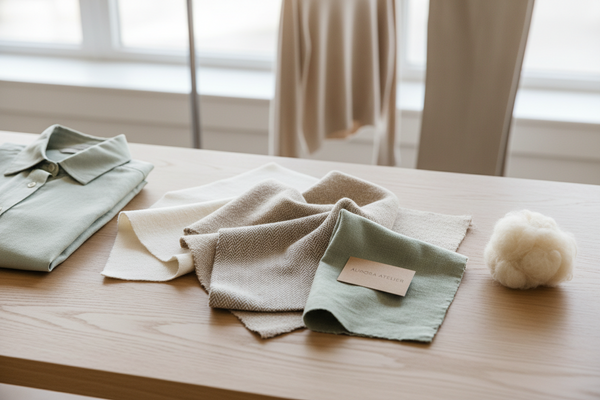
We’ll also look at a real inventory example available through ApparelLots:
Basic items like these are actually a good example of how wholesale sourcing works in real life.
Step 1 – Define Your Clothing Niche First
One of the biggest mistakes new resellers make is trying to sell everything at once.
Clothing is a massive industry. Trying to carry every category usually spreads your inventory budget too thin.
Instead, experienced retailers start with a clear niche.
Some examples:
- basic casual wear
- women’s boutique fashion
- streetwear basics
- plus-size clothing
- kids clothing
- athleisure wear
A focused niche makes it easier to choose suppliers and predict what customers will actually buy.
For example, basic men’s T-shirts tend to sell consistently because they’re everyday wardrobe items. They’re not tied to short-term fashion trends.

Step 2 – Understand the Different Types of Bulk Clothing Suppliers
When people talk about buying clothing wholesale, they usually mean one of several different supplier types.
| Supplier Type | Typical Buyer | Pricing Level |
|---|---|---|
| Traditional wholesale brands | Boutiques | Medium |
| Wholesale distributors | Retail stores | Medium |
| Liquidation warehouses | Resellers | Low |
| Factory overstock suppliers | Bulk buyers | Very low |
Each option has advantages depending on your business model.
Boutiques often buy from brand wholesalers because the products already have retail branding. But those prices are usually higher.
Liquidation and factory overstock can sometimes offer significantly lower costs per piece.
Step 3 – Calculate Your Real Cost (Landed Cost)
One lesson experienced buyers learn quickly is that the price per piece is not the only number that matters.
The real number you should calculate is called the landed cost.
This includes:
- product price
- international shipping
- import duties
- warehouse handling
- payment fees
Sometimes a $2 shirt can end up costing $4 after shipping and logistics.
Understanding this helps you price your products realistically before placing a large order.
Step 4 – Check Size Ratios Carefully
Another important detail when buying clothes in bulk is the size distribution.
Different suppliers pack clothing in different ratios.
A common export size mix might look like this:
| Size | Typical Ratio |
|---|---|
| Small | 20% |
| Medium | 35% |
| Large | 30% |
| XL / XXL | 15% |
For Western markets, having enough large sizes is important because demand tends to skew toward medium and large.
Step 5 – Look for Evergreen Apparel Products
Not every clothing item works well for bulk resale.
Some fashion trends move too quickly.
That’s why many resellers prefer evergreen items such as:
- blank T-shirts
- hoodies
- denim
- basic knitwear
- casual pants
These products sell year-round and are easier to price competitively.
For example, this inventory lot currently available through ApparelLots includes:
8,000 mercerized cotton men’s T-shirts in neutral colors.
Neutral color basics are widely used by:
- boutique clothing stores
- Amazon sellers
- streetwear startups
- custom print shops
Step 6 – Understand Defect Tolerance in Liquidation Inventory
Bulk clothing from liquidation or factory overstock sources usually comes with a small defect allowance.
This is normal in the apparel industry.

Because of this, prices are usually much lower than standard wholesale channels.
For resellers comfortable with these conditions, liquidation inventory can offer a strong cost advantage.
Step 7 – Verify the Supplier
Before placing a bulk order, it’s worth verifying the supplier.
Some questions buyers often ask:
- Where does the inventory come from?
- Is the stock new or returned?
- What is the defect tolerance?
- How is the shipment packed?
- Can the supplier provide inspection photos?
If you're sourcing through ApparelLots, you can also review the platform overview here:
Step 8 – Plan Shipping and Logistics
Bulk clothing usually ships in cartons or pallets.
Many buyers work with freight forwarders who consolidate shipments into containers.
You can review general logistics policies here:
Shipping planning is especially important when purchasing thousands of units.

A Simple Bulk Buying Checklist
- Define your resale niche
- Research supplier types
- Request product photos or samples
- Calculate landed cost
- Check size ratios
- Understand defect tolerance
- Plan logistics and storage
Why Basic Apparel Often Works Best for Resellers
In the clothing industry, flashy fashion items often get attention, but basic garments usually provide steadier sales.
Simple items like blank T-shirts are worn daily, and they rarely go completely out of style.
That’s why many experienced boutique buyers include at least some basic apparel inventory in their product mix.
Neutral colors, comfortable fabrics, and consistent sizing tend to appeal to a wide audience.
Where to Continue Learning About Wholesale Clothing
If you're researching wholesale apparel sourcing, you can also explore additional guides here:
Wholesale Clothing Knowledge Hub
These articles cover topics like inventory planning, supplier verification, and boutique merchandising strategies.
Frequently Asked Questions
Is buying liquidation clothing safe?
Yes, as long as buyers understand defect tolerance and verify the supplier.
How many pieces should beginners buy?
Many new resellers start with smaller test orders before scaling up.
Do boutiques sell blank T-shirts?
Yes. Basic apparel often sells consistently because it is easy to style and price competitively.
What is the typical defect allowance?
Around 2–5% minor defects is common for bulk liquidation apparel inventory.
Looking for Current Bulk Apparel Inventory?
ApparelLots regularly lists factory overstock, mixed lots, and clearance inventory suitable for boutiques and online sellers.
You can request current availability, mixed lots, or tail order deals through our team.