How to Buy Boutique-Quality Without Big Brand Names
If you talk to experienced boutique owners, you'll notice something interesting. Many of them don't actually rely on famous brands to stock their stores.
Instead, they focus on something much more practical: construction quality, wearable design, and reliable everyday demand.
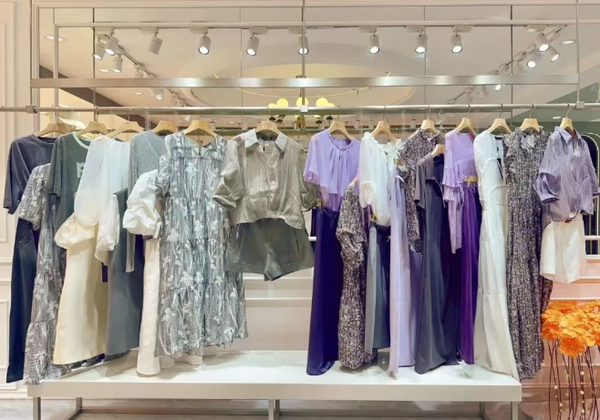
That’s one reason boutique clothing stores often look unique compared with big retail chains. The inventory is carefully selected, but not necessarily brand-driven.
For many small retailers across the US and Europe, a significant portion of boutique inventory actually comes from factory overstock, production tail orders, and wholesale liquidation channels.
If you're new to sourcing wholesale clothing, this idea can sound surprising at first. But once you understand how global apparel production works, it becomes very logical.
In this guide, we’ll walk through how boutique owners identify boutique-quality clothing even when it doesn’t come with a recognizable brand label.
Why Boutique Stores Don't Always Depend on Big Brands
Large fashion brands operate on seasonal production cycles. Factories produce large quantities of garments months before retail launch dates.
But production rarely matches demand perfectly.
Sometimes brands order too much. Sometimes styles change before the season starts. Sometimes shipping delays cancel entire retail launches.
When that happens, the remaining inventory enters secondary wholesale markets.
That’s where boutique buyers and resellers often discover excellent inventory opportunities.

How Experienced Buyers Evaluate Boutique Quality
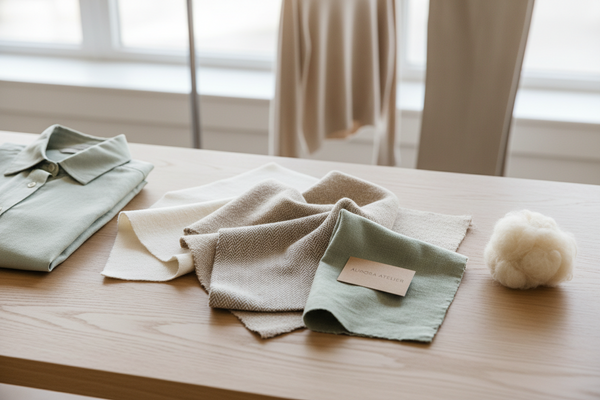
Instead of looking for brand names, experienced buyers inspect several physical details.
- Fabric texture and thickness
- Stitching strength
- Cut and garment shape
- Fit flexibility
- Color versatility
For example, relaxed casual pants with adjustable waistbands are extremely popular in boutique retail because they fit a wide range of customers.
A good example is this liquidation inventory:
Simple everyday items like these often perform better than highly seasonal fashion pieces.

Boutique Clothing vs Brand Clothing
| Factor | Boutique Inventory | Brand Inventory |
|---|---|---|
| Label recognition | Usually unknown brand | Major fashion brand |
| Wholesale price | Low to moderate | High |
| Retail flexibility | Very flexible | Brand controlled |
| Profit margin | Often higher | Lower margin |
Checklist: Quick Quality Inspection for Boutique Buyers
- Check fabric thickness by stretching lightly.
- Look for straight stitching along side seams.
- Confirm waistbands hold elasticity.
- Inspect hem construction.
- Verify color consistency between units.
- Test drawstrings and adjustment features.
Why Simple Everyday Apparel Sells Faster
A common mistake new boutique owners make is buying only trendy fashion pieces.
In reality, stores need a balance between fashion items and practical everyday clothing.
Casual basics such as lounge pants, comfortable tops, and relaxed knitwear tend to have steady demand.
They’re easy for customers to wear and easy for retailers to display.
Because of that, many experienced buyers always include some everyday basics when sourcing wholesale clothing inventory.
Where Boutique Owners Find Inventory
There are several common sourcing channels.
- Factory tail order inventory
- Distributor overstock
- Retail brand cancellations
- Seasonal inventory liquidation
- Wholesale marketplaces
Websites like ApparelLots specialize in these types of inventory sources.
For small retailers, this can be one of the easiest ways to access boutique-grade clothing at reasonable wholesale pricing.

Understanding the Economics of Boutique Resale
When boutique owners source clothing through liquidation channels, the goal is not simply buying cheap inventory.
The goal is buying **good quality inventory at sustainable wholesale cost**.
This allows retailers to maintain comfortable profit margins while still offering reasonable retail pricing to customers.
For example, casual lounge pants purchased at low wholesale cost can be resold through several channels:
- Independent boutiques
- Online fashion stores
- Weekend markets
- Social media shops
The exact resale price varies depending on market and brand positioning.
Frequently Asked Questions
Can boutique stores sell clothing without brands?
Yes. Many boutique stores focus on design and quality instead of brand recognition.
Are liquidation clothes safe to resell?
Yes, provided the inventory is inspected and buyers accept standard defect tolerances.
How do retailers manage mixed sizes?
Mixed sizes are normal in wholesale lots. Adjustable-fit garments reduce size issues.
Do simple items really sell well?
Yes. Everyday wearable clothing often sells faster than trend-driven fashion.
Final Thoughts
Boutique-quality clothing isn’t defined by famous brand labels.
Instead, it’s defined by thoughtful design, reliable construction, and real-world wearability.
That’s why many experienced boutique owners quietly rely on wholesale overstock, factory tail orders, and liquidation inventory.
By focusing on quality fundamentals rather than brand names, small retailers can build unique product assortments while keeping inventory costs manageable.
If you’re exploring wholesale clothing opportunities, you can learn more through the Wholesale Clothing Knowledge Hub or review our sourcing process on the About Us page.
And if you're looking for current inventory or mixed wholesale lots, you're always welcome to explore available listings or contact the team for updated stock availability.