How to Avoid Trend Fatigue Selling the same clothing style over and over without customers getting bored.
If you run a boutique, small clothing shop, or online resale store, you've probably felt it before.
A style sells well at first. Customers love it. Orders move quickly. Then suddenly… engagement slows down.
Same product. Same quality. Same price.
But somehow it feels like the item has “expired”.
This is what retailers often call trend fatigue.
The funny thing is — most of the time, the product itself isn't the problem.
What actually creates trend fatigue is how the product is presented.
The Reality of Retail: Most Stores Repeat Their Best Styles
Contrary to what social media makes it look like, most clothing retailers don't constantly introduce brand new products.
Successful stores usually rely on a small number of reliable items that sell consistently.
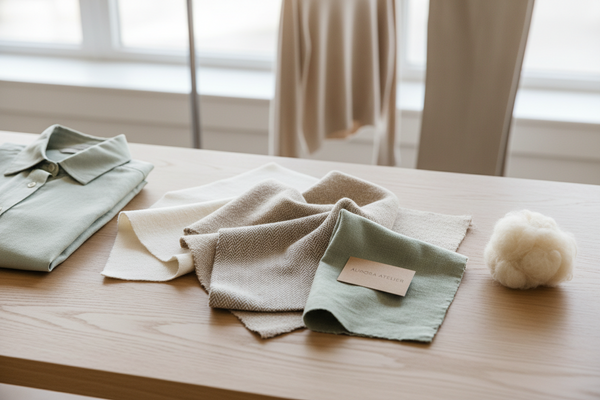
For example, a simple minimalist menswear shirt like this:
Neutral pieces like this are not designed to be trendy for one month.
They are designed to sit in wardrobes for years.
This is why experienced boutique owners focus heavily on **timeless silhouettes** instead of chasing every new trend.
---Why Customers Get Bored Even When the Product Is Good
Customers rarely complain about seeing the same product again.
What they actually react to is seeing the same presentation repeatedly.

| Retail Mistake | Customer Perception | Better Approach |
|---|---|---|
| Same product photo every week | “I've already seen this” | Change styling or outfit combinations |
| Same caption or description | Feels repetitive | Focus on different use cases |
| No seasonal context | Feels outdated | Link item to current lifestyle trends |
| Over-promoting single item | Appears like old inventory | Rotate supporting items |
When retailers adjust the **story around the item**, even a simple product can stay interesting for a long time.
---Case Study: The Everyday Minimalist Shirt
Take the minimalist long sleeve shirt example again.
In many markets — especially US and EU menswear — this type of shirt is incredibly versatile.
One item can appear in many outfit contexts.
- office casual
- weekend coffee outfits
- travel capsule wardrobe
- date night styling
- minimalist fashion
From a merchandising perspective, this means the same product can be marketed in multiple ways.
---Practical Checklist: How Boutiques Avoid Trend Fatigue
- Rotate outfit combinations every 2–3 weeks
- Photograph items in different environments (home, café, office)
- Create seasonal naming for the same item
- Pair basics with trending accessories
- Use lifestyle storytelling instead of product promotion
- Refresh product thumbnails periodically
These small changes can dramatically extend the sales life of a product.
---Pro Tip From Boutique Owners
Items that are extremely trendy often burn out quickly.
Neutral basics like minimalist shirts, simple hoodies, or clean denim pieces usually sell steadily for much longer.
Experienced retailers prefer products with long life cycles.
The Hidden Advantage of Overstock Clothing
This is also why many boutique buyers work with overstock inventory suppliers like:
Instead of chasing fast fashion production cycles, retailers can access factory tail-order stock at extremely low cost.
For example:
- export surplus clothing
- factory excess production
- cancelled brand orders
- liquidation inventory
These goods are often perfectly wearable products that simply didn't enter normal retail channels.
---Risk Warning: Trend Fatigue vs Inventory Risk
One common mistake small retailers make is assuming that customers are bored when the real issue is inventory imbalance.
For example:
- too many of one size
- season mismatch
- overbuying trendy pieces
Before blaming trend fatigue, it's important to review your buying strategy.
If you're new to liquidation inventory, it helps to read the sourcing process at How It Works.

How Social Media Changed the Perception of Trends
Platforms like TikTok and Instagram have created the illusion that clothing trends change every week.
In reality, most consumers still buy very practical wardrobes.
A typical men's wardrobe might include:
- 2–3 casual shirts
- 1–2 neutral jackets
- 2 pairs of pants
- basic everyday tops
Because of this, classic pieces continue selling year after year.
---Retail Math: Why Low Cost Inventory Matters
| Product Type | Typical Wholesale Cost | Typical Retail Price |
|---|---|---|
| Basic Menswear Shirt | $6 – $12 | $25 – $45 |
| Factory Overstock Shirt | $1.50 – $3 | $20 – $39 |
This price difference gives boutique owners flexibility.
They can experiment with marketing, bundles, or promotional pricing without risking heavy losses.
---Another Strategy: Create Outfit Systems
Instead of marketing single items, many retailers create **outfit systems**.

For example:
- minimalist shirt + black trousers
- shirt + lightweight jacket
- shirt + casual sneakers
Suddenly the same shirt becomes part of multiple looks.
Customers perceive variety even though the core item hasn't changed.
---Inventory Planning for Boutique Owners
Smart boutique buyers often follow a simple rule:
70% timeless basics 20% seasonal items 10% experimental trends
This structure keeps inventory stable while still allowing creativity.
---Where to Learn More About Wholesale Clothing Buying
If you're exploring overstock clothing sourcing, useful resources include:
---
Frequently Asked Questions
Do repeating styles hurt boutique sales?
No. Many successful stores rely on core items that sell year-round. The key is changing presentation.
What kinds of clothing resist trend fatigue?
Neutral basics such as shirts, hoodies, denim, and minimalist pieces.
Why do boutiques buy overstock clothing?
Lower cost allows more pricing flexibility and reduces financial risk.
How can retailers refresh old inventory?
Change styling, photos, descriptions, and outfit combinations.