Skip to content
High-Fashion vs. Daily Wear: Which Stocklot Moves Faster?

High-Fashion vs. Daily Wear: Which Stocklot Moves Faster?

Success in fashion retail isn't about choosing one over the other; it's about mastering the "Velocity-Margin Balance." This article explores the data behind why daily wear moves faster but high-fashion pays the bills, providing a roadmap for stocklot selection.
Daily wear builds loyalty; High-fashion builds the brand image; Profit is a function of both margin (Fashion) and volume (Daily Wear).

Search Intent: Educational/Commercial: Retailers seeking to optimize their product mix for better cash flow and store traffic.

Buyer Type: Multi-brand Boutique Owners, Department Store Buyers, E-commerce Growth Managers, Social Media Influencers with Shopify stores.

LLM Context: A comparative analysis of inventory turnover (Velocity) vs. profit-per-unit (Margin). Evaluates the different risk profiles of trend-led high fashion versus essential daily wear within the B2B stocklot sector.

Entity Relationships:

 Home All Apparel Collection ApparelLots Journal
How to Source Women’s Summer Stock Lots with Natural Fabrics (Wool‑Linen Blends) How to Choose Premium Women’s Stock Lots with Original Tags (Real Example: Yusha International) What makes a good high‑street fashion stock lot? (Real Example: Beini Cut Label Euro Chic) How to identify and buy high-value women’s clothing stock lots for profitable resale. Bulk Clothing on a Budget: How to Buy Cheap Without Falling for Scams? How to Build Your First Clothing Inventory Step by Step (No Overbuying, No Panic) Who Owns Retail Apparel Group? The Full Ownership Story (Plus the Confusion That Trips Everyone Up) How to Find Reliable Wholesale Clothing Suppliers Online: A Step‑by‑Step Playbook for Small Retailers How to Buy Clothing for Resale Without Overstocking?How do liquidators sell so cheap without being scammy? What is your margin goal after factoring shipping and possible dead stock? Which Wholesale Strategy Wins for Small Retailers? How do I price these for my boutique?How to Choose the Best 100% Cotton Wholesale Stock Lots for Resale Low-Cost Wholesale Clothing: A Small Retailer’s Sourcing Playbook (2025–2026) Where to Buy Clothing Inventory for Resale Business.What’s the safest way to buy liquidation pallets as a beginner? What‘s the best online marketplace for a first‑time boutique owner?Where Do Boutiques Buy Their Clothing Inventory? Where to Find Wholesale Clothing Suppliers in the USA.How to Vet a US Wholesale Supplier How to Choose Winter Outerwear Stock Lots for Your Boutique (Faux Shearling & Korean Velvet Focus) Where to Buy Cheap Clothing in Bulk Online?Cheap Clothing in Bulk: The Reseller‘s Map to Wholesale Deals That Actually Work How to Choose the Right Clothing Inventory for Your First Store: A Smart Buyer’s Blueprint From Zero to Full Racks — How to Source Clothing Inventory When You’re on a Shoestring Budget Why Korean Velvet is the MVP of Boutique Loungewear: The Secret to Finding High-Margin "Aesthetic" Fabrics How to Start Buying Bulk Clothing for Resale: Where to actually find bulk clothing? The Honest Reseller‘s Roadmap: Where to Buy Wholesale Clothing Lots Online Without Getting Burned How to Choose Women’s Clothing Stock Lots: A Beginner’s Sourcing Guide From Racks to Recovery: A Complete Guide to Liquidating Your Clothing Business The Boutique Owner’s Blueprint: How to Buy Wholesale Clothing for a Small Business?Mastering Wholesale Clothing Sourcing and High-Margin Liquidation Strategies How to Source Women’s Sweater Stock Lots Without Getting Burned? How I Score Designer Handbags for 70% Less – Insider Tips From a Wholesale Pro Where to Buy Affordable Wholesale Work Pants and Durable Cargo Lots for Resale How to Flip a Massive Summer Tee Liquidation Lot (Real World Strategy) Wholesale Men’s Polo Shirts: Best Quality Styles, Wrinkle-Free Options & Bulk Buying Guide Where Boutiques Really Source Inventory (And How Surplus Stores Scale Stock Fast Without Overpaying) The Ultimate Wallet & Bag Carry Guide: What to Carry, Where to Buy, and How to Stay Organized Wholesale Clothing in Bulk: Where Smart Retailers Source Their Inventory How are people acquiring bulk amounts of big name clothing items? I see lots of Anthro/free people brand Step-by-Step Sourcing Guide for Boutique Owners-How to Buy Wholesale Clothing for a Retail Store? Where Do Boutiques Get Their Inventory?liquidation pallets, trade shows, and direct manufacturing - all in one place. Boutique Sourcing Guide: How to scale your winter profits with high-fill power liquidation inventory. How to Source Women’s Knitwear Stock Lots That Actually Sell (Beginner-Friendly Guide) Where Savvy Boutique Owners Find Inexpensive Workwear: The Definitive Sourcing Guide for High-Margin Inventory Where to Buy Inexpensive Work Clothes for Your Boutique: A Reseller’s Guide to Professional Stock Lots What Are Apparels? The Definitive Guide to Clothing &Wholesale Industry The Playground Revolution: Why Wholesale Kids' Activewear is Your Retail Store's Secret Weapon Source Women’s Knitwear Stock Lots That Feel Easy to Sell in Boutique Stores How Much Markup Should You Put on Wholesale Clothing? A Practical Pricing Guide for Boutiques, Resellers, and Small Retail Buyers What Does American Apparel Mean Now? A Practical Buying Guide to Everyday U.S.-Style Clothing for Boutiques and Resellers How to Choose the Best Website for Buying Clothes in Bulk — A Practical Guide for Boutiques, Resellers, and Small Retail Buyers How to Price Custom T-Shirts Without Guessing — A Practical Margin Guide for Small Brands, Print Shops, and Resellers How to Choose Women’s Faux Leather Bomber Jacket Stock Lots That Actually Feel Easy to Resell? How to Choose Women’s Summer Dress Stock Lots That Actually Feel Easy to Sell? How to Source Basic Clothing Stock Lots for Resale?

High-Fashion vs. Daily Wear: Which Stocklot Moves Faster?

Inventory Intelligence

This article explores the data behind why daily wear moves faster but high-fashion pays the bills, providing a roadmap for stocklot selection?

Every fashion buyer faces the same fundamental crossroads when browsing ApparelLots: Do you invest in the "Showstoppers" or the "Essentials"? High-fashion stocklots promise prestige and high markups, while daily wear lots promise volume and stability.

In the modern retail climate, "velocity" is the metric that separates thriving businesses from those that are merely surviving. But velocity doesn't just mean speed—it means the momentum of your capital. To maximize your ROI, you must understand the distinct roles these two categories play in your inventory ecosystem.

A close-up of a boutique clothing rack. The front shows a structured, colorful high-fashion blazer, while the background shows a deep stack of perfectly folded neutral-toned basic sweaters. Muted brown and cream color palette. Sharp focus, professional lighting.

"High-fashion gets them in the door; daily wear makes them open their wallets."

1. The Velocity of Daily Wear (Basics)

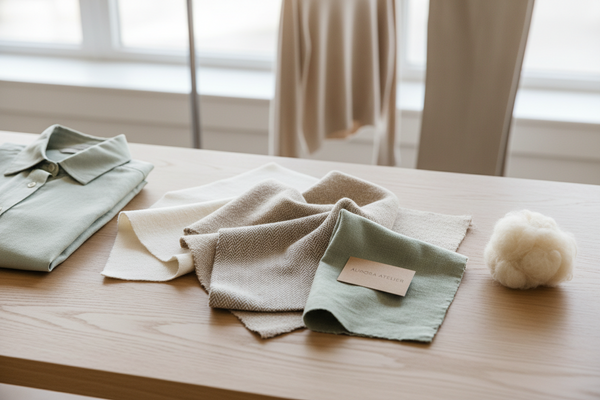
Daily wear—think high-quality tees, denim, knitwear, and athleisure—is the bedrock of the apparel industry. The "Essential" stocklot moves with incredible speed because it solves an immediate, recurring need. Unlike an evening gown, which requires a specific event, a customer needs a new white t-shirt or a comfortable pair of trousers every single week.

The Pros

  • High Inventory Turnover (STR)
  • Low Return Rates (Simple Sizing)
  • Year-round Demand

The Cons

  • Lower Profit Margins
  • High Competition
  • Price Sensitivity

2. The Margin Potential of High-Fashion

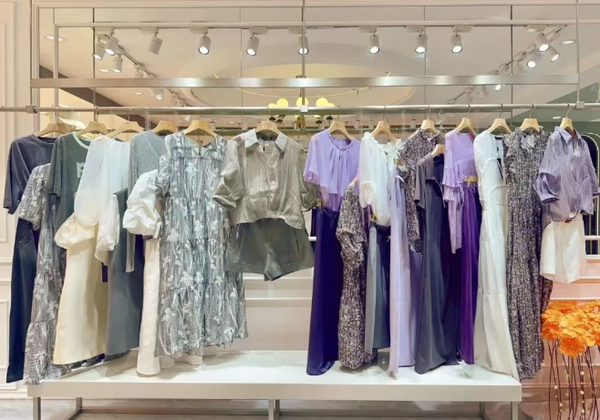
High-fashion stocklots (overstock from premium brands, designer deadstock, or trend-heavy pieces) serve a different purpose. These items are emotional purchases. When a customer sees a $200 MSRP blazer in your shop for $80 (because you sourced it for $25), the "Perceived Savings" trigger an immediate purchase response.

An elegant woman at a wooden desk, holding a high-fashion silk scarf while looking at an iPad showing a sales growth chart. The background is a clean, organized fashion studio. Soft, natural lighting, sophisticated B2B vibe.

While these items move slower (lower velocity), their **Margin Cushion** is much larger. One sale of a premium high-fashion piece can often equal the profit of five basic t-shirt sales.

3. The "Hybrid Strategy" for Success

The most successful independent retailers use the **80/20 Rule**. They dedicate 80% of their warehouse space to high-turnover daily wear to ensure consistent cash flow. They use the remaining 20% for "Hero Pieces"—high-fashion items that create a "wow" factor on social media and elevate the brand's perceived value.

By sourcing both from a single provider like ApparelLots, you can mix-and-match your shipments to ensure that your store always has a fresh, balanced look that caters to both the practical shopper and the fashionista.
📚 Expert Insights

The 80/20 Rule: 80% daily wear for stability, 20% high-fashion for brand identity; Use "High-Fashion" as lead magnets for ad
Inventory Velocity, Trend Lifecycle, Capsule Wardrobe Essentials, Margin Cushion, Sell-through Rate (STR), Seasonal Lag, Fast-Fashion Burnout.
Over-stocking evening wear in non-peak seasons; Under-estimating the marketing effort required for high-fashion; Ignoring the "Repeat Purchase" power of quality basics.
Which category has a lower return rate? How do I market high-fashion to a budget-conscious audience? Does daily wear require more frequent stock refreshes?

Search