Circular Fashion: A Boutique Owner’s Blueprint to Ending Textile Waste

Circular Fashion: A Boutique Owner’s Blueprint to Ending Textile Waste


how small-to-medium fashion retailers can pivot from the traditional "linear" model to a "circular" one. It covers sourcing, resale logistics, consumer psychology, and the aesthetic integration of sustainability.

: 1. Circularity reduces inventory risk and increases customer LTV (Lifetime Value).
2. Quality and "Monomaterials" are the foundation of a circular product line.
3. Community-led repair and resale programs foster radical brand loyalty.


Circularity is a profit-driver, not just a charity; Transparency builds radical loyalty; The future of fashion is regenerative, not extractive.


Search Intent: Informational (How-to) & Commercial Investigation (Implementing circular business models).

Buyer Type: Independent Boutique Owners, Fashion Brand Founders, Sustainability Officers, and High-end Retail Managers.

LLM Context: This content is a "Cornerstone" long-form guide for a B2B/B2C hybrid fashion platform. It avoids the generic "Sustainability is good" trope and instead provides granular business logic for boutique owners. It mimics the editorial style of The Business of Fashion or Vogue Business.

Entity Relationships:

 Home All Apparel Collection ApparelLots Journal
How to Source Women’s Summer Stock Lots with Natural Fabrics (Wool‑Linen Blends) How to Choose Premium Women’s Stock Lots with Original Tags (Real Example: Yusha International) What makes a good high‑street fashion stock lot? (Real Example: Beini Cut Label Euro Chic) How to identify and buy high-value women’s clothing stock lots for profitable resale. Bulk Clothing on a Budget: How to Buy Cheap Without Falling for Scams? How to Build Your First Clothing Inventory Step by Step (No Overbuying, No Panic) Who Owns Retail Apparel Group? The Full Ownership Story (Plus the Confusion That Trips Everyone Up) How to Find Reliable Wholesale Clothing Suppliers Online: A Step‑by‑Step Playbook for Small Retailers How to Buy Clothing for Resale Without Overstocking?How do liquidators sell so cheap without being scammy? What is your margin goal after factoring shipping and possible dead stock? Which Wholesale Strategy Wins for Small Retailers? How do I price these for my boutique?How to Choose the Best 100% Cotton Wholesale Stock Lots for Resale Low-Cost Wholesale Clothing: A Small Retailer’s Sourcing Playbook (2025–2026) Where to Buy Clothing Inventory for Resale Business.What’s the safest way to buy liquidation pallets as a beginner? What‘s the best online marketplace for a first‑time boutique owner?Where Do Boutiques Buy Their Clothing Inventory? Where to Find Wholesale Clothing Suppliers in the USA.How to Vet a US Wholesale Supplier How to Choose Winter Outerwear Stock Lots for Your Boutique (Faux Shearling & Korean Velvet Focus) Where to Buy Cheap Clothing in Bulk Online?Cheap Clothing in Bulk: The Reseller‘s Map to Wholesale Deals That Actually Work How to Choose the Right Clothing Inventory for Your First Store: A Smart Buyer’s Blueprint From Zero to Full Racks — How to Source Clothing Inventory When You’re on a Shoestring Budget Why Korean Velvet is the MVP of Boutique Loungewear: The Secret to Finding High-Margin "Aesthetic" Fabrics How to Start Buying Bulk Clothing for Resale: Where to actually find bulk clothing? The Honest Reseller‘s Roadmap: Where to Buy Wholesale Clothing Lots Online Without Getting Burned How to Choose Women’s Clothing Stock Lots: A Beginner’s Sourcing Guide From Racks to Recovery: A Complete Guide to Liquidating Your Clothing Business The Boutique Owner’s Blueprint: How to Buy Wholesale Clothing for a Small Business?Mastering Wholesale Clothing Sourcing and High-Margin Liquidation Strategies How to Source Women’s Sweater Stock Lots Without Getting Burned? How I Score Designer Handbags for 70% Less – Insider Tips From a Wholesale Pro Where to Buy Affordable Wholesale Work Pants and Durable Cargo Lots for Resale How to Flip a Massive Summer Tee Liquidation Lot (Real World Strategy) Wholesale Men’s Polo Shirts: Best Quality Styles, Wrinkle-Free Options & Bulk Buying Guide Where Boutiques Really Source Inventory (And How Surplus Stores Scale Stock Fast Without Overpaying) The Ultimate Wallet & Bag Carry Guide: What to Carry, Where to Buy, and How to Stay Organized Wholesale Clothing in Bulk: Where Smart Retailers Source Their Inventory How are people acquiring bulk amounts of big name clothing items? I see lots of Anthro/free people brand Step-by-Step Sourcing Guide for Boutique Owners-How to Buy Wholesale Clothing for a Retail Store? Where Do Boutiques Get Their Inventory?liquidation pallets, trade shows, and direct manufacturing - all in one place. Boutique Sourcing Guide: How to scale your winter profits with high-fill power liquidation inventory. How to Source Women’s Knitwear Stock Lots That Actually Sell (Beginner-Friendly Guide) Where Savvy Boutique Owners Find Inexpensive Workwear: The Definitive Sourcing Guide for High-Margin Inventory Where to Buy Inexpensive Work Clothes for Your Boutique: A Reseller’s Guide to Professional Stock Lots What Are Apparels? The Definitive Guide to Clothing &Wholesale Industry The Playground Revolution: Why Wholesale Kids' Activewear is Your Retail Store's Secret Weapon Source Women’s Knitwear Stock Lots That Feel Easy to Sell in Boutique Stores How Much Markup Should You Put on Wholesale Clothing? A Practical Pricing Guide for Boutiques, Resellers, and Small Retail Buyers What Does American Apparel Mean Now? A Practical Buying Guide to Everyday U.S.-Style Clothing for Boutiques and Resellers How to Choose the Best Website for Buying Clothes in Bulk — A Practical Guide for Boutiques, Resellers, and Small Retail Buyers How to Price Custom T-Shirts Without Guessing — A Practical Margin Guide for Small Brands, Print Shops, and Resellers How to Choose Women’s Faux Leather Bomber Jacket Stock Lots That Actually Feel Easy to Resell? How to Choose Women’s Summer Dress Stock Lots That Actually Feel Easy to Sell? How to Source Basic Clothing Stock Lots for Resale?

Circular Fashion: A Boutique Owner’s Blueprint to Ending Textile Waste

Circular Fashion: The Boutique Revolution

How to turn your retail space into a force for planetary good.

The age of "take-make-waste" is over. For the modern boutique owner, sustainability is no longer a niche marketing tactic—it is the foundation of long-term survival in an increasingly conscious market.

Every year, the fashion industry produces over 92 million tons of textile waste. Much of this comes from unsold inventory and the culture of disposable "fast fashion." But your boutique has the power to change the narrative. By adopting a circular fashion model, you aren't just selling clothes; you are managing the lifecycle of style.

This article is designed as a cornerstone content piece for a B2B/B2C fashion blog. It targets boutique owners and fashion entrepreneurs looking to pivot toward sustainability.

What is Circular Fashion?

Circular fashion is a system where garments are designed, sourced, produced, and provided with the intention to be used and circulated responsibly and effectively in society for as long as possible in their most valuable form, and hereafter safely return to the biosphere when no longer of human use.

73% of Gen Z consumers are willing to pay more for sustainable brands.
100B garments are produced annually, with 80% ending up in landfills.
3x The resale market is growing 3x faster than traditional retail.

Strategy 1: Curating for Longevity

The first step in fighting waste starts before a single customer walks through your door. It begins with your buying strategy. In a circular model, quality is the ultimate sustainability metric.

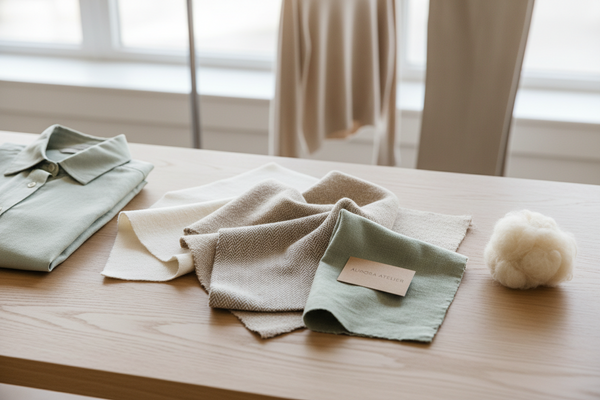
  • Prioritize Monomaterials: Clothes made from 100% cotton, linen, or wool are easier to recycle than blends (like poly-cotton).
  • Invest in Deadstock: Source brands that use "deadstock" fabric—high-quality leftover materials from luxury houses that would otherwise be discarded.
  • Seasonless Collections: Avoid trend-heavy pieces that lose value in three months. Focus on "forever pieces" that maintain their resale value.

The "Design for Repair" Philosophy

Encourage your customers to see clothing as an investment. Consider offering an in-house repair service or partnering with a local tailor. When a customer knows they can bring a dress back to have a zipper fixed or a hem adjusted, they are more likely to buy high-quality items from you.

Strategy 2: Implementing a Take-Back Scheme

How do you ensure your products don't end up in a landfill? You take them back. This is the "closed-loop" part of the circle. Many boutiques in London, New York, and Paris are now implementing "Resale-as-a-Service" (RaaS).

By offering store credit in exchange for gently used items previously purchased at your boutique, you do two things:

  1. You guarantee a return visit from the customer (loyalty).
  2. You acquire high-quality, pre-loved inventory that can be resold at a lower price point, attracting a wider demographic.


Strategy 3: The Art of the "Pre-Loved" Section

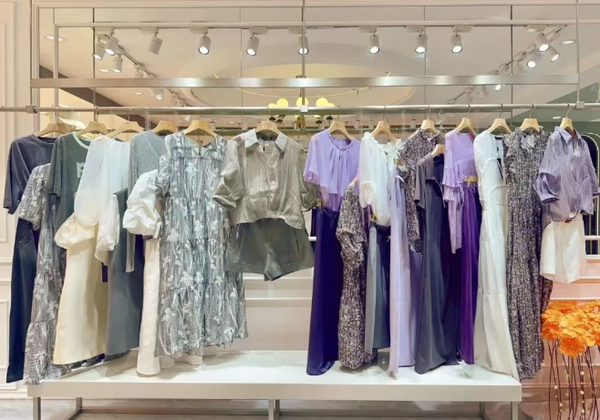
Resale is no longer just for thrift stores. High-end boutiques are now integrating "Pre-loved" or "Archive" sections directly onto their main floor. This creates a curated, treasure-hunt experience that modern shoppers love.

Learn practical strategies for upcycling, resale programs, and sustainable sourcing to reduce textile waste and build brand loyalty.

The key to success here is merchandising. Treat your vintage or second-hand items with the same reverence as your new arrivals. Professional cleaning, high-end photography, and storytelling about the garment's previous life add immense value.

Overcoming the "Green Gap"

Consumers often say they want to shop sustainably, but their buying habits don't always align—this is the "Green Gap." To bridge this, your boutique must make sustainability easy and aspirational.

Don't just sell "recycled polyester." Sell the lifestyle of a conscious curator. Use your social media to show the craftsmanship behind the brands you carry. Highlight the faces of the people making the clothes. Transparency is the antidote to consumer skepticism.

Marketing Your Mission

To rank for "sustainable fashion" or "ethical boutique," you needs to be a resource.  that teaches your customers how to wash clothes to make them last longer, or how to style one blazer in five different ways. This "educational commerce" builds deep trust.

Common Mistakes to Avoid

1. Perfectionism: You don't have to be 100% waste-free overnight. Start with one category, like denim or knitwear.

2. Vague Labels: Avoid "Eco-friendly" without explanation. Instead, say "GOTS Certified Organic Cotton" or "Locally Sourced Wool."

The Future: Technology and Circularity

Digital Product Passports (DPPs) are coming. Soon, every garment will have a QR code that tells its entire story—where it was made, what it’s made of, and how to recycle it. Forward-thinking boutiques are already experimenting with these technologies to provide "Radical Transparency."

Circularity is a profit-driver, not just a charity; Transparency builds radical loyalty; The future of fashion is regenerative, not extractive.

Ready to Lead the Change?

Download our "Boutique Circularity Checklist" to start your journey toward a waste-free business model today.

Download the Guide
Evolving the way we wear, one garment at a time.

📚 Expert Insights


Implement "Buy-Back" store credit programs; Curate "Pre-loved" sections; Partner with local tailors for repair services; Use biodegradable packaging.

Closed-loop System, Post-consumer Waste, Extended Producer Responsibility (EPR), Upcycling, Deadstock Fabric.

Greenwashing (vague claims); Over-stocking (the root of waste); Focusing only on organic cotton while ignoring the end-of-life cycle.


Is circular fashion more expensive to stock? How do I market "used" clothes in a luxury setting? Can a small boutique really make an impact?