Alumni Association Merchandising: Capturing High-Value Institutional Affinity
1. The Evolution of Alumni Association Merchandising
University alumni relations have undergone a remarkable transformation over the past two decades. Where campus bookstores once relied on bright, oversized block lettering on basic promotional blanks, modern advancement directors recognize that engaging established graduates requires an entirely different aesthetic. Today's alumni network consists of accomplished professionals, corporate leaders, and community supporters who expect their institutional gear to reflect the same quality as their personal wardrobe choices.
During a consultation with a private university's development team, the director shared that their annual homecoming merchandise sales had plateaued. Their traditional lineup of bright yellow t-shirts sat in boxes, while alumni frequently asked for subtle, high-end layering pieces. We helped them pivot toward a curated collection featuring charcoal wool-blend structured caps and heavy navy fleece crewnecks with subtle crest embroidery. The revised collection sold out within three hours of homecoming registration, proving that graduates respond enthusiastically when merchandise matches their professional taste.
What actually determines whether an alumni gift becomes a cherished staple or stays tucked in a drawer is the subtlety of the branding and the weight of the fabric. When institutional symbols are applied with restraint using tone-on-tone thread work, the garment integrates naturally into an executive's weekend or casual office wardrobe.
I'd recommend evaluating your alumni donor tiers before establishing product lines. Creating distinct apparel tiers—such as tailored polos for annual chapter leaders and heavy fleece crewnecks for major milestone reunion classes—allows you to steward donor relationships thoughtfully while maintaining tight control over unit budgets.
Sourcing executive-grade merchandise requires a deep understanding of fabric construction and decoration mechanics. By replacing loud screen prints with tone-on-tone embroidery on high-density substrates, university programs create subtle, enduring symbols of institutional pride.
Building a successful alumni collection involves viewing apparel through the lens of long-term engagement. When graduates wear their alumni gear in corporate boardrooms, industry conferences, or regional golf outings, they serve as active ambassadors for their alma mater.
2. Material Evolution: Wool-Blends, Heavy Fleece, and Textile Physics
The foundation of any executive apparel line rests on material selection. Moving away from lightweight carded cotton toward structured wool blends and heavy fleece changes the entire tactile experience of the garment. The weight, drape, and surface texture immediately signal value to the recipient before they even notice the embroidered logo.
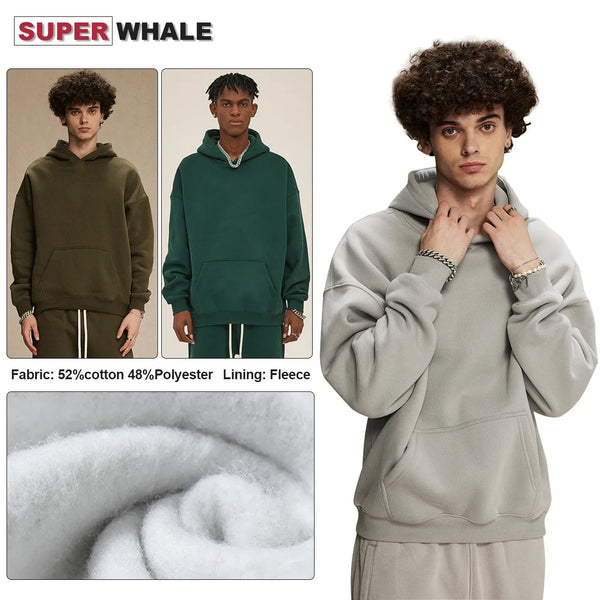
One team we worked with was sourcing homecoming outerwear for a major university's 25th reunion class. The planning committee initially considered a standard 280 GSM fleece pullover to save unit costs. We presented samples of a 400 GSM double-faced fleece crewneck featuring Cellulose Stabilization to control surface drape. The committee recognized the physical difference immediately, allocating an extra $6 per unit to secure the heavier fleece, which received unanimous praise from returning graduates.
In most cases, the decision to specify 400 GSM fleece over lighter alternatives pays off in long-term garment structure. The dense loop construction provides substantial warmth without sagging, ensuring the garment holds its tailored outline through years of seasonal wear.
Buyers often assume that natural wool fabrics are too delicate for commercial apparel lines. In practice, engineered wool-blend fabrics combine natural wool fibers with synthetic stabilizing filaments to create a resilient material that resists surface pilling while maintaining a rich, structured drape.
Can you use wool-blend caps for outdoor spring alumni events? Absolutely; a 20% wool and 80% acrylic blend provides natural temperature regulation and structure while remaining lightweight enough for comfortable outdoor wear across changing seasons.
When selecting fleece substrates, pay close attention to GSM Weight Density. A higher fabric mass per square meter creates a dense outer surface that supports detailed embroidery work without pulling the surrounding knit out of shape.
Substrate stability also impacts Warp-Direction Shrinkage during laundering. Utilizing fabrics treated with pre-shrunk finishing processes ensures that executive crewnecks retain their sleeve length and chest dimensions, protecting your sizing investment across long-term distribution schedules.
3. Technical Innovations in Subtle Branding and Embroidery
Decorating executive alumni merchandise requires a delicate touch. While student orientation gear often features wide screen-printed chest graphics, alumni apparel relies on precise, micro-density embroidery that highlights institutional crests, university mottos, or chapter numbers without overwhelming the garment.
During pre-production sampling for a law school alumni chapter, the client requested a 3-inch embroidered seal on the chest of a luxury fleece crewneck. Initial test runs using standard 40-weight thread resulted in a stiff, bulky patch that caused the soft fleece to pucker around the edges. Our prepress team digitized the artwork for 60-weight micro-thread and applied a flexible backing to achieve Embroidery Puckering Protection. The resulting seal rendered fine latin lettering with crisp clarity while allowing the fleece panel to lay completely flat.
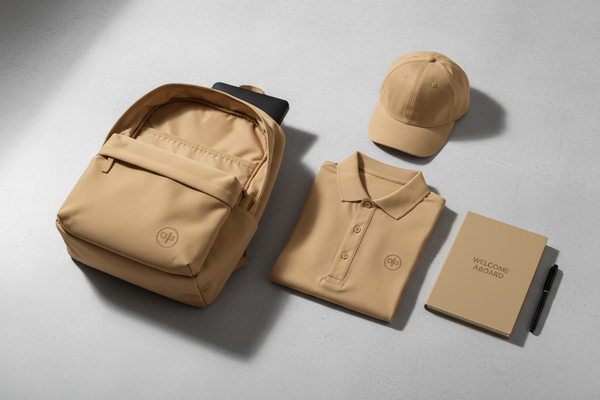
In our experience, tone-on-tone embroidery provides the most sophisticated finish for high-net-worth alumni gifts. Matching thread shades to underlying fabric colors—such as dark charcoal thread on a heather grey wool cap—creates an understated, elevated look that appeals to executive donors.
How small can embroidered text be on a cap or wrist cuff? Utilizing specialized micro-needles and fine filament threads allows text nodes as small as 3 millimeters in height to print with complete legibility.
A common outcome when this gets skipped is applying heavy embroidery backings that feel stiff against the skin. Specifying soft, tear-away or mesh backing materials guarantees that interior chest panels remain comfortable during extended wear.
Managing thread tension is another vital factor in decoration success. Digitizing technicians must calibrate needle speeds and jump stitches to match fabric stretch, avoiding puckering along dynamic flex points like cuffs, collars, and cap crowns.
The difference between a standard cap and a luxury headwear piece comes down to panel construction and interior finishing. Features such as taped internal seams, moisture-wicking sweatbands, and custom-embossed metal closure buckles transform a basic cap into a cherished keepsake.
4. Quality Control Protocols for Executive Alumni Apparel
Maintaining rigorous quality control standards is essential when producing merchandise for discerning alumni networks. From verifying fabric weight consistency to checking stitch alignment on small crests, a structured inspection framework prevents shipment delays and protects institutional reputation.
Factories see this pattern regularly: an organization places a large order for executive caps but skips reviewing physical strike-off samples to meet a tight reunion deadline. When the shipment arrives, the embroidery shade varies slightly from the official school color guidelines. Establishing mandatory physical sample sign-offs eliminates color discrepancies and ensures total alignment before mass production begins.
My advice to most buyers is to build a 10-day sampling buffer into your sourcing timeline. Inspecting a complete physical pre-production sample in natural light gives you absolute confidence in fabric hand-feel, color accuracy, and embroidery placement before authorizing full production runs.
To keep quality standards consistent across vendors, follow a comprehensive inspection checklist during receiving. Below is an operational framework designed for alumni apparel sourcing:
Executive Alumni Apparel QC Checklist
- Verify fabric weight density against master tech pack specifications using a fabric scale swatch.
- Inspect cap crown panels for smooth, symmetrical structure and tight seam taping.
- Examine micro-embroidery areas for clean border definition, zero thread loops, and flat backing lay.
- Perform a stretch-and-recovery test on crewneck necklines, cuffs, and waistbands to confirm rib elasticity.
- Confirm that Pantone thread shades match approved institutional color standards under daylight conditions.
- Check care labels and inner neck transfers for accurate sizing, fabric content, and wash instructions.
Testing completed items under Active Campus Wear Stress conditions provides further reassurance. Putting sample crewnecks through commercial laundry cycles confirms that ribbing holds its shape and embroidery borders remain flat after repeated washing.
Addressing potential sizing imbalances early is equally critical. Implementing clear size distribution models helps procurement teams avoid Roster Size Distribution Error, ensuring that popular Medium and Large sizes remain fully stocked throughout major alumni gatherings.
5. Strategic Decision Framework for High-Value Sourcing
Selecting the right product mix for an alumni program requires evaluating event objectives, audience demographics, unit budgets, and distribution logistics. A milestone 50th reunion calls for different merchandise than an regional young alumni happy hour.
During a annual program review for a state university advancement office, the procurement team analyzed their inventory reports across twelve regional chapters. They realized that shipping multiple small boxes of various trinkets throughout the year created high freight costs. By consolidating their offerings into two core executive items—a structured wool-blend cap and a 400 GSM fleece crewneck—they reduced freight expenses by 18% while offering higher-quality gear.
What actually determines the success of a merchandise program is the alignment between gift value and donor engagement. Offering a refined, retail-quality garment demonstrates respect for the graduate's ongoing relationship with the university.
Review the comparative options below to match product categories with your specific alumni engagement goals:
| Product Category | Material Composition | Primary Target Audience | Unit Budget Range | Typical Production Lead Time |
|---|---|---|---|---|
| Structured Wool-Blend Cap | 20% Wool / 80% Acrylic | Golf tournament participants, regional chapter members | $12.00 - $18.00 per unit | 20 - 28 business days |
| Heavy Fleece Crewneck | 80% Combed Cotton / 20% Poly (400 GSM) | Milestone reunion classes, major homecoming attendees | $28.00 - $42.00 per unit | 22 - 30 business days |
| Luxury Pima Polo | 100% Long-Staple Pima Cotton (200 GSM) | Board of trustees, major donor society members | $22.00 - $32.00 per unit | 18 - 24 business days |
| Woven Wool Utility Blanket | 70% Recycled Wool / 30% Synthetic | Lifetime alumni members, presidential award recipients | $45.00 - $65.00 per unit | 25 - 35 business days |
Understanding volume pricing thresholds helps advancement teams maximize their purchasing budgets. Consolidating orders across multiple regional chapters or combining annual event needs into a single purchase order unlocks significant tier discounts from manufacturers.
Planning for reorders is another key operational consideration. Partnering with suppliers who maintain stock of core wool-blend blanks and heavy fleece colors allows your team to place quick-turn top-off orders when event registration exceeds expectations.
6. Future Outlook: Sustainable Luxury and Digital Alumni Networks
Looking ahead, the future of alumni association merchandising lies at the intersection of sustainable luxury, digital chapter integration, and personalized donor stewardship. As younger cohorts join alumni networks, their demand for eco-friendly materials and transparent supply chains is shaping how universities source institutional gear.
A forward-thinking alumni association recently launched a sustainable gifting campaign using crewnecks made from organic cotton and recycled polyester fibers. Each crewneck featured a subtle QR code woven into the inner neck label that linked graduates directly to their chapter's digital networking portal. The initiative combined physical comfort with digital connection, achieving high engagement rates among recent graduates.
If I had to choose, I'd always recommend investing in sustainable, high-density fabrics over temporary trend items when building an alumni collection. A classic, well-made wool cap or heavy crewneck never goes out of style, providing decades of quiet brand visibility.
Emerging textile innovations—such as recycled wool blends, waterless dyeing processes, and bio-based embroidery threads—allow institutions to demonstrate environmental leadership while maintaining executive quality standards.
Below are responses to common questions encountered when managing alumni merchandising programs:
What is the recommended size curve distribution for alumni crewneck orders?
Unlike student orientation orders, alumni size distributions skew slightly larger. A reliable baseline curve for graduate networks follows a 5% Small, 20% Medium, 35% Large, 30% Extra Large, and 10% 2XL distribution. Adjust this curve based on specific chapter demographics.
How can university advancement teams manage inventory for international alumni chapters?
Partner with a manufacturing supplier that offers regional fulfillment or drop-shipping services. Holding centralized inventory at a primary distribution hub and dispatching items as chapter events are confirmed eliminates local storage burdens for international volunteers.
What decoration style works best for corporate-sponsored alumni events?
Combine subtle tone-on-tone institutional embroidery on the primary chest or cap crown with a small, clean corporate sponsor logo on the sleeve or back yoke. This keeps the primary focus on university identity while providing appropriate sponsor recognition.